Venice Film Festival 2026: A Global Showcase Amidst a Shifting Cinematic Landscape
As the Adriatic tide begins to turn, the cinematic world fixes its gaze upon the Lido. The Venice Film Festival, the world’s oldest and arguably most prestigious film gathering, is poised to unveil its highly anticipated 2026 lineup. With the 83rd edition running from September 2 to 12, the festival promises a masterclass in global storytelling, even as industry insiders note a marked recalibration in the festival’s relationship with Hollywood.
Much like the trends observed at Cannes earlier this year, Venice 2026 reflects a broader industry shift: a diminished reliance on the traditional Hollywood "mega-blockbuster" circuit in favor of a deeper, more robust embrace of international auteur cinema. Yet, for those fearing a lack of star power or awards-caliber prestige, the initial program suggests that Venice remains the definitive launchpad for the year’s most significant cinematic conversations.
The Opening and Closing Pillars
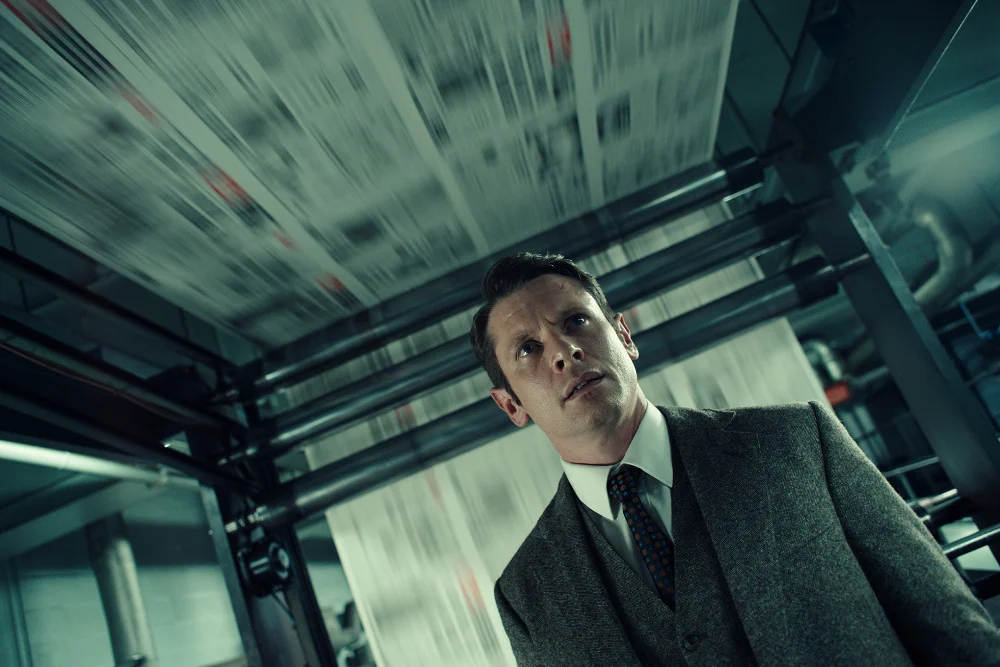
The festival will ignite with the world premiere of Danny Boyle’s Ink, a film already generating significant Oscar buzz. Set against the backdrop of the swinging 1960s, this biographical drama delves into the cutthroat world of British tabloid journalism. Guy Pearce delivers a transformation as the divisive media titan Rupert Murdoch, while Jack O’Connell portrays the ambitious Larry Lamb, editor of The Sun. Having recently secured U.S. distribution rights, Netflix is clearly positioning Ink as a cornerstone of its upcoming awards campaign, ensuring the film will compete fiercely for the coveted Golden Lion.
On the other side of the spectrum, the festival will conclude with a more introspective tone. Giovanni Veronesi’s Dio Ride (God Laughs) will close the festivities in the out-of-competition section. Starring the formidable Pierfrancesco Favino, the film offers a 17th-century Tuscanny setting, following a friar whose unconventional, joy-filled interpretation of the divine draws the ire of the ecclesiastical authorities. It is a classic Veronesi narrative—humanistic, challenging, and visually opulent.
A Jury of Visionaries
The competitive landscape this year will be adjudicated by a jury led by actress and director Maggie Gyllenhaal. Her selection continues a progressive trend at Venice, marking the third time in just five years that a woman has presided over the jury, following the esteemed tenures of Isabelle Huppert, Julianne Moore, and Cate Blanchett.
Gyllenhaal’s panel is as eclectic as it is accomplished, promising a wide breadth of aesthetic evaluation. Joining her are Hong Kong cinematic titan Johnnie To, Tunisian visionary Kaouther Ben Hania, Afghan filmmaker Shahrbanoo Sadat, and French director Xavier Giannoli. The inclusion of The Brutalist composer Daniel Blumberg and U.S.-based Italian academic Francesco Casetti underscores the festival’s commitment to integrating interdisciplinary perspectives—music and critical theory—into the heart of its judging process.
Chronology of the 83rd Edition
The festival schedule is meticulously crafted to balance high-octane premieres with intimate, dialogue-driven screenings.
- September 2: The red carpet unfurls for the world premiere of Ink.
- September 3–8: The competition section takes center stage, featuring heavyweights like Werner Herzog’s Bucking Fastard, Hirokazu Kore-eda’s Look Back, and the much-hyped Wild Horse Nine from Martin McDonagh.
- September 9: Spotlight on the "Film on Films" category, featuring Luca Guadagnino’s Joie De Vivre, a deep dive into the craft of cinema.
- September 10: The non-fiction category takes the spotlight, with high-profile documentaries including Alex Gibney’s Musk and the long-awaited Oasis documentary, Don’t Look Back in Anger.
- September 12: The festival concludes with the closing gala for Dio Ride and the announcement of the Golden Lion and other prestigious prizes.
A Roster of Heavyweights: The Competition Data
The Competition lineup for 2026 is a testament to the enduring power of the auteur. While Hollywood presence is lighter, the caliber of the directors involved ensures that the "Venice seal of quality" remains intact.
The Competition Slate
- Ink – Danny Boyle (Opening)
- Company – Casey Affleck
- Kami Nour (A Bit of Light) – Ali Asgari
- Ritorno a Buenos Aires – Marco Bechis
- Un Bon Petit Soldat – Stéphane Brizé
- Il Fuoco Che Ti Porti Dentro – Edoardo De Angelis
- Kvinde Ukendt (Woman Unknown) – May El-Toukhy
- Bucking Fastard – Werner Herzog
- 15/18 (A Place to Heal) – Cédric Kahn
- Dau – Ilya Khrzhanovsky
- Look Back – Hirokazu Kore-eda
- Ga-Neung-Han Sa-Rang (Possible Love) – Lee Chang-Dong
- Wild Horse Nine – Martin McDonagh
- It Will Happen Tonight – Nanni Moretti
- Primetime – Lance Oppenheim
- The Echo Chamber – Andrea Pallaoro
- Un Peu Avant Minuit – Nicolas Pariser
- L’Estranea – Paolo Strippoli
- Mr. Nelson, Did You Kill People? – Shinya Tsukamoto
- Bunker – Florian Zeller
Supporting Data: The Non-Fiction and Special Sections
Venice has long been a sanctuary for documentary filmmaking, and 2026 is no exception. The "Out of Competition — Non-Fiction" section is particularly stacked this year. Alex Gibney’s Musk is expected to be a lightning rod for conversation, while the documentary Oasis: Don’t Look Back in Anger by Dylan Southern and Will Lovelace promises to be a cultural touchstone.
Furthermore, the "Film on Films" section provides a meta-narrative to the event. With contributions from Luca Guadagnino and the exploration of the 2001–2012 festival archives in the special screening Dai Nostri Inviati, the festival is effectively curating its own history in real-time.
Official Responses and Industry Sentiment
While festival organizers have remained tight-lipped regarding the specific reasons for the reduced Hollywood footprint, industry analysts point to a confluence of factors: the lingering effects of previous labor strikes, the consolidation of major studios, and a strategic pivot by European festivals toward regional and independent voices.
"The festival has always been a reflection of the world, not just the industry," said one spokesperson for the Biennale. "By elevating the voices of directors like Lee Chang-Dong and May El-Toukhy, we are ensuring that the global language of cinema remains vibrant and diverse. We aren’t losing Hollywood; we are expanding the map."
Furthermore, the festival is making a concerted effort to honor the giants who built the modern cinematic bridge. George Clooney and Ellen Burstyn are set to receive lifetime achievement awards, a gesture that provides a bridge between the classic era of film and the experimental future represented by the competition’s newer, bolder selections.
Implications for the Awards Season
The implications of this year’s Venice lineup are significant for the upcoming awards season. Historically, Venice has served as the primary indicator for Academy Award success. With films like Ink and the new works from Martin McDonagh and Florian Zeller, the festival remains the primary engine for the "prestige" cycle.
The shift away from high-budget studio tentpoles to more character-driven, mid-budget dramas actually benefits the "Oscar hunt." Films that premiere in the intimate, critical environment of the Lido often receive the nuanced, thoughtful reviews necessary to propel them through the grueling months of the awards campaign. By focusing on international directors, the festival is also widening the scope of what constitutes an "awards-worthy" film, potentially challenging the Academy to look beyond domestic US productions.
Conclusion: The Future of the Lido
As the 83rd Venice Film Festival approaches, the message is clear: cinema is not dying; it is migrating. It is moving away from the assembly-line production of the studio system and back into the hands of those who view the medium as a form of high art.
From the historical drama of Ink to the philosophical inquiries found in the Horizons section, the 2026 program is a defiant assertion that the Venice Film Festival remains the heartbeat of global culture. Whether you are an industry professional tracking the next big acquisition or a cinephile waiting for the next masterpiece, the Lido is, as ever, the place to be. The world will be watching from September 2 to 12, and if the lineup is any indication, the experience will be nothing short of transformative.