Beyond the Pink: How ‘Elle’ Reimagines the Origins of a Pop Culture Icon
When showrunner Laura Kittrell was first tasked with crafting a prequel to the beloved 2001 film Legally Blonde, she didn’t immediately reach for the familiar Harvard Law aesthetics that defined the original. Instead, she opened a calendar. Working backward from the movie’s turn-of-the-millennium setting, she landed on 1995. The goal was to place the iconic Elle Woods in a environment that felt distinct from her later, polished academic life—a place where her inherent optimism would face its most rigorous trial.
"Grunge-era Seattle felt like the perfect choice," Kittrell told IndieWire. "It provided a landscape that was the complete antithesis of the ‘Legally Blonde’ world we know, creating the ultimate fish-out-of-water scenario."
The result is Elle, Prime Video’s ambitious series that dropped its entire first season on July 1. Starring relative newcomer Lexi Minetree as the iconic Bel Air socialite, the series serves as both a tonal departure and a heartfelt homage to the Reese Witherspoon-led classic. As the franchise expands, it is clear that Elle is interested in more than just nostalgia; it is an exploration of identity, resilience, and the birth of a feminist icon.
The Genesis of an Underdog: From Bel Air to the Pacific Northwest
The series premise is simple but emotionally weighted: When Elle’s high-profile parents—portrayed by June Diane Raphael and Tom Everett Scott—find themselves embroiled in a professional scandal that strips them of their social standing, the family is forced to relocate from the sunny, opulent streets of Bel Air to the moody, rain-soaked streets of Seattle.
For the production team, the shift was necessary to distinguish the show from the 1995 cult classic Clueless. "We didn’t want to redo Clueless," Kittrell explained. "That movie exists, it’s perfect, and they have that cornered. We needed to focus on the core of who Elle is—that unshakeable spirit that persists even when she’s cast as an underdog."

Co-showrunner Caroline Dries emphasizes that the series is not a reboot, but a "reverse-engineered" origin story. By examining the character’s past, the creative team sought to explain the internal strength that allows the adult Elle Woods to brush off humiliation with such grace. Specifically, the team looked at the infamous "bunny costume" scene from the 2001 film—where Elle is tricked into attending a party in a Playboy outfit—as a foundational mystery.
"There was something in her past that allowed her to be comfortable in her own skin during that moment," Dries said. "We wanted to find the formative experiences that built that armor."
A Curated Aesthetic: The Fashion and Sound of 1995
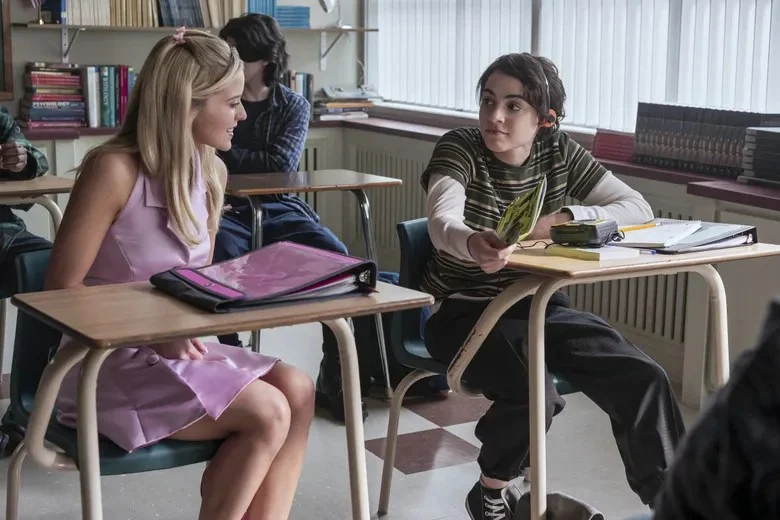
If the original film was defined by high-fashion pinks and millennial gloss, Elle finds its identity in the friction between the preppy and the countercultural. Costume designer Sara Byblow and music supervisor Brienne Rose were given a unique canvas: a 1995 Seattle that was just beginning to grapple with the global explosion of grunge.
The Sartorial Challenge
Byblow, a self-described fan of 90s fashion, took an archival approach to the wardrobe. She scoured actual yearbooks from Seattle and Bel Air high schools in 1995 to ensure the extras felt authentic, while drawing inspiration from icons like Claudia Schiffer. "The 90s is the best era for clothing," Byblow noted.
The wardrobe functions as a narrative device. Elle’s arrival in Seattle is marked by her refusal to abandon her bright, polished aesthetic, even as it makes her a target. A highlight of the series’ attention to detail is a nod to the 1996 Golden Globes: in the finale, Elle appears to "invent" a safety pin dress, a direct visual reference to the iconic look worn by Heather Locklear.

The Sonic Landscape
Music acts as the heartbeat of the show. Brienne Rose worked to curate a soundscape that charts Elle’s growth, transitioning from the pop-heavy influence of her upbringing to the grunge and riot grrrl anthems of her new environment.
The inclusion of tracks like Bikini Kill’s "Rebel Girl," Tori Amos’ "Cornflake Girl," and the series’ unofficial theme, Garbage’s "I’m Only Happy When It Rains," serves to ground the show in its era. "Garbage was our perfect happy medium," Rose explained. "They appealed to everyone, even though they didn’t come from a poppy place." This musical evolution serves as a "map" for the audience to track Elle’s internal journey as she navigates her new social hierarchy.
Conflict and Critique: The "Mean Girl" Dynamic
The friction between Elle and her peers is perhaps the most compelling aspect of the show. Kimberly (Chandler Kinney), the series’ primary antagonist, serves as the gatekeeper of Seattle’s grunge credibility. Her critique of Elle—"Seattle isn’t a costume"—is a direct indictment of the era’s tension between authentic counterculture and the commercialization of trends.
Byblow and Rose navigated this carefully, ensuring that the show acknowledged the cultural significance of the bands represented. For instance, the wardrobe team included subtle nods to local legends like Bam Bam, featuring the late Tina Bell, one of the first women of color to make a mark on the Seattle grunge scene. This adds a layer of depth to the world-building, suggesting that Elle is as much about the environment as it is about the titular character.
Official Responses and Behind-the-Scenes Collaboration
The production of Elle has been defined by a highly collaborative atmosphere. The creators describe a set where ideas flowed freely between departments, leading to creative breakthroughs like the custom pink plaid print developed with Vans for a key scene in the finale.

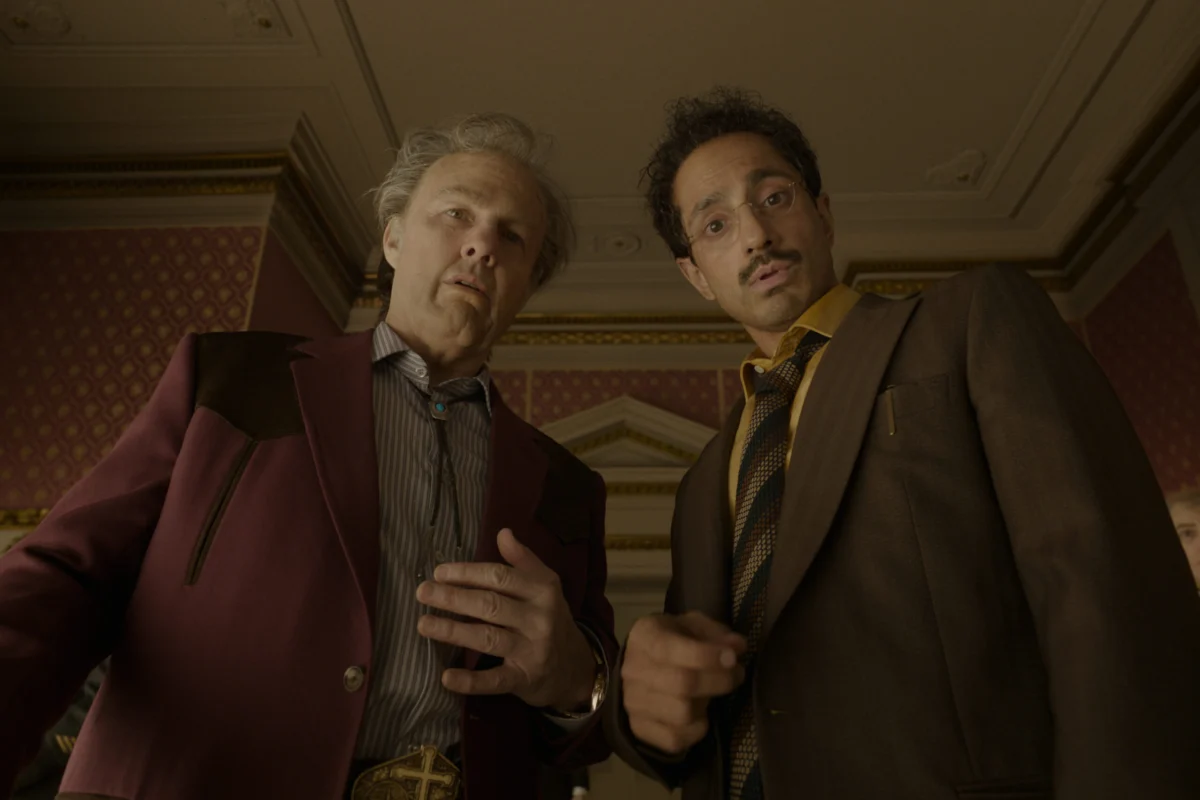
The show also features a poignant, full-circle moment for James Van Der Beek. In what has been confirmed as his final role, the Dawson’s Creek alum plays a "frumpy" character with a penchant for bad fashion. "He loved the role," Dries said. "He embraced the mustache and the awkwardness, and he added so much to the world-building of this high school."
The cast and crew’s dedication to the source material is evident in the inclusion of "Easter eggs," ranging from specific dialogue callbacks—such as the missing summer reading list—to the clever ways Elle applies her obsession with beauty and hair care to solve school-level corruption.
Implications for the Franchise
With Season 1 receiving critical acclaim and the show already having completed filming on a second season, the future of the Legally Blonde universe looks expansive. While the showrunners remain tight-lipped about the plot of the upcoming season, the timeline is moving toward 1996—the year the Spice Girls arrived in the U.S., potentially offering a new, vibrant era of "girl power" for Elle to navigate.
The success of Elle opens the door for a much larger narrative tapestry. Given that the original films follow Elle through Harvard Law School, there is significant room for the series to evolve. Could we see Elle: The College Years, detailing her time as a Delta Nu sorority sister at UCLA? The creative team is currently focused on the high school experience, but the foundation for a long-running franchise is undeniably present.
By taking a character known for her superficial perfection and placing her in the raw, messy reality of the mid-90s, the creators have managed to strip away the artifice without losing the magic. Elle is not just a prequel; it is a thoughtful study of a character who, regardless of the decade, will always refuse to be anything other than herself.

Season 1 of "Elle" is currently available for streaming on Prime Video.