
No Points for Gryffindor: Why HBO’s ‘Harry Potter’ Reboot Faces an Awards Season Hurdle
The Wizarding World is bracing for a magical, albeit complicated, homecoming. As HBO prepares for the highly anticipated premiere of its Harry Potter and the Philosopher’s Stone television series—a project that has dominated industry headlines for its ambitious scope and high-profile casting—it has hit an unexpected snag. According to newly issued eligibility guidelines from SAG-AFTRA, the series will be ineligible for the prestigious Actor Awards for its inaugural year.
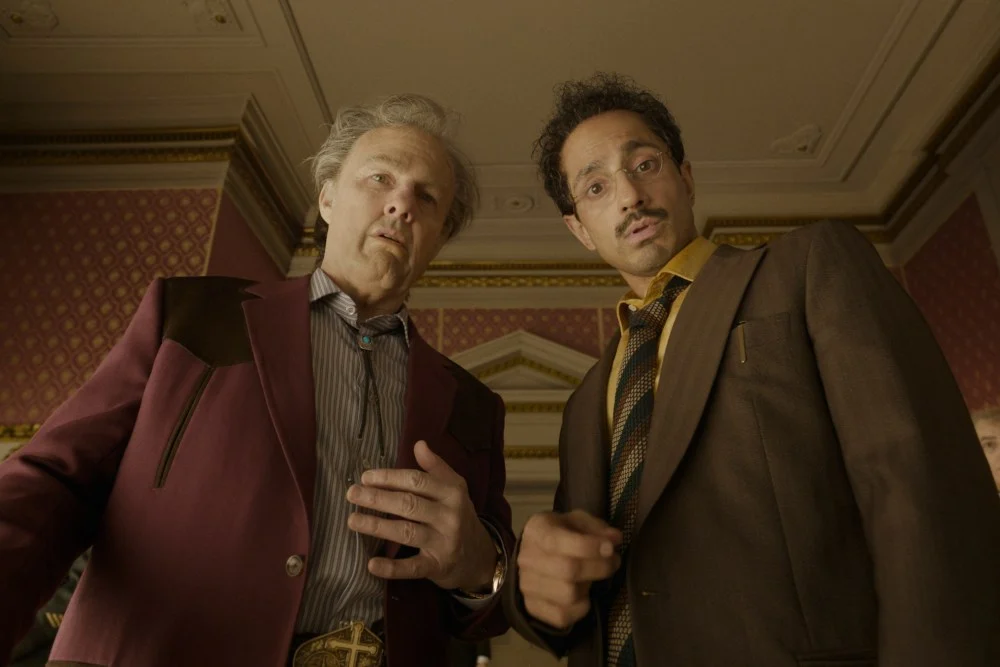
The news serves as a stark reminder that even the most anticipated projects in Hollywood are subject to the rigid, bureaucratic machinery of awards season. With a premiere date set for December 25, 2026, the series finds itself caught in a "dead zone" of calendar-based eligibility, effectively sidelining a cast that includes heavyweights like John Lithgow, Janet McTeer, and Nick Frost from competing in the upcoming cycle.
The Eligibility Math: Understanding the SAG-AFTRA Ruling
The heart of the issue lies in a specific technicality within the SAG-AFTRA awards rulebook. To ensure fairness and prevent "awards-stuffing," the union mandates that television series must meet specific thresholds regarding the number of episodes aired within a calendar year to qualify for that year’s Actor Awards.
The new policy states: "If a Comedy or Drama series premieres late in the eligibility year, and at least six episodes air in 2026, but less than six episodes air in 2027, the entire season qualifies for the 2026 eligibility year."
Because Harry Potter is scheduled to debut on Christmas Day, it is mathematically impossible for the show to air the required six episodes before the 2026 calendar year draws to a close. Consequently, the production falls into a gap that pushes its eligibility window further into the future. For the cast and crew, this means they will not be eligible to compete for an Actor Award until 2028, creating an unusual delay between the show’s premiere and its potential recognition by the union.
A Chronology of the Conflict
The timeline of the Harry Potter release strategy creates a cascading effect for the production’s awards prospects.

- December 25, 2026: The series premieres, marking the official launch of the franchise reboot.
- Early 2027: The remainder of the season’s episodes will air. Because the majority of the season lands in 2027, the entire project is pushed out of the 2026 awards cycle.
- Late 2027: The production cycle for the series will likely be in the middle of potential subsequent seasons, but it remains technically ineligible for the Actor Awards until the next full cycle opens in 2028.
This is not the first time a major production has run afoul of these specific regulations. Just last fall, Prime Video’s Fallout encountered a similar scenario. Season 2 of the hit series, which straddled the 2025–2026 threshold, was forced to skip the 2026 cycle entirely. These instances highlight a growing trend in the streaming era: high-budget, "event" television often defies the traditional broadcast calendar, leading to these types of administrative friction points.
The Divergent Paths of Emmys vs. Actor Awards
It is essential to distinguish between the various governing bodies in the awards landscape. While the Actor Awards—the pinnacle of peer-recognized acting excellence—are currently out of reach for the Harry Potter team, the situation for the Primetime Emmy Awards is markedly different.
The Television Academy operates on a different, more flexible timeline than SAG-AFTRA. Under current Emmy guidelines, the cast and crew of Harry Potter will likely be eligible for consideration for the 2027 Emmy cycle, as their premiere window falls well within the Emmy eligibility period. This creates a fascinating paradox: the show could theoretically be a frontrunner for an Emmy in late 2027, yet remain ineligible for an Actor Award until the following year.
For a production team, this divergence creates a complex "campaign strategy." They must decide whether to pour resources into an Emmy campaign in the summer of 2027 or hold back and focus on the longer-term goal of the Actor Awards in 2028. Alternatively, they may look to the precedent set by shows like The Bear, which managed its release schedule to ensure maximum visibility during peak voting windows. If HBO chooses to launch Season 2 of Harry Potter in a way that aligns more closely with the voting period of the Actor Awards, they may be able to "bump" the profile of the previous episodes, though this requires precise, almost surgical, release scheduling.
The "Wiggle Room": Petitions and Exceptions
While the rules are clear, they are not entirely draconian. The SAG-AFTRA documentation does allow for petitions for consideration. Producers can formally request an exception to the eligibility rules, though the union has not specified the criteria by which these petitions are judged.
Industry analysts suggest that the union is generally hesitant to grant exceptions, as doing so could invite a flood of similar requests from other networks and streamers. However, given the massive scale of the Harry Potter production and its cultural significance, there is speculation that HBO might at least explore the possibility of a waiver. Whether the union would deem the late premiere a "force majeure" or simply a scheduling choice by the network remains to be seen.

Implications for Future Casting and Production
The impact of this ruling extends beyond a single show. It signals to studios that the "prestige" strategy of dropping high-end dramas at the end of the year to be fresh in the minds of voters is becoming a double-edged sword. By positioning a show as a "Holiday Event," networks risk alienating their talent from the very organizations that award them.
For the cast—which includes luminaries like John Lithgow and Janet McTeer—the delay is significant. Awards recognition is a vital component of career momentum and professional standing. Being sidelined for nearly two years after the premiere of a project could diminish the impact of an individual performance, particularly in a landscape as saturated as today’s "Peak TV."
Furthermore, the ruling clarifies a distinction for limited series. The regulations state that for limited series, if fewer than 50% of the episodes air within a calendar year, the show may defer eligibility to the subsequent year. This gives creators of limited series a level of agency that traditional episodic dramas do not enjoy. As HBO continues to develop the Harry Potter series, they may find themselves navigating these nuances for every subsequent season, turning the calendar into as much of a strategic concern as the scriptwriting itself.
Conclusion: The Road Ahead
As the industry looks toward the December 2026 premiere, the Harry Potter production team must now weigh the prestige of a traditional awards campaign against the reality of the calendar. While the "No Points for Gryffindor" narrative makes for a catchy headline, the underlying reality is a professional chess match between content creators and the unions that govern their work.
Whether HBO successfully navigates the petition process, chooses to prioritize the Emmy timeline, or simply accepts the delay as the cost of doing business in the streaming era, one thing is certain: the competition for the Actor Awards remains as fierce as ever. For now, the cast of Hogwarts will have to wait for their moment in the spotlight—proving that in the world of Hollywood awards, even magic has to play by the rules.