The Infinity Saga Reopens: Avengers: Endgame Encore Dominates the Box Office But Shuts the Door on Oscar Redemption
LOS ANGELES — Seven years after closing the definitive chapter of the Marvel Cinematic Universe’s monumental Infinity Saga, Earth’s Mightiest Heroes have reclaimed the crown. Avengers: Endgame Encore charged back into theaters on September 25, seizing the No. 1 spot at the weekend box office and inviting audiences back for one more trip through the time heist that defined an era of modern blockbuster filmmaking.
Yet, while this theatrical re-release has proven that the appetite for Marvel Studios’ flagship team-up remains insatiable, the newly expanded cut brings with it a fascinating intersection of box-office dominance, narrative expansion, and strict Academy Awards eligibility rules. Even with four minutes of freshly minted footage—shot specifically as a bridge to December’s highly anticipated Avengers: Doomsday—the film remains firmly locked out of any future Oscar races.
Main Facts: The Return of a Titan
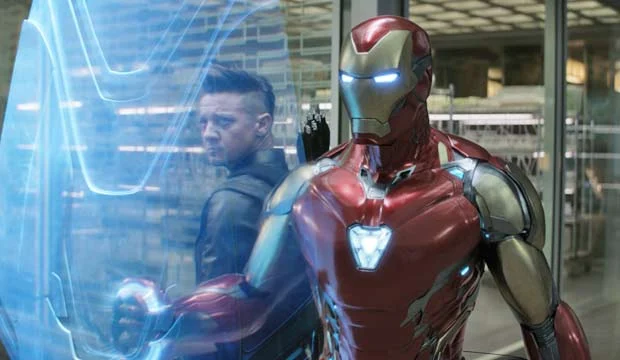
The theatrical rollout of Avengers: Endgame Encore was designed to be more than a nostalgic cash-grab; it serves as a calculated narrative bridge for the MCU’s unfolding Multiverse Saga. Running four minutes longer than its 2019 predecessor, Encore inserts four brand-new scenes captured during the concurrent production of Avengers: Doomsday.
Despite boasting newly shot visual effects sequences, high-profile cameos, and massive sound design updates, the Academy of Motion Picture Arts and Sciences has confirmed that the re-release is entirely ineligible for consideration at the 99th Academy Awards.
Under the Academy’s General Entry Rules, alternate, extended, or re-edited versions of previously exhibited completed works are disqualified. Because Avengers: Endgame exhausted its single theatrical qualifying run during its historic 2019 release, Encore cannot compete in any category—including Visual Effects and Sound, where industry observers might otherwise argue the new footage creates a fresh technical baseline.

Chronology: From the 2019 Phenomenon to the 2026 Re-Release
To understand the context of Avengers: Endgame Encore, it is necessary to trace the timeline of the Marvel Cinematic Universe’s biggest milestones and its enduring history with Hollywood’s highest honors:
- April 2019: Avengers: Endgame opens to a staggering, record-shattering $357.1 million domestic debut, ultimately climbing to a lifetime worldwide gross of $2.88 billion—making it the second-highest-grossing film in cinema history behind James Cameron’s Avatar.
- February 2020: At the 92nd Academy Awards, Endgame competes for a single Oscar—Best Visual Effects—ultimately losing to Sam Mendes’ World War I epic 1917.
- Summer 2026: Marvel Studios scores another massive box office triumph with Spider-Man: Brand New Day, which narrowly steals Endgame’s long-held domestic opening weekend record by pulling in $360 million.
- September 25, 2026: Avengers: Endgame Encore arrives in theaters nationwide, instantly topping the weekend box office charts and introducing four pivotal post-credits and narrative-altering scenes that directly set up Avengers: Doomsday.
- December 2026: Avengers: Doomsday is scheduled to hit theaters, capitalizing directly on the multi-versal incursions teased in the Encore cut.
Supporting Data: Box Office Might vs. Oscar Drought
While the theatrical landscape has shifted dramatically since 2019, Endgame continues to prove that its financial pull is virtually unmatched. The original release’s $2.88 billion global footprint remains a gold standard for studio filmmaking, even after Spider-Man: Brand New Day bested its domestic opening weekend record earlier this summer with a $360 million haul.
In stark contrast to its commercial triumphs, the MCU’s relationship with the Academy Awards remains a study in historic frustration, particularly within technical categories:
- 14: The number of consecutive Oscar nominations Marvel Studios has earned in the Best Visual Effects category, stretching all the way back to Jon Favreau’s foundational Iron Man in 2008.
- 0: The number of wins Marvel has secured in the Best Visual Effects category, marking one of the longest cold streaks for a dominant franchise in Oscar history.
- 27 & 4: Across the entirety of the MCU’s existence, Marvel Studios films have amassed 27 total Academy Award nominations, with all four of its historic wins coming exclusively from Ryan Coogler’s culturally transformative Black Panther films (Black Panther and Black Panther: Wakanda Forever).
Official Responses and Academy Rules
The strict enforcement of eligibility guidelines by the Academy of Motion Picture Arts and Sciences leaves zero wiggle room for studio maneuvers like Encore.
According to the official rules governing the 99th Oscars, each feature film is granted only one theatrical qualifying run, and the earliest commercial release date takes precedence. Films competing in the upcoming Oscar cycle must have their qualifying runs between January 1 and December 31, 2026. Because Endgame originally bowed in April 2019, it missed the window by nearly seven years.

Furthermore, the Academy’s explicit policy on alternate cuts reads: "Alternate or re-edited versions of completed works which have previously been publicly exhibited" are ineligible. This blanket disqualification applies universally to director’s cuts, extended editions, and anniversary re-releases, regardless of whether the newly incorporated material was filmed years later or features cutting-edge technology.
Implications: Building the Road to Doomsday
For fans who packed theaters over the weekend, the primary draw of Avengers: Endgame Encore wasn’t awards potential—it was the profound narrative expansion delivered in the film’s final moments. The four new sequences structurally reframe the conclusion of the Infinity Saga to directly service the impending Multiverse Saga:
- The Timeline Interruption: In the original film, Steve Rogers (Chris Evans) makes the poignant choice to stay in the past to live a quiet life with Peggy Carter (Hayley Atwell). Encore introduces a brief, jarring scene where Loki interrupts the couple’s quiet dance, desperately attempting to warn them about a fractured timeline.
- The TVA Emerges: A subsequent scene features Time Variance Authority agents Mobius (Owen Wilson), Casey (Eugene Cordero), Ouroboros (Ke Huy Quan), and Miss Minutes (Tara Strong). They are seen tracking a cascading series of system incursions—visual confirmation that the multiverse is collapsing inward, laying the structural groundwork for the integration of the Fantastic Four and 20th Century Fox’s legacy X-Men into the MCU for Doomsday.
- The Hulk vs. Doctor Doom: Set chronologically after the events of Spider-Man: Brand New Day, the third new scene shows Bruce Banner (Mark Ruffalo) violently transforming into the Hulk to confront Robert Downey Jr.’s incoming iteration of Doctor Doom.
- A New Iron Legacy: The original Endgame famously faded to black with the ghostly, reverberating sound of Tony Stark forging his Mark I helmet in a cave in 2008’s Iron Man. Encore subverts this emotional gut-punch by shifting the audio cue to Doctor Doom methodically hammering out his own armor, signaling a chilling ideological shift for the franchise’s overarching antagonist.
Ultimately, while Avengers: Endgame Encore will not find itself decorated with Academy gold come Oscar night, its triumphant return to the top of the box office proves that the MCU’s past and future are inextricably linked. By inviting audiences back to where the modern cinematic universe peaked, Marvel Studios has successfully reignited the theatrical engine just in time for the arrival of Doomsday.