New Voices, Sharp Lenses: The 2026 Film at Lincoln Center Critics Academy Takes Over The Film Comment Podcast
Main Facts
The intersection of emerging film criticism and avant-garde short filmmaking took center stage in the latest episode of The Film Comment Podcast. For the final installment of a two-week takeover, the prestigious Film at Lincoln Center (FLC) Critics Academy—an immersive annual program for up-and-coming film critics held in conjunction with the New York Film Festival (NYFF)—stepped behind the microphone to debate some of the most striking short films of the festival season.
Hosted by Film Comment editors and featuring four of the 2026 Academy’s brightest participants—Eliel Peterson, Brennan Ryan, Auhjanae McGee, and Brian O’Connell—the discussion centered around the thematic and formal ambitions found within the festival’s Spotlight Shorts and New York Shorts programs.
At the heart of the critics’ lively debate were three distinct, highly anticipated short works:
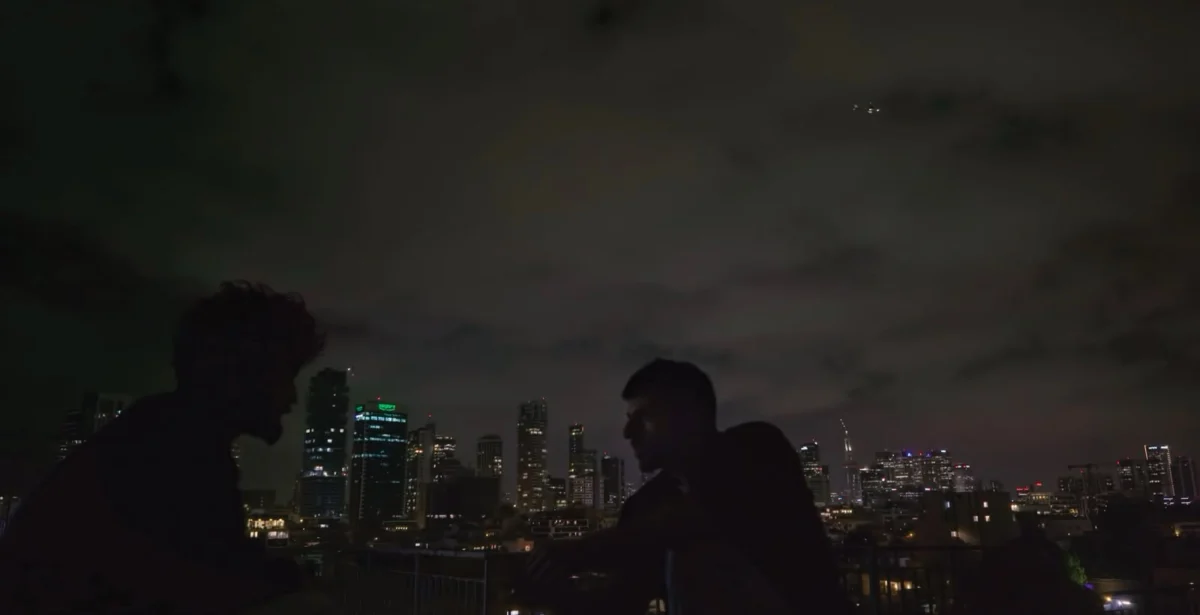
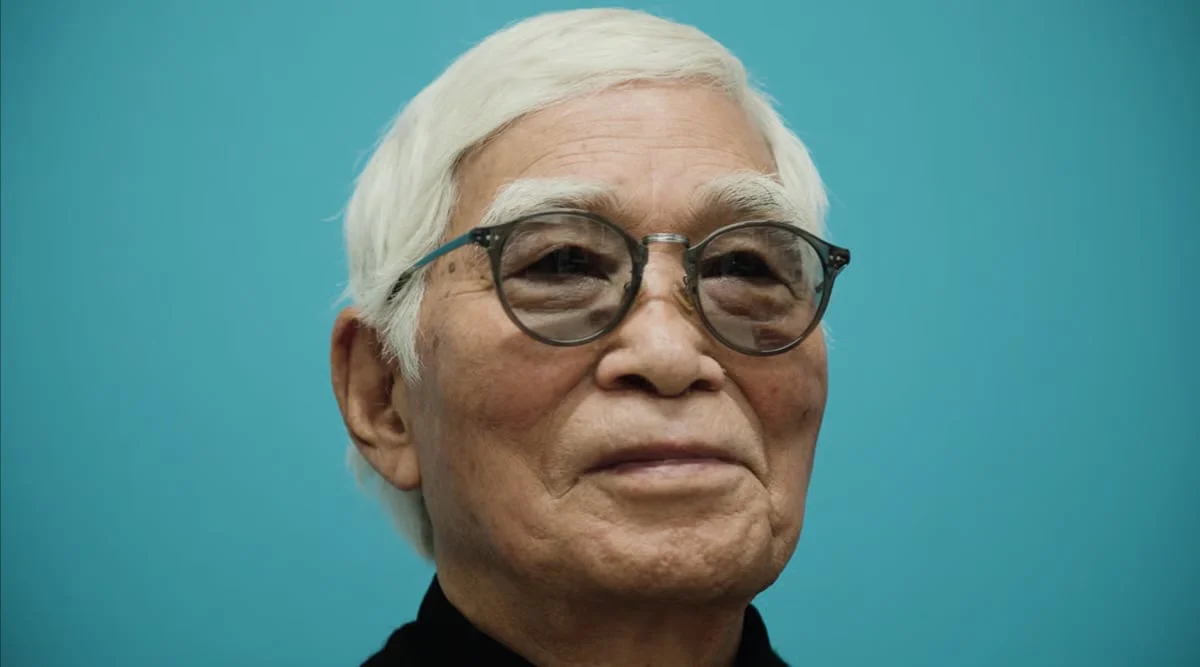
- Masao Adachi Takes a Passport Photo directed by Kamal Aljafari
- A Stolen Movie directed by Camilo Restrepo
- ee directed by Heather Landsman
This collaborative podcast episode, featured as part of the Fall 2026 issue of Film Comment, highlights not only the critical acumen of the next generation of cinematic thinkers but also the enduring vitality of the short film format as a canvas for radical political, formal, and personal expression.
Chronology: The Evolution of the Critics Academy and the 2026 NYFF Shorts
The Lead-Up to the Festival
The groundwork for this year’s podcast takeover was laid months in advance during the selection process for the 2026 Film at Lincoln Center Critics Academy. Designed to nurture diverse, rigorous, and passionate voices in contemporary film writing, the Academy selects a cohort of promising young critics to participate in intensive workshops, mentorship sessions, and panel discussions led by the editorial staff of Film Comment and other leading industry veterans during the New York Film Festival.
The Festival Showcase (Fall 2026)
As the New York Film Festival unfurled its expansive slate, the Spotlight Shorts and New York Shorts programs quickly emerged as critical darlings. Far from being mere "warm-up acts" for feature-length narratives, the short films selected for 2026 pushed aesthetic and conceptual boundaries, drawing packed houses and sparking intense debate in the press screening rooms.
The Podcast Takeover (October 2026)
In a tradition that bridges the gap between professional film journalism and academic mentorship, Film Comment handed over the keys to its flagship podcast for a two-week residency. The culmination of this takeover arrived with the panel featuring Peterson, Ryan, McGee, and O’Connell. The quartet sat down to dissect the cinematic DNA of the festival’s standout shorts, devoting substantial airtime to Aljafari’s politically charged portrait, Restrepo’s archival intervention, and Landsman’s formal experiment.
Supporting Data and Context: The Films and Filmmakers
To fully appreciate the discourse generated by the Critics Academy participants, one must examine the specific works under the microscope. Each of the three highlighted shorts represents a unique corner of contemporary global and independent filmmaking.
1. Masao Adachi Takes a Passport Photo (Kamal Aljafari, 2026)
- The Subject: Masao Adachi is a legendary figure in Japanese cinema—a radical screenwriter, director associated with the Japanese New Wave (often linked with the Pinku eiga genre and the political radicalism of the Wakamatsu Production company), and a former member of the Japanese Red Army who spent decades in exile in Lebanon.
- The Approach: Directed by Palestinian filmmaker Kamal Aljafari (known for archival excavation works like Recollection and An Unusual Summer), the short captures a quiet, laden moment in the life of a titan of political cinema.
- Critical Reception: The FLC critics discussed how Aljafari uses simplicity and directness to frame a man whose life has been defined by geopolitical upheaval, surveillance, and militant aesthetics.
2. A Stolen Movie (Camilo Restrepo, 2026)
- The Director: Camilo Restrepo, celebrated for visually arresting and politically incisive works like Los Conductos and various experimental shorts, continues his interrogation of images, power, and ownership.
- The Premise: True to its provocative title, A Stolen Movie engages with questions of visual piracy, copyright, colonial histories, and the provenance of cinematic artifacts. Restrepo questions who truly "owns" a moving image and how acts of appropriation can reclaim or subvert dominant narratives.
- Critical Reception: The Critics Academy panel zeroed in on the film’s self-reflexive nature, debating whether the act of "stealing" an image constitutes an artistic crime or a necessary revolutionary gesture in an over-saturated media landscape.
3. ee (Heather Landsman, 2026)
- The Work: Representing the vibrant energy of the New York Shorts program, Heather Landsman’s ee offers a stark contrast to the historical and geopolitical weight of Aljafari and Restrepo’s films.
- The Focus: Landsman’s short leans heavily into textural abstraction, rhythm, and phenomenological viewing experiences, capturing the attention of critics eager to discuss contemporary American avant-garde tendencies.
Official Responses and Perspectives
The collaboration between Film Comment and the FLC Critics Academy has drawn widespread praise from cultural commentators, film programmers, and academic institutions alike.

Film Comment Editors on the Academy
In statements accompanying the rollout of the Fall 2026 issue, Film Comment editors emphasized the vital importance of injecting fresh, uncorrupted voices into the cinematic conversation.
"Film criticism often runs the risk of becoming an echo chamber of established tastes and institutional consensus," an editorial spokesperson noted. "The Critics Academy disrupts that cycle. By handing the microphone to Eliel Peterson, Brennan Ryan, Auhjanae McGee, and Brian O’Connell, we are not just offering mentorship; we are allowing the future of film discourse to aggressively and intelligently interrogate the present."
The Critics Speak: Inside the Panel
During the podcast, the four participants did not shy away from complex disagreements regarding form and intent.
- Auhjanae McGee highlighted the emotional resonance embedded within historical footage, noting how contemporary shorts use fragments of the past to speak directly to present-day anxieties.
- Brennan Ryan and Eliel Peterson focused heavily on the mechanics of transnational filmmaking, contrasting the structural rigor of Aljafari’s portraiture with the insurgent editing styles found in Restrepo’s work.
- Brian O’Connell brought the conversation back to the sensory experience of viewing shorts in a theatrical environment, emphasizing how works like Heather Landsman’s ee demand a recalibration of how audiences process rhythm and sound.
Implications: The Future of Film Criticism and Short Cinema
The lively debates featured on this milestone episode of The Film Comment Podcast point to two major trajectories in the contemporary film landscape: the shifting landscape of cultural criticism and the renaissance of the short film format.
1. Democratizing and Reinvigorating Film Criticism
As traditional print journalism continues to contract, programs like the Film at Lincoln Center Critics Academy serve as critical incubators. They ensure that the next wave of writers possesses not only a deep historical understanding of cinema but also the vocabulary to articulate the formal shifts defining 21st-century filmmaking. By utilizing audio platforms like podcasts, these young critics are meeting modern audiences where they are, translating dense theoretical debates into engaging, accessible, and passionate discourse.
2. The Rising Status of the Short Film
For decades, the short film was treated by major festivals and commercial distributors as a commercial afterthought—a calling card for filmmakers hoping to secure financing for a feature. However, as demonstrated by the 2026 NYFF Spotlight and New York programs, shorts are increasingly operating as self-contained masterpieces. Directors like Kamal Aljafari and Camilo Restrepo prove that monumental political and aesthetic statements do not require a 120-minute runtime. Instead, the short film format encourages formal daring, economic storytelling, and immediate experimentation.
Conclusion
As the Fall 2026 issue of Film Comment circulates and the echoes of the New York Film Festival begin to settle, the contributions of Eliel Peterson, Brennan Ryan, Auhjanae McGee, and Brian O’Connell stand as a testament to the health of both film art and film criticism. For listeners eager to dive deeper into the cinematic underground, the episode offers a masterclass in how to look, listen, and argue passionately about the moving image.
Listeners can access the full episode on The Film Comment Podcast feed, and read related essays in the Fall 2026 issue of Film Comment, available now.