The Unsung Hero: Why ‘Panji Tengkorak’ Deserves a Second Look Amidst Indonesia’s Animation Struggle
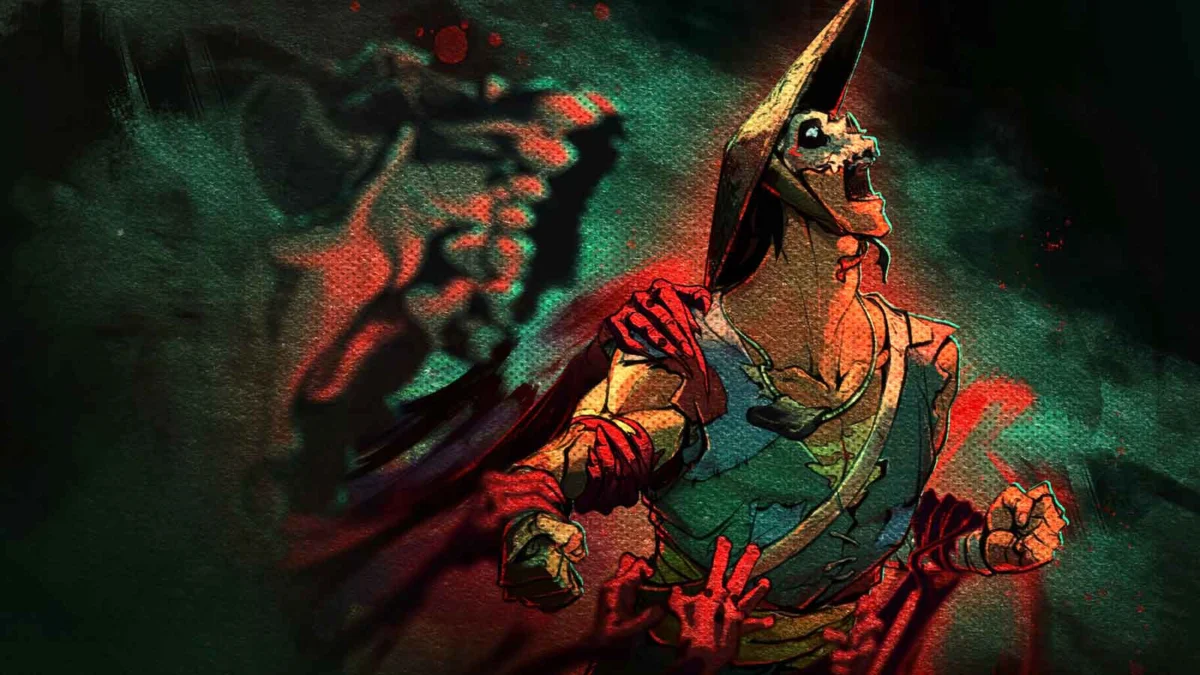
In the landscape of Indonesian cinema, few figures are as legendary as Panji Tengkorak. Originally birthed from the pen of Hans Jaladara in 1968, the skull-masked anti-hero has traversed decades—from comic books to radio dramas, and from live-action cult classics in the 70s and 80s to television serials in the 90s. Yet, the 2025 animated feature directed by Daryl Wilson, released on August 28, 2025, faced a fate few anticipated: it vanished from theaters in less than a month, struggling to surpass 17,000 admissions.
This commercial underperformance stands in stark contrast to the recent successes of Indonesian animation like Jumbo, yet it highlights a complex web of external factors, socio-political timing, and the ongoing struggle to define a distinct Indonesian visual identity in a market saturated by global juggernauts.
The Perfect Storm: Why the Numbers Fell Short
The failure of Panji Tengkorak to find a mass audience was not necessarily a reflection of its quality, but rather the result of a "perfect storm" of unfortunate timing.
1. The Shadow of Civil Unrest
The film’s premiere coincided with a period of intense national upheaval. As Panji Tengkorak hit screens, Indonesia was gripped by massive protests against legislative overreach. The atmosphere was somber and volatile, epitomized by the tragic death of activist Affan Kurniawan during the demonstrations. In such a climate, the public’s appetite for escapist entertainment was significantly dampened; the cinema was the last place on the minds of a citizenry focused on the streets.
2. The Dominance of Global Giants
The industry landscape was simultaneously dominated by the juggernaut Demon Slayer: Infinity Castle. Released on August 15, the Japanese animated epic commanded an astounding 461,000 viewers on its opening day, reaching 2.2 million in just 72 hours. By the time Panji Tengkorak premiered two weeks later, the market was still heavily skewed toward the established power of the Demon Slayer franchise, leaving little oxygen for local productions to breathe.
A Legacy Reimagined: The Anti-Hero in Modern Context
The film, produced by Falcon Pictures, serves as a bridge between the nostalgic reverence of the older generation—who remember the character’s dark, mystical roots—and a new generation of viewers.
The Narrative Arc
Director Daryl Wilson and writers Theo Arnoldy and Agung Prasetiarso faced the daunting task of condensing decades of lore into a 94-minute runtime. The narrative remains faithful to the core: Panji, a skilled fighter, seeks vengeance for his murdered lover, Murni. His journey is one of darkness; he becomes a master of black magic, cursed with immortality.
What makes the film compelling is its commitment to the anti-hero archetype. Panji is not a beacon of morality. He is selfish, cynical, and motivated purely by personal vendetta. In an era where audiences are increasingly familiar with complex characters like Marvel’s Deadpool or Thunderbolts, Panji fits right into the modern zeitgeist. However, the film occasionally falters by forcing a "redemption" arc, where Panji shows mercy to his antagonist, Bramantya—a choice that feels at odds with the gritty, nihilistic foundation of the character.
The Power of the "Gosip": An Anthropological Study in Animation
One of the most intriguing elements of Panji Tengkorak is its integration of gosip (gossip) as a narrative device. Through the character of Kuwuk, a cowardly soldier who spreads tales in local warungs (food stalls), the film utilizes gossip as a tool of social resistance.
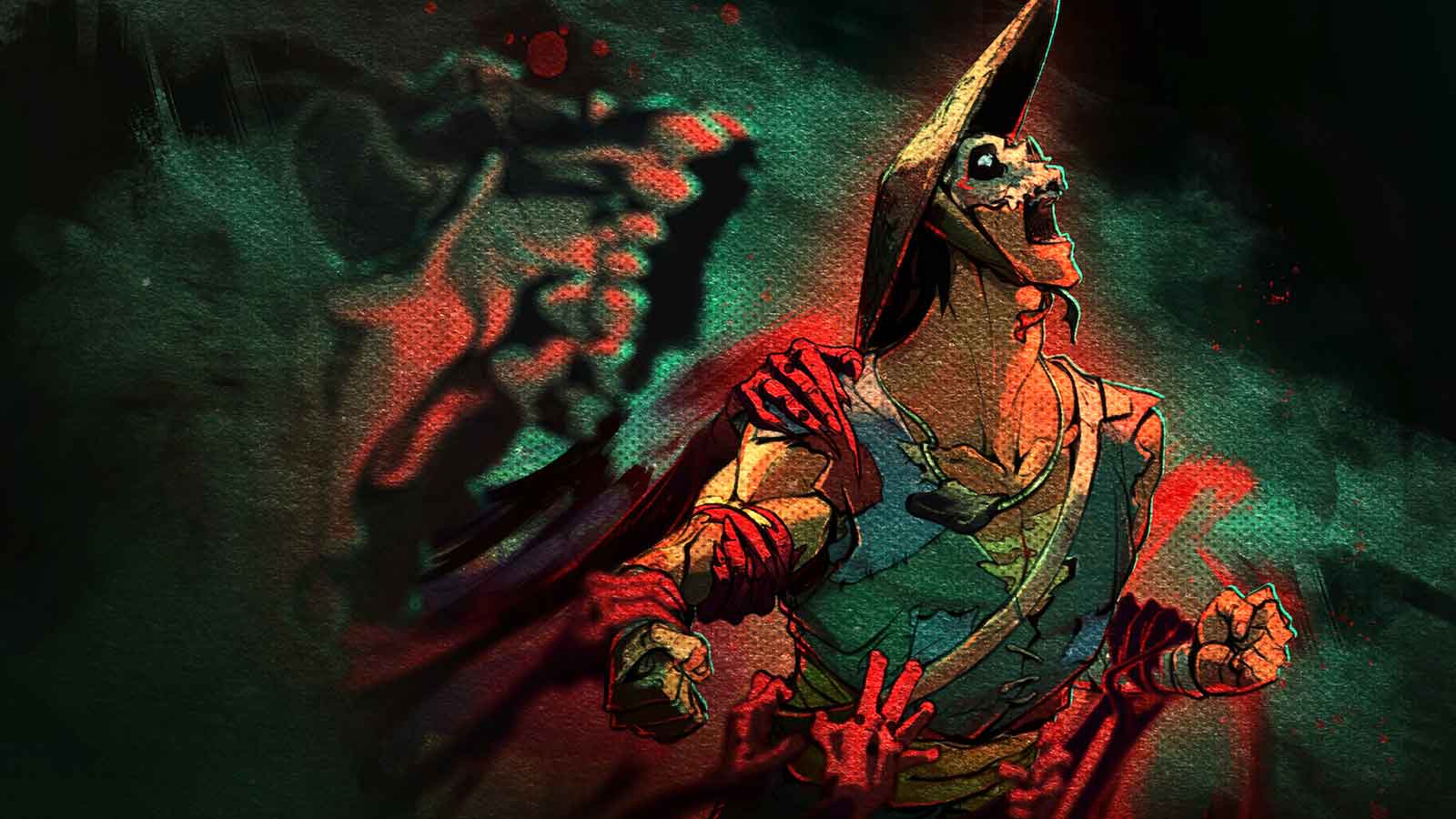
Drawing from James C. Scott’s Weapons of the Weak and Niko Besnier’s Gossip and the Everyday Production of Politics, we see that gossip is not mere filler. It is a fundamental mechanism of power. In the film, Kuwuk’s storytelling elevates Panji to the status of a legend, turning a man of flesh and blood into a mythic, terrifying specter of the South. This reflects the reality of Indonesian social life, where oral traditions and the "grapevine" dictate public perception more effectively than formal decrees. It is a stroke of brilliance that grounds the high-fantasy elements in a distinctly Indonesian reality.
The Struggle for a Distinct Visual Identity
A recurring debate surrounding Indonesian animation is the search for a unique "voice." Are we merely copying the styles of Disney, Studio Ghibli, or Upin & Ipin?
The 2D vs. 3D Dichotomy
Panji Tengkorak utilizes 2D animation, a choice that distinguishes it from the 3D-heavy Jumbo. While comparisons to Avatar: The Last Airbender were inevitable—and even acknowledged by voice actors like Denny Sumargo—this comparison is a double-edged sword.
While Avatar is a masterpiece, its reliance on Asian cultural motifs through a Western lens often draws criticism. Panji Tengkorak, conversely, attempts a decolonial approach. By embedding local architecture, attire, and behavioral nuances—like the aforementioned gossip culture—the film creates a visual vocabulary that feels authentic to the Indonesian experience. The detail in the 2D animation, the result of 250 creators’ labor over a year, deserves recognition for its technical prowess, even if the industry as a whole is still searching for its definitive stylistic signature.
Critical Reflections and Future Implications
Despite the film’s lackluster box office performance, it holds a mirror to the current state of the Indonesian animation industry. The challenges faced by Panji Tengkorak suggest several critical takeaways for future productions:
- Strategic Scheduling: The necessity of avoiding competition with global blockbusters and sensitive political windows is clear.
- Narrative Integrity: While adapting classic IP, the industry must be careful not to dilute the "anti-hero" nature of characters to satisfy mainstream sensibilities. The audience is ready for darker, more complex stories.
- The Need for "Vernacular" Animation: The industry must move beyond aesthetic mimicry. True innovation lies in "decolonizing" the visuals—choosing stories and styles that reflect the Global South, rather than catering to Western or East Asian aesthetic expectations.
Conclusion: A Call to Revisit
It is a tragedy that Panji Tengkorak was pulled from theaters so prematurely. It is a film that, despite its flaws in sound mixing (the misuse of the song Bunga Terakhir being a notable grievance) and pacing, offers a genuine attempt at crafting a local hero who is flawed, human, and deeply connected to our cultural DNA.
As we look toward the future of Indonesian animation, we should take a leaf out of the book of the film’s character, Kuwuk: we must keep talking about it. We must share the story of the warrior from the South. Panji Tengkorak deserves more than a footnote in history; it deserves to be remembered as a bold, if imperfect, step toward a more mature and authentic Indonesian cinematic identity.
Film Metadata:
- Panji Tengkorak (2025)
- Duration: 118 minutes (Total runtime including credits/extras)
- Director: Daryl Wilson
- Screenplay: Theo Arnoldy, Hans Djaladara, Agung Prasetiarso
- Production: Falcon Pictures, Kumata Animation Studio
- Cast: Denny Sumargo, Donny Damara, Cok Simbara, Aghniny Haque, Tanta Ginting, Aisha Nurra Datau, Donny Alamsyah, Pritt Timothy, Revaldo, Candra Mukti