Finding Identity on the Edge of Empires: Xavier Tera and Jeremy O. Harris on the Venice Breakout The Color of the Sun
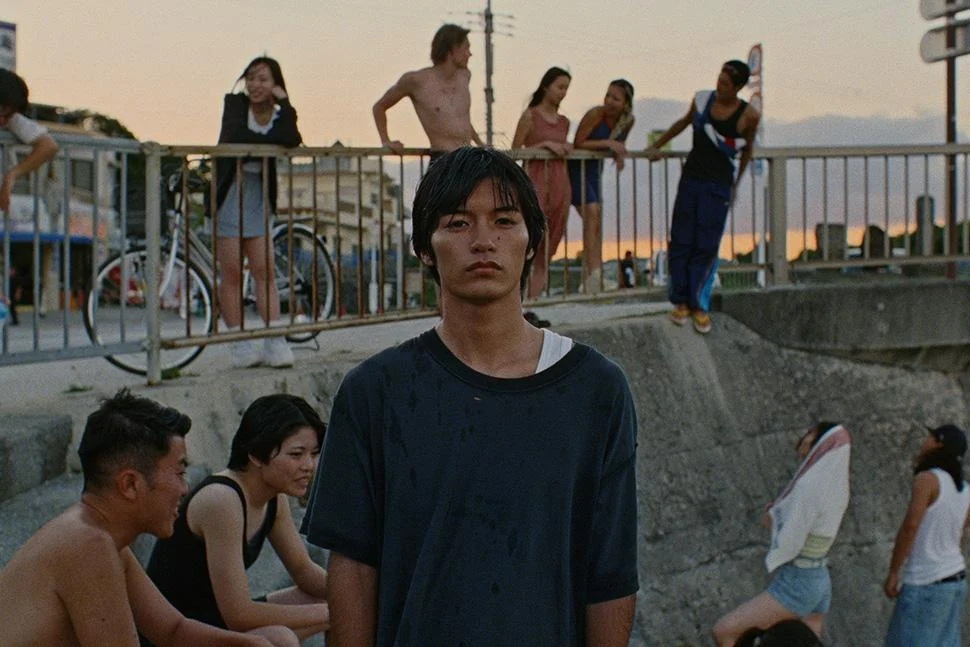
Though its narrative unfolds against the sun-bleached landscapes and deep cultural complexities of Okinawa—an island chain sitting at Japan’s southernmost border—The Color of the Sun is a coming-of-age film of truly global scale. Directed by photographer-turned-filmmaker Xavier Tera, the feature took home the prestigious FIPRESCI International Critics’ Prize for Best Film in the Orizzonti section at its world premiere.
The film is far more than a localized regional drama; it serves as a cinematic prism reflecting the complicated nuances of Tera’s own Québecois upbringing, set against the backdrop of the decade he has spent living and working across East Asia.
Sitting down for drinks in the lush courtyard of the Residenza d’Epoca Albergo Quattro Fontane, just steps away from the bustling base of the Venice Film Festival, Tera unpacked the deeply personal roots that birthed the project.
"I grew up in a very strictly French-speaking household in a country where most people speak English, and that reason is obviously because France was the first colonizer to Canada," Tera told IndieWire. "I grew up always questioning this idea of identity and what French represented within North America or within Canada, but also what it meant to be that person who felt overlooked by the English. But we were colonizers first, so we also took the land of Indigenous people in Canada."
This acute awareness of marginalization, imperial histories, and fractured belonging forms the thematic backbone of The Color of the Sun.

Main Facts: A Transnational Labor of Love
- The Film: The Color of the Sun, a feature-length debut directed by Xavier Tera.
- Accolades: Won the FIPRESCI International Critics’ Prize for Best Film from the Orizzonti section at the Venice Film Festival.
- The Setting: Okinawa, Japan—focusing on the island’s distinct cultural heritage, the Indigenous Ryukyu population, and the heavy shadow of the American military presence.
- Key Creative Forces: Directed by Xavier Tera; produced by Jeremy O. Harris and Josh Godfrey (via production banner bb2), alongside longtime producing partner Janie Chartier and producer Stella Savino.
- Cinematography: Shot by acclaimed cinematographer Sayombhu Mukdeeprom (Call Me by Your Name, Challengers).
- Cast: Led by newcomer Naoto Shimajiri as Kamei.
Chronology: From Concept to the Venice Red Carpet
The journey of The Color of the Sun from a fledgling idea to an award-winning festival darling is a masterclass in resilience, cross-cultural collaboration, and strategic production.
Phase 1: The Seeds of Production
Xavier Tera spent a decade establishing himself as a commercial photographer and director in Japan, working closely with business and life partner Janie Chartier under their Twin Brains banner. When Tera decided to transition to narrative filmmaking, he found himself drawn to stories that traditional Japanese cinema was often hesitant to tell—specifically, stories addressing the intersections of modern youth culture, queer identity, and foreign occupation.
Phase 2: Overcoming Adversity on Set
The production phase was fraught with logistical nightmares. From operating on a remarkably tight, independent budget to losing the head of their local production team right before principal photography began, the team faced mounting crises. Tera admits there were moments of despair where he questioned if the film could survive. However, Chartier’s unyielding determination—even amid emotional breakdowns and late-night creative standoffs—kept the production alive.
Phase 3: Securing the Master Cinematographer
A major turning point for the production was securing legendary cinematographer Sayombhu Mukdeeprom. Brought into the fold initially through producer Stella Savino—who had a working relationship with the DP—Mukdeeprom jumped on board while between massive projects, including work with Frank Ocean and Thai auteur Apichatpong Weerasethakul. Mukdeeprom’s involvement elevated the film’s visual language, trading traditional script breakdowns for discussions on energy levels, Zen Buddhism, and emotional resonance.
Phase 4: Festival Success and Distribution
Following its triumphant debut at the Venice Film Festival, The Color of the Sun secured early distribution deals in its co-producing countries—Canada and Italy—as well as in Japan. While it continues to seek a dedicated U.S. home, industry insiders anticipate swift pickup given its critical acclaim and timely thematic resonance.

Supporting Data: Production and Cultural Context
To understand the weight of The Color of the Sun, one must examine the geopolitical and cultural sandbox in which it plays. Okinawa’s indigenous population, the Ryukyu people, have a distinct heritage and were only formally annexed by Japan in the 19th century.
Furthermore, the island has hosted a massive American military presence since the end of World War II. For a Canadian director rooted in French-Canadian identity politics, this created a unique lens of objective empathy.
"I’m definitely depicting a reality for these people that I’ve met in Okinawa in relation with Japan, but also with the American military that is set there," Tera explained. "So I feel like I have a form of objectivity by being not American, not Japanese, and not Okinawan, but still relating deeply to the identity themes."
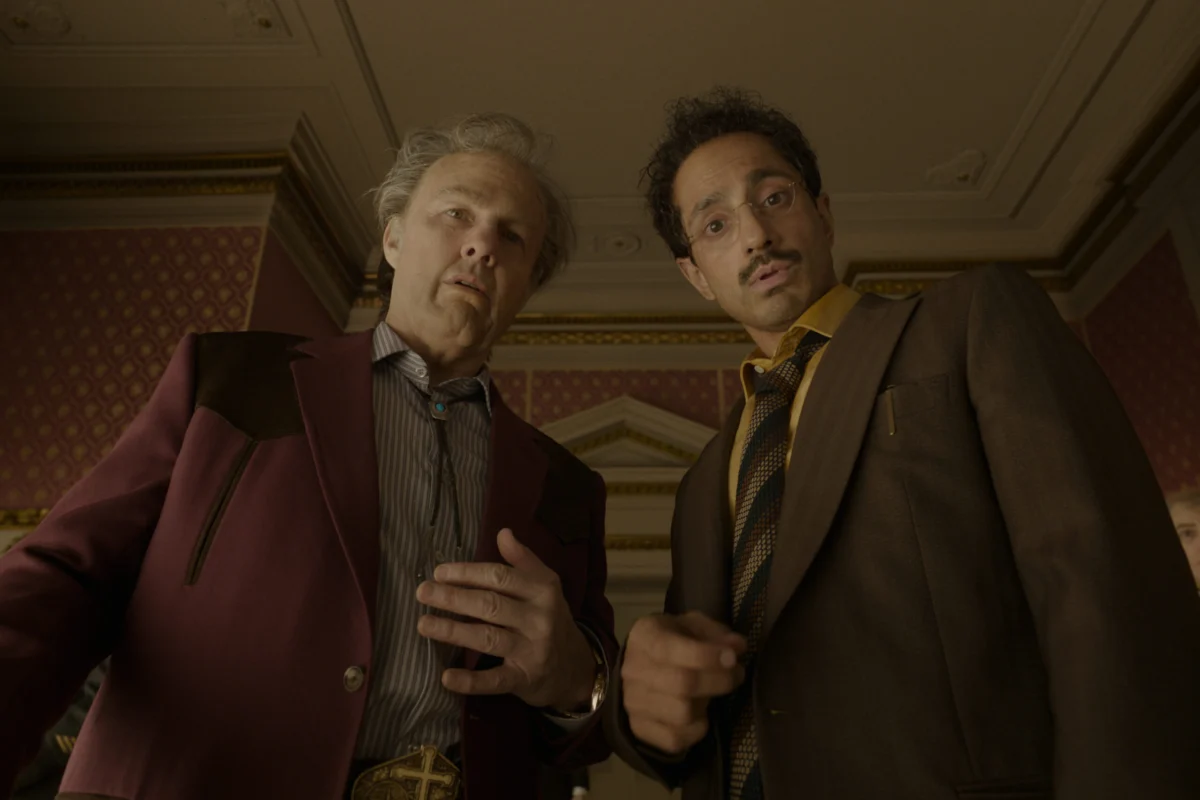
Tony-nominated playwright and producer Jeremy O. Harris, whose production company bb2 stepped in to help champion and shepherd the film, noted how conventional Hollywood thinking would have tried to sanitize or alter Tera’s vision.
"Most people heard that [Tera] was doing this queer fucking coming-of-age movie where 90 percent of the dialogue is in Japanese, and then it takes place around an American base, and they were like, ‘Wait, what?’" Harris recalled. "Most people would’ve told him, ‘Well, you’re white, you’re Canadian, so it’s basically American. Flip it and make the main character the white boy.’ That would’ve made a much more financially viable movie."

Instead, Harris fought to protect the authenticity of Tera’s vision, ensuring that the emotional core remained tied to the protagonist, Kamei (played with vulnerable precision by newcomer Naoto Shimajiri).
Official Responses and Creative Insights
The collaborative energy behind The Color of the Sun relied heavily on bridging generational, cultural, and professional boundaries.
Producer Stella Savino emphasized the deliberate choice to back a debut feature rooted in intersectional perspectives: "As a producer, I am deeply committed to debut features, and the coming-of-age genre has always been a core interest of mine. Beyond that, I was highly drawn to the prospect of collaborating with a young female producer who was coming from a completely different background. I found the challenge of merging such a rich melting pot of cultures, experiences, and generations incredibly compelling."
For Jeremy O. Harris, whose development deal with HBO wrapped with more shelved concepts than completed projects, producing The Color of the Sun was a liberating education in translation and advocacy.
"The thing that was most frustrating about my early career is that I don’t think I always had people who were really translating properly for me, and therefore a lot of things didn’t manifest," Harris said. "That’s my greatest skill as a producer: directors and I can really speak a similar language, and then I can take that language and explain what they’re saying to people in an interview, and also to finance people, in a way that really connects to their heart and soul."

Director Xavier Tera noted that Kamei’s internal struggles—navigating sexuality, identity, and toxic ideals of masculinity—are universal yet magnified by the hyper-masculine posture of military and political powers dominating the global stage.
"‘Am I gay? Am I straight? What is this, and what does that mean?’ That’s just a normal question that every kid is going through," Tera said. "And it’s a question even more so with just the idea of masculinity and seeing people in power right now that represent this hyper, really dangerous side of masculinity. These people are not men to me, and that doesn’t relate to masculinity in a way that I feel masculinity is for me, even if I’m straight."
Implications: What The Color of the Sun Means for Indie Cinema
The breakout success of The Color of the Sun carries several vital implications for the future of independent and international filmmaking:
- The Rise of Borderless Storytelling: Tera’s film proves that a director does not need to share ethnic or national roots with their subjects to tell an empathetic, culturally resonant story, provided they approach the material with deep listening and observational objectivity.
- A Blueprint for Producer Advocacy: Jeremy O. Harris’s work through bb2 highlights a shifting paradigm in producing—one where high-profile creators use their capital and platform to shield daring, non-traditional auteur projects from studio homogenization.
- Appetite for Anti-Formulaic Youth Cinema: As international distributors look past traditional Hollywood formulas bloated with star-studded casts, films like The Color of the Sun—which center fresh faces, localized political tensions, and sensory visual storytelling—demonstrate high viability among younger, globally minded audiences.
Looking Ahead
With The Color of the Sun locked in for distribution in Canada, Italy, and Japan, Tera and his creative circle are already plotting their next moves. Tera is currently developing a much rawergit-and-grime project set in Tokyo’s Roppongi nightlife—envisioned as a high-intensity, multi-ethnic thriller akin to Uncut Gems—while Harris continues championing international debuts. Furthermore, the team still holds close plans to adapt Sayaka Murata’s celebrated novel Earthlings, a book Tera passionately hands out to modern stars like Zendaya and Ayo Edebiri.
For now, The Color of the Sun stands as a brilliant monument to what can be achieved when cross-cultural perspectives, uncompromising artistic vision, and fierce producer advocacy collide.