The Great Cinematic Resurgence: How Hollywood Finally Reclaimed the Zeitgeist
For the better part of four years, the conversation surrounding the theatrical film industry has been dominated by a singular, suffocating narrative: decline. From the initial shock of the COVID-19 pandemic to the debilitating dual strikes of 2023, the “death of the cinema” was a recurring headline that industry analysts and casual moviegoers alike had come to accept as gospel. However, as of mid-2026, the wind has shifted. A robust, vibrant summer box office has defied the skeptics, signaling not just a recovery, but a fundamental evolution in what audiences want to see on the big screen.
In the latest episode of the Daily Variety podcast, executive editor Brent Lang sat down to unpack the comprehensive report he and colleague Rebecca Rubin authored regarding this summer’s box office turnaround. The report, which draws on insights from the industry’s most powerful architects, offers a roadmap for how Hollywood can sustain this momentum—and why the era of the “standard” blockbuster may be giving way to something far more unpredictable.
The State of the Industry: A Shift in Sentiment
The most striking takeaway from Lang’s investigation is the palpable sense of optimism currently permeating the executive suites at Sony, Disney, and Paramount. For a long time, the industry was mired in a cycle of pessimism, fueled by a shrinking slate of films and a perceived lack of connection with younger demographics.
"The most surprising thing was just the sense of optimism that we heard from people because it’s been missing really since COVID," Lang noted during the podcast. "There’s been just so much pessimism about the health of Hollywood in general, but in particular the theatrical movie business."
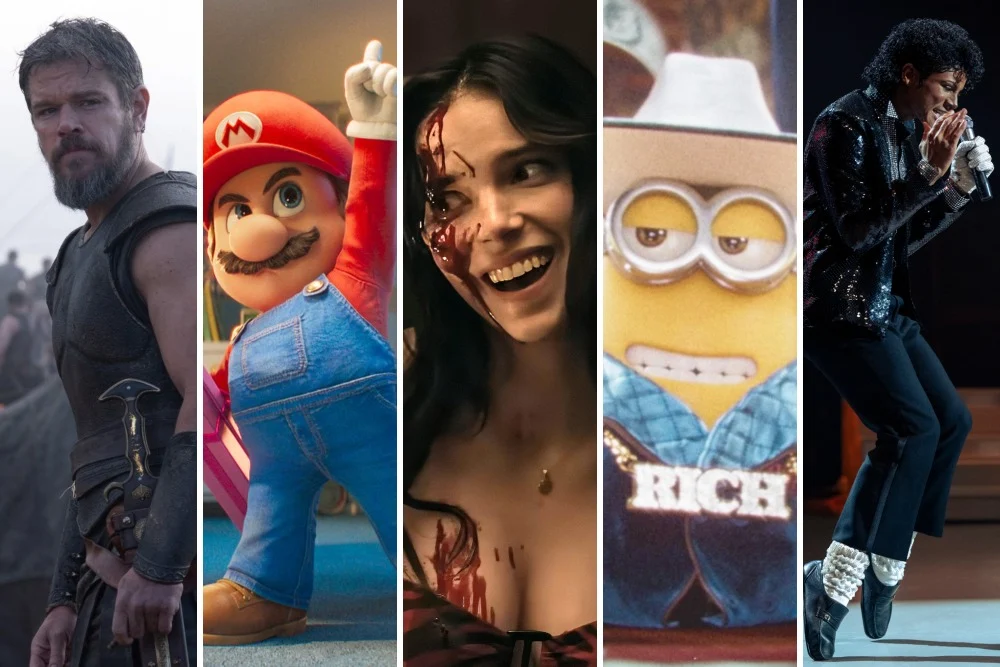
This newfound confidence isn’t based on blind hope; it’s rooted in data. The sheer volume of films reaching theaters has finally stabilized following the production droughts caused by the labor disputes of 2023. More importantly, the nature of the successful films has shifted. Audiences are no longer tethered to the infinite conveyor belt of superhero franchises. Instead, they are gravitating toward unconventional hits—films like Michael, Obsession, Backrooms, and Project Hail Mary. This shift suggests that the theatrical experience is once again defining the cultural zeitgeist rather than merely chasing it.
Chronology of a Rebound: From Pandemic to Premiere
To understand the current surge, one must look back at the trajectory of the last 36 months.
- 2020–2022: The Survival Phase: The industry focused on simple survival. Theaters closed, release schedules were decimated, and the rise of premium video-on-demand (PVOD) created an existential crisis for the theatrical window.
- 2023: The Strike Bottleneck: Just as audiences were returning to cinemas, the WGA and SAG-AFTRA strikes brought production to a standstill. The resulting gap in the release calendar left exhibitors starved for high-quality content.
- Early 2024–2025: The Stabilization Period: Studios began navigating a post-strike landscape, focusing on re-establishing the theatrical habit among audiences who had grown accustomed to the convenience of streaming at home.
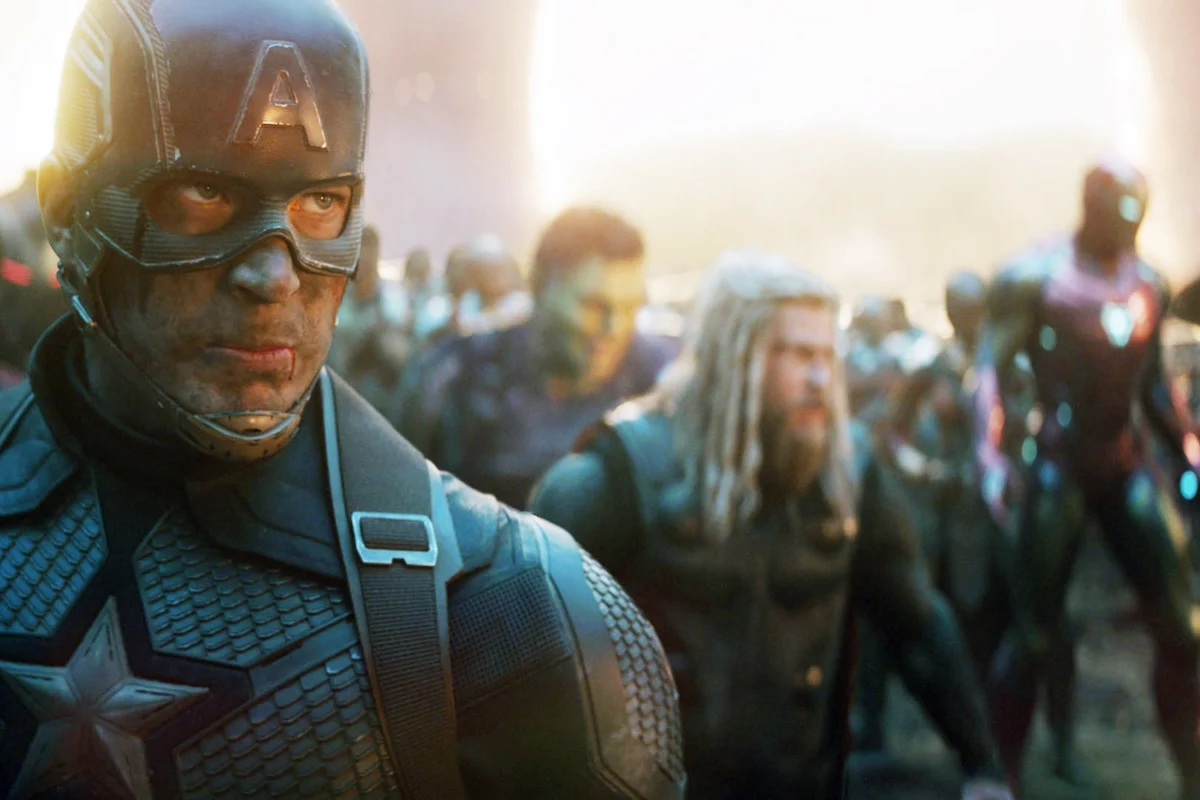
- Summer 2026: The Breakout: The current season has served as a proof-of-concept for the industry. A diverse slate of films—ranging from high-concept sci-fi to character-driven biopics—has proven that theatrical exclusivity still holds immense value for the right product.
Data-Driven Optimism: What the Numbers Say
The "Good, the Bad and the Meh" of the 2026 box office tells a nuanced story. While legacy franchises still perform, the margin for error has shrunk. Data indicates that audiences are being more selective, opting for films that offer a "theatrical-first" experience. Whether it is the immersive soundscapes of an epic like Christopher Nolan’s The Odyssey or the communal, high-tension thrills of a horror hit, the market is rewarding films that demand to be seen on a 50-foot screen.
Industry leaders like Sony’s Tom Rothman and Disney’s Alan Bergman are taking note of this shift. The focus has moved away from "content volume" and toward "cultural impact." When a film like Project Hail Mary resonates, it creates a multiplier effect, drawing viewers back into the habit of frequenting their local multiplex.
Official Responses: Insights from the Architects of Cinema
The Variety report is bolstered by candid conversations with the most influential figures in film distribution. These leaders are no longer looking to replicate the box office metrics of 2019; they are looking to build a sustainable model for the 2030s.
Josh Greenstein, representing the strategy at Paramount, echoes the sentiment that the "superhero fatigue" narrative has finally manifested in ticket sales. This has opened the door for studios to take more modestly budgeted bets on a wider range of genres. The industry is realizing that the "mid-budget" movie—the adult drama, the R-rated comedy, and the original thriller—is not dead; it was simply sidelined during the rush to build massive cinematic universes.
Implications for the Future: Comedy and the New Star System
As the industry looks ahead, Lang points toward two major areas for growth: the return of comedy and the evolution of the "movie star."
The Comedy Comeback
For years, the theatrical comedy was declared a casualty of the streaming era. However, Lang suggests that the success of films like Scary Movie indicates that the desire to laugh in a communal setting remains as potent as ever. "I think comedy is going to come back," Lang states. "I’m not quite sure why it hasn’t yet, but I think the success of Scary Movie shows that there’s still an audience for that. We like to get scared together. We like to laugh together."
The Democratization of Stardom
Perhaps the most intriguing prediction involves the origin of the next generation of box office draws. The traditional studio-system star-making machine has been replaced by the chaotic, high-velocity influence of social media.
"I wouldn’t be surprised if comedy stars are also coming from YouTube, from TikTok, from social media, and not from comedy clubs like they did when I was a kid," Lang observes. This transition acknowledges that the definition of "fame" has changed. If a performer can command a massive, loyal audience on digital platforms, they can potentially translate that influence into theatrical ticket sales—provided the material is strong enough to justify the trip to the theater.
Conclusion: A New Chapter for the Silver Screen
The rebound of the summer 2026 box office is more than just a fluctuation in ticket sales; it is a recalibration of the relationship between the studio and the audience. By moving away from the assumption that audiences only want safe, formulaic content, Hollywood is reclaiming its role as a cultural gatekeeper.
The success of upcoming tentpoles like The Odyssey will be the final test of this summer’s momentum. If the audience turnout remains as strong as projected, it will cement the idea that cinema is not just a legacy medium, but a vital, evolving space for communal storytelling. For the first time in years, the industry is not just looking over its shoulder at the threat of extinction; it is looking ahead at the opportunity for reinvention.
For more in-depth analysis on the changing landscape of Hollywood, listen to the full episode of the Daily Variety podcast. You can find it on iHeartPodcasts, Apple Podcasts, the Variety YouTube channel, Amazon Music, Spotify, and all major podcast platforms.