Robert Pattinson’s True-Crime Thriller ‘Primetime’ Defies Expectations With $19.2 Million Domestic Debut
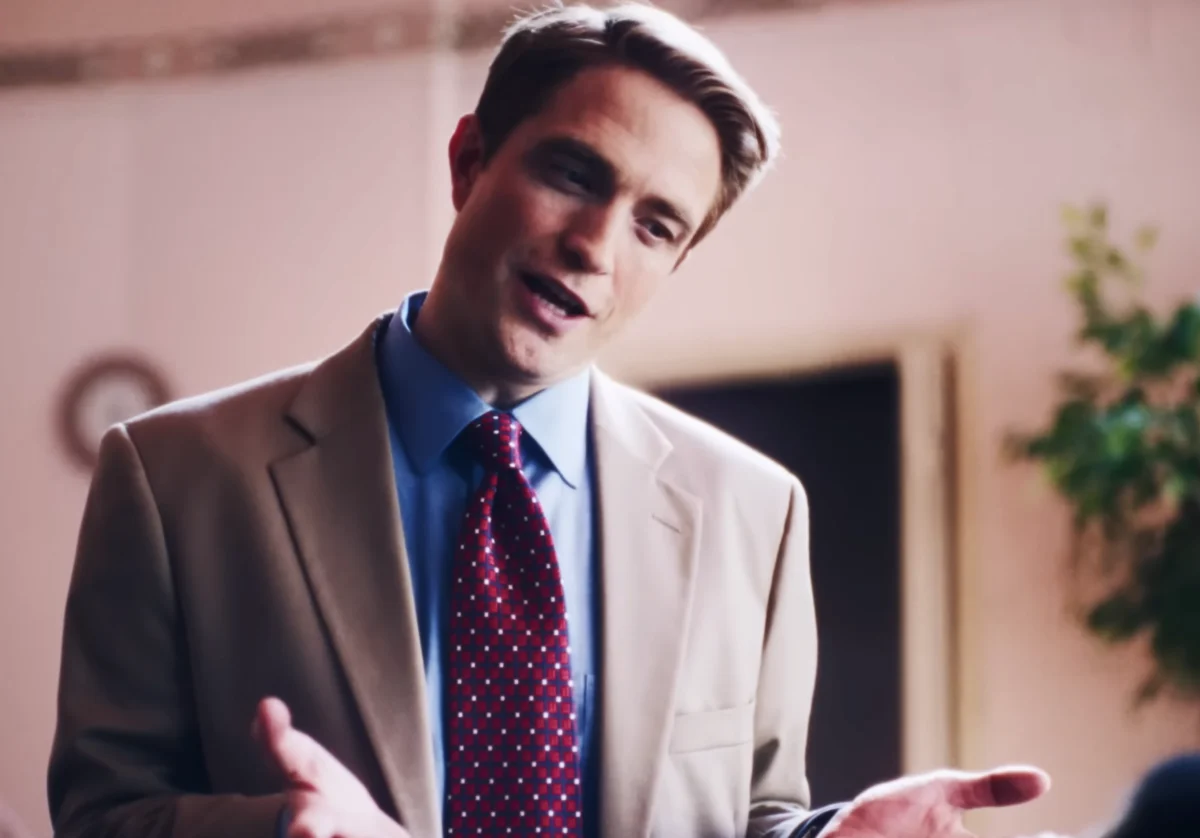
LOS ANGELES — A24 has done it again. The indie powerhouse studio behind some of the most culturally defining cinematic moments of the past decade has notched another major box-office victory with Primetime, a dark, true-crime thriller starring Robert Pattinson as legendary Dateline NBC journalist and To Catch a Predator host Chris Hansen.
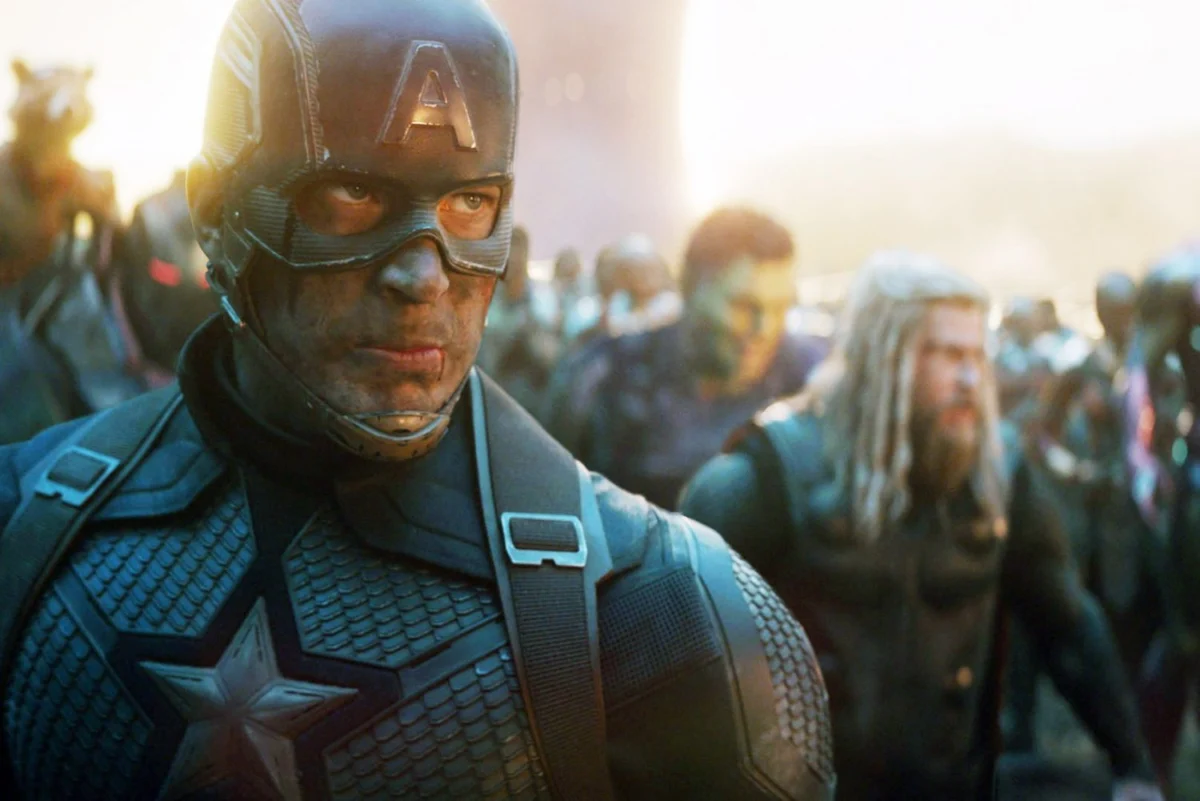
Despite pulling in a formidable $19.2 million across 2,863 North American theaters during its opening weekend, the film landed in fourth place on the domestic charts. It trailed behind a competitive, blockbuster-heavy slate that included Disney’s Avengers: Endgame Encore ($26 million), Sony’s Resident Evil reboot ($23 million), and Paramount’s wilderness adventure The Heart of the Beast ($20 million).
Yet, industry experts are calling Primetime an undisputed success. Produced on a lean $15 million budget, the film is already well-positioned to turn a profitable theatrical profit, cementing A24’s ongoing dominance in the modern cinematic landscape.
Main Facts: A Box Office Triumph for A24
The financial performance of Primetime is impressive on several fronts. Most notably, the picture marks the third-highest opening weekend in A24’s history. It sits behind only the studio’s sleeper summer hit Backrooms ($81.4 million) and Alex Garland’s 2024 dystopian drama Civil War ($25.5 million). Impressively, it edged out Josh Safdie and Timothée Chalamet’s 2025 ping-pong drama Marty Supreme, which opened to $15.7 million.
For Robert Pattinson, the film represents his second consecutive commercial win with A24. This follows the spring release of The Drama, a dark relationship dramedy co-starring Zendaya that opened to a solid $14.3 million domestically.
Directed by Lance Oppenheim, Primetime explores the intense, high-stakes production of To Catch a Predator, focusing on Hansen’s increasingly frantic attempts to confront child sexual predators in complex, televised sting operations. Critics have largely embraced the film, which holds an 87% approval rating on Rotten Tomatoes.
However, general audiences awarded the movie a mixed "B" grade on CinemaScore exit polls—a reaction that industry analysts say is hardly surprising given the intentionally unsettling and morally complex nature of the narrative.
"Considering the tough subject material, the audience score is good," says David A. Gross, who publishes the box office newsletter FranchiseRe. "This is a hit."
Chronology: From Venice Acclaim to Domestic Success
To understand how Primetime transitioned from a risky prestige indie into a box office event, one must trace its journey through the festival circuit and onto theater screens.
- Late August: Primetime makes its world premiere at the 82nd Venice Film Festival. Despite the historic festival being notoriously volatile for Hollywood releases, the film receives an enthusiastic, seven-minute standing ovation. With few major studio-backed rivals dominating the Italian festival’s Lido, the picture immediately becomes the talk of the event.
- Early September: Just days after the Venice premiere, director Lance Oppenheim drops a massive cultural surprise at the Telluride Film Festival. Alongside comedian Nathan Fielder, Oppenheim unveils a top-secret documentary titled YouCan See Everything, chronicling the rise and fall of Theranos founder Elizabeth Holmes. The dual-festival splash turns Oppenheim into an overnight industry darling, driving massive pre-release awareness to Primetime.
- Mid-September: The marketing machine kicks into high gear. While A24 rolls out a targeted, social-media-heavy promotional campaign, real-life journalist Chris Hansen inadvertently assists with a secondary publicity blitz by openly criticizing the film in various media outlets.
- Opening Weekend: Primetime officially opens in 2,863 North American theaters, grossing $19.2 million and securing its place in A24 history.
Supporting Data: Demographics and Box Office Metrics
An analysis of PostTrak and CinemaScore exit data reveals fascinating insights into who is buying tickets for Primetime and why.
The Gen Z Takeover
Opening weekend crowds skewed heavily young, with 69% of audiences under the age of 30. This demographic skew is particularly striking given that most Zoomers were literal children or infants when To Catch a Predator originally aired on television from 2004 to 2007.
Instead of relying on nostalgia, Primetime tapped into Gen Z’s insatiable appetite for the true-crime genre. It also highlights the remarkably loyal audience A24 has cultivated over the years through aesthetic, conversation-starting arthouse favorites like Lady Bird, Everything Everywhere All at Once, and Marty Supreme.
Pattinson’s Undeniable Pull
More than 75% of moviegoers cited Robert Pattinson as their primary reason for purchasing a ticket, according to PostTrak. This proves that Pattinson’s star power transcends traditional marketing methods.
Remarkably, Pattinson achieved this box office feat without undertaking an exhaustive, traditional press tour. While busy filming The Batman: Part II in London and juggling a blockbuster 2026 slate that included Christopher Nolan’s The Odyssey and Dune: Part III, Pattinson skipped viral stunts—such as scaling the Las Vegas Sphere or advertising on blimps. Instead, he let the film’s early festival buzz and a select few interviews do the heavy lifting.
Official Responses and Industry Commentary
While the studio and fans celebrate, the release of Primetime has not been without controversy—most notably from the very man the film is based upon.
Chris Hansen’s Vocal Discontent
Long before the film hit theaters, real-life journalist Chris Hansen made no secret of his displeasure with the project. He repeatedly criticized Robert Pattinson’s portrayal, calling it "overly dramatic" and stressing that the film is not a literal, factual account of his career. He publicly questioned A24’s motives in dramatizing the making of the iconic reality series.
Upon finally watching the finished movie, Hansen remained unimpressed. In post-release interviews, he described Primetime as "so bizarre" and "detached from reality."
Ironically, Hansen’s outspoken critiques served as a form of grassroots marketing, frequently placing the film in news headlines and alerting die-hard fans of the original series to its theatrical release.
The A24 Brand Strategy
Industry analysts point to Primetime as a textbook example of A24’s evolving theatrical strategy. By balancing micro-budgeted or mid-budgeted prestige films with internet-savvy viral marketing, the studio continues to prove that original storytelling can thrive in a marketplace otherwise saturated by franchise IP and sequels.
Implications: What ‘Primetime’ Means for the Industry
The commercial and critical success of Primetime carries several vital implications for Hollywood, indie filmmaking, and exhibition partners.
1. Relief for Theater Owners
Cinema operators have spent years fretting over shifting demographic habits, particularly the fear that younger generations view the traditional theatrical experience as obsolete. Primetime—alongside A24’s earlier 2026 breakout Backrooms—proves that Gen Z is more than willing to show up en masse for edgy, cinematic event programming.
2. The Rise of Lance Oppenheim
At just 30 years old, Lance Oppenheim has transitioned from an acclaimed documentary filmmaker (Some Kind of Heaven, HBO’s Ren Faire) to a major narrative force. Backed by the critical success of Primetime and the viral shockwave of his Elizabeth Holmes documentary with Nathan Fielder, Oppenheim is now positioned as one of the most sought-after young auteurs in the industry.
3. Robert Pattinson’s A-List Longevity
Pattinson’s post-Twilight career trajectory continues to serve as a masterclass in artistic reinvention. By effortlessly bouncing between massive studio sci-fi epics, auteur-driven blockbusters, and gritty indie psychological thrillers, he has cemented himself as one of the few contemporary actors whose mere presence can turn a modest true-crime drama into a must-see cinematic event.
As Primetime continues its theatrical run, it stands as proof that dark, challenging stories can still find a massive, eager audience when backed by smart curation, stellar performances, and bold cinematic vision.