The Unsettling Allure of Julie Darling: A Deep Dive into 1983’s Taboo-Breaking Cult Classic
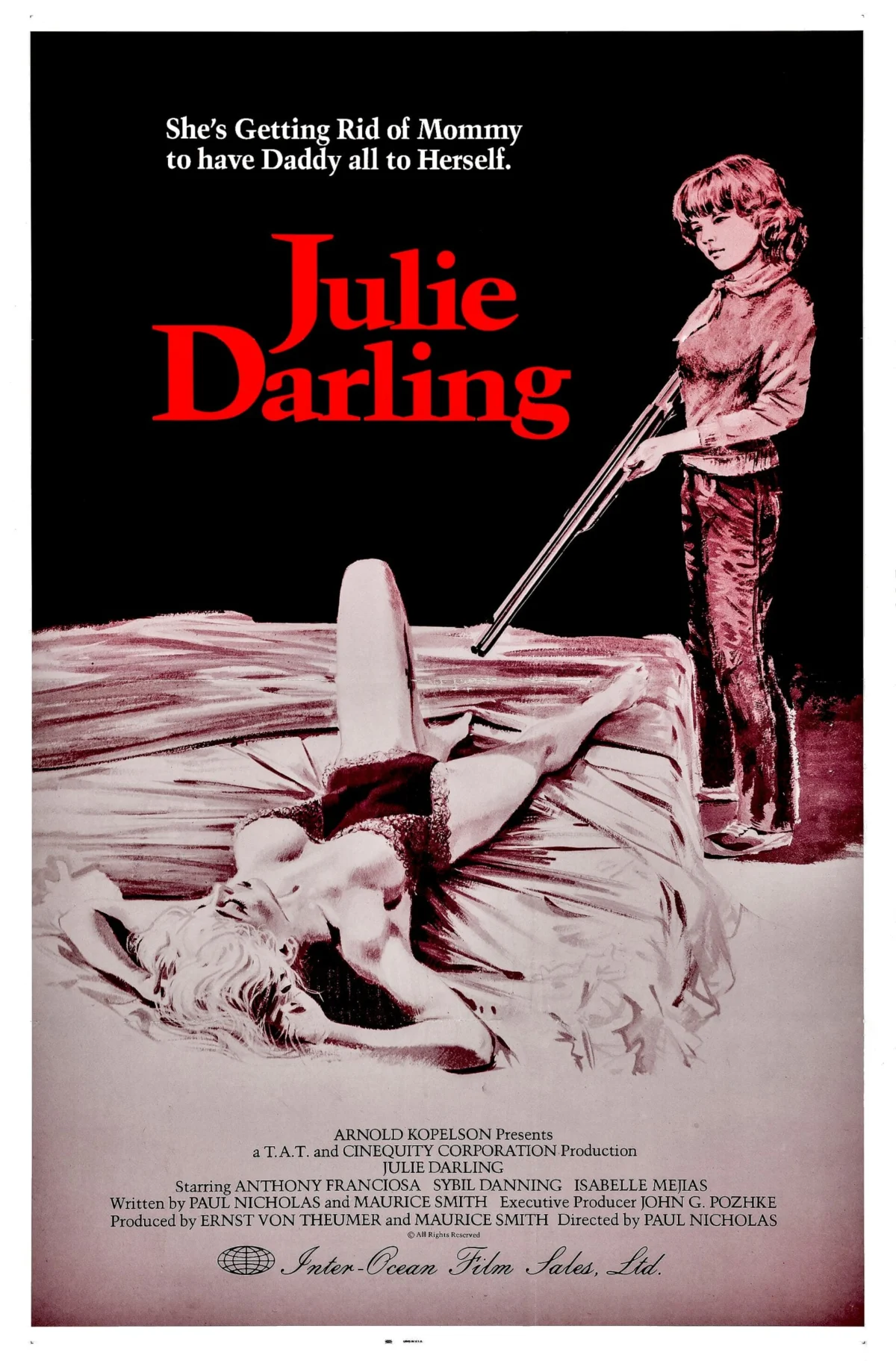
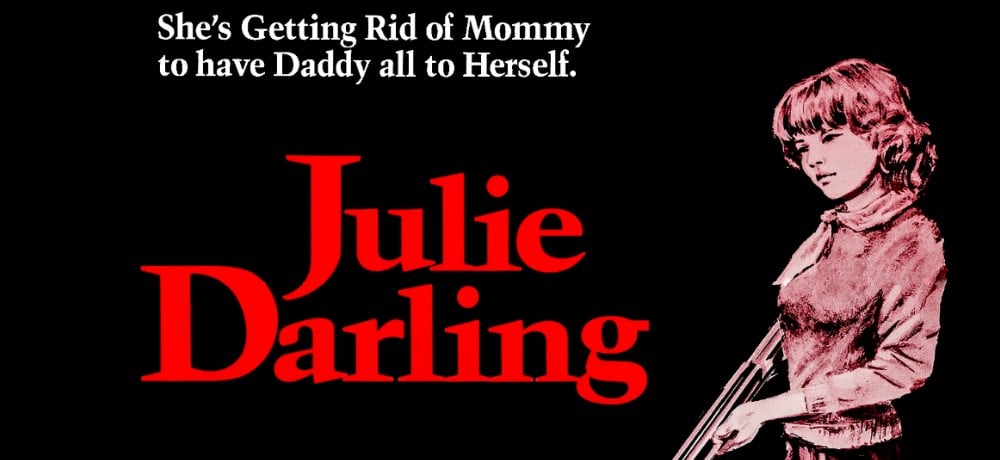
In the landscape of early 1980s exploitation cinema, few films occupy as peculiar a niche as Paul Nicholas’ Julie Darling (1983). It is a feature that defies easy categorization, straddling the line between high-octane melodrama, psychological thriller, and uncomfortable domestic horror. While it lacks the sheer extremity of contemporaries like Salò or Martyrs, its power lies in what it suggests rather than what it explicitly depicts. By exploring the twisted boundaries of father-daughter codependency and the destructive nature of adolescent jealousy, Julie Darling remains a fascinating, if deeply disquieting, artifact of its era.
Main Facts: The Anatomy of a Cult Oddity
Julie Darling follows the titular character, played by Isabelle Mejias, a teenage girl whose world revolves entirely around her father, Harold (Anthony Franciosa). The film establishes a premise of profound domestic dysfunction, where the marital dissolution between Harold and his wife, Irene (Cindy Girling), is viewed exclusively through the lens of Julie’s intense, almost possessive, adoration for her father.
The film is not a "slasher" in the traditional sense, though it features moments of sudden, brutal violence. Instead, it functions as a character study of a young woman whose moral compass has been entirely warped by her environment. With a cast featuring the seasoned Anthony Franciosa and the iconic genre presence Sybil Danning, the film carries a weight of professionalism that grounds its otherwise outlandish narrative beats. It is a film that demands a specific type of viewer—one who can appreciate the "camp" inherent in its taboo-ridden script while simultaneously acknowledging the genuine unease that the central relationship between father and daughter evokes.
Chronology of a Domestic Nightmare
The narrative trajectory of Julie Darling is a masterclass in escalating tension, moving from the mundane frustrations of suburban life to the depths of criminal conspiracy.
The Breakdown of the Wilding Household
The film opens with an image that sets the tone for the entire production: a giant python, affectionately named Petey, slithering down a staircase. This pet, much like the daughter, is a source of contention within the Wilding home. As the family dynamic fractures, the audience witnesses a clear hierarchy of affection. Harold and Julie are presented as a singular, inseparable unit, leaving Irene on the periphery. This is further exacerbated by the introduction of Weston (Paul Hubbard), a delivery driver whose presence serves as the catalyst for the film’s first major act of violence.
The Catalyst: Tragedy and Manipulation
Weston, characterized by his penchant for "Canadian tuxedos" and impulsive behavior, forces himself upon Irene in the family home. Julie, witness to the event from her vantage point on the landing, opts for inaction. Her decision not to intervene—motivated by her mother’s previous attempt to dispose of her beloved snake—serves as the first indicator of Julie’s sociopathic detachment. Following Irene’s death, the film shifts gears, moving from a domestic drama to a dark exploration of grief and replacement.
The Rise of the Antagonist
Harold quickly finds a new partner in Susan (Sybil Danning), who brings her own son, Dennis, into the fold. For Julie, this is an unforgivable intrusion. The film then tracks the downward spiral of the perpetrator, Weston, as he descends into a world of drug abuse and petty crime. In a twist of narrative convenience, Julie encounters Weston at a police lineup. Rather than identifying him, she initiates a sinister partnership, blackmailing the man who killed her mother into becoming the instrument of her next objective: the elimination of her stepmother, Susan.
Supporting Data: The Exploitation Framework
To understand Julie Darling, one must look at the directorial intent of Paul Nicholas. Following this project, Nicholas directed the quintessential women-in-prison exploitation film, Chained Heat (1983). This context is vital. Julie Darling is often read as an "almost" exploitation film. It flirts with the tropes of the genre—nudity, violence, and intense emotional volatility—but maintains a veneer of "serious" drama that keeps it from fully embracing the trashier elements of its peers.
The film’s production design and cinematography are utilitarian, favoring a direct, unadorned aesthetic that mirrors the soap-opera-like structure of the script. The reliance on product placement (notably Pepsi) adds a layer of surrealism to the suburban setting, grounding the high-stakes drama in a world that feels both familiar and fundamentally "wrong."
Official Responses and Critical Reception
Historically, Julie Darling has enjoyed a resurgence in interest thanks to boutique labels like Code Red, which restored and released the film on Blu-ray. Critical consensus, when it exists, often centers on the performances. Anthony Franciosa, a veteran of the screen, manages to navigate the tricky, often creepy, requirements of his role with a stoicism that is both impressive and unsettling. Sybil Danning, playing against her typical "bad girl" archetype, provides a grounded, sympathetic performance that highlights the tragedy of her character’s position as an outsider to the Wilding family’s closed loop.
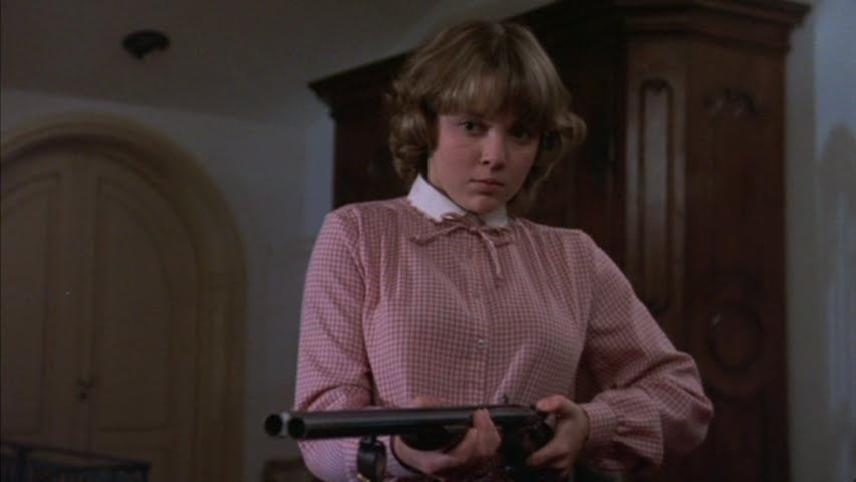
The film is frequently cited in retrospectives regarding the "killer kid" trope. Much like Rhoda in The Bad Seed, Julie represents the terrifying potential of an adolescent who has been socialized without empathy. The "ick" factor of the father-daughter relationship—the kissing, the shared bed, the jealousy—serves as the film’s most provocative element. It is a deliberate choice that challenges the audience, forcing them to question whether Julie is a victim of her father’s inappropriate affection or an active participant in a perversion of familial love.
Implications: The Legacy of the "Bad Seed"
The enduring impact of Julie Darling lies in its refusal to offer a clear moral resolution. By the film’s conclusion, the audience is left to grapple with the consequences of Julie’s machinations. Does she find peace? Is her father complicit in his own way? The film avoids these easy answers, opting instead for a final act that is as surprising as it is inevitable.
The Taboo of the Father-Daughter Dynamic
Perhaps the most significant implication of the film is its exploration of emotional incest. While the film never explicitly depicts physical acts of impropriety, the subtext is omnipresent. The discomfort generated by the film is a testament to its success in establishing a truly toxic environment. In modern cinema, we might label this as "gaslighting" or "enmeshment," but in 1983, it was simply a darker, more perverse take on the family drama.
Why We Watch
Ultimately, Julie Darling serves as a litmus test for the horror audience. It is not a film for the faint of heart, not because of its gore, but because of its psychological cruelty. It challenges the viewer to remain engaged with a protagonist who is fundamentally unlikable and dangerous. For the devotee of cult cinema, the film offers a treasure trove of melodrama and suspense, wrapped in the aesthetic of a bygone era of low-budget, high-concept filmmaking.
Whether one views Julie Darling as a flawed masterpiece or a curious footnote in exploitation history, its ability to remain "squirm-inducing" decades later is undeniable. It stands as a reminder that the most effective horror often occurs within the sanctity of the home, where the people we are meant to love are the very ones we should fear the most. If you are looking for a film that will leave your guests unsettled, your snacks unfinished, and your sense of normalcy thoroughly shaken, Julie Darling remains an unparalleled choice for the unconventional viewer.