Slasher Cinema Reimagined: Inside the Practical Effects and Twisted Logic of Tubi’s ‘Buzzkill’
The slasher genre has long been defined by its cyclical nature: a group of vulnerable archetypes, a masked assailant, and a series of increasingly inventive demises. However, the latest addition to the Tubi original library, Buzzkill, aims to disrupt this familiar rhythm. Directed by Jem Garrard (R.L. Stine’s Pumpkinhead) and penned by Suzanne Keilly (Slumber Party Massacre), the film blends traditional horror thrills with a surreal, intoxicated perspective that forces the audience to question what is real and what is merely a byproduct of a protagonist’s hazy, alcohol-fueled memory.
With the film now streaming, the focus has shifted from the mystery of the killer to the grueling, meticulous artistry required to bring such visceral carnage to the screen. To understand the mechanics of the movie’s most shocking moments, we sat down with makeup and effects experts Marli Kruger and Natasha du Toit to discuss the collaborative chaos behind Buzzkill.
The Genesis of a Modern Slasher
At the heart of Buzzkill is Nora, played by Siena Agudong. The narrative hook is as intoxicating as the title suggests: as Nora consumes more alcohol, her fragmented memories begin to coalesce, revealing hidden clues about the identity of the killer stalking her sorority sisters. It is a high-concept premise that allows the film to oscillate between a gritty, realistic slasher and a kaleidoscopic, unreliable-narrator psychological thriller.
The screenplay by Suzanne Keilly intentionally leans into genre tropes only to subvert them, creating a world that is as comedic as it is horrifying. For the production team, this meant that the makeup and special effects had to be capable of bridging the gap between high-camp humor and genuine, heart-stopping terror.
Chronology of a Kill: From Page to Prosthetic
The process of crafting a "kill" in Buzzkill is far from spontaneous. According to Marli Kruger, the production followed a rigorous, pre-planned methodology to ensure that every drop of blood served both the narrative and the camera.
The "Wounds and Kills" Summit
Before a single frame of violence was captured, the department heads convened for what the crew called a "Wounds and Kills" meeting. This pre-production ritual was essential for aligning the visions of the director, stunt coordinators, and the SFX team.
"On a project like this, no one department can really work in isolation," Kruger explains. "We discuss camera angles, the amount of time allotted for the effect, and—critically—the number of resets we can realistically achieve."
Because practical effects are notorious for their lengthy reset times, the team had to be strategic. Director Jem Garrard often opted to shoot the "setup" of a scene first, preserving the pristine state of the actors and the set until the moment of the kill, which, once executed, often rendered the set a "one-take" environment.
Engineering the Gore
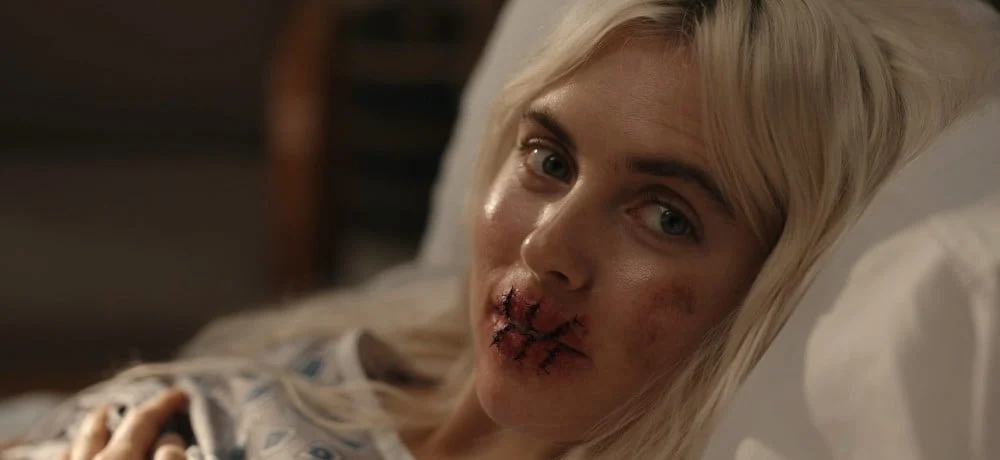
Natasha du Toit, who handled the intricate prosthetic work, emphasized that the team’s goal was to avoid "selling" the kills through clever camera angles alone. Instead, they focused on practical, tangible effects that the actors could react to in real-time.
The collaboration with the props department was particularly intense. For complex kills, the team created precise lifecasts of the actors. This allowed props to engineer weapons that fit perfectly against the actors’ bodies, ensuring that blood rigs could be hidden and triggered with surgical precision.
"Once the scene was complete, it would be a complete buzz off set," du Toit recalls. "Costume, makeup, SFX, and props—all hands on deck. We had to move fast because most of these kills had only a one-time ‘wow’ factor. If we were lucky, we had 30 minutes to reset, but the pressure was always on."
Supporting Data: Influences and Artistic Choices
When asked about the aesthetic inspiration for Buzzkill, the team pointed to a spectrum of horror that spans decades. Kruger cited the absurdity of Scream Queens as a primary influence for the film’s heightened comedic tone, while the classic Scream franchise served as a benchmark for balancing genuine scares with sharp, self-aware wit.
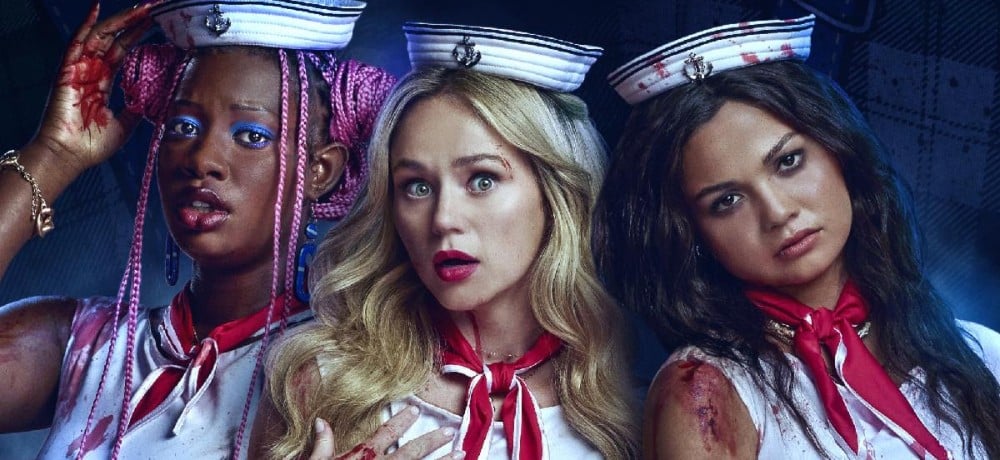
The decision to lean heavily into practical effects was also a conscious creative choice. As Kruger notes, "There is something about practical blood and prosthetics that gives the actor something tangible to react to. It gives the image a texture that is difficult to fake with CGI."
The "Multiple Noras" Challenge
Perhaps the most complex visual hurdle was the portrayal of Nora’s "buzz." To visualize her memories, the production often required three versions of the character on set simultaneously: the actor, a picture double, and a stunt double.
"There were days where we had three Noras for one scene," says Kruger. "We had to manage different levels of blood, drunkenness, and disheveledness. These changes had to happen in record time. We had a tiny bit of leeway because we are seeing this through Nora’s perception, but keeping the visual continuity of her state of mind was a massive challenge."
Official Perspectives: The Cast Experience
Despite the grueling nature of wearing heavy prosthetics and being doused in sticky, cold stage blood for hours on end, the cast remained remarkably resilient. Kruger describes the sorority ensemble as "absolute troopers" who maintained a positive energy even when the conditions of the shoot became physically demanding.
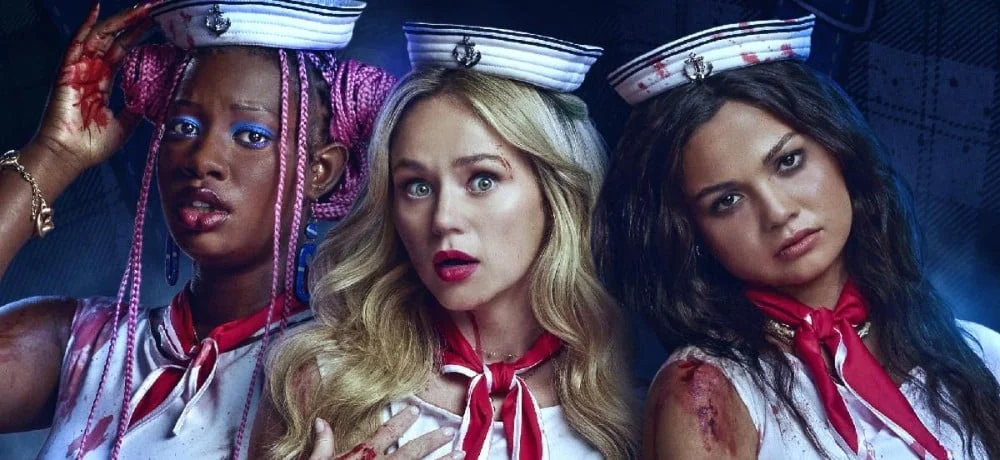
The process of characterizing the sorority sisters was another collaborative triumph. By utilizing hair, makeup, and mood boards derived from Keilly’s scripts, the team ensured that each character possessed a distinct visual identity. This was not just for the sake of aesthetics; it was a storytelling tool to ensure the audience could instantly distinguish the girls during the chaotic, high-stakes final act.
The Clown Sequence
Among the film’s most memorable elements is the introduction of a series of killer clowns. The team approached these designs with a desire to evoke familiar pop-culture archetypes while keeping the visuals fresh and original. Natasha du Toit handled the sculpting and molding of the masks, while Kruger oversaw the wig and hair design, resulting in a sequence that the entire cast found to be the highlight of the shoot.
Implications for Future Horror
The success of Buzzkill serves as a testament to the enduring power of practical effects in an increasingly digital industry. By choosing to invest in physical prosthetics and meticulously planned blood rigs, the production created a film that feels grounded, visceral, and genuinely tactile.
Furthermore, the film’s integration into the "Terror on Tubi" hub highlights a shifting landscape in film distribution. As streaming platforms continue to invest in original content, niche genres like the "sorority slasher" are finding new, global audiences that value the high-energy, DIY-inspired aesthetic that films like Buzzkill provide.
Tips for Aspiring Horror Creators
For those looking to replicate the gore of Buzzkill for Halloween or their own film projects, the experts offer a few golden rules:
- Layering is Key: Don’t settle for a single shade of red. Real injuries have depth. Use different tones and textures to make the gore look believable.
- Gravity Matters: Think about how blood would naturally flow. Don’t just apply it; consider where it would settle in creases or transfer onto clothing.
- Safety First: Always use products explicitly designed for skin contact. Avoid the temptation to use household items that could cause irritation, particularly near the eyes and mouth.
- Invest in Quality Blood: As du Toit warns, there is nothing worse than being the "sticky person" at the end of the night. A high-quality, non-staining, comfortable stage blood is an essential investment for any performer.
Final Thoughts
Buzzkill is a vibrant, chaotic, and unapologetic entry into the slasher canon. By combining the sharp writing of Suzanne Keilly with the technical ingenuity of a dedicated effects team, the film manages to be more than just a series of creative kills—it is a study in how to maintain a cohesive, stylized, and truly fun horror experience.
For viewers looking for a film that doesn’t take itself too seriously while delivering on the promise of top-tier practical effects, Buzzkill is currently available to stream for free on Tubi. Whether you are in it for the mystery of the killer or the meticulous artistry of the makeup, it is a "last call" you won’t want to miss.