

The Architecture of Erasure: How Indian Cinema and Bureaucracy Co-opt Trans Rage
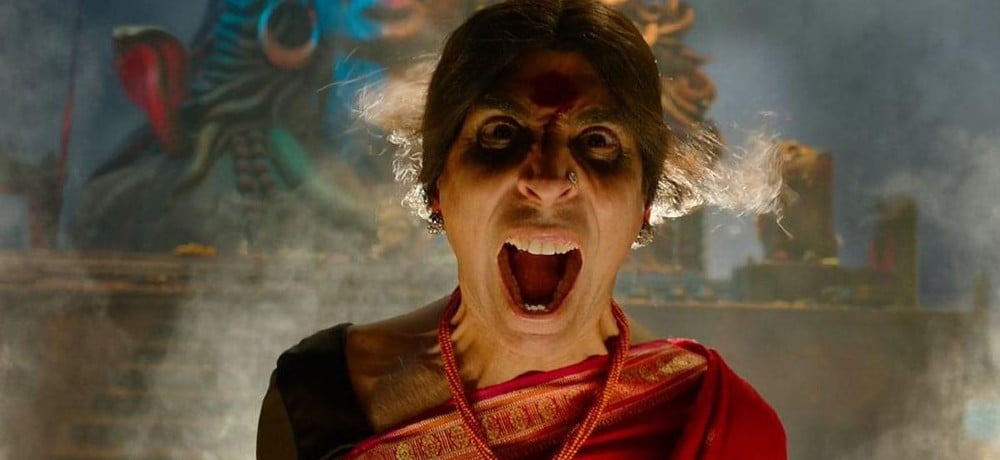
In the flickering light of the multiplex, the trans body in Indian horror is rarely permitted to exist as a human being. Instead, it is a vessel—a trope wrapped in kajal, a tragic cautionary tale, or a vengeful spirit conveniently exorcised before the closing credits. From the blockbuster spectacle of Laxmii (2020) to the recurring tropes in the Bhool Bhulaiyaa franchise, Indian cinema has mastered the art of commodifying trans pain while simultaneously ignoring the real-world political struggles of the community.
This performative inclusion, however, is not a vacuum. It operates in a chilling, symbiotic relationship with the state’s legislative machinery. As the Transgender Persons (Protection of Rights) Amendment Act of 2026 takes center stage, the disconnect between the "spectacle of the trans ghost" and the "erasure of the trans citizen" has never been more pronounced.
The Cinematic Ghost: A History of Marginalized Spectacle
For decades, the Indian horror genre has functioned as a mechanism for reinforcing social order. When a trans character appears on screen, they are almost exclusively defined by their "unprocessed business." The Google logline for the film Laxmii—describing the antagonist as "the spirit of a transgender"—is emblematic of this dehumanization. By stripping away the humanity of the character and reducing them to an administrative category, the film mirrors the very bureaucratic violence that the trans community faces in real life.
The Anatomy of the Trope
Indian horror often relies on the "martyr-monster" dichotomy. The queer or trans body is permitted to inhabit the screen only if it is suffering beautifully or haunting violently. This serves a dual purpose:
- Containment: It allows the audience to experience "trans rage" in a safe, fictionalized environment, effectively discharging the tension that might otherwise be directed toward actual societal inequities.
- Moral Order: The climax of these films almost universally requires the restoration of the "family unit" or "social harmony," which necessitates the destruction of the trans figure. They are narrative pollution that must be scrubbed away to restore the status quo.
Chronology of a Legislative Crisis: The 2026 Act
The emergence of the Transgender Persons (Protection of Rights) Amendment Act, 2026, represents a critical pivot in the state’s relationship with gender non-conformity. While the film industry produces a steady stream of "haunted trans" narratives, the state is busy refining the mechanisms of legal exclusion.
- Early 2026: Drafting of the Amendment Act, with language that critics argue restricts the definition of trans identity through rigid, invasive bureaucratic processes.
- Mid-2026: Public outcry from advocacy groups regarding the alignment of the Act with upcoming national census processes. Critics point to the timing as a calculated effort to narrow the definition of "transgender" to exclude those who do not fit specific state-sanctioned criteria.
- Late 2026: Implementation of the Act, accompanied by a wave of cultural events and government-sponsored film festivals that platformed trans narratives, creating a stark visual dissonance between the "celebrated" trans artist and the "unrecognized" trans citizen.
Supporting Data: The Dissonance of Visibility
The juxtaposition of cultural visibility and political invisibility is best illustrated by the experience of filmmaker Anureet Watta. When their film, Don’t Interrupt While We Dance—a project centered on trans joy and agency—was selected for a government-sponsored festival, the irony was palpable.
Watta recounts the experience of being platformed by the same state that was, at that very moment, stripping away legal recognition for trans individuals. The screening itself took place in an empty PVR cinema at an early hour, attended only by staff. This "hollow" screening serves as a potent metaphor for the state’s engagement with trans issues: it is a performative act of inclusion that lacks any material substance or political commitment. The state consumes the image of the trans experience while denying the existence of the trans person.
The Myth of "Western Imports" and the Reality of Brahminical Structure
A recurring theme in the discourse surrounding trans rights in India is the persistent claim that queer and trans identities are "Western imports." This rhetoric is historically illiterate. As scholars like Ruth Vanita have extensively documented, Indian history is replete with examples of gender fluidity that are woven into the fabric of the nation’s mythology.
However, this "mythological tolerance" is highly conditional. When the trans person performs ritual labor or blessings, they are deemed "sacred." The moment they demand bodily autonomy, legal recognition, or employment protections, they are rebranded as a threat to the "ancient traditions" of the country.
The underlying issue is that the Indian "haunted house"—both in cinema and in reality—is built upon a rigid caste system. The horror in films like Tumbbad or Stree is not just about ghosts; it is about the violence inherent in property, lineage, and the maintenance of a feudal social structure. When the "outsider" enters the home, the horror stems from the fear that the hierarchy will be exposed.
Official Responses and the Bureaucratic Wall
The state’s defense of the 2026 Act relies heavily on the language of "protection." Officials argue that the legislation provides a framework for identification and safety. However, legal analysis from organizations like The Ambedkarian Chronicle suggests that the Act is, in fact, a tool for regulation rather than liberation.
The Act demands that individuals meet specific, often impossible, criteria to be recognized by the state. It treats the trans identity as a problem to be solved through documentation. As noted in recent legal critiques, "bureaucracy has always been one of the most effective horror genres in India." Ghosts are transient, but the mark left by a discriminatory administrative record is permanent. By forcing trans people to fight for the right to exist within the law, the state effectively creates a system where the "protected" are the most vulnerable.

Implications: Moving Beyond the Haunted House
If Indian cinema is to move beyond the tired tropes of the vengeful trans spirit, it must interrogate the source of that rage. Why is supernatural violence so much easier to consume than the systemic violence that precedes it?
The implications of this cultural and political cycle are dire:
- Normalization of Violence: By repeatedly framing marginalized bodies as monsters, media shapes a public consciousness that views trans existence as inherently disruptive or dangerous.
- The Mirage of Progress: By providing a superficial, "inclusive" veneer of representation (the occasional film, the festival panel), the state and the entertainment industry provide cover for the erosion of actual, material rights.
- The Erasure of Agency: The focus on the "tragedy" or "rage" of the trans figure denies them the complexity of joy, mundane existence, and political power.
Conclusion: Reimagining the Foundation
The recurring figure of the trans person in Indian horror is a symptom of a deeper malaise. They are the ghost at the door, but the horror is not that they have come back; the horror is the house itself.
The struggle for trans rights in India is not merely about gaining a seat at the table or getting more diverse representation in Bollywood. It is about dismantling the structures of caste, class, and bureaucracy that define who is a "person" and who is merely "administrative collateral."
Until the conversation shifts from the monster to the manor—from the "frightening" disruptive body to the fragile, violent systems that attempt to exclude them—the cycle of haunting will continue. We must stop asking why the ghost is angry, and start asking who built the walls that made them a prisoner in their own home. True progress requires more than a shift in lighting or a change in script; it requires the courage to tear down the house and rebuild a society where everyone, regardless of their gender or identity, can exist without the need for a permit.