The Art of Unpredictability: Giona A. Nazzaro Defines a New Era for the Locarno Film Festival
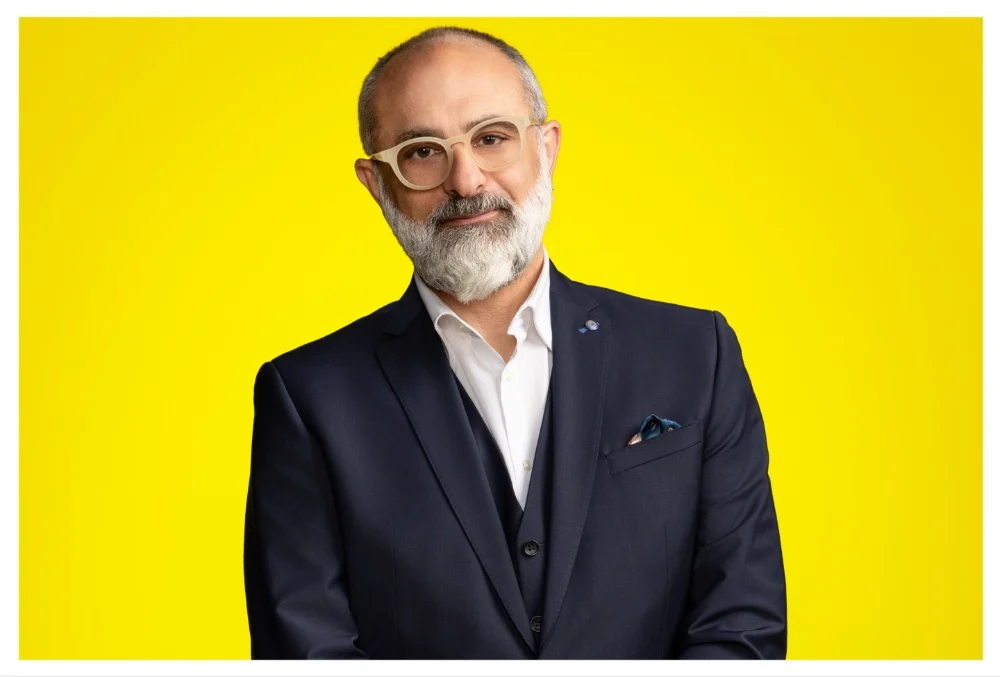
The Locarno Film Festival, long revered as the Swiss temple of independent and avant-garde cinema, is preparing to transform its picturesque lakeside setting into a global hub of cinematic discovery. Artistic director Giona A. Nazzaro has officially pulled back the curtain on this year’s program, revealing a sprawling, ambitious lineup that promises to challenge the status quo of modern film distribution. With over 200 titles—nearly half of which are world premieres—the festival is positioning itself not just as a screening venue, but as a defiant counterpoint to the homogenizing influence of streaming algorithms.
This year’s roster is a testament to the festival’s enduring appeal to both high-profile talent and visionary auteurs. The list of expected attendees reads like a "who’s who" of contemporary cinema, featuring luminaries such as Isabella Rossellini, Darren Aronofsky, Olivia Wilde, and the transformative actor Caleb Landry Jones.
A Philosophy of "Curated Diversity"
At the heart of the 2024 edition is a mantra that Nazzaro has championed since taking the helm: "curated diversity." In an era where algorithmic recommendation engines increasingly dictate what audiences consume, Nazzaro believes the role of a film festival is to reintroduce the concept of serendipity.
"Diversity is understood here in all its forms—a curated multiplicity of possibilities in the spectrum of filmic expression," Nazzaro explains. "When algorithms decide for you, they shape your daily life in a predictable, closed loop. We want to bring back the element of unpredictability and the surprise of the unexpected. Curation is an act of defiance against the automated experience."
By hand-picking works that challenge boundaries, Nazzaro hopes to move away from the "data-driven" approach of global platforms and return to the visceral, human-centered experience of watching a film in a communal space.
The Chronology of Vision: From Opening Night to Competition
The festival’s narrative trajectory begins with the world premiere of The Green Eyes, directed by the rising duo Fanny Liatard and Jérémy Trouilh. Known for their breakout success Gagarine, the filmmakers return with a story that bridges the gap between gritty social realism and dreamlike fantasy.
The film follows a refugee child who, traumatized by the sudden disappearance of his father to avoid deportation, retreats into a deep, metaphorical sleep. Nazzaro views this as the quintessential Locarno film: it tackles urgent, real-world issues—uprootedness and the precarious nature of existence—while maintaining an ambitious, imaginative visual language that demands to be seen on a large screen. It is intended, he notes, to signal to audiences that the festival remains a space for both serious intellectual inquiry and high-caliber entertainment.
The Competition: A Global Mirror of Human Struggle
The official competition section functions as a complex mosaic of contemporary life, organized around two primary, recurring motifs: the sanctity of the family unit and the vulnerability of the human body.
In You Don’t Belong Here, director Florin Șerban offers a harrowing look at post-Ceaușescu Romania. The film explores the story of a teenager who kills an elderly Romani man, triggering a crisis of identity within his community. As the protagonist’s father struggles to understand his son’s isolation, the film asks uncomfortable questions about the legacy of political transition and the disintegration of communal trust.
Simultaneously, Isabelle Stever’s Ukrainian entry, I Rarely Wake Up Dreaming, pushes the conversation into the realm of the existential. The film centers on a character attempting to reshape their gender identity while their physical world is literally being dismantled by the Russian invasion. Nazzaro points out that across these films, a common thread emerges: the world is shrinking. As geopolitical tensions rise and wars proliferate, individuals are forced to retreat into the core tenets of their existence—their bodies, their families, and their local communities—to find meaning in an increasingly hostile environment.
Supporting Data: A Global Selection
The breadth of the selection process is underscored by the diversity of the directors invited to participate. The program includes works by:
- Hong Sangsoo (South Korea): A perennial favorite of the arthouse circuit known for his minimalist, dialogue-driven explorations of relationships.
- Gurvinder Singh (India): Representing the vibrant and often under-represented depth of Indian regional cinema.
- Denis Côté (Canada): A staple of the festival circuit whose work often challenges the boundaries of genre and form.
- Giovanni Tortorici (Italy): A promising newcomer whose sophomore feature, Ketticò—produced by the renowned Luca Guadagnino—represents the festival’s commitment to fostering the next generation of cinematic voices.
Beyond the Main Stage: Out-of-Competition Gems
While the competition section holds the spotlight, Nazzaro is equally enthusiastic about the out-of-competition titles, which he believes offer some of the most daring experiments in the program.
For those tracking the evolution of Arab cinema, the inclusion of Bakma, an urban horror thriller by Tunisian filmmaker Abdelhamid Bouchnak, is a significant milestone. "You have never seen a film from Tunisia like that before," Nazzaro remarks. The film signifies a shift toward high-concept genre filmmaking in a region traditionally associated with social dramas.
Additionally, the festival will host the international premiere of Bertrand Mandico’s Roma Elastica and Portuguese auteur Edgar Pêra’s Asphalt Guerrilla. The latter is particularly notable for its integration of Artificial Intelligence, marking a bold step into the intersection of technology and political storytelling. The program is rounded out by Rebekah McKendry’s Sundown, a vampire film featuring Swiss-Hollywood action star Daniel Bernhardt, bridging the gap between genre-film thrills and high-art aestheticism.
Implications: The Caleb Landry Jones Factor
Perhaps the most buzzed-about entry is the world premiere of Down the Arm of God, a passion project from the idiosyncratic and celebrated actor Caleb Landry Jones. Based on firsthand accounts of the unhoused population in his native Texas, the film functions as a searing examination of community dynamics and moral failure.
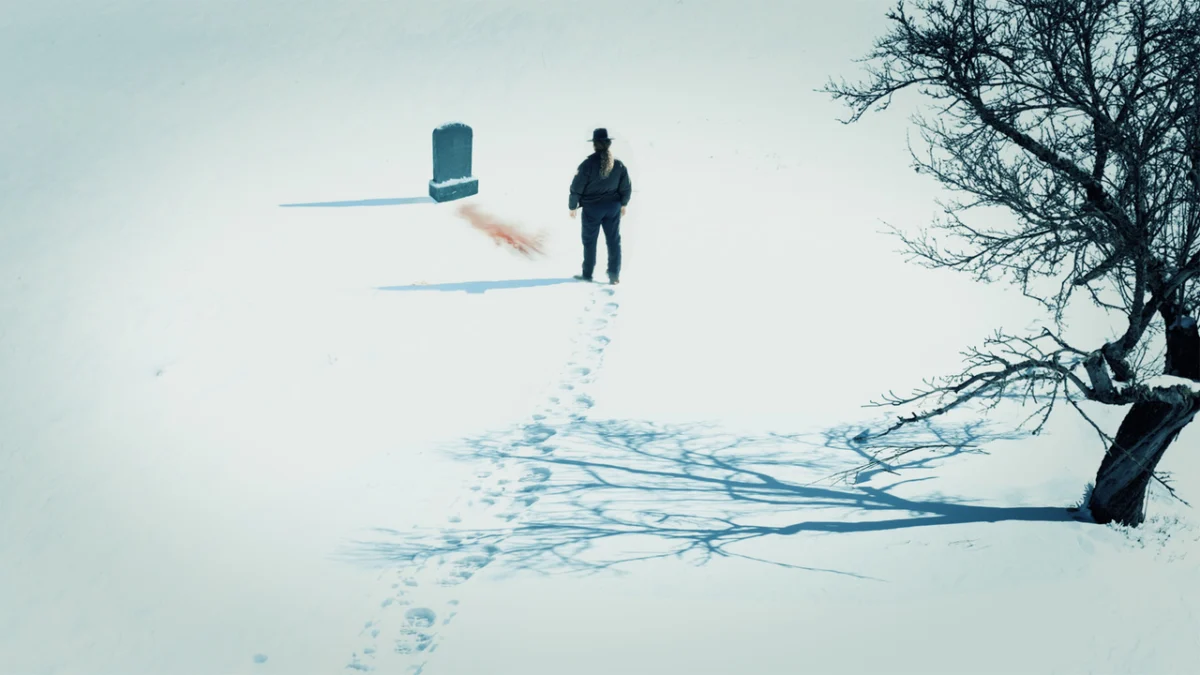
The plot centers on a small, rural church that decides to open its doors to the homeless during a brutal winter. However, the anticipated act of charity becomes a catalyst for local conflict, as the community turns against the pastor, fearing for their children and their traditional way of life. For Nazzaro, this film perfectly encapsulates the theme of the "shrinking world." It forces the audience to confront the boundaries of their own empathy and the fragility of societal bonds.
Conclusion: A Call to Reclaim the Theater
The implications of this year’s Locarno program go far beyond the duration of the festival. In a landscape where the theatrical experience is under threat from domestic consumption, Nazzaro’s vision for 2024 is an invitation to reclaim the public sphere.
By balancing established auteurs with raw, emerging talent and high-concept genre pieces with deeply personal social commentary, the festival is reinforcing its status as a vital curator of culture. As the industry grapples with the fallout of rapid technological change and global uncertainty, the Locarno Film Festival stands firm in its belief that cinema remains our most effective tool for understanding—and perhaps, in small ways, repairing—a fractured world.
As the industry prepares for the trek to the Swiss Alps, the message from the artistic team is clear: prepare to be challenged, prepare to be surprised, and above all, prepare to participate in a human experience that no algorithm can replicate.