Echoes of the Umbrella Corporation: Hays and Ryan Holladay Compose the Sonic Nightmare for Zach Cregger’s ‘Resident Evil’
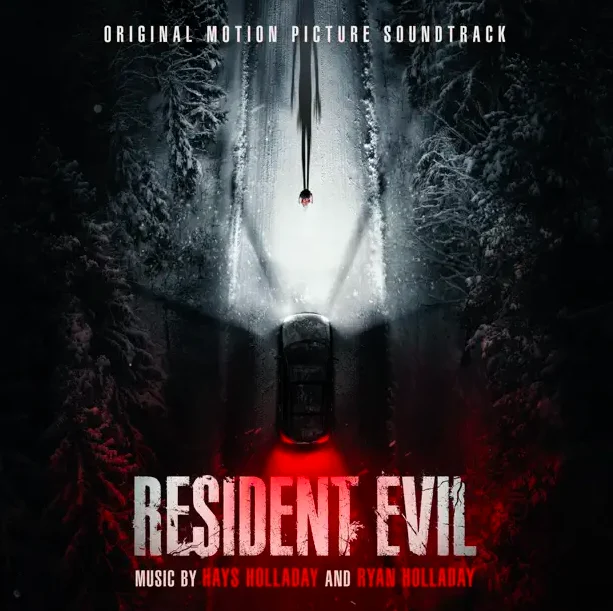
The high-stakes world of cinematic horror is bracing for a tectonic shift as Milan Records prepares to unleash the official soundtrack for the highly anticipated Resident Evil film adaptation. Helmed by director Zach Cregger—the visionary behind the sleeper hit Barbarian—this new iteration of the legendary Capcom video game franchise promises to redefine the survival-horror genre for a new generation.
At the heart of this auditory experience is the musical duo Hays Holladay and Ryan Holladay. Known for their evocative work on Weapons, Roommates, and the documentary Class Action Park, the brothers have crafted a score designed to mirror the claustrophobic, pulse-pounding intensity of Cregger’s vision. The soundtrack is set for a digital release on Friday, September 18, 2026, perfectly timed to coincide with the film’s nationwide theatrical debut from Sony Pictures.
The Convergence of Vision and Sound
Zach Cregger’s transition from the genre-bending success of his previous work to the gargantuan IP of Resident Evil has been one of the most closely watched developments in Hollywood. The film follows a medical courier who finds his life upended in a single, catastrophic night, thrusting him into a relentless struggle for survival.
The Holladay brothers, tasked with capturing the essence of the Resident Evil universe, have opted for a soundscape that balances industrial tension with moments of stark, haunting melodic clarity. According to early production notes, the score moves away from traditional orchestral tropes, opting instead for a blend of analog synthesis and visceral, found-sound textures that reflect the chaotic, biological terror inherent in the franchise’s lore.
The inclusion of guest artists such as Aaron Esposito and Shannon Lay suggests that the soundtrack will function as more than mere background accompaniment. Instead, it serves as a thematic narrative bridge, guiding the audience through the shifting environments—from the sprawling, desolate woods to the cold, sterile confines of subterranean laboratories.
Chronology of a Production Powerhouse
The path to this September release has been marked by meticulous planning and a distinct creative philosophy. The timeline of this project reflects the high-pressure environment of a major studio adaptation:
- Early 2025: Sony Pictures and Cregger finalize the creative vision for the Resident Evil reboot, moving away from previous cinematic iterations to focus on a grounded, "found-nightmare" narrative style.
- Late 2025: Casting is solidified, bringing together a dynamic ensemble including Austin Abrams, Zach Cherry, Kali Reis, and Paul Walter Hauser.
- January 2026: Hays and Ryan Holladay are formally brought on to develop the sonic identity of the film.
- Spring 2026: Principal photography commences, with the score being developed in tandem with Cregger’s evolving edit.
- August 2026: The official trailer is released, showcasing the Holladays’ haunting "Main Titles" theme and sparking immediate fan discourse regarding the film’s tone.
- September 18, 2026: The global release date for both the film and the Milan Records soundtrack.
Analysis: The Anatomy of the Score
The tracklist for the Resident Evil soundtrack reveals a structured descent into chaos. The progression from tracks like "The Woods" and "The Barnyard" to the high-intensity, late-film entries like "Laboratory" and "Mayhem" indicates a narrative arc that mirrors the protagonist’s physical and mental disintegration.
Thematic Breakdown
- Atmospheric Tension: Tracks such as "B-7" and "Tunnel" highlight the Holladays’ penchant for silence and low-frequency drones, a staple of modern horror scoring that forces the listener to lean in, only to be hit with sudden, jarring auditory shifts.
- Humanity Amidst Horror: The use of guest vocalists, particularly in the "Main Titles Extended" and "Skybridge Reprise," serves as a poignant reminder of the human cost within the franchise. It elevates the film from a standard "monster movie" to a story of personal tragedy.
- The "Infection" Motif: Tracks like "Infection" and "Maternity Ward" provide the necessary scientific dread that anchors the Resident Evil brand. These pieces utilize metallic percussion and erratic, heartbeat-like tempos to simulate the feeling of an encroaching, unstoppable contagion.
Official Responses and Creative Intent
In a recent press briefing, director Zach Cregger expressed his admiration for the Holladay brothers’ contribution, noting that the sound design was as essential to the film as the cinematography. "We didn’t want a score that just told the audience when to be scared," Cregger stated. "We wanted a score that felt like it was breathing, like it was a secondary infection spreading throughout the movie."
Hays and Ryan Holladay echoed these sentiments in a joint statement: "Working on Resident Evil was an exercise in managing chaos. The challenge was to remain faithful to the source material’s history while ensuring that this specific film felt entirely its own. We spent months sampling environments and recording organic sounds to create something that felt inherently ‘wrong’ to the human ear, which is exactly what this story required."
The cast, particularly Paul Walter Hauser and Kali Reis, have lauded the film’s immersive quality, noting that the music played on set during filming helped them inhabit the high-stakes, frantic energy of the survival sequences.
Implications for the Horror Genre
The release of this soundtrack and film holds significant implications for the future of video game adaptations. For years, the Resident Evil film franchise was defined by high-octane action and spectacle. Cregger’s shift toward a character-driven, survival-horror focus—bolstered by a minimalist, textured score—suggests that studios are becoming more confident in letting directors prioritize "vibe" and "dread" over mere IP recognition.
Furthermore, the involvement of Milan Records, a label known for its prestige soundtrack releases, underscores the industry’s recognition of video game music as a legitimate, high-art endeavor. As gaming continues to dominate popular culture, the sonic identity of these adaptations is becoming as important as the visual language used to translate the games to the big screen.
Full Track Listing
The album, which spans 29 tracks, offers a comprehensive journey through the film’s most pivotal moments:
- Main Titles Extended (feat. Aaron Esposito) – 2:24
- Skybridge Reprise (feat. Shannon Lay) – 2:03
- B-7 – 1:34
- The Woods – 2:58
- Snowcrawl – 1:53
- Main Titles – 1:23
- The Barnyard – 1:10
- Upstairs/Downstairs – 1:14
- Meet the Fenners – 1:16
- Arms & Legs – 0:43
- Journey Continues – 0:36
- Tunnel – 1:09
- Hideaway – 1:07
- Upsidaisy – 0:35
- Roll On – 2:21
- There’s a Gun – 0:58
- Alley – 2:36
- Subterranean – 2:54
- Jumpers – 1:04
- Voice Memo – 1:34
- Climb – 0:58
- Elevator – 2:10
- The Plan – 0:56
- Maternity Ward – 2:03
- The Ledge – 1:15
- Infection – 0:49
- Laboratory – 2:16
- Mayhem – 1:24
- Skybridge – 1:18
Conclusion
As the September 18 premiere approaches, the buzz surrounding the Resident Evil soundtrack is palpable. It represents a rare alignment of a visionary director, a highly adaptable composing duo, and a legendary franchise ready for a serious reinvention.
Whether the film manages to satisfy the die-hard fans of the Capcom series or attracts an entirely new audience of horror aficionados remains to be seen. However, one thing is certain: when the lights dim in theaters nationwide, the sonic architecture built by Hays and Ryan Holladay will be the invisible hand guiding the audience through the madness of the Umbrella Corporation’s darkest night. Fans and audiophiles alike are encouraged to visit the Milan Records website on the day of the release for pre-order links and limited-edition vinyl announcements, as this is poised to be one of the most sought-after horror scores of the year.