The Sound of the Climate Crisis: Bryce Dessner Scores Tom McCarthy’s Anticipated Drama ‘A Statement’
September 28, 2026 — As the 2026 New York Film Festival (NYFF) prepares to open its doors, all eyes are on the world premiere of A Statement, a high-stakes climate drama helmed by Academy Award-winning director Tom McCarthy. Behind the scenes, the film’s sonic landscape is being shaped by Bryce Dessner, the multi-hyphenate composer and founding member of the indie-rock powerhouse The National. This latest collaboration marks a significant intersection between prestige filmmaking and the escalating urgency of global climate discourse.
The Convergence of Talent: A Production Powerhouse
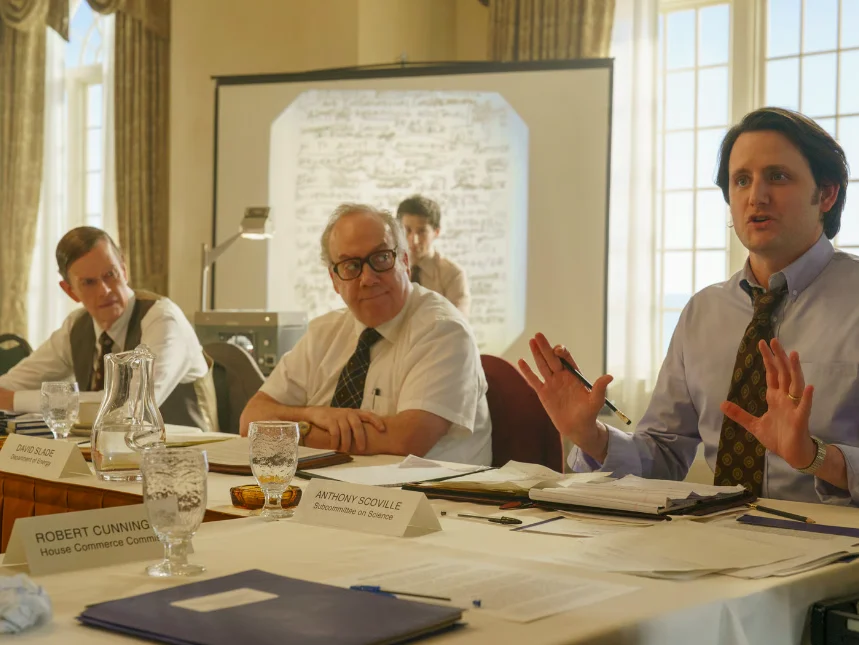
A Statement is not merely a drama; it is a meticulously crafted production that brings together some of the most influential figures in contemporary cinema. Based on Nathaniel Rich’s seminal work, Losing Earth, the film transports audiences back to the humid, precarious atmosphere of a 1980s Florida beachside resort.
The narrative centers on a pivotal moment in history: twenty of the world’s leading experts converge for a closed-door weekend conference. Their mission? To grapple with a burgeoning scientific crisis that would later be defined as the defining challenge of the 21st century—the catastrophic impact of carbon dioxide emissions on the Earth’s climate.
The ensemble cast reads like a "who’s who" of elite acting talent: Paul Rudd, Evan Peters, Paul Giamatti, Amy Ryan, John Turturro, Mary Catherine Garrison, Tatiana Maslany, Nina Arianda, and Zach Woods. Their collective presence promises a masterclass in tension, as the film navigates the intersection of academic hubris, political inertia, and the ticking clock of environmental collapse.
The screenplay is a collaborative triumph, penned by McCarthy alongside acclaimed French screenwriters Thomas Bidegan—known for his searing work on A Prophet and Rust and Bone—and Noé Debré (Stillwater, Dheepan). The project is anchored by a formidable production team, including McCarthy and Jim Whitaker for Slow Pony, and a robust contingent from Anonymous Content, including Jonathan King, David Levine, Jonathan Schwartz, Nick Shumaker, and Bard Dorros. Mary Aloe of Aloe Entertainment rounds out the production slate, signaling the industry’s immense confidence in the project’s cultural weight.
Bryce Dessner: The Architect of Modern Cinematic Mood
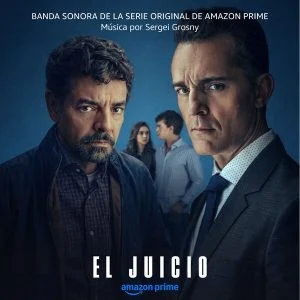
The appointment of Bryce Dessner as the film’s composer is a strategic and creative masterstroke. Over the past decade, Dessner has transcended his roots in rock music to become one of the most sought-after composers in Hollywood. His filmography—which includes The Two Popes, Cyrano, Bardo, She Came to Me, The Accountant 2, and the recent Sing Sing—demonstrates a remarkable versatility.
Dessner’s work is characterized by a specific textural depth: a blend of minimalist classical influences, intricate string arrangements, and a haunting, atmospheric sensitivity that underscores human vulnerability. His recent score for the Netflix limited series Monster: The Lizzie Borden Story highlights his ability to lean into darker, more psychological soundscapes, a skill set that will likely serve the claustrophobic tension of A Statement well.
By grounding the 1980s setting with a score that must reflect both the scientific optimism of the era and the creeping dread of what was to come, Dessner is tasked with bridging the gap between historical reenactment and modern-day climate anxiety.
Chronology of a Crisis: From ‘Losing Earth’ to the Screen
The journey of A Statement began with the publication of Nathaniel Rich’s Losing Earth, a deeply researched investigative account of the decade between 1979 and 1989. Rich’s book chronicles the missed opportunities and the political crossroads where humanity could have theoretically averted the climate crisis.
For Tom McCarthy, the adaptation presented a unique challenge: how to dramatize the scientific consensus-building process without sacrificing the narrative drive of a thriller.
- Pre-production: The project was greenlit with the goal of capturing the period-specific aesthetic of 1980s Florida, while maintaining the intellectual rigor of Rich’s source material.
- Production: Filming took place over several months, with McCarthy focusing on the interplay between the diverse group of experts. The casting process was notoriously secretive, reflecting the gravity of the subject matter.
- Post-production and Scoring: Dessner began working on the score earlier this year, aiming to evoke the specific "pre-internet" isolation of the 1980s, where experts were physically bound to one another in a remote location, unaware of the global impact their findings would eventually have.
- Premiere: The film’s inclusion in the 2026 New York Film Festival is the culmination of a two-year production cycle, placing it firmly in the race for awards consideration.
Supporting Data: Why This Film Matters Now
The climate crisis has moved from the periphery of public discourse to the absolute center. In 2026, as A Statement hits screens, the data regarding carbon emissions is more sobering than ever.
According to various climate monitors, the temperature anomalies discussed by the characters in the film—which were treated as theoretical warnings in 1980—have now become the lived reality of millions. By looking back at the "lost decade," McCarthy and his team are not merely making a period piece; they are crafting an indictment of historical inaction.
The choice of Sony Pictures Classics as the distributor highlights the film’s prestige status. Known for backing auteur-driven projects that challenge audiences, Sony is positioning A Statement as both a cultural event and a catalyst for conversation. The film’s theatrical release in the coming months suggests a strategic rollout designed to capture the attention of Academy voters and climate activists alike.
Official Responses and Industry Implications
While formal reviews are currently embargoed until after the NYFF premiere, early industry buzz suggests that the film is a departure from traditional "issue-based" cinema.
"This isn’t a documentary," noted one industry insider familiar with the project. "It’s a character study about the weight of knowing something is going wrong when no one else is listening."
For Bryce Dessner, the score represents his most overtly political work to date. In a brief statement regarding his creative process, Dessner remarked on the "emotional dissonance" of the 1980s—a time of Cold War tension and emerging environmental awareness that feels eerily resonant with the current state of global affairs.
The Broader Impact: Cinema as a Tool for Reflection
The release of A Statement raises a broader question about the role of the modern film industry in addressing existential threats. As audiences become increasingly fatigued by dystopian blockbusters, there is a growing appetite for grounded, intellectual dramas that treat the audience as partners in discovery.
By pairing McCarthy’s precise, character-driven storytelling with Dessner’s evocative musical language, the film avoids the pitfalls of didacticism. Instead, it invites viewers into a room in 1980, asking them to consider: if we had heard the warning then, would we have acted?
As A Statement prepares to debut at the New York Film Festival, the industry expects it to be more than just a success at the box office. It is poised to be a benchmark for how film can engage with history, science, and the human condition simultaneously.
With its combination of an A-list cast, a visionary director, and one of the most prolific composers in the business, A Statement is a vital addition to the 2026 film calendar. Whether or not it shifts the needle on climate policy, it has already succeeded in doing something equally important: it has forced the industry to look back at the origins of our current crisis, reminding us that every "statement" is, in fact, a choice.