The Evolution of a Cinematic Titan: Inside the Creative Re-engineering of Na Hong-jin’s ‘Hope’
After nearly a decade in development, director Na Hong-jin’s Hope has arrived not merely as a motion picture, but as a cultural event. Recognized as the most expensive production in South Korean film history, this sprawling sci-fi/horror epic serves as a testament to the country’s burgeoning prowess in motion-capture technology and large-scale visual effects. Yet, its journey from the high-pressure environment of the Cannes Film Festival to its record-breaking domestic release has been marked by a rare and transparent process of post-premiere refinement.
In a move that defies the traditional "locked-picture" mentality of major studio releases, Na Hong-jin treated the film as a living, breathing entity. By recalibrating the narrative rhythm and addressing critical feedback regarding its ambitious CGI, the director has successfully transformed a polarizing festival darling into a domestic juggernaut.
The Architecture of an Epic: Main Facts and Context
Hope is not a conventional genre entry. Spanning an expansive 200-minute runtime, the film represents a massive gamble on both budget and scale. Na Hong-jin, known for his meticulous approach to tension and atmosphere, sought to push the boundaries of what South Korean studios could achieve regarding creature design and environment-based CGI.
The production relies heavily on performance-capture technology, featuring an ensemble cast including Michael Fassbender, Alicia Vikander, and Taylor Russell. Unlike the polished, sleek aesthetic often found in contemporary American sci-fi blockbusters, Na’s vision is intentionally stark. By staging the entire film in broad daylight, the director exposed every pixel of his digital creations to the scrutiny of the audience, a stylistic choice that proved to be both the film’s greatest point of contention and its most striking achievement.

A Chronological Odyssey: From Cannes to the Box Office
The journey of Hope can be divided into two distinct phases: the "Cannes Cut" and the "Final Release."
The Cannes Crucible
When Hope premiered at the Cannes Film Festival, it was programmed in direct competition against the understated works of international auteurs like Paweł Pawlikowski and Ryusuke Hamaguchi. Within the charged atmosphere of the Debussy Theatre, the film acted as a jolt to the system. For the first 60 minutes, the audience was palpably on the edge of their seats, mesmerized by what IndieWire’s David Ehrlich described as a "spellbinding and gleefully frenetic mega-setpiece."
However, the consensus began to fracture upon the introduction of the film’s primary creature, Va’migere. While critics like David Rooney of The Hollywood Reporter heralded the film as an "instant cult classic," others found the CGI creatures to be a jarring departure from the film’s grounded opening. The criticism was swift and, for a director of Na’s stature, impossible to ignore.
The Post-Premiere Pivot
Even as the credits rolled in Cannes, Na was already mentally editing. In post-premiere discussions, the director candidly admitted that he viewed the screening as a necessary diagnostic tool. In the weeks that followed, Na engaged in a intensive, eleventh-hour sprint to refine soundscapes, pacing, and visual transitions.

The result of this intervention manifested last week when the final version of Hope opened in South Korea. The commercial response was immediate: the film became the country’s fastest-grossing feature of all time, selling 2.6 million tickets within its first five days of release.
Data-Driven Narrative: The Mechanics of the Edit
Critics often assume that a "re-edit" implies a complete overhaul of the source material. However, the changes implemented by Na Hong-jin reveal a surgical approach to storytelling. While the total runtime was reduced by only four to five minutes, the impact on the film’s narrative flow is profound.
Removing the Redundant
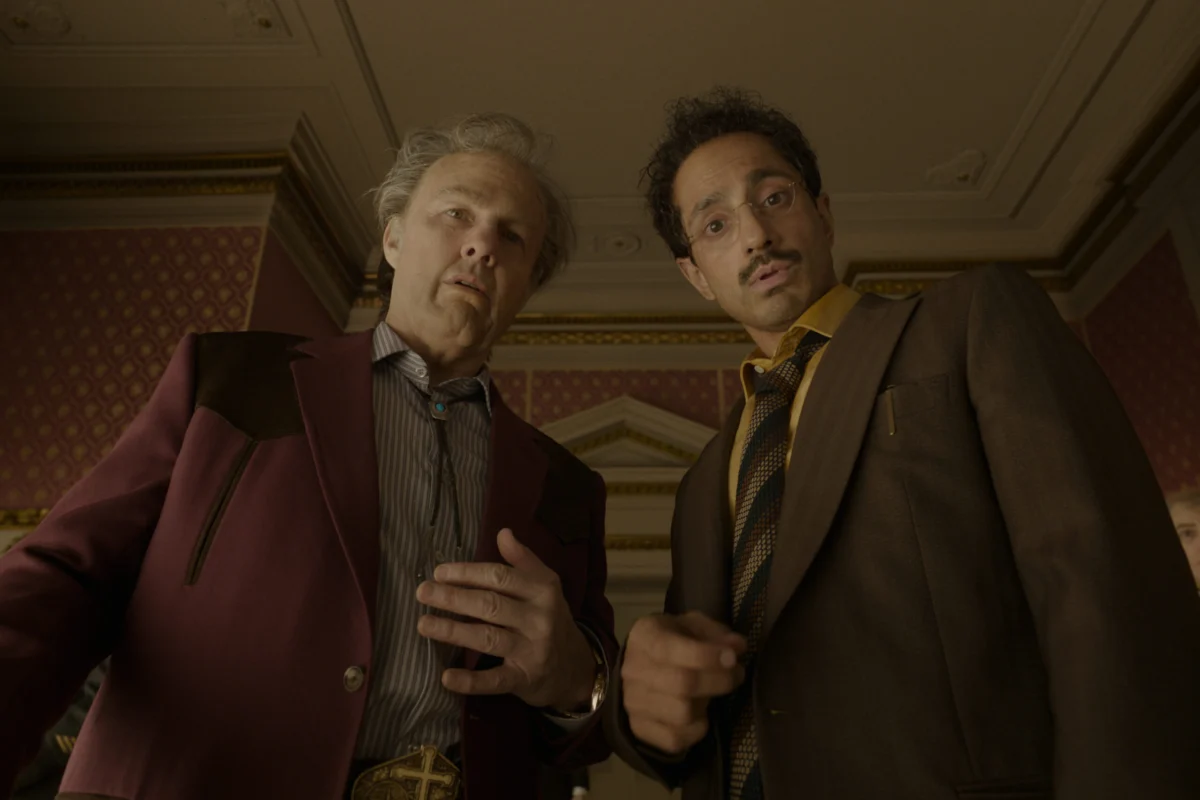
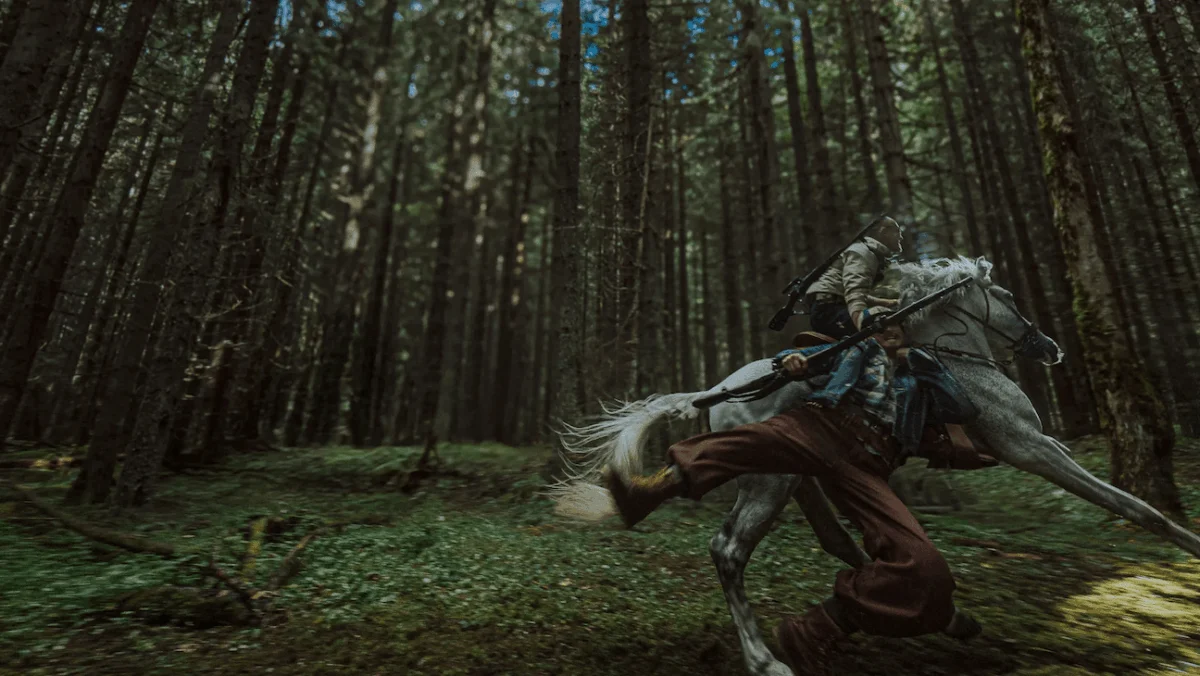
Na identified specific sequences that hampered the film’s momentum. For instance, he excised a sequence involving a crane removing the carcass of an alien entity, deeming it narrative "noise" that distracted from the central emotional stakes. Similarly, a scene featuring the character Sung-ki (played by Zo In-sung) on horseback—where he spots a mysterious flickering light in the distance—was cut to maintain the focus on the immediate, character-driven search for answers.
Augmenting the Human Element
To provide better contrast to the high-stakes sci-fi elements, Na increased the presence of Yang Bae (Eum Moon-suk), a carpenter and taxidermist whose role provides essential comic relief. By shifting the focus from purely spectacle-based scenes to character interactions, Na managed to anchor the film’s increasingly surreal second act.

Official Perspectives: The Director’s Vision
During his recent visit to the New York Asian Film Festival, Na Hong-jin sat down to discuss the challenges of balancing artistic vision with audience reception. Speaking via interpreter Estelle Lee on IndieWire’s Filmmaker Toolkit podcast, Na explained that his willingness to tweak the film was a natural evolution of his process.
"I was hearing it for the first time [at the premiere], and I had so many things that I wanted to tinker with," Na stated. His approach to CGI, while criticized by some as "glitchy," was intended to create a sense of discomfort. The creature designs, brought to life through the performances of Fassbender and Vikander, are defined by their unnatural speed and raw physicality. Na maintains that the "stark originality" of the visuals was always intended to contrast with the emotional depth of the human performances.
Implications for the Future of Filmmaking
The success of Hope following its re-edit raises fascinating questions about the nature of the "final cut" in the modern era. Historically, once a film is finished, it remains frozen in time. Yet, the digital age has introduced a level of fluidity that allows directors to respond to audiences in real-time.
The "Living" Movie
Na Hong-jin’s willingness to re-edit Hope suggests a shift in the power dynamic between the filmmaker and the audience. While some may argue that this dilutes the director’s singular vision, others see it as a pragmatic evolution. If a filmmaker can improve the clarity or emotional resonance of their work before a wide release without compromising their artistic intent, is it not their responsibility to do so?

Sound Design: The Unsung Hero
Perhaps the most significant takeaway from the revisions is the role of sound. While the public and critics focused heavily on the visual CGI, Na pointed out that the most extensive work was done in sound design and mixing. This highlights an often-underestimated truth in cinema: a viewer’s perception of visual quality is deeply tied to the auditory experience. The "glitchy" feel of the Cannes cut was likely exacerbated by sound mixing that didn’t fully sell the weight and presence of the digital creatures. By tightening the soundscapes in the final version, the creature movements became more visceral, and the immersion was successfully restored.
Conclusion
Whether the success of the final version of Hope is a result of the director’s surgical edits or the inherent power of the material upon a second viewing, the result is undeniable. The film has transcended its rocky festival debut to become a landmark achievement in global cinema.
As Neon prepares to release Hope in North America this September, the industry will be watching closely. The story of Hope serves as a powerful reminder that the process of filmmaking does not necessarily end at the sound mix—it continues as long as the director is willing to listen, learn, and refine. In the end, the question posed by those who witnessed both versions remains: if it is a masterpiece that moves the soul and thrills the senses, does it really matter how many cuts it took to get there?