Inside the "Bunker": Florian Zeller, Penélope Cruz, and Javier Bardem Untangle the Modern Age of Isolation at the Venice Film Festival
Introduction: A Triumph on the Lido
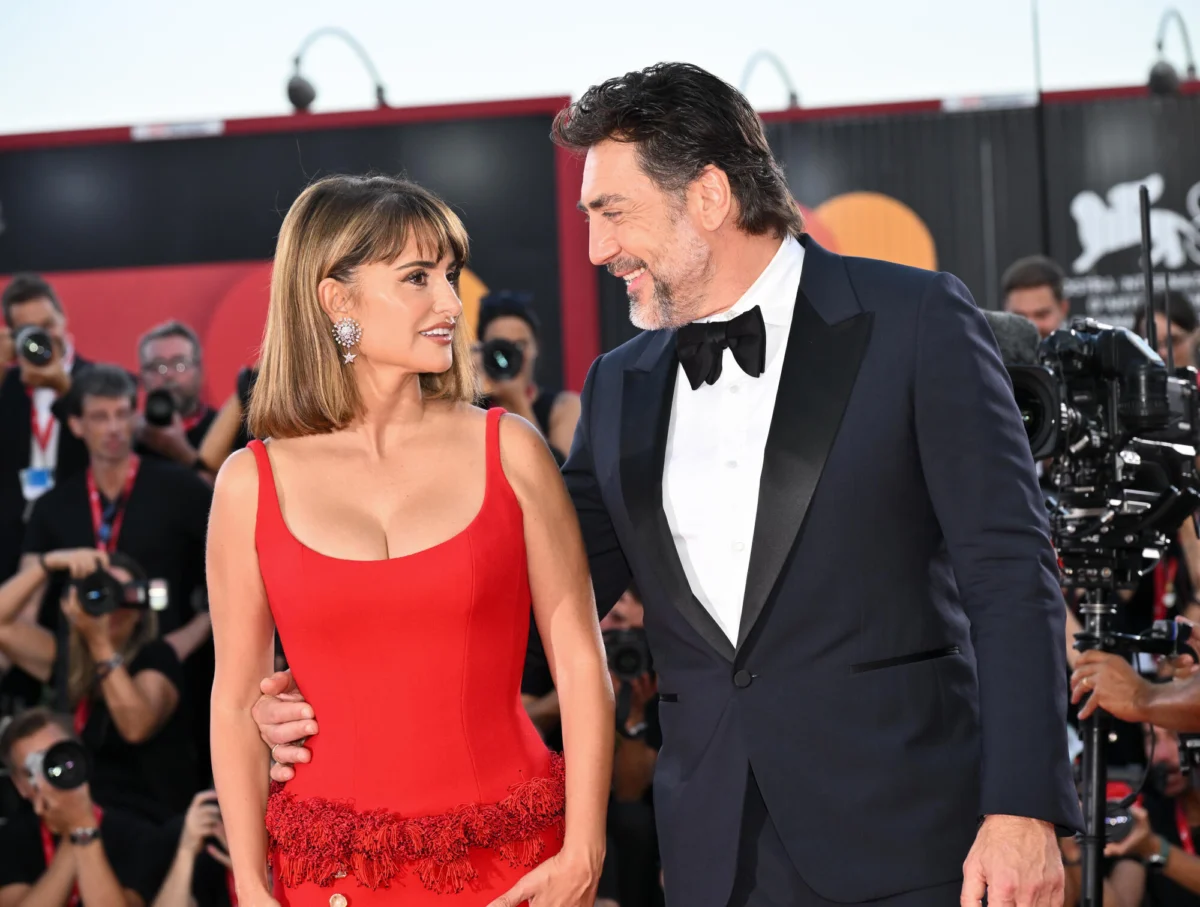
A day after commanding a staggering, emotional 16-minute standing ovation at the 83rd Venice International Film Festival, writer-director Florian Zeller sat down over a virtual link to process what he described as a deeply humbling physical sensation. For Zeller, whose roots lie firmly in the high-stakes world of live theater, the roaring applause that echoed through the Sala Grande wasn’t merely a polite acknowledgment of a credits roll. It was a visceral, tactile exchange of energy between creator and audience—a validation that a tense psychological thriller about modern isolation had struck a universal nerve.
Yet, as Zeller is quick to point out, the thunderous reception was as much a tribute to the blistering central performances of its stars—real-life spouses Penélope Cruz and Javier Bardem—as it was to his own meticulous screenplay. Playing an upper-middle-class couple whose relationship faces a devastating crucible after the husband considers constructing a doomsday bunker for a tech billionaire, Cruz and Bardem deliver masterclasses in psychological excavation. As Bunker prepares to take its next bow at the Toronto International Film Festival (TIFF) ahead of a theatrical rollout courtesy of Sony Pictures Classics, the film has quickly established itself as one of the most provocative and fiercely debated cinematic events of the 2026 awards season.
Main Facts: The Genesis of a Modern Paranoia
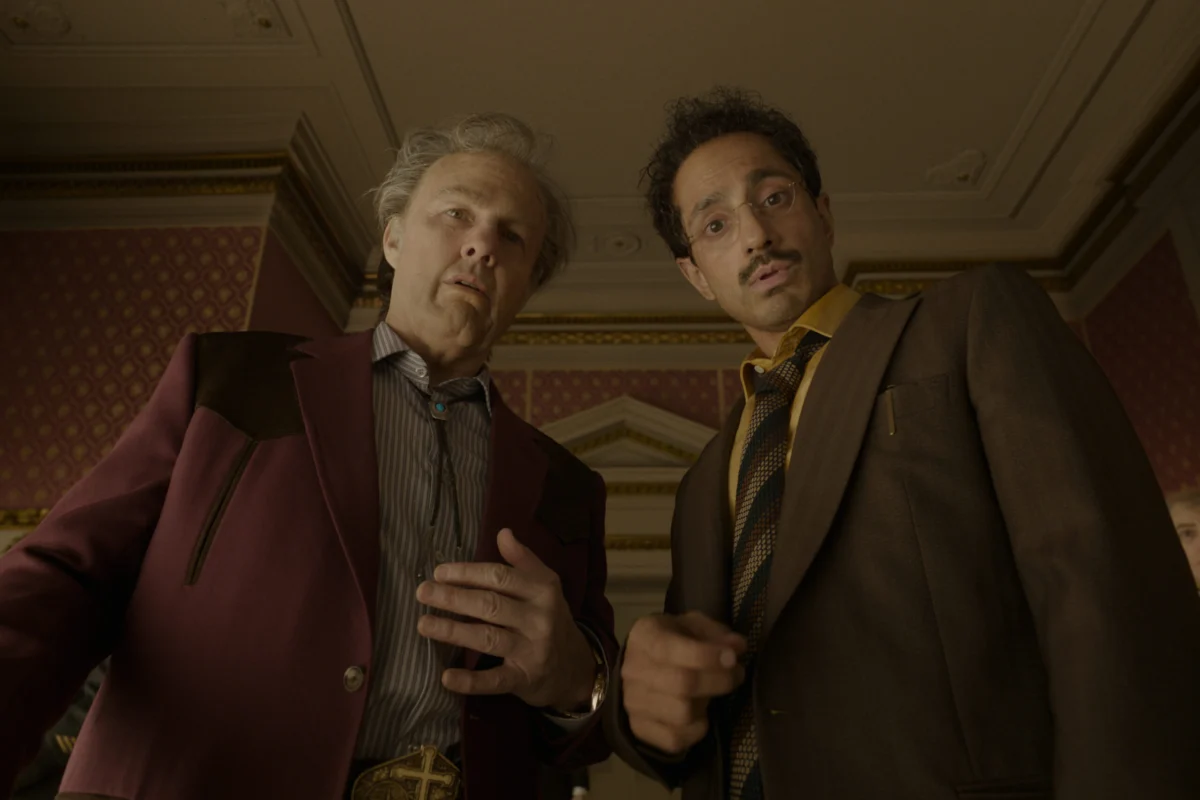
At its core, Bunker is a taut, claustrophobic drama examining the fractures of contemporary domestic life against the backdrop of an increasingly fractured world. The narrative kicks into gear when a husband, caught up in the hyper-individualistic ethos of the tech elite, contemplates building an apocalyptic shelter on a wealthy client’s property.
The idea didn’t spring from a vacuum. Zeller revealed that the initial spark for the film came to him while reading reports about Meta founder Mark Zuckerberg constructing an expansive, highly controversial apocalyptic compound on his property in Hawaii.

- “I was fascinated by this paradox,” Zeller noted, “that this man who built his fortune on the idea of connecting people was working on a plan B at the same time to isolate himself from the rest of the world.”
- This real-world contradiction catalyzed a broader philosophical inquiry for the filmmaker: Are we all, to varying degrees, retreating into invisible bunkers of our own making?
- Zeller clarifies that he isn’t referring to literal underground concrete shelters, but rather to an internal architecture of isolation—a digital and lifestyle cocoon where individuals can convince themselves they no longer need the outside world.
"Where everything can be delivered directly to you, like food, of course, but also cinema, friendship, social interaction, love, sex," Zeller elaborates. "The world outside is not a place you really have to explore anymore."
Chronology: From Concept to Casting and the Eyes Wide Shut Warning
The journey of bringing Bunker to the screen involved delicate negotiations, creative pivots, and a healthy dose of Hollywood superstition. Once Zeller conceived of the story set primarily within the sleek confines of a modernist townhouse, he immediately envisioned Cruz and Bardem as the embattled couple.
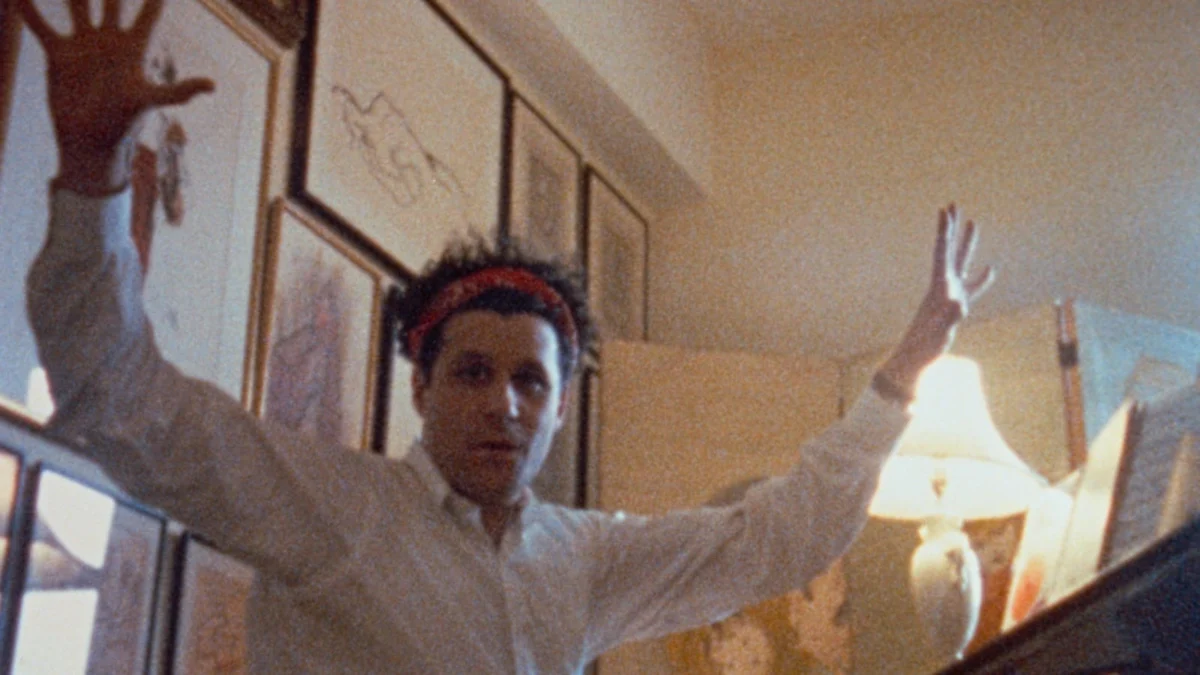
As a tonal and conceptual touchstone, Zeller looked back at Stanley Kubrick’s 1999 erotic psychological drama Eyes Wide Shut, which famously cast real-life married couple Tom Cruise and Nicole Kidman as partners navigating the brink of marital dissolution.
- The Inspiration: Zeller was drawn to the "exciting insecurity" Eyes Wide Shut generated in audiences—the lingering ambiguity of whether the onscreen friction mirrored the actors’ real lives.
- The Resistance: When Zeller pitched Bardem on the idea of stepping into their own version of a Kubrickian marital breakdown alongside his wife, the actor quickly pumped the brakes.
- The Warning: "Javier told me, ‘You should not really mention this film in front of Penélope anymore,’" Zeller recalled. When asked why, Bardem offered a sobering reminder: "Remember at the end of that shooting, Tom and Nicole got separated."
While Zeller understood the implicit professional and personal risks of plunging a married couple into a cinematic journey of a marriage in crisis, he ultimately realized Bunker diverged from Eyes Wide Shut in one crucial, thematic respect. Kubrick’s masterpiece explored the fissure of a union; Zeller’s film is about its restoration.

Supporting Data: Production Insights and Visual Subversion
Understanding that the film was charting a path toward reconciliation allowed Cruz and Bardem to dive into deeply vulnerable and dark emotional territory. They knew that the immense psychological weight of their performances—using words like daggers to inflict maximum emotional damage—was ultimately serving a redemptive narrative arc.
This philosophical divergence from Kubrick is explicitly coded into the film’s visual motifs. Zeller deliberately mirrors a famous scene from Eyes Wide Shut where Nicole Kidman’s character lets her slinky dress drop to the floor, exposing her bare back. In Bunker, however, the gesture is inverted: Penélope Cruz is depicted putting on her gown.
- The Inversion: "It’s the reverse," Zeller noted. "That’s because the film is about reconciliation. That’s the destination. That’s the journey."
- Logistics and Family First: Although Bunker unfolds in the rainy, atmospheric streets of London, the production was shot on a controlled soundstage in Madrid to accommodate the actors’ family lives.
- The Family Equation: As parents who prioritize being present for their children, Cruz and Bardem required a production footprint that respected their domestic realities. "When one of them is working, the other one has to take care of the family," Zeller said. "So there was a real practical question… and because the film is about reconsidering the priorities of your life, it was important for them to be close to the people they love."
On set, this established trust allowed the actors to weaponize their decades-long personal history. They intuitively understood how to push each other’s emotional buttons to extract raw, authentic anxiety and anger under Zeller’s direction.
Official Responses and Industry Context: The Trilogy of the Human Mind
Bunker marks a significant milestone as Florian Zeller’s third feature film. Having carved out a legendary reputation as a playwright with acclaimed stage works like The Mother and The Height of the Storm, Zeller made a seamless, critically acclaimed transition to cinema with his Oscar-winning 2020 debut, The Father, followed by 2022’s The Son.

While currently occupied with directing a theatrical production, Zeller’s heart remains firmly tied to the cinematic medium, even as he voices concerns about the current industrial landscape.
- A Passion for the Silver Screen: "My heart and my energy are really toward cinema," Zeller emphasized. "I’m worried about what the future holds for this industry and this art form. But we have the responsibility to fight for it and for what we believe in with passion and with courage."
- The Festival Circuit and Beyond: Following its overwhelming reception in Venice, Bunker is scheduled for a high-profile screening at the 2026 Toronto International Film Festival on September 14.
- Distribution: Sony Pictures Classics has secured U.S. distribution rights, positioning the film for a theatrical rollout that aims to attract audiences back into communal spaces.
Implications: Leaving the Bunker in the Streaming Era
The thematic resonance of Bunker extends far beyond a standard marital drama. By framing domestic claustrophobia against the backdrop of technological detachment and societal anxiety, Zeller’s film acts as a mirror for a post-pandemic, algorithm-driven world.
In an era where home entertainment systems and on-demand streaming services make it increasingly easy to live entirely within a self-curated, isolated ecosystem, Bunker argues for the messy, painful, but ultimately essential necessity of human contact. The film’s focus on reconciliation serves as a metaphor for societal healing—a reminder that confronting our fears and repairing our connections requires stepping out of our safe spaces.
As Bunker heads toward its North American premiere in Toronto and its eventual theatrical release, it challenges viewers to reflect on their own invisible fortifications. Zeller’s underlying message remains pointed yet hopeful: sometimes, in order to truly live and be moved, you have to leave your bunker, gather together, and face the world outside.