Japan’s Pension Pivot: A Strategic Shift Toward Domestic Capital Markets
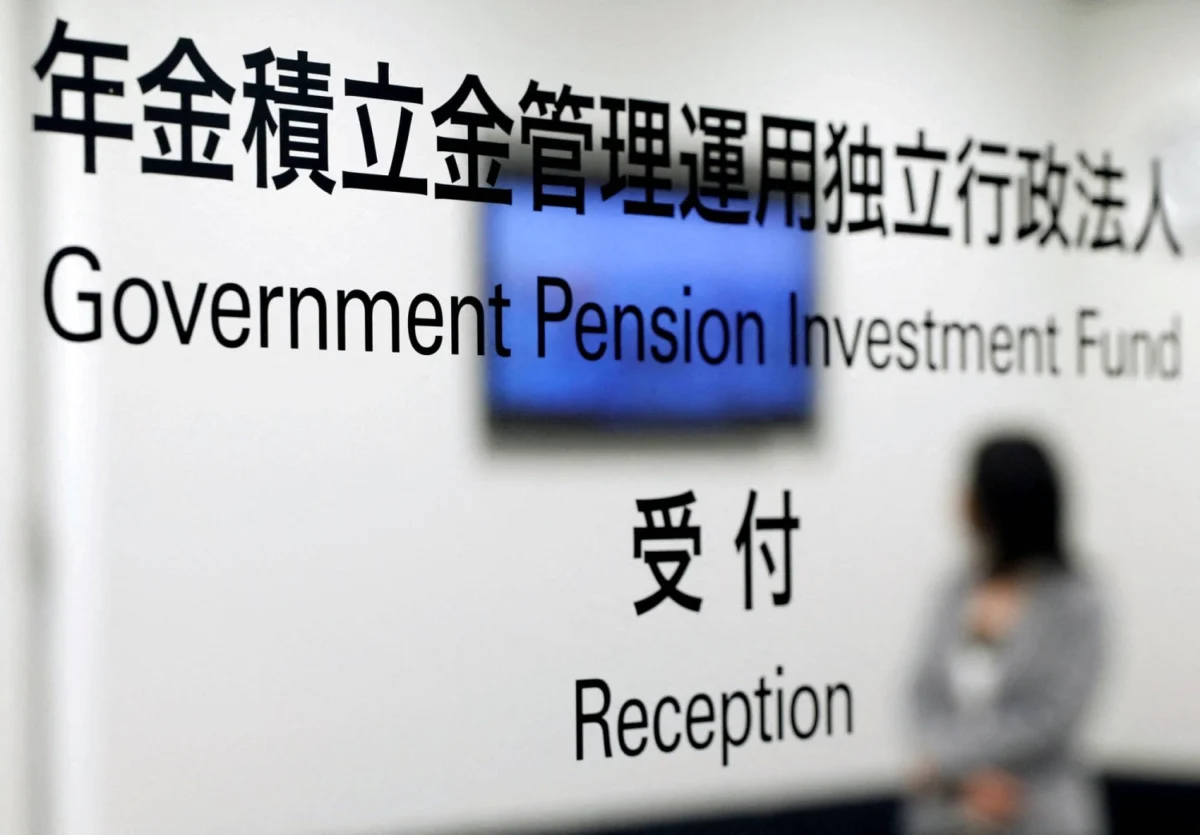
HONG KONG — In a move that has sent shockwaves through the global asset management industry, the Japanese government has signaled a fundamental shift in the management of its national wealth. Finance Minister Satsuki Katayama announced on Friday that the government intends to steer the country’s massive state pension funds—most notably the Government Pension Investment Fund (GPIF)—to "substantially" increase investments in domestic assets.
For the global financial architecture, the implications are profound. With the GPIF standing as the world’s largest pension fund, managing approximately $1.8 trillion in assets, the decision to pivot capital toward domestic markets threatens to disrupt the revenue streams of major international financial institutions, including State Street and Legal & General, which have long benefited from managing Japan’s vast offshore exposure.
The Core Mandate: Bringing Capital Home
At the heart of Minister Katayama’s announcement is a strategic push to revitalize the Japanese economy by leveraging its own capital reserves. Currently, the GPIF maintains an offshore exposure of roughly $930 billion, a figure that represents a significant portion of its total portfolio. Under the proposed directive, a substantial share of this capital could be repatriated to bolster Japanese equities, corporate bonds, and infrastructure projects.
The government’s rationale is multifaceted. By funneling domestic savings into the local economy, Tokyo aims to combat long-standing stagnation, incentivize corporate governance reforms, and provide a stable bedrock of capital for the nation’s technological and industrial sectors. For the administration, the move is less about isolationism and more about "financial self-reliance" in an era of heightened geopolitical volatility and shifting global trade dynamics.
Chronology of a Policy Pivot
The shift toward domestic investment did not occur in a vacuum. It is the culmination of years of internal debate within the Japanese Ministry of Finance regarding the efficacy of global diversification versus domestic reinvestment.
- 2014–2018 (The Diversification Era): Under the "Abenomics" framework, the GPIF significantly increased its allocation to foreign assets, moving away from a heavy reliance on low-yielding Japanese Government Bonds (JGBs). This period saw the rise of international asset managers as primary stewards of Japanese wealth.
- 2023 (The Preliminary Whispers): Reports emerged from within the Diet suggesting that the reliance on foreign fund managers was becoming a point of contention. Lawmakers began questioning whether the fees paid to foreign firms were providing sufficient returns compared to the potential of stimulating the domestic market.
- Early 2026 (Policy Maturation): As inflationary pressures gripped the global economy and currency volatility impacted the yen, the government began formalizing a "Domestic Growth First" initiative.
- July 2026 (The Announcement): Finance Minister Satsuki Katayama confirms the government’s intent to "substantially" shift the GPIF’s asset allocation, effectively ending the era of unfettered offshore expansion.
Supporting Data: The Scale of the Disruption
To understand the scale of this shift, one must look at the balance sheets of the institutions involved. The GPIF currently operates with an AUM (Assets Under Management) of $1.8 trillion. With nearly $930 billion currently held in offshore assets, even a 10% shift in allocation represents a movement of nearly $100 billion back into the Japanese economy.
Institutional Exposure
The impact on major global players is expected to be immediate. Firms such as State Street, Legal & General, BlackRock, and Vanguard have long viewed the GPIF as a "whale" client.
- Fee Compression: Asset management fees are calculated as a percentage of AUM. A mass migration of capital from foreign to domestic vehicles would result in a direct reduction in these management fees, potentially costing these global firms tens of millions of dollars in annual revenue.
- Market Liquidity: The injection of such massive capital into the Tokyo Stock Exchange (TSE) could cause a significant re-rating of Japanese stocks. Analysts predict that this could force a surge in valuation for domestic firms, potentially creating a "virtuous cycle" for the Nikkei 225.
Official Responses and Market Reactions
The market reaction to Minister Katayama’s announcement was swift. The yen experienced immediate volatility, while the Nikkei 225 showed signs of a rally as investors anticipated the massive inflows of domestic pension capital.
The Government Stance
Minister Katayama emphasized that the shift is a calculated long-term strategy. "Our national pension fund must serve the interests of the people not only through returns but through the health of the economy those people live and work in," she stated during the press briefing. She dismissed concerns regarding the loss of global diversification, arguing that the Japanese market is currently undervalued and ripe for sustained growth.

The Global Manager Perspective
Privately, representatives from major offshore asset managers have expressed "cautious concern." Many argue that diversification is the primary defense against localized economic shocks. "Reducing exposure to the global market to concentrate on a single geography—regardless of the strength of that economy—increases the risk profile of the pension fund," noted a senior analyst at a London-based financial services firm.
However, publicly, these firms remain diplomatic, emphasizing their commitment to working within the new regulatory frameworks provided by the Japanese government.
Implications: A New Era for Japan Inc.
The decision to pivot the GPIF’s strategy carries significant long-term implications for both Japan and the global financial order.
1. Corporate Governance and Shareholder Activism
As the GPIF increases its domestic equity holdings, it becomes an even more powerful shareholder. This will likely pressure Japanese corporations to improve their Return on Equity (ROE) and capital efficiency. The fund is expected to use its new weight to demand better board diversity, higher dividend payouts, and more transparent corporate governance.
2. The Yen and Monetary Policy
A massive repatriation of capital could significantly strengthen the yen. This has a dual effect: while it makes imports cheaper for Japanese consumers, it poses a challenge for Japan’s export-oriented economy, which relies on a weaker currency to remain competitive. The Bank of Japan will likely need to coordinate closely with the Ministry of Finance to ensure that this influx of domestic investment does not lead to currency-induced economic instability.
3. The Future of Global Financial Partnerships
The era where foreign fund managers held a near-monopoly on the management of Japan’s offshore wealth is likely coming to a close. We can expect to see a surge in joint ventures, where foreign firms partner with domestic Japanese banks and asset managers to maintain a foothold in the market. This "hybrid" approach may allow these global firms to retain some influence, albeit with a smaller fee base.
4. A Template for Other Nations
Economists are watching this move closely to see if it sets a precedent. Other nations with large state sovereign wealth or pension funds—such as Norway’s Government Pension Fund Global or the various sovereign funds of the Middle East—may look to Japan’s model if they determine that their own domestic economies require a similar injection of capital.
Conclusion: The Road Ahead
Finance Minister Katayama’s directive is a clear signal that Japan is moving to reclaim its financial destiny. While the transition will be painful for the global asset management industry, the Japanese government appears convinced that the long-term benefits—a revitalized domestic market and a more secure pension system—far outweigh the costs of disrupting the status quo.
As the implementation phase begins, the world’s financial capitals will be watching Tokyo with bated breath. Whether this strategy serves as a blueprint for national revitalization or a cautionary tale about the dangers of abandoning global diversification remains to be seen. For now, the message from the Ministry of Finance is clear: the capital that once looked outward is coming home.