The Conveyor Belt Conquest: Can Japan’s Sushiro Disrupt the American Raw Fish Market?
By Global Business Correspondent
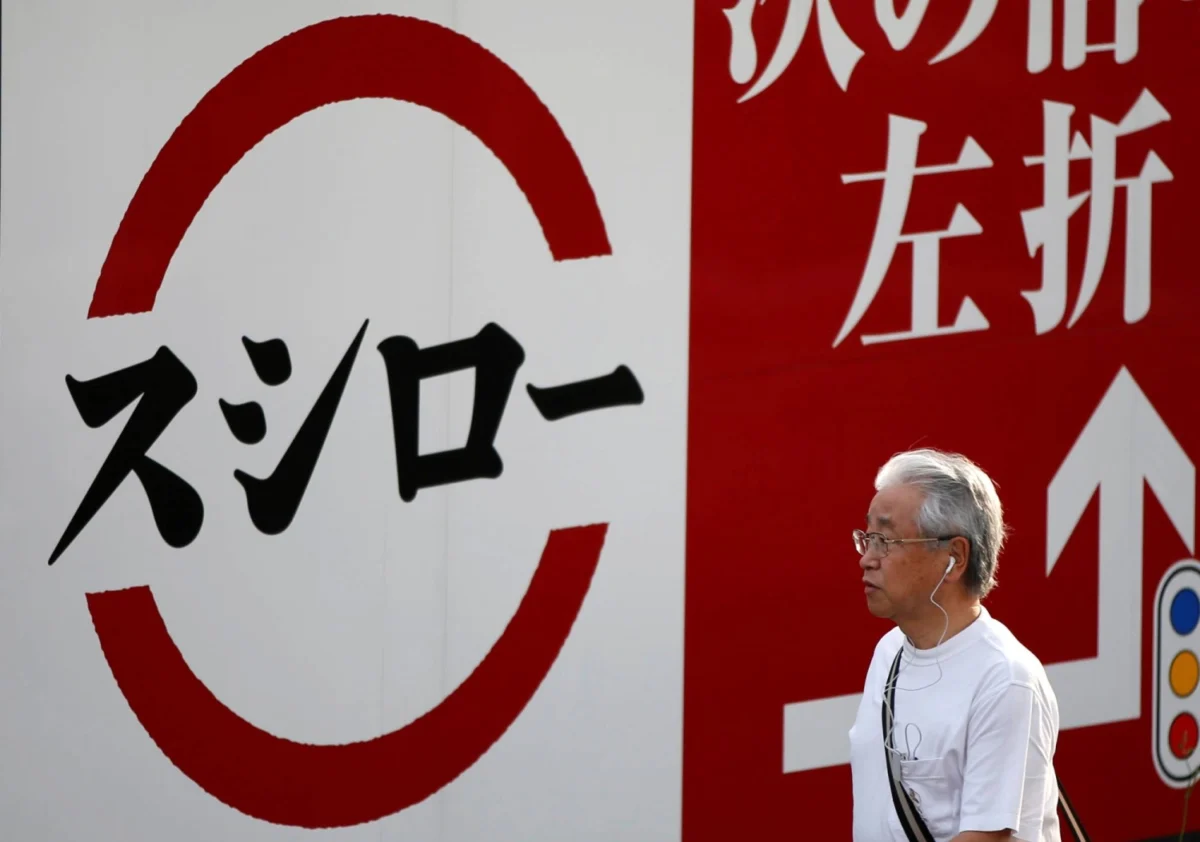
When the iconic yellow-and-black signage of Sushiro—Japan’s undisputed titan of kaiten-zushi (conveyor-belt sushi)—illuminates the bustling streets near New York City’s Times Square this October, it will represent more than just another restaurant opening. It will serve as a high-stakes litmus test for whether the Japanese model of tech-driven, affordable dining can thrive in an American landscape already saturated with sushi.
For decades, the American perception of sushi has undergone a radical metamorphosis. Once considered an exotic, high-priced delicacy reserved for the culinary elite, raw fish has transformed into a staple of the American diet, as ubiquitous as the hot dog. However, as Sushiro prepares to plant its flag in the heart of Manhattan, the company faces a complex challenge: convincing a public accustomed to either "supermarket-grade" convenience or "Michelin-starred" opulence that there is a middle ground worth paying for.
The State of the Market: A Sushi-Saturated Nation
The statistics regarding American sushi consumption are staggering. According to a recent report by the National Seafood Association, approximately 45% of Americans now identify as sushi enthusiasts, ranging from those who consider it an occasional treat to those who consume it weekly.
This demand has fueled an explosion of formats. In major metropolitan areas, high-end omakase counters charge hundreds of dollars for an intimate, chef-led experience. Simultaneously, at the other end of the spectrum, grocery store chains have optimized the "California roll" as a grab-and-go lunch staple. Yet, the segment Sushiro occupies—the "mass-market, tech-enabled, casual dining" sector—remains a largely untapped frontier in the United States.
Sushiro’s entry is not merely about selling fish; it is about selling an experience that leverages Japanese efficiency to provide value that U.S. competitors currently struggle to replicate.
Chronology of a Global Expansion
The journey to Times Square was not an overnight decision. It is the culmination of years of strategic planning and market analysis by Sushiro’s parent company, Food & Life Companies Ltd.
- 2019-2021: As the COVID-19 pandemic reshaped the global dining industry, Sushiro saw a surge in demand for contactless dining. Their proprietary conveyor-belt technology and digital ordering systems proved resilient, maintaining profitability even when traditional sit-down restaurants shuttered.
- 2022: The company began conducting extensive consumer research in North America, identifying that while Americans love sushi, they are often frustrated by the trade-off between price and quality.
- 2023: Sushiro officially announced its intent to enter the U.S. market, focusing on major urban centers with high foot traffic and a demographic that appreciates both convenience and tech-integrated dining.
- Early 2024: The company secured a prime real estate location near Times Square, signaling its intent to capture both the local workforce and the massive influx of tourists.
- October 2026: The flagship opening, marking the official launch of the U.S. expansion phase.
The Technological Edge: How Sushiro Operates
At the core of Sushiro’s business model is a blend of traditional hospitality and cutting-edge logistics. Unlike the average American sushi bar, where a chef prepares items to order, Sushiro utilizes a highly automated system.
The "Auto-Waiter" Ecosystem
Sushiro’s restaurants are built around a dual-track conveyor belt system. The lower belt carries a constant rotation of plates, while the upper "express" lane delivers specific items ordered via a tablet directly to the customer’s seat. This minimizes human error, reduces food waste, and ensures that the "time-to-table" metric is kept to a minimum.
AI-Driven Inventory Management
The company utilizes sophisticated AI algorithms to track which plates are being pulled from the belt most frequently. If a specific type of tuna or salmon is underperforming, the kitchen adjusts production in real-time. This data-backed approach allows Sushiro to keep prices competitive while maintaining a level of freshness that standard cafeteria-style sushi cannot match.
Supporting Data: The Economics of the Roll
Why is now the right time for this expansion? Economic data suggests a shift in consumer behavior. As inflation has driven up the cost of traditional sit-down dining, Americans are seeking "affordable luxuries."

- Price Sensitivity: Sushiro’s price-point is designed to sit comfortably between the $5 supermarket roll and the $50 lunch set at a mid-tier restaurant.
- Efficiency Metrics: In Japan, a Sushiro restaurant can process hundreds of customers per hour with a fraction of the kitchen staff required by a traditional restaurant. This efficiency is the primary driver of their high margins.
- Growth Potential: The National Seafood Association report noted that while sushi consumption is high, the "casual dining" segment is currently fragmented, with no dominant national chain having successfully scaled to the level of a Chipotle or a Shake Shack.
Official Responses and Corporate Strategy
The leadership at Food & Life Companies Ltd. has remained measured in their projections. In a recent press briefing, the company’s CEO noted that the goal is not to displace high-end sushi bars, but to provide a consistent, reliable alternative.
"We recognize that the American palate is diverse," a spokesperson stated. "We are not trying to be a Michelin-starred experience. We are trying to provide the best possible value for someone who wants fresh, safe, and enjoyable sushi in a casual, fun environment. The technology is simply the tool that allows us to focus on the quality of the fish."
Industry analysts, however, remain cautiously optimistic. "The biggest hurdle isn’t the technology," says retail analyst Marcus Thorne. "It’s the cultural integration. In Japan, the conveyor belt is a standard, beloved experience. In the U.S., it will be viewed by many as a novelty. Sushiro has to ensure that the novelty doesn’t wear off after the first visit, and that the quality of the fish justifies the return trips."
Implications for the Future of Dining
If Sushiro succeeds in New York, the implications for the U.S. restaurant industry could be profound.
The Automation Wave
Sushiro’s entry will likely accelerate the adoption of automated service models in the U.S. food sector. As labor costs rise, restaurants are under pressure to find ways to streamline front-of-house operations. The success of a "conveyor-belt" model could provide a blueprint for other casual dining concepts to follow.
Supply Chain Pressures
Sushiro’s massive scale means they require a consistent, high-volume supply of sustainable seafood. Their arrival could force a shift in the U.S. seafood supply chain, potentially favoring large-scale, vertically integrated distributors and pressuring smaller, boutique sushi spots to innovate or differentiate themselves further.
The "Sushiro Effect" on Competitors
Domestic fast-casual chains will be watching closely. Should the Times Square location achieve the same levels of popularity as its Japanese counterparts, it is highly probable that we will see a surge in venture-backed, "tech-first" sushi concepts emerging across the U.S. midwest and west coast.
Conclusion: A New Era for Raw Fish
The opening of the Times Square Sushiro is a bold bet on the maturation of the American sushi market. By combining the efficiency of automation with the discipline of Japanese food safety standards, the company is attempting to standardize a culinary experience that has historically been hit-or-miss in the United States.
While the "conveyor belt" may feel like a gimmick to some, the underlying business model is anything but. It is a calculated, data-driven play to dominate the middle-market segment of the restaurant industry. Whether or not American diners will embrace the "fast-sushi" movement with the same fervor as their Japanese counterparts remains to be seen. However, one thing is certain: by October, the landscape of New York’s dining scene—and perhaps the future of American fast-casual dining—will be forever changed.
As Sushiro prepares to open its doors, the industry will be watching not just the quality of the sashimi, but the speed of the belt. In the competitive arena of Times Square, in the land of the burger and the hot dog, the race to provide the world’s most efficient bite of sushi is officially on.