Venice Film Festival 2026: Film Comment Podcast Breaks Down Bold New Works from Herzog, Guadagnino, and Experimental Auteurs
Main Facts
The 83rd Venice International Film Festival is currently underway, transforming the picturesque, historic shores of the Lido di Venezia into a global epicenter for cinematic excellence. Reporting live from the festival grounds, the editorial team at Film Comment has been offering in-depth, daily critical coverage of the event’s sprawling lineup.
In their fifth dispatch from the 2026 festival, Film Comment Co-Editor Devika Girish convened a panel of prominent voices in contemporary film criticism—featuring critic and programmer Jordan Cronk alongside critic Öykü Sofuoğlu. Together, the panel unpacked a diverse, ambitious slate of world-premiere features, boundary-pushing shorts, and mammoth multimedia projects making waves along the Adriatic coast.
The focal point of the latest podcast episode is an eclectic mix of international cinema, ranging from avant-garde historical reimaginings to emotionally raw contemporary narratives. Among the titles dissected by the critics are:
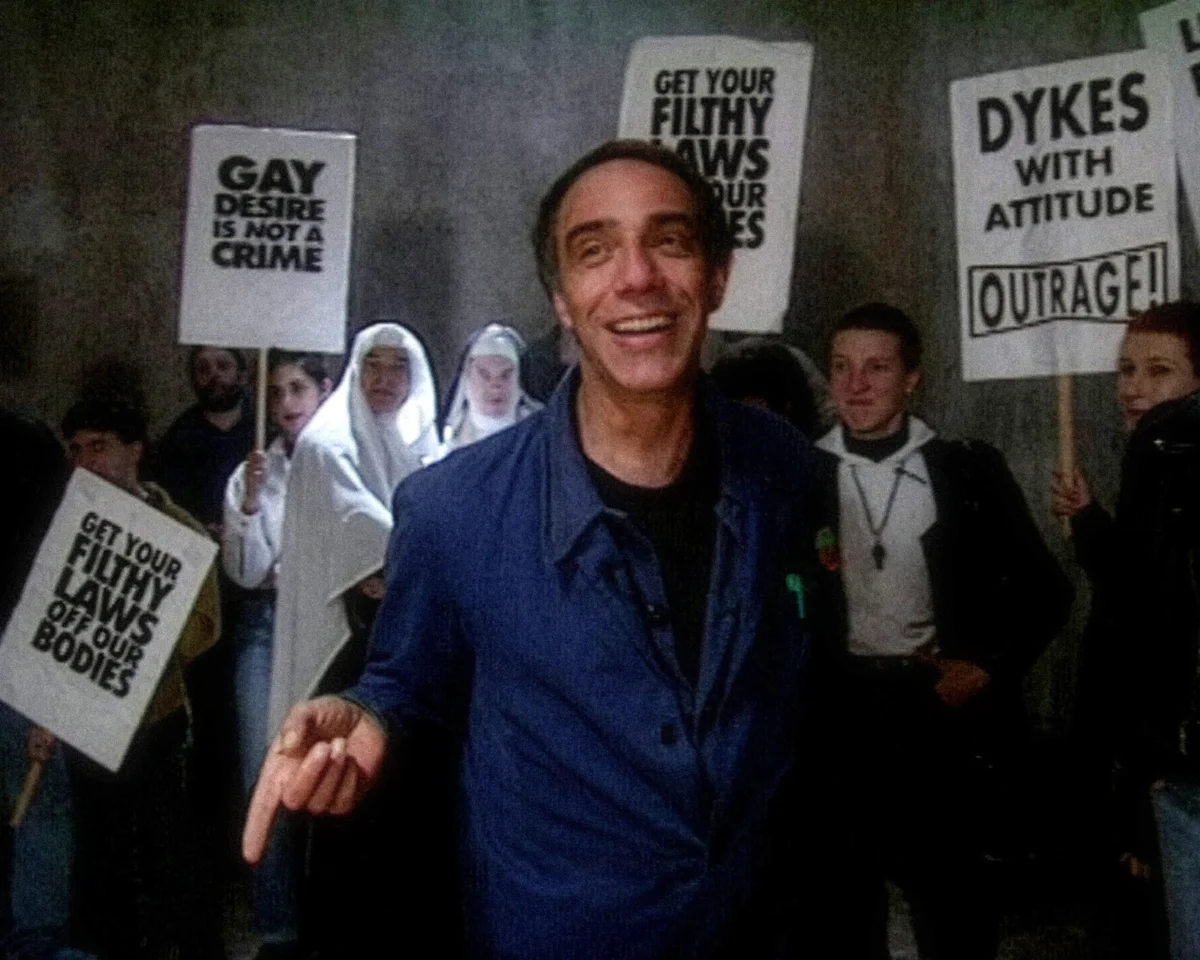
- Theo Rollason’s Queer Edward II, a provocative historical deconstruction.
- Jacqueline Lentzou’s A Day in the Life of Jo: Chapter Phaedra, continuing the Greek director’s exploration of intimate human psychology.
- María Aparicio’s Sometimes Sadness, Sometimes Rebellion, offering a sharp, contemplative voice from Latin American cinema.
- Luke Lorentzen’s Boatbuilders, showcasing the filmmaker’s signature documentary rigor.
- Ilya Khrzhanovsky’s long-gestating, monumental DAU project, which continues to challenge the definitions of performance and endurance art.
- Luca Guadagnino’s Joie de vivre, a luminous new entry from one of Italy’s most celebrated contemporary auteurs.
This comprehensive critical breakdown forms a core component of Film Comment’s Summer 2026 print and digital issue coverage, reinforcing the publication’s status as an essential companion for cinephiles navigating the autumn festival circuit.
Chronology
The trajectory of the 2026 Venice Film Festival has been defined by a carefully orchestrated rollout of high-profile red-carpet premieres, secret press screenings, and late-night critical debates.
Pre-Festival Expectations and Opening Days
As early September approached, anticipation reached a fever pitch. The Lido filled with international distributors, press corps, and industry heavyweights eager to witness what artistic director Alberto Barbera had assembled. The initial days of the festival established a high-water mark, characterized by retrospective nods to master filmmakers and daring new works by international veterans like Werner Herzog, Lee Chang-dong, and Tsai Ming-liang.
Mid-Festival Critical Deep-Dive (The Film Comment Podcast)
Midway through the festival’s packed schedule, the Film Comment podcast team sat down to record their fifth dedicated dispatch. The recording session moved chronologically through a dense roster of screenings that had recently electrified or polarized Lido audiences:
- 2:40 – Queer Edward II (Theo Rollason, 2026): The critics opened their roundtable with a look at Rollason’s visually striking historical adaptation, dissecting how the film reinterprets classic text through a contemporary queer lens.
- 11:45 – A Day in the Life of Jo: Chapter Phaedra (Jacqueline Lentzou): The discussion shifted toward Lentzou’s impressionistic framing of modern identity, evaluating its place within the contemporary Greek Weird Wave and its immediate successor movements.
- 18:30 – Sometimes Sadness, Sometimes Rebellion (María Aparicio): Cronk and Sofuoğlu turned their attention to Aparicio’s understated observational style, praising its patient pacing and structural integrity.
- 24:55 – Boatbuilders (Luke Lorentzen): The panel examined Lorentzen’s return to documentary filmmaking, analyzing how the director captures human craftsmanship and systemic labor constraints with empathy and structural precision.
- 29:20 – DAU (Ilya Khrzhanovsky): Marking the most sprawling discussion of the podcast, the critics tackled the latest manifestations of Khrzhanovsky’s ongoing, polarizing DAU universe, questioning its immersive ethics and cinematic footprint.
- 42:00 – Joie de vivre (Luca Guadagnino): The episode closed with an energetic analysis of Guadagnino’s latest cinematic postcard, evaluating how the Italian director balances sensory indulgence with thematic gravity.
Supporting Data
The cinematic landscape of Venice 2026 is defined by a dense statistical and logistical web of international collaborations, funding frameworks, and critical reception metrics.
Festival Lineup Composition
- Major Auteurs Represented: The 2026 edition features active competition and out-of-competition berths for veterans such as Werner Herzog, Lee Chang-dong, and Tsai Ming-liang, signaling a festival that continues to balance canonical prestige with risk-taking curation.
- Podcast Discussion Breakdown: The curated 50-minute conversation spans six distinct films, illustrating an average critical dwell time of roughly 7 to 8 minutes per title. The structural distribution highlights heavy audience interest in both experimental non-fiction (Boatbuilders, DAU) and revisionist narrative features (Queer Edward II, Joie de vivre).
Media Asset Footprint
- Visual Documentation: The primary press asset for Rollason’s Queer Edward II was made available in multiple high-resolution formats to accommodate global digital publications. The core production image was distributed in dimensions ranging from a pristine 2560×2048 master file down to optimized responsive web ratios (including 2048×1638, 1536×1229, 1280×1024, 768×614, and 640×512 variants), reflecting modern web-publishing standards for high-fidelity film stills.
Official Responses
While formal review embargoes and press conference transcripts continue to roll out from the Palazzo del Cinema, initial statements from filmmakers, critics, and festival programmers shed light on the motivations behind this year’s slate.
Critical Consensus and Podcast Insights
During the podcast, critic Jordan Cronk emphasized the vital role that independent and experimental curation plays in balancing out the heavy studio presence at Venice. By giving space to non-traditional narratives like Queer Edward II and the expansive, multidisciplinary ecosystem of DAU, the festival maintains its historical reputation as a incubator for cinematic radicalism.
Meanwhile, critic Öykü Sofuoğlu pointed out the thematic threads connecting works like Jacqueline Lentzou’s A Day in the Life of Jo: Chapter Phaedra and María Aparicio’s Sometimes Sadness, Sometimes Rebellion. Sofuoğlu noted that contemporary filmmakers are increasingly turning toward micro-narratives to process broader societal anxieties, utilizing intimate character studies as a lens for collective emotional states.
Festival Administration Stance
Festival organizers have repeatedly underscored this year’s commitment to bridging the gap between canonical masterworks and hyper-contemporary digital experiments. By welcoming multimedia undertakings like Ilya Khrzhanovsky’s DAU alongside classical narrative structures from directors like Luca Guadagnino, the Venice administration aims to cement the Lido as the world’s most dynamic film market and cultural forum.
Implications
The discussions generated at the Venice Film Festival—and amplified by critical platforms like Film Comment—carry profound implications for the global film industry as it enters the competitive autumn award season.
The Shift Toward Hybrid and Experimental Forms
The inclusion of boundary-stretching projects like Queer Edward II and the ongoing iterations of DAU signals a growing appetite among festival programmers and discerning audiences for works that defy traditional genre boundaries. As streaming services and traditional theatrical models continue to negotiate their respective domains, high-profile festivals remain the primary testing ground for films that demand communal, focused theatrical engagement.
Shaping the International Distribution Market
Dispatches from critics like Jordan Cronk and Öykü Sofuoğlu act as essential barometers for international sales agents and independent distributors. Films that manage to capture critical mindshare on the Lido—such as Luke Lorentzen’s observational documentary Boatbuilders or Jacqueline Lentzou’s latest impressionistic venture—frequently secure vital art-house distribution deals that sustain the global independent film ecosystem through the coming year.
Sustaining Cinephile Culture
Through initiatives like daily on-site podcasts, comprehensive newsletter campaigns (The Film Comment Letter), and deep-dive print editions, cultural institutions are successfully adapting to the demands of modern digital journalism. By offering immediate, thoughtful analysis straight from the festival trenches, outlets like Film Comment ensure that the dialogue surrounding cinema’s most challenging works extends far beyond the red carpets of Venice, inspiring a new generation of film critics, creators, and audiences worldwide.