The Resurrection of the Undead: Paramount Pictures Greenlights Long-Awaited ‘World War Z’ Sequel
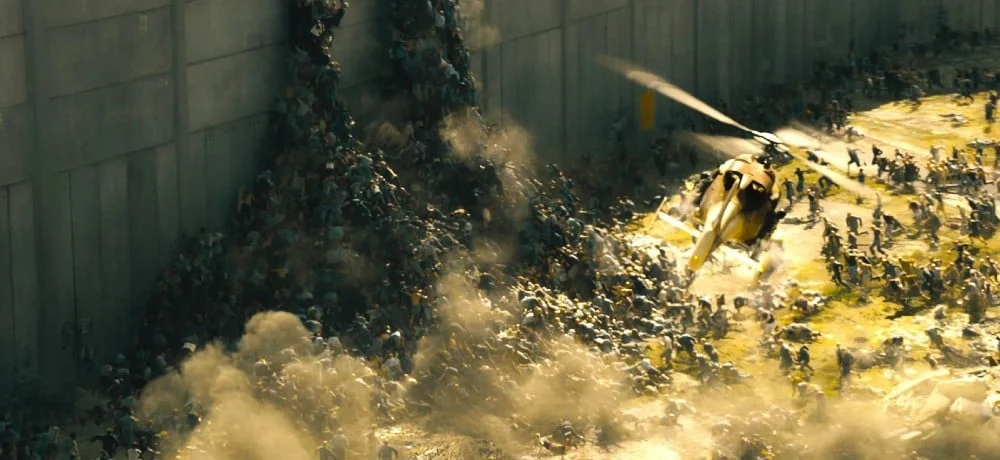
In a surprise industry development that has sent ripples of excitement through the horror and action communities, Paramount Pictures has officially announced that a sequel to the 2013 global blockbuster World War Z is moving forward. After over a decade of production purgatory, studio executives confirmed that the project is back on the slate, signaling a renewed commitment to one of the most successful intellectual properties in the studio’s modern history.
The sequel, which has been in various stages of development since the original’s release, will see Brad Pitt returning not only to star but to produce through his Plan B Entertainment banner. Perhaps most notably, the studio has tapped visionary director Edward Berger—fresh off the critical acclaim of All Quiet on the Western Front and the recent thriller Conclave—to helm the project.
A Shift in Narrative: Returning to Max Brooks’ Source Material
While the 2013 film was a loose, high-octane adaptation of Max Brooks’ 2006 novel, World War Z: An Oral History of the Zombie War, the new installment promises a more grounded, perhaps more visceral approach. Screenwriter Dennis Kelly (known for his work on Utopia and Matilda the Musical) has been tapped to pen the script, with reports suggesting that the production aims to pull more directly from the geopolitical scope and "oral history" structure of Brooks’ acclaimed book.
For the uninitiated, Max Brooks’ source material is a vastly different beast than the popcorn spectacle of the 2013 film. The novel is structured as a series of interviews conducted by a United Nations official in the aftermath of a global zombie pandemic. It spans continents, exploring the socio-political collapse of nations, the ingenuity of military response, and the haunting psychological toll of survival. By bringing in a writer of Kelly’s caliber and a director of Berger’s prestige, Paramount appears to be aiming for a film that balances the massive scale of the original with the gritty, human-centric terror that made the novel a bestseller.
A Chronology of the Zombie Drought: Why Now?
The path to this sequel has been long and notoriously difficult. Following the 2013 release—which grossed an impressive $540 million worldwide—Paramount was eager to capitalize on the success. However, the road to a follow-up was paved with creative differences and scheduling hurdles.
- 2013: World War Z hits theaters, becoming the highest-grossing zombie film of all time.
- 2014-2016: Various writers are attached to the sequel, with Juan Antonio Bayona initially set to direct. Bayona eventually stepped down to focus on other projects.
- 2017: David Fincher is reportedly tapped to direct the sequel, a prospect that excited fans of his collaboration with Pitt on Seven and Fight Club.
- 2019: After years of development, Paramount officially pulled the plug on the Fincher-led project due to budget concerns and conflicting schedules. The franchise went into a period of total dormancy.
- 2024: Industry rumors begin to circulate regarding a "reimagining" of the sequel concept.
- 2026 (Present): Paramount officially announces the collaboration between Pitt and Berger, effectively reviving the franchise.
The decision to return to the project now is largely attributed to the shifting landscape of theatrical releases. With the demand for high-concept, intelligent, and "prestige-leaning" genre films at an all-time high, the studio sees a clear path to revitalizing the brand by pivoting away from the pure action-blockbuster mold and toward the more thematic, character-driven storytelling that defined Berger’s All Quiet on the Western Front.
Supporting Data: The Box Office Legacy
The original World War Z remains a benchmark for the zombie genre. Produced on a budget estimated between $190 million and $269 million (due to extensive, well-documented reshoots), the film’s $540 million box office haul solidified Brad Pitt as a viable action star on a global scale.
However, the success was not merely numerical. The film proved that the "zombie apocalypse" sub-genre, which had long been relegated to low-budget horror or cult status, could hold its own as a legitimate summer tentpole. When adjusted for inflation and compared against modern franchise performers, World War Z sits in a unique category. It was a film that appealed to both the core horror audience and the general movie-going public, a "four-quadrant" success that Hollywood studios chase incessantly.
The Berger-Pitt Synergy
The appointment of Edward Berger is perhaps the most significant creative choice made by the studio. Berger, a German filmmaker, gained international recognition for his harrowing adaptation of All Quiet on the Western Front, which won four Academy Awards. His ability to render the visceral chaos of war while maintaining a tight focus on the existential dread of the individual soldier makes him an ideal candidate to capture the "oral history" feel of Brooks’ book.
This film also serves as a testament to the deepening professional relationship between Brad Pitt and Berger. The two recently collaborated on The Riders, an upcoming A24 feature that has already generated significant buzz. Insiders suggest that the rapport developed on that set was a primary catalyst for Pitt’s decision to commit to the World War Z sequel. With Pitt’s production company, Plan B Entertainment, producing alongside Dede Gardner and Jeremy Kleiner, there is a clear intention to treat this not as a quick cash-grab sequel, but as a major prestige production.
Implications for the Genre
The revival of World War Z carries significant implications for the future of the horror-thriller genre. For years, the zombie sub-genre has been considered "oversaturated," with the massive popularity of The Walking Dead on television leading to a glut of content that eventually left audiences fatigued.
By taking a multi-year hiatus, the World War Z franchise has effectively allowed that fatigue to dissipate. Furthermore, by opting for a director known for serious, somber, and visually striking cinema, Paramount is signaling a move toward "elevated genre" filmmaking. If the sequel succeeds, it will likely provide a blueprint for other studios to revisit dormant, high-concept franchises with a more literary or thematic focus.
A Legacy of Resilience
The novel’s themes of resistance and human survival remain eerily relevant, perhaps even more so today than in 2006. Max Brooks’ narrative serves as a warning, a document of how society crumbles under the weight of an invisible, relentless threat.
As the production gears up, fans of the book are hopeful that the film will finally embrace the narrative structure that made the source material a cultural touchstone. The novel’s premise—that the zombie war was a global, transformative event that forever altered the geography and politics of our world—offers a canvas far wider than the original film’s focus on one man’s journey.
"We survived the zombie apocalypse, but how many of us are still haunted by that terrible time?" Brooks wrote. This question, which serves as the emotional core of the novel, will be the guiding light for the production team as they move forward.
Looking Ahead
While plot details remain strictly under wraps, the industry is watching closely. With the combined star power of Brad Pitt, the directorial authority of Edward Berger, and the narrative foundation of Max Brooks’ prose, this project is shaping up to be one of the most anticipated films of the coming years.
Production is expected to commence in the coming months, with casting for the supporting ensemble—a crucial element given the novel’s vast cast of characters—likely to be announced shortly. For now, the undead have been awakened, and for the first time in over a decade, the outlook for the World War Z universe is not one of decay, but of transformation. We will continue to track this story as more details emerge regarding the production, casting, and release schedule.