The Stakes Are Higher: America’s Got Talent Season 21 Enters the Intense ‘Judges’ Callbacks’ Phase
As the sun sets on the audition phase of America’s Got Talent Season 21, the atmosphere in the theater has shifted from celebratory to cutthroat. On the seventh night of auditions, which aired July 21 on NBC, ten distinct acts took the stage to prove they deserved a spot in the live shows. With the Golden Buzzers officially exhausted, the path to the finals has become significantly narrower, transforming the competition into a high-stakes gauntlet where every "yes" is scrutinized and every "no" is final.
The panel—Simon Cowell, Mel B, Sofia Vergara, and Howie Mandel—now face the daunting task of filtering a massive pool of talent down to the 44 acts that will grace the live stage. For those who didn’t receive a golden ticket, the journey has taken an unexpected turn toward the inaugural "Judges’ Callbacks" round, a new feature of the season designed to separate the hobbyists from the stars.
The State of the Competition: A Recap of the Golden Era
Before the seventh night’s performances began, it was necessary to look at the landscape of the season thus far. Throughout the first six episodes, the judges and host Terry Crews utilized their two Golden Buzzers each, effectively "fast-tracking" ten acts directly to the live shows.
The roster of Golden Buzzer recipients remains a diverse cross-section of global talent:
- Howie Mandel: South Korean magic act Hundred Fingers and Cuban rapper Luke Taleno.
- Simon Cowell: Singer Lai Noelle and one-legged parkour athlete Rubén Roldán Bustos.
- Mel B: Vocalists Isaac Atkins and Mackenzie Sol.
- Terry Crews: Dance crew-dog act Acro Crew and Las Vegas-based group Royal Lasers.
- Sofia Vergara: Australian vocalist Lara D. and Ukrainian aerial pole artist Veronika Goroshkova.
With these ten acts already secured, the remaining 34 spots for the live shows are the primary focus for the hundreds of acts who earned "yes" votes during the audition rounds.
Performance Chronology: Night Seven Highlights
The seventh night of auditions proved that the variety format is still capable of producing "water-cooler moments." From the absurd to the genuinely awe-inspiring, the performances underscored the eclectic nature of the AGT stage.
The Comedic & The Quirky
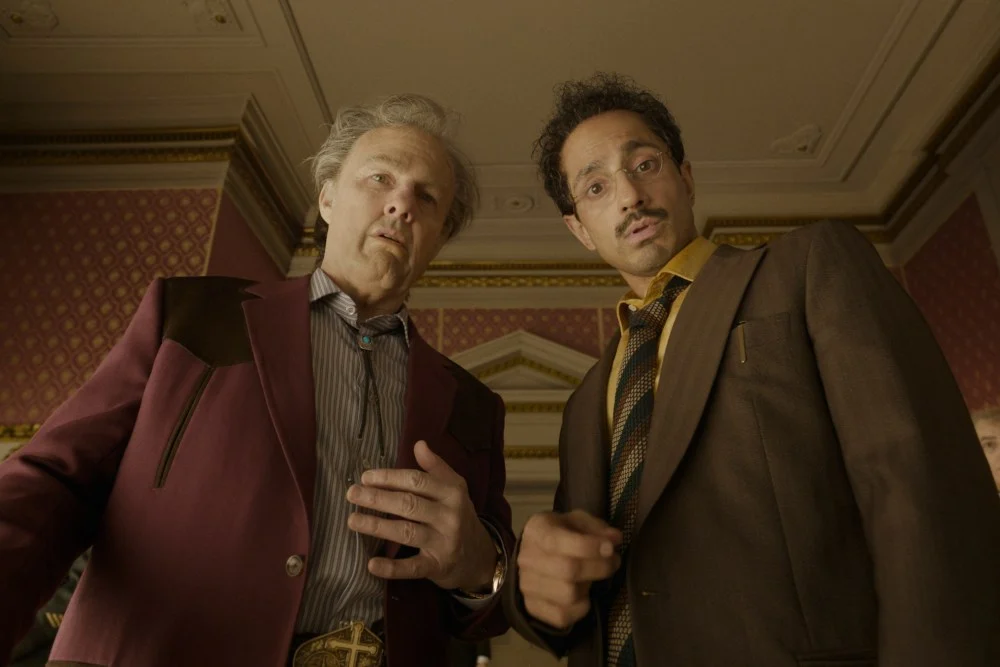
The night opened with "Howie Blandel," a self-styled impersonator attempting to mimic the judge himself. While Howie Mandel found the bit amusing, the rest of the panel remained unimpressed, with Mel B pointedly asking, "That was not funny. Did anybody laugh?" The act served as a reminder that impersonations require more than just a physical resemblance to succeed on this stage.

Later, a performer named Cat Williams (no relation to the famed comedian) attempted a stand-up set that fell flat, earning a swift "no" from the panel. The confusion was compounded when Mel B noted, "Wait, I think you’re the same guy that came on as Howie," highlighting the recurring issue of repeat-auditioners attempting to game the system with different personas.
On the other end of the spectrum, "Manramp" provided one of the evening’s most surreal moments. The performer essentially turned his body into a human skate ramp. While the judges were initially skeptical, they were ultimately won over by the practical utility of the act. Howie Mandel quipped, "It’s like Tony Hawk without any bells or whistles," granting the act a unanimous "yes."
Musical Prowess
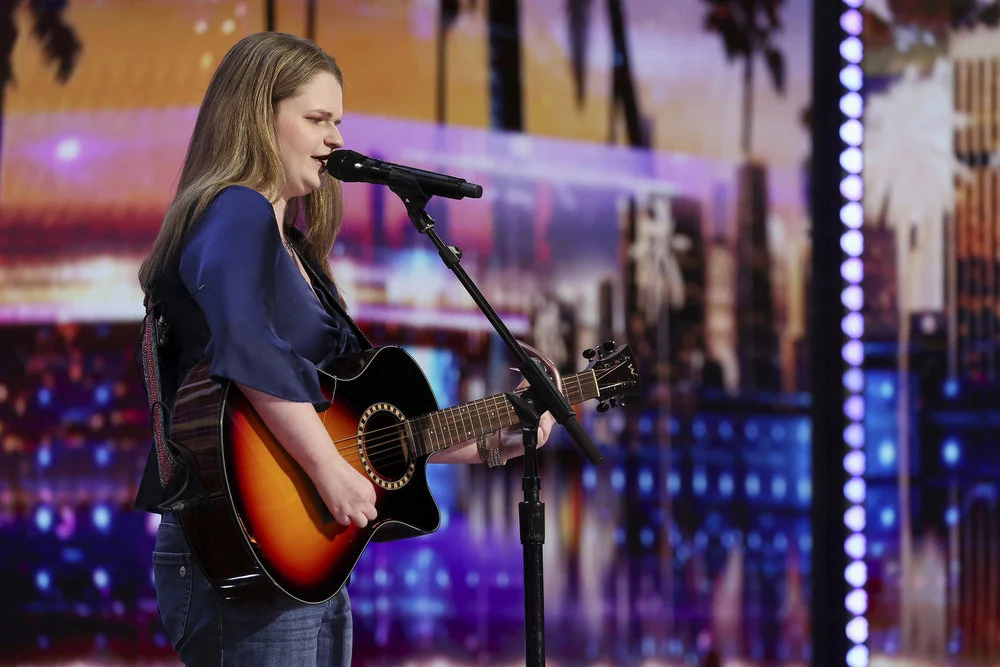
Musical acts dominated the emotional core of the evening. "The Sound," a family band from Romeo, Michigan, delivered a tight country performance. While they received four "yes" votes, Simon Cowell offered a critical piece of advice: "Going forward, we have to go beyond the safe." He urged them to reinvent their song choices to show more versatility.
Conversely, "Los Servidores," a mariachi group from Southern California, surprised the judges by infusing traditional sounds into contemporary tracks. Sofia Vergara was particularly effusive, noting how rarely she gets to hear authentic mariachi music on the main stage.
The evening’s standout, however, was "Pynk Beard" from Birmingham, Alabama. Their high-energy performance left the judges feeling as though they had discovered a legitimate radio hit. Simon Cowell, who is notoriously difficult to please, admitted, "If I had a Golden Buzzer, you’d be getting it," confirming their status as a frontrunner for the season.
The Magic of Youth
Aidan Corcoran, a 19-year-old magician, managed to cut through the noise of the evening with a performance that combined classic sleight-of-hand with modern mentalism. His nerves were palpable, but his execution was flawless. Sofia Vergara remarked on his potential, stating, "If you’re 19 and you can do all this on a stage like this… that was amazing."
Supporting Data: The Road to the Live Shows
The logistics of the competition are now shifting toward the "Judges’ Callbacks." With approximately 100 acts having received at least three "yes" votes, the panel is currently tasked with an impossible selection process. The 44-act capacity for the live shows is mathematically restrictive, meaning more than half of those who received a "yes" will be cut before the semifinals begin.

During the deliberation phase, the judges identified several "no-brainer" acts that will likely advance, including the dance group Come Here, the choir The Community ATL, and the robot-inspired unit, Unitree. Additionally, the magic category is heavily represented, with acts like Young & Strange and Kameron Marshall being cited as potential threats in the competition.
Official Responses and Strategic Shifts
In a move that caught both the audience and the contestants off guard, Simon Cowell proposed a radical shift in the selection process. Recognizing that some acts had potential that wasn’t fully realized in their initial audition, he suggested the "Judges’ Callbacks."
Under this new format, the judges will not simply vote based on a list. Instead, they will invite specific acts to perform for them individually in a more intimate setting. This, Cowell argued, will be "really interesting and fun and good for the contestants." By stripping away the massive audience and the pressure of the main stage, the judges hope to see the true "star quality" of the performers. Each judge will select approximately five to six acts for this personal audition, effectively acting as mentors in a high-pressure, late-stage environment.
Implications for the Season
The introduction of the Judges’ Callbacks suggests that the production team is looking to increase the quality of the live shows. By forcing the acts to perform a second time, they are weeding out "one-hit wonders" who may have relied on a singular gimmick during their initial audition.
Furthermore, the focus on the Callback round signals a shift in the show’s power dynamic. The judges are moving from passive observers to active participants in the curation of the live episodes. This is a critical development; for the contestants, it means that a great audition is no longer enough to guarantee a spot in the spotlight. They must now prove they have the stamina, the repertoire, and the stage presence to sustain a career in the entertainment industry.
As America’s Got Talent heads into this new, more rigorous phase, the pressure on the acts is immense. The transition from the spectacle of the auditions to the focused scrutiny of the Callbacks will undoubtedly redefine the season’s trajectory. For fans watching at home, the message is clear: the real competition has only just begun. The acts who manage to survive this final, intimate vetting process will be the ones fighting for the ultimate title, and as evidenced by the high quality of this season’s talent, the final result is anyone’s guess.