The Final Dispatch: Analyzing the Climax of Cannes 2026
The dust has settled on the Croisette, and the 2026 Cannes Film Festival has officially drawn to a close. While the red carpets have been rolled up and the Palais des Festivals has quieted, the critical conversation remains vibrant. As part of our comprehensive, multi-platform coverage of this year’s competition, the Film Comment editorial team sat down for a final, long-form podcast to dissect the festival’s closing gambit.
In this final dispatch, Film Comment editor Devika Girish convened a powerhouse panel of critics—Justin Chang of The New Yorker, Tim Grierson of Screen International, and Jessica Kiang of Variety—to navigate the final days of a competition marked by formal audacity and emotional resonance. The conversation serves as both a retrospective of the festival’s final premieres and a broader reflection on the state of global cinema as we move into the latter half of 2026.
The Final Week: A Retrospective of Key Competition Titles
The panel’s discussion centered on the films that anchored the final week of the festival. These late-stage premieres often define the legacy of a Cannes edition, leaving the jury and the press with lingering questions and defining images.
Valeska Grisebach’s The Dreamed Adventure
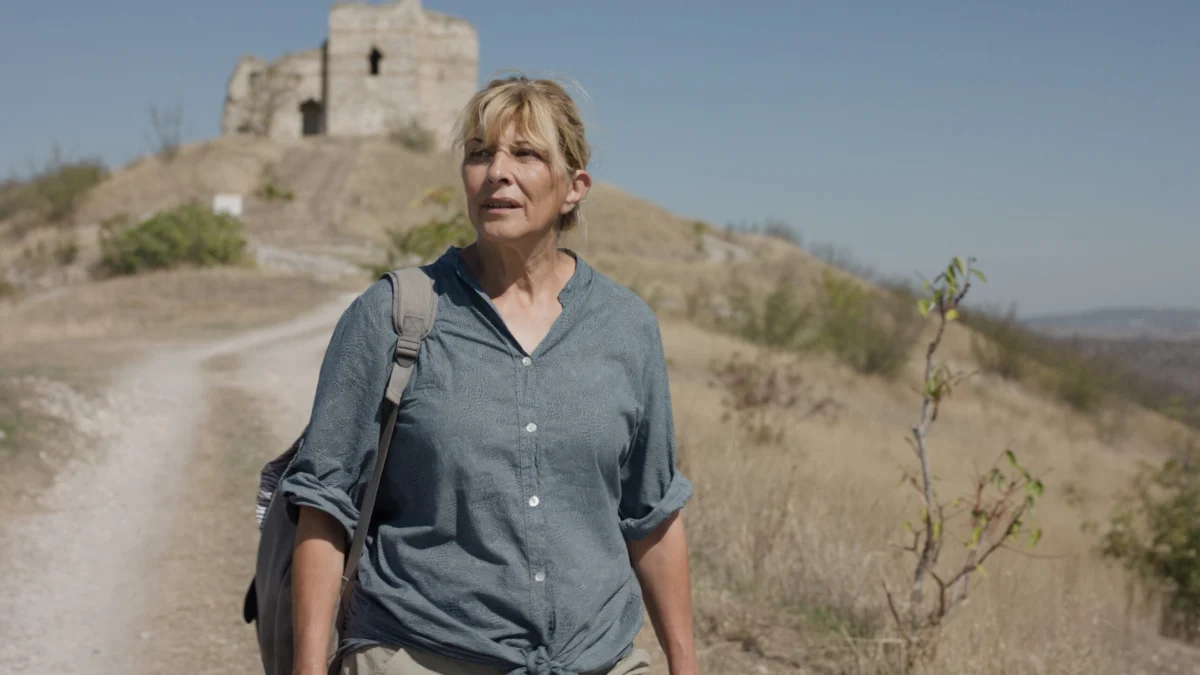
The standout of the closing days was undoubtedly Valeska Grisebach’s The Dreamed Adventure. Having secured the Jury Prize, the film has sparked intense debate regarding the evolution of Grisebach’s neo-realist sensibilities. The panel explored how the film maneuvers through space and character, contrasting it with her previous works. For many, The Dreamed Adventure represents a refinement of the "outsider" archetype, a recurring motif in Grisebach’s filmography that feels particularly urgent in the current political climate. The critics noted how the film’s pacing—deliberate, almost meditative—challenged the hurried nature of the festival environment, ultimately rewarding those who leaned into its atmospheric depth.
Léa Mysius’s The Birthday Party
If The Dreamed Adventure provided the meditative core of the week, Léa Mysius’s The Birthday Party offered a kinetic, stylistic disruption. Mysius has long been a filmmaker of texture and color, and the panel spent considerable time dissecting the sensory language of this latest feature. The conversation touched upon the narrative risks taken by Mysius, specifically her refusal to anchor the film in traditional linear progression. It is a work that demands a visceral response, and the critics noted that, while divisive, it represents a bold step forward for a director who is clearly uninterested in playing by the conventional rules of genre storytelling.
Lukas Dhont’s Coward
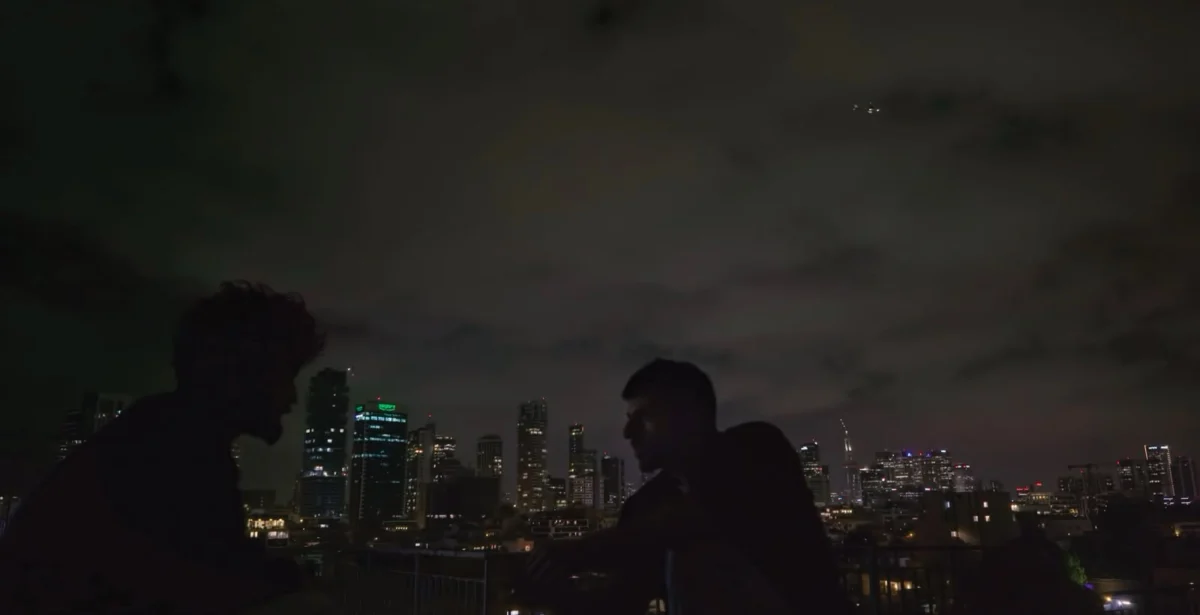
The final competition title discussed was Lukas Dhont’s Coward. Moving away from the heightened theatricality of his earlier work, Dhont delivered a project that is, in the words of the panelists, "painfully interior." The discussion centered on the weight of the film’s title and how the narrative forces the audience to confront the moral ambiguity of its protagonist. It is a film that relies heavily on performance, and the critics praised the restraint displayed by the ensemble cast. Dhont’s ability to find the profound within the domestic continues to be his most striking directorial trait, even as he ventures into more complex, darker thematic territory.
The Resurrection of History: The Devils at Cannes Classics
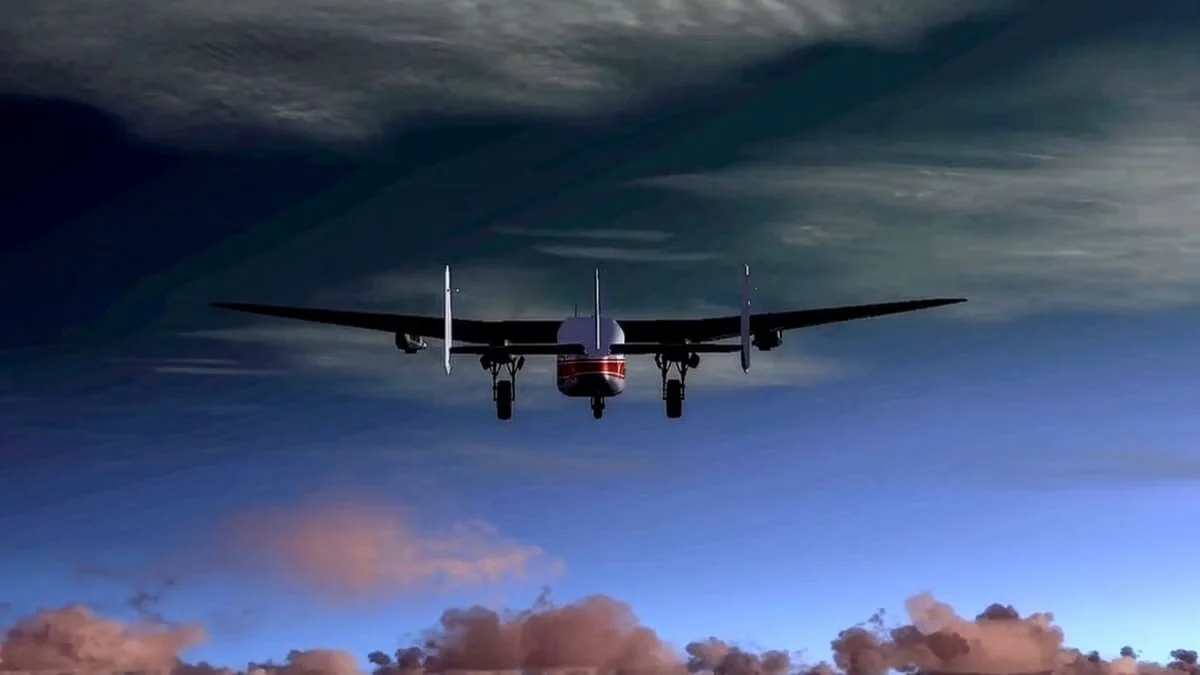
Beyond the competition slate, no discussion of the 2026 festival would be complete without acknowledging the presence of history. The screening of a new, restored print of Ken Russell’s 1971 masterpiece, The Devils, in the Cannes Classics section was a major event.
The panel reflected on the film’s enduring power—and its notorious history of censorship. Viewing The Devils in a modern context allows audiences to see it not merely as a relic of controversial auteurism, but as a technical marvel of production design and editing. The critics discussed how the film’s themes of institutional corruption and mass hysteria feel startlingly contemporary, validating the festival’s decision to elevate this restoration to a primary highlight of the program.
Supporting Data: The Cannes Critics’ Grid and Consensus
To add quantitative weight to the subjective experience of the critics, Film Comment utilized the Cannes Critics’ Grid throughout the festival. This tool provides a vital metric for understanding how the critical establishment reacts to films in real-time.
The 2026 grid revealed a highly fragmented landscape. Unlike previous years where a clear "Palm d’Or" favorite emerged early, this year’s competition saw a wide distribution of high scores. The data suggests that the jury’s final decisions were not necessarily driven by a critical consensus, but rather by specific, targeted advocacy for films that challenged the status quo.
The inclusion of these data points in our podcast discussion provided a necessary counterpoint to the "gut-feeling" analysis that often dominates film criticism. It allowed our panel to pivot from the emotional impact of a film to its reception within the broader industry discourse.
Official Responses and Industry Implications
The fallout from Cannes 2026 is already being felt in the wider industry. Distributors are currently navigating the rights landscape, with the winners of the Jury Prize and the Palme d’Or receiving the most immediate attention. However, the "sleeper" films—those that sparked intense critical debate on our podcast—are also seeing a surge in interest from arthouse platforms and international film festivals.
Official statements from the festival organizers emphasized a "return to the theatrical experience." The emphasis on 70mm and restored classics like The Devils is an intentional signal to the industry: the festival remains the primary venue for the celebration of film as a medium of scale and permanence.
The implications for the next twelve months are clear. We are entering a period where filmmakers are increasingly leaning into the "slow-burn" aesthetic, prioritizing thematic density over narrative velocity. This shift, observed in the works of Grisebach and Dhont, signals a departure from the high-octane blockbusters that dominated the mid-2020s, favoring instead a return to the character-driven, auteur-focused cinema that defined the New Waves of the 20th century.
The Road Ahead: Why Coverage Matters
As we conclude our coverage of Cannes 2026, it is worth noting why these conversations remain vital. In an era where algorithms dictate much of our cultural consumption, the role of the critic is to act as a curator of meaning. By bringing together voices from The New Yorker, Screen International, and Variety, Film Comment aims to bridge the gap between casual moviegoing and the deep, analytical study of film history.
The final podcast is not just a review of the films themselves; it is a document of a moment in time. It captures how these specific critics, in this specific room, interpreted the anxieties and triumphs of the year 2026.
For those who wish to dive deeper into these discussions, we encourage readers to subscribe to the Film Comment letter. As we transition from the summer issue to our upcoming fall programming, we will continue to follow the trajectories of the films premiered on the Croisette, tracking their journey from the festival screen to the global stage.
The festival may be over, but the work of processing its offerings has only just begun. The films of 2026 have set a high bar, and the conversation that follows will undoubtedly shape the cinematic discourse for years to come.
To stay up-to-date with all our Cannes 2026 coverage, including full transcripts of the closing podcast and exclusive interviews with the filmmakers, subscribe to Film Comment today.