Dispatch from the Spa: Uncovering Cinematic Treasures at the 60th Karlovy Vary Film Festival
The 60th Karlovy Vary International Film Festival (KVIFF) has once again transformed the storied Czech spa town into the epicenter of the global arthouse scene. Nestled in the verdant valley of the Teplá River, Karlovy Vary offers a unique confluence of Bohemian elegance and avant-garde programming. This year’s milestone edition has proven to be a masterclass in curation, balancing the prestige of the international festival circuit with the granular discovery of hidden gems that have long defined the festival’s identity.
In the latest episode of the Film Comment podcast, editor Clinton Krute, reporting live from the ground in the Czech Republic, sat down with critic and Film Comment veteran Robert Daniels (RogerEbert.com) to parse through the festival’s most compelling offerings. Their conversation provides a comprehensive look at a program that continues to evolve while honoring a rich, complex history that stretches back to its days as a rotating fixture between Moscow and Karlovy Vary.
The Karlovy Vary Legacy: A Historical Context
To understand the significance of this year’s 60th anniversary, one must look at the festival’s trajectory. Originally established in 1946, KVIFF has survived the political shifts of the 20th century to emerge as one of the most vital festivals in Central Europe. Its historical mandate—to bridge the gap between Eastern and Western cinema—remains a cornerstone of its current programming.
The retrospective sidebar featured at this year’s edition is a testament to this legacy. By revisiting favorites from the festival’s storied past, the organizers have provided a mirror to the present, showcasing how the festival has transitioned from a Cold War-era cultural outpost to a modern, inclusive, and boundary-pushing event. For attendees, the festival remains a "mid-summer stop" for major international films, but it is in the competition sections where the real magic lies: the discovery of regional voices that often go ignored by the more commercially driven festivals in Cannes or Venice.
Deep Dive: A Chronology of Critical Highlights
The discussion between Krute and Daniels highlights a diverse slate of films, each capturing a different facet of the contemporary human condition. The following highlights constitute the backbone of their critical discourse:
1. Dao (dir. Alain Gomis) – The Opening Anchor
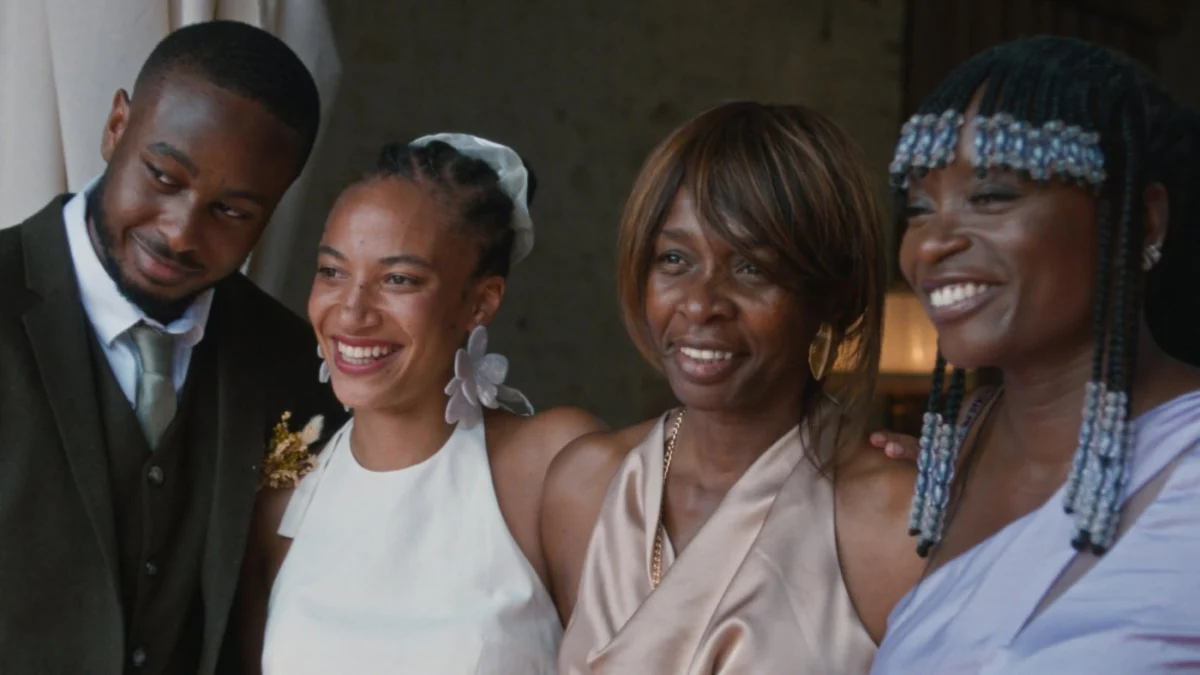
The conversation begins with Alain Gomis’s Dao (3:09). Described by the critics as a sweeping family epic, Dao stands as one of the festival’s most ambitious projects. Gomis, known for his keen eye for cultural intersections, crafts a narrative that feels both intimate and grand in scale. The film explores the complexities of kinship and identity, placing the audience within the visceral, emotional landscape of its characters. Its inclusion in the competition signals a strong commitment to bold, narrative-driven filmmaking that demands deep engagement from its viewers.
2. The Hanging of Stuart Cornfeld (dir. Joan Bofill Amargós)
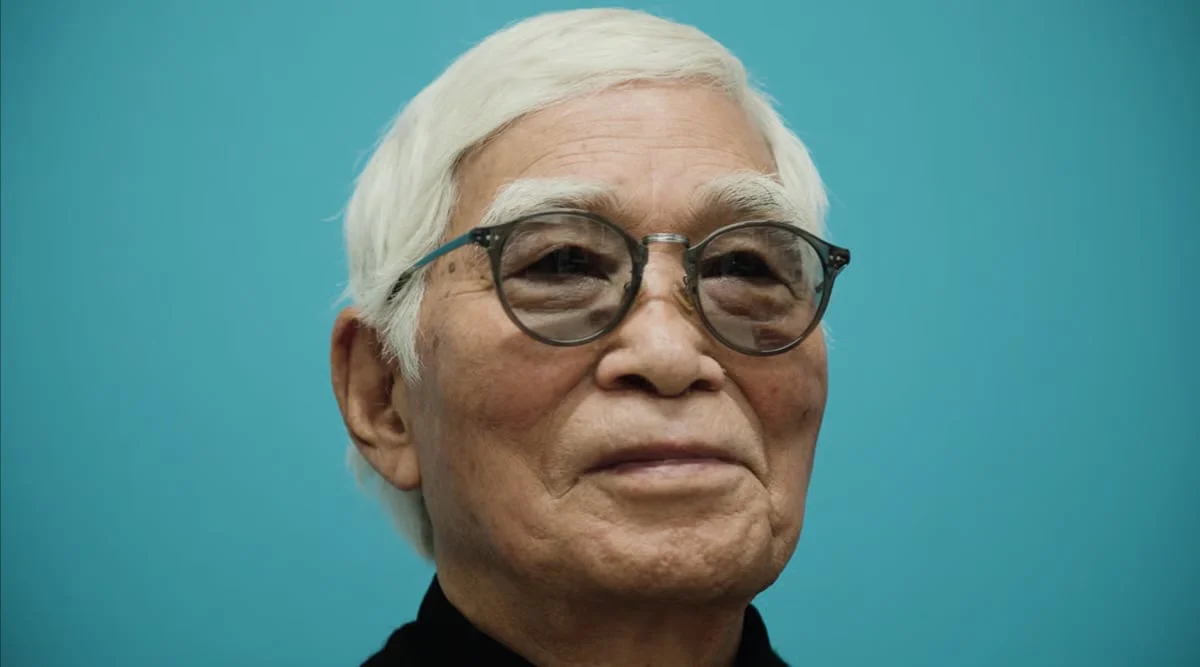
Shifting gears from fiction to the portraiture of the industry itself, the podcast highlights The Hanging of Stuart Cornfeld (16:50). This documentary provides an unfiltered look at the life and career of the legendary Hollywood producer. Amargós avoids the trap of the standard "talking head" tribute, opting instead for a structural investigation into what it means to be a power player in the machinery of film production. It is a cynical, yet deeply affectionate, look at a man who helped shape the cinematic landscape of the late 20th century.
3. The Ink-Stained Hand and the Missing Thumb (dir. Yashasvi Juyal)
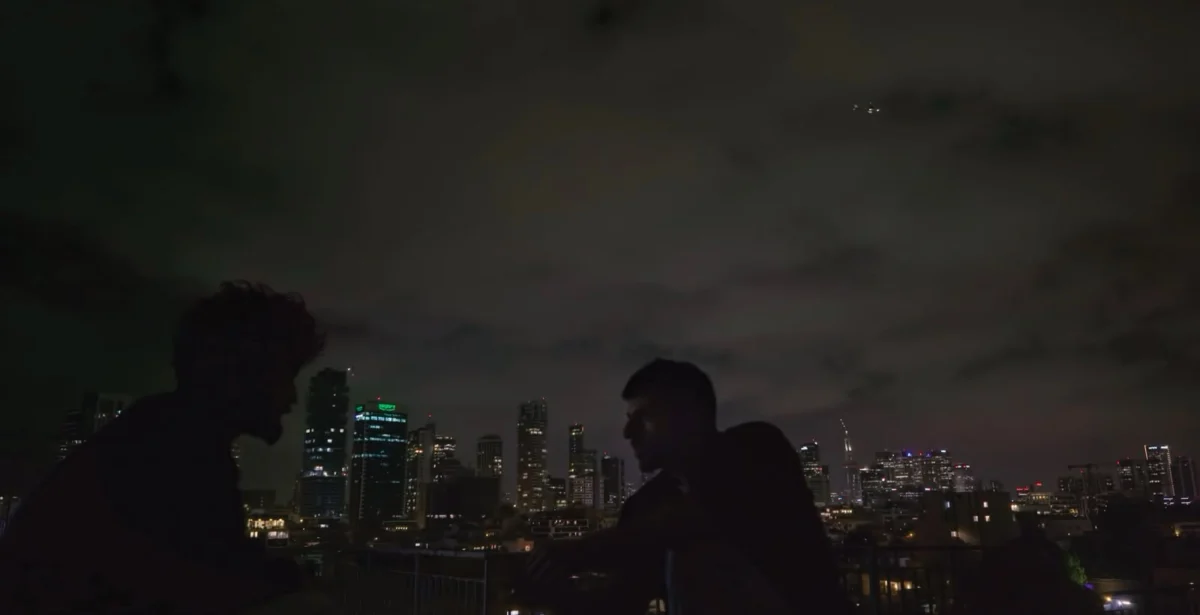
Krute specifically calls attention to Yashasvi Juyal’s magical realist entry, The Ink-Stained Hand and the Missing Thumb (25:42). In a festival often dominated by gritty realism, Juyal’s work acts as a poetic interlude. The film employs a surrealist visual language to interrogate themes of loss and artistic creation, proving that the festival remains a fertile ground for experimental storytelling that challenges the boundaries of traditional narrative cinema.
4. 3 Weeks After (dir. Miroslav Terzić)
Finally, Robert Daniels turns his attention to the tense, claustrophobic drama 3 Weeks After (31:40). Directed by Miroslav Terzić, the film is a searing examination of childhood bullying and the lingering trauma that follows. Daniels praises the film’s restraint and its refusal to offer easy catharsis. It is a difficult, necessary film that highlights the festival’s ability to platform regional cinema that speaks to universal, albeit uncomfortable, truths.
Supporting Data: The Festival as a Cultural Engine
The 60th KVIFF is not merely a venue for screenings; it is an economic and cultural engine for the region. While specific box-office figures for the current edition remain forthcoming, the festival consistently draws over 10,000 accredited guests, including journalists, distributors, and industry scouts.

The festival’s structure—split between the Grand Hotel Pupp, the Thermal Hotel, and various smaller venues—creates a unique "festival bubble." This environment is essential for the Film Comment team’s mission: to move beyond the surface-level hype of film promotion and into the critical marrow of the works presented. The interplay between the established industry elite and the emerging filmmakers from the Central and Eastern European regions is what keeps the KVIFF’s competition sections relevant in an increasingly crowded festival market.
Official Responses and Industry Sentiment
The atmosphere in Karlovy Vary this year is one of measured optimism. Despite the challenges facing global independent cinema—specifically the decline in theatrical attendance for non-franchise films—the festival continues to enjoy strong institutional support.
Festival organizers have noted that this year’s focus on the "retrospective sidebar" was a deliberate choice to ground the 60th-anniversary celebration in the history of the festival itself. By highlighting the films that once defined the festival’s identity, the organizers hope to foster a sense of continuity. Critics like Robert Daniels have responded positively to this, noting that the inclusion of older, lesser-known works allows audiences to contextualize the newer films within a broader, more rigorous cinematic history.
Implications for the Future of Independent Film
The discourse generated at this year’s festival carries significant implications for the future of global cinema. First, the success of films like Dao and 3 Weeks After suggests a continued appetite for narrative-heavy, culturally specific stories that eschew Hollywood’s homogenizing influence.
Secondly, the festival’s focus on documentary portraiture—as seen in the Stuart Cornfeld project—indicates a growing interest in the "meta-cinema" movement, where the process of filmmaking and the lives of those behind the scenes become as compelling as the narratives themselves.
Lastly, the Film Comment podcast’s engagement with these films serves as a vital bridge for international audiences. As the summer 2026 issue of Film Comment prepares to hit the stands, the insights shared by Krute and Daniels act as a primer for what we might expect to see on the global stage in the coming year. The implication is clear: if you want to know what the future of cinema looks like, you must look to the spa towns and the hidden corners of the festival circuit.
Conclusion: A Call to Continued Discovery
As the 60th Karlovy Vary Film Festival nears its conclusion, the task of the cinephile remains: to follow the threads of these stories beyond the festival’s end. Whether it is the magical realism of Juyal or the raw, psychological weight of Terzić, the films highlighted in this year’s podcast serve as a roadmap for the next generation of film criticism.
For those looking to stay engaged with the nuances of these films, subscribing to Film Comment is essential. As the magazine continues its deep-dive coverage of the summer festival circuit, it remains an indispensable voice in an era of fleeting, algorithm-driven consumption. The 60th edition of Karlovy Vary has done more than celebrate a birthday; it has reminded us that cinema, at its best, is a living, breathing dialogue that transcends borders, languages, and time.
This report is part of the Summer 2026 coverage provided by Film Comment. For further insights, analysis, and exclusive interviews from the Karlovy Vary Film Festival, subscribe to The Film Comment Letter and join our growing community of film scholars and enthusiasts.