
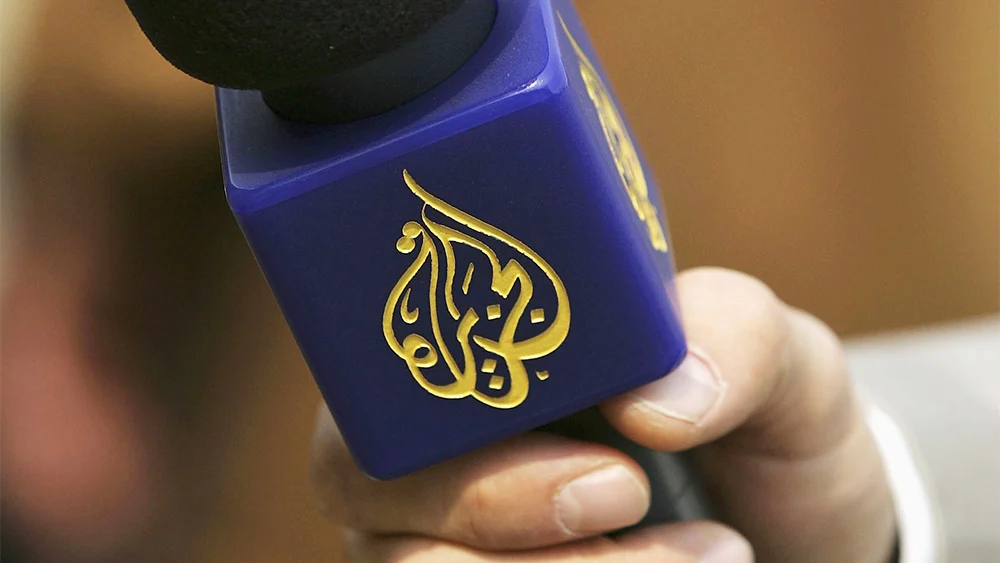
Legal Battle Erupts: Al Jazeera America Sues AT&T Following Carriage Dispute on Launch Day
In a dramatic opening act that highlights the volatile nature of the modern media landscape, Al Jazeera America (AJAM) launched its ambitious news network on Tuesday only to find itself immediately embroiled in a high-stakes legal confrontation. The newly minted cable news network filed a formal lawsuit against telecommunications giant AT&T, alleging that the provider’s decision to drop the channel from its U-verse platform constituted a breach of contract and a wrongful termination of their established affiliation agreement.
The clash, which played out in the Delaware Chancery Court, marks a precarious beginning for the network, which spent months positioning itself as a sober, fact-based alternative to the highly polarized landscapes of its competitors.
The Core Conflict: A Breach of Contract
The lawsuit centers on the transition of the former Current TV distribution platform to the Al Jazeera brand. Earlier this year, Al Jazeera acquired Current TV—the network co-founded by Al Gore—specifically to secure the distribution footprint necessary to reach millions of American households.

Upon the rebranding of Current TV to Al Jazeera America, AT&T moved to remove the channel from its U-verse lineup. In its legal filings, Al Jazeera America asserts that AT&T’s decision was not merely a business disagreement over carriage fees, but a "willful and knowing" violation of a binding contractual obligation.
"The decision by AT&T to unilaterally delete Al Jazeera America presented us with circumstances that were untenable," the network stated in a press release. By seeking judicial intervention, AJAM is aiming to force AT&T to restore the signal, arguing that the telco is contractually bound to carry the channel under the terms inherited from the Current TV acquisition.
Chronology of the Dispute
The tension between the two entities did not emerge overnight. The timeline leading to the current litigation reveals a pattern of negotiations that ultimately failed to produce a consensus:

- Early 2013: Al Jazeera announces its acquisition of Current TV, signaling its intent to enter the U.S. cable market with a domestic-focused, hard-news network.
- Spring/Summer 2013: Negotiations regarding carriage agreements begin between the Qatar-based media conglomerate and major U.S. distributors, including AT&T.
- August 2013: As the launch date for Al Jazeera America approaches, it becomes evident that an agreement with AT&T remains elusive.
- Launch Day (Tuesday): Al Jazeera America officially goes live. Simultaneously, AT&T U-verse pulls the plug on the channel, citing specific breaches of the existing contract by Al Jazeera.
- Post-Launch: AJAM files a complaint in the Delaware Chancery Court, seeking an injunction to maintain carriage and damages for breach of contract.
AT&T’s Position: The Provider’s Defense
In the face of the litigation, AT&T has maintained a firm stance, characterizing the removal of the channel as a direct result of Al Jazeera’s failure to adhere to the existing terms.
"As a result of our inability to come to terms on a new agreement and due to certain breaches by Al Jazeera of the existing agreement, we have decided not to carry the channel on U-verse," an AT&T spokesperson said in an official statement.
While the provider has remained relatively tight-lipped regarding the specific nature of the "breaches" mentioned, industry analysts suggest that such language in carriage disputes often relates to content control, branding requirements, or financial thresholds established in the original deal with Current TV. For AT&T, the move represents the power that major telecommunications providers exert over content creators—a dynamic that frequently turns litigious when a major brand change or ownership transition occurs.

The Strategic Ambition: Al Jazeera’s Market Positioning
The importance of this dispute cannot be overstated, as Al Jazeera America has positioned its launch as a direct challenge to the status quo of American cable news. The network has publicly committed to "unbiased, fact-based, and in-depth coverage," specifically aiming to capture viewers who are fatigued by the "partisan bent" of networks like Fox News and MSNBC.
By acquiring Current TV, AJAM secured a foothold in nearly 40 million U.S. homes. However, the loss of a major carrier like AT&T U-verse significantly reduces that reach, threatening the network’s ability to gain the critical mass of viewership required to sustain a high-budget, global news-gathering operation.
The network’s leadership remains optimistic that the dispute will be resolved in its favor. "Al Jazeera America’s strong hope is to resolve this matter quickly so that AT&T’s customers will have access to our coverage," the network stated.

Implications for the Media Ecosystem
This case serves as a microcosm of the broader challenges facing news networks in the digital age. As cable news struggles to maintain its relevance in an era of cord-cutting and digital alternatives, the control held by "gatekeepers"—the cable and telco companies—becomes increasingly contentious.
1. The Gatekeeper Power Dynamic
The lawsuit highlights the immense leverage wielded by distributors like AT&T, Comcast, and Time Warner Cable. Even a network with the backing of a global media giant like Al Jazeera can be silenced on a platform if the distributor decides the business case no longer holds water. This creates a precarious environment for new entrants, who must rely on favorable carriage agreements to survive.
2. The Impact of Rebranding
The case also raises questions about the transferability of contracts during acquisitions. When a media company buys a network, it expects to inherit the carriage rights. However, distributors often argue that a significant change in content—such as shifting from the progressive-leaning Current TV to the international, hard-news focus of Al Jazeera—constitutes a fundamental change in the service provided, potentially voiding original terms.

3. The Future of Independent Journalism
For proponents of media diversity, the outcome of this lawsuit carries heavy weight. If the court rules that distributors can unilaterally drop channels following a rebranding, it may set a precedent that makes it harder for international or independent media outlets to establish a foothold in the American market. Conversely, a ruling in favor of Al Jazeera could strengthen the hand of content providers in future negotiations, ensuring that distributors cannot arbitrarily remove channels during the term of a contract.
Conclusion: A High-Stakes Legal Precedent
As the Delaware Chancery Court begins to review the merits of the case, the eyes of the media and telecommunications industries will be fixed on the proceedings. The dispute is not just about a single channel on a single service; it is a battle over the control of information access in the 21st century.
For now, AT&T subscribers on the U-verse platform remain without the channel, while Al Jazeera America continues to broadcast to its other affiliates, hoping that the judicial system will force a restoration of its service. Whether the network succeeds in its legal maneuver or is forced to renegotiate from a position of weakness remains to be seen. What is clear is that Al Jazeera America’s launch has been defined not just by the news it intends to cover, but by the legal war it is now forced to fight to reach its audience.