Fractured Unity: Japan’s Constitutional Democratic Party Faces Internal Revolt Over Centrist Merger
By Political Correspondent
The landscape of Japanese politics is currently defined by a profound sense of realignment, yet the path toward a unified opposition remains fraught with deep-seated internal dissent. Recent findings from a Jiji Press survey have cast a spotlight on the growing divide within the Constitutional Democratic Party of Japan (CDP), revealing that a significant majority of its prefectural chapters are resisting the party leadership’s push toward a merger with the Centrist Reform Alliance (CRA).
This political maneuvering, which began with high hopes for a unified front against the ruling establishment, has instead morphed into a test of institutional loyalty versus grassroots autonomy. As the party grapples with the fallout of a disastrous electoral performance earlier this year, the question of whether the CDP should dissolve its identity into the CRA has become the defining crisis of its current leadership.
The Core Conflict: A Survey of Discontent
The data provided by the Jiji Press survey—conducted among senior officials across Japan’s prefectural chapters—serves as a barometer for the internal friction currently paralyzing the party. The numbers are stark: out of the 47 prefectures, 15 chapters have formally expressed opposition to the proposed merger. Only seven chapters have declared their support, while a significant block of 25 chapters remains non-committal or has chosen to withhold comment entirely.
This widespread hesitancy suggests a party in the midst of an existential identity crisis. For many local organizers, the CDP represents a distinct ideological tradition—one rooted in constitutional liberalism and social democratic values. The prospect of subsuming this identity into the Centrist Reform Alliance, which includes members of Komeito, is viewed by many as a dilution of the party’s mission that could alienate its core voting base.
Chronology of a Failed Alignment
To understand the current impasse, one must look back to the origins of the CRA and the events that catalyzed the current turmoil.
The Genesis of the CRA
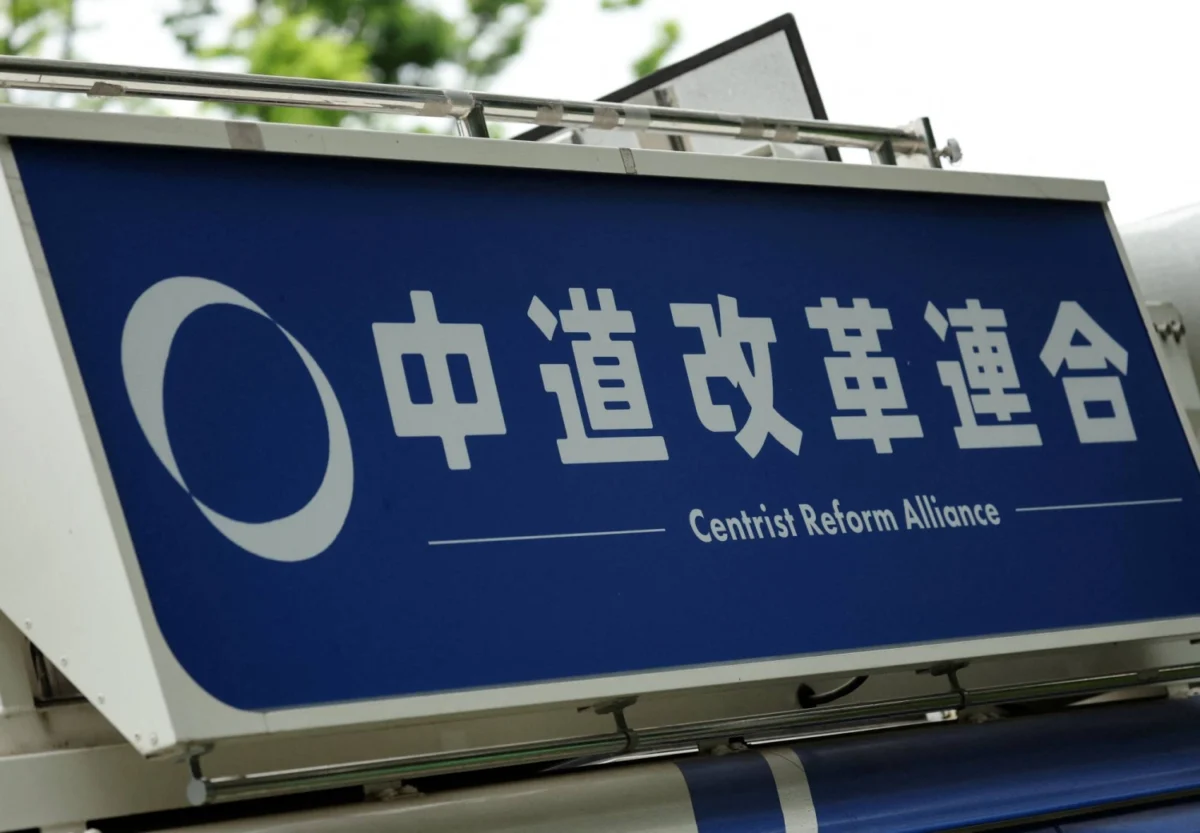
Six months ago, in a bold move to consolidate the center-left and moderate-conservative vote, lawmakers from the Constitutional Democratic Party of Japan and Komeito announced the formation of the Centrist Reform Alliance. The alliance was touted as a "third way"—a pragmatic coalition designed to break the long-standing hegemony of the Liberal Democratic Party (LDP) and offer a viable alternative to voters exhausted by political stagnation.
The February Debacle
The high-minded rhetoric surrounding the alliance was quickly shattered by the harsh realities of the ballot box. In the House of Representatives election held in February, the newly formed CRA suffered a crushing defeat. The electorate, seemingly unconvinced by the ideological marriage of convenience between the CDP and Komeito, delivered a stinging rebuke.
The Aftermath
Following the February defeat, the momentum for the alliance stalled. Rather than acting as a catalyst for growth, the CRA became a symbol of political failure. The CDP leadership, however, has persisted in its efforts to formalize the union, leading to the current rift between central party headquarters in Tokyo and the regional power bases that constitute the party’s grassroots strength.
Supporting Data: Understanding the Grassroots Resistance
The reluctance of the prefectural chapters is not merely a matter of political intuition; it is grounded in a pragmatic assessment of electoral viability. The 25 chapters that opted not to answer the Jiji Press survey represent a "silent majority" that reflects a deep concern regarding the party’s strategic direction.
Political analysts note that in local politics, the CDP’s prefectural chapters rely heavily on labor unions and established liberal interest groups. These groups have historically been skeptical of Komeito, given its traditional ties to the Soka Gakkai religious movement. The merger with the CRA forces these regional entities to reconcile their long-standing animosities with the new mandate from the national party.

When analyzing the 15 chapters in opposition, it becomes clear that the opposition is concentrated in regions where the CDP has historically maintained a strong, independent brand. In these districts, the party identity is not just a label—it is a platform built over years of community engagement. The threat of losing that identity to a centralized alliance is seen as an existential risk to their local political influence.
Official Responses and Internal Tensions
The leadership of the CDP, currently navigating the fallout of the survey, has been tight-lipped, though internal sources suggest a sense of mounting frustration. High-ranking party officials have argued that without the merger, the party risks becoming a permanent minority, unable to influence national policy or challenge the LDP’s legislative dominance.
"The goal of the Centrist Reform Alliance was never to erase our history, but to expand our reach," one party strategist stated on condition of anonymity. "However, it is clear that we have failed to communicate this effectively to our colleagues in the regions. We are now in a phase of internal reconciliation."
Conversely, critics within the party have been more vocal. Some senior regional figures have openly suggested that if the national leadership continues to pursue the merger against the wishes of the prefectural chapters, the party could face a significant exodus of members. The specter of a split—or the formation of a splinter party—now hangs over the CDP, threatening to further weaken the opposition at a time when voters are increasingly looking for stability.
Broader Implications for Japanese Politics
The struggle within the CDP carries implications that extend far beyond the party itself. Japan’s political system has long been criticized for its lack of a robust, unified opposition. The failure of the CRA to gain traction suggests that the Japanese electorate is not necessarily looking for "centrism" if that centrism comes at the cost of ideological clarity.
The Vacuum of Power
If the CDP remains paralyzed by internal conflict, the LDP will continue to operate with little meaningful opposition. This, in turn, risks an increase in voter apathy and a decline in turnout during future election cycles. The health of a democracy relies on the strength of its opposition, and the current state of the CDP serves as a cautionary tale of how top-down political engineering can fail to resonate with the complexities of regional political landscapes.
The Future of Coalitions
The experiment with the CRA may ultimately be remembered as a failed attempt to force a political shift through institutional shortcuts. As parties look toward the next national election, the lessons from this experience will likely influence how they approach coalition-building. The primary lesson is clear: alliances must be built from the ground up, not imposed by parliamentary leadership.
Conclusion: A Path Forward or a Slow Decline?
As the CDP faces this crossroads, the leadership must decide between two difficult paths. They can continue to push for the merger with the CRA, potentially alienating their base and risking a permanent schism within their organization. Alternatively, they can pause the merger, pivot toward rebuilding trust with their regional chapters, and refine their policy platform to better reflect the concerns of their constituents.
The Jiji Press survey is not just a collection of data points; it is a warning. The Constitutional Democratic Party of Japan is at its most vulnerable moment in years. Whether they emerge from this crisis as a more unified and focused opposition force or continue to fracture under the weight of their own strategic miscalculations remains to be seen.
In a time where voters are increasingly sensitive to the authenticity of their political representatives, the CDP’s journey serves as a reminder that political survival is not achieved through structural reorganization alone. It requires a shared vision—one that is held not just by the elite in Tokyo, but by the volunteers, organizers, and local representatives who bring the party to life in every prefecture across the nation.
The coming months will be decisive. If the CDP cannot find a way to align its national ambitions with its grassroots reality, the Centrist Reform Alliance may well go down in history as the catalyst for the party’s irrelevance rather than its salvation.