The Quantified Body: How Smart Design and Advanced Tech Are Redefining the Modern Fitness Landscape
In an era dominated by the relentless quantification of human existence, the fitness market has long threatened to collapse under its own technological weight. Today, consumers are bombarded with an overwhelming array of biometric gizmos, prompting a widespread fatigue that makes it easy to believe physical exertion somehow ceases to count if it is not immediately synced, logged, and analyzed by a smartphone.
From bulky wrist-worn bracelets that double as aesthetic eyesores to skin-tight bodysuits designed to measure the microscopic twitch of every individual muscle fiber—and even "smart hats" engineered to read your pulse directly through an overheating scalp—the fitness hardware sector has frequently prioritized data density over human dignity.
It is time, therefore, for a radical exercise in subtraction. The key to modern physical wellness is not accumulating every sensor available on the market; rather, it is about selecting streamlined, intelligent workout gear that you will actually use, allowing you to elevate your heart rate and track your progress in style.
Main Facts: The New Vanguard of Fitness Technology
The contemporary wellness ecosystem is shifting away from awkward, hyper-specialized laboratory experiments and moving toward seamless lifestyle integration. Consumers no longer want to look like cyborgs just to track a morning jog. Instead, the current gold standard of fitness technology relies on sophisticated engineering hidden behind sleek, intuitive user experiences.
Three standout products currently dominate this intersection of high fashion, advanced biometrics, and everyday utility:
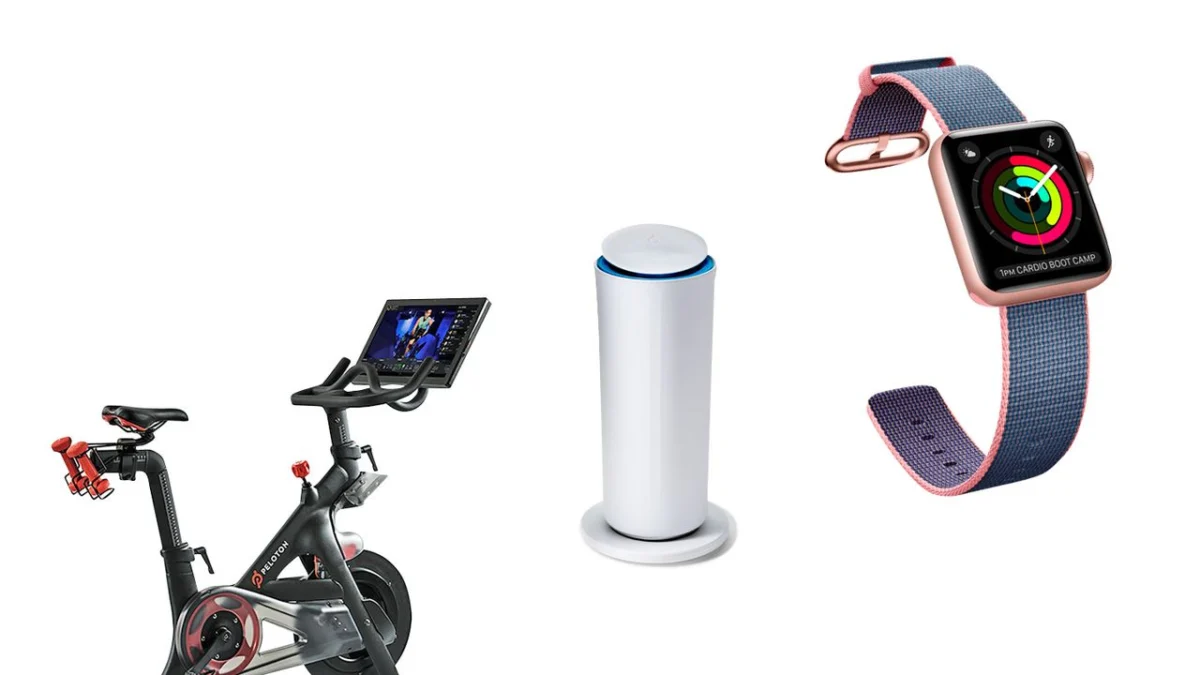
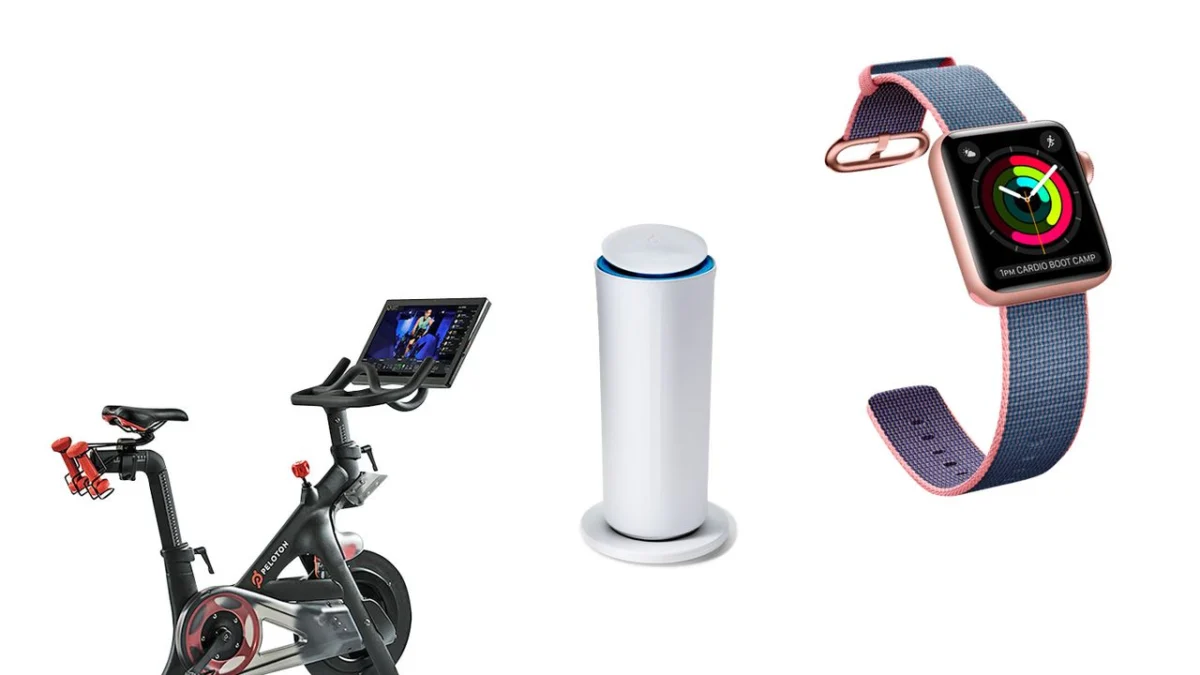
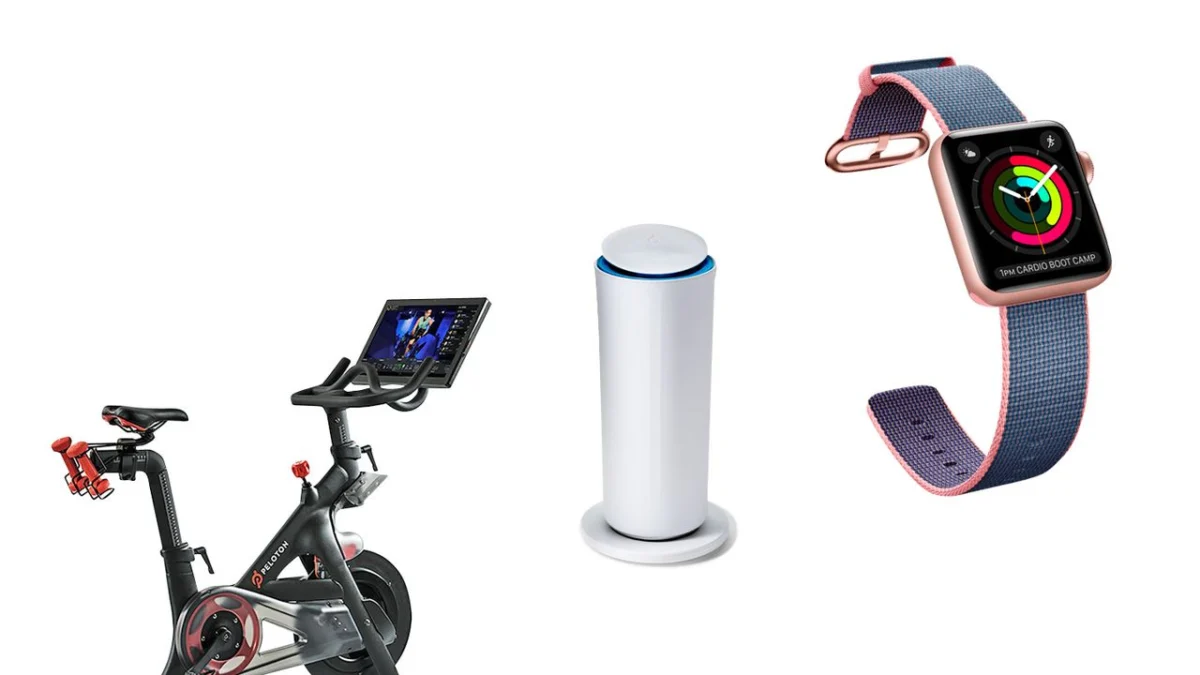
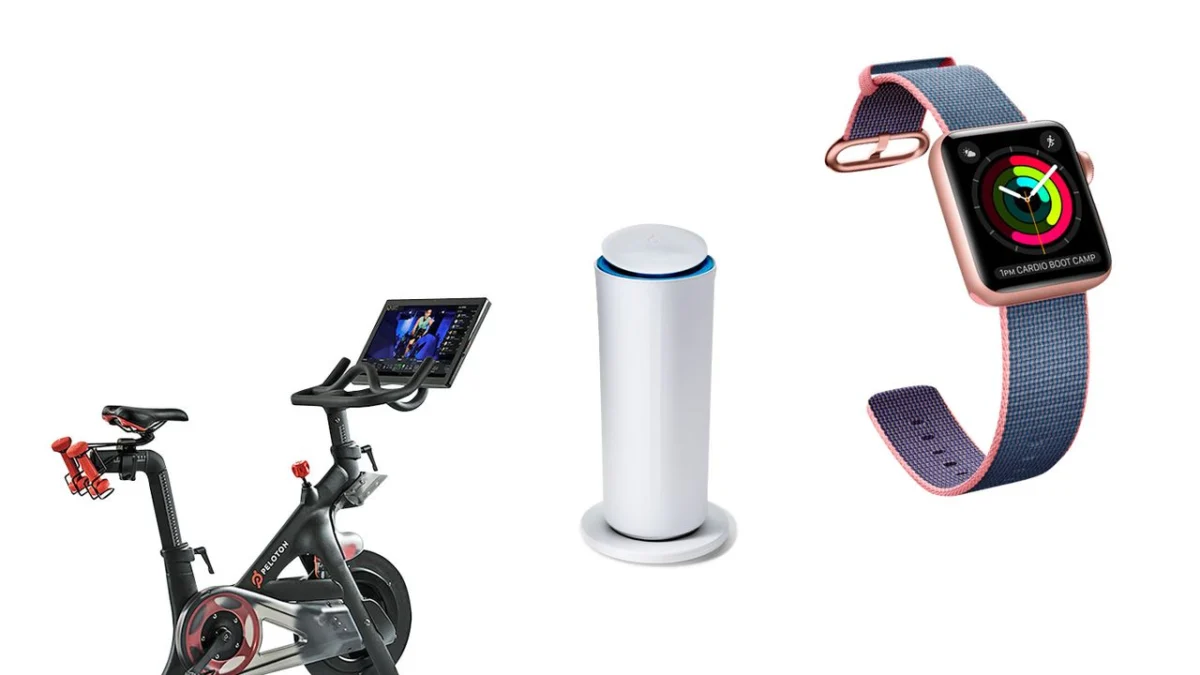
- The Apple Watch Series 2 ($369–$1,299): The tech giant’s sophomore wearable offering bridges the gap between lifestyle accessory and elite athletic instrument. With a staggering array of customizable cases, colors, and swappable bands, it delivers standalone functionality—most notably built-in G.P.S. and true water resistance—that frees athletes from the tether of their smartphones.
- The Peloton Indoor Bike ($1,995 plus a $39 monthly subscription): Bringing the boutique studio experience directly into the domestic sphere, this carbon-steel-and-aluminum indoor cycle combines heavy-duty physical manufacturing with an immersive HD touchscreen, offering on-demand and live-streamed classes without the abrasive shouting of an in-person instructor.
- The Pryme Vessyl ($99): Proving that hydration tracking has entered the smart home era, this intelligent tumbler uses wireless charging and companion app integration to calculate, monitor, and encourage optimal daily fluid intake based on individual biometric feedback.
Together, these devices represent a paradigm shift: technology is no longer an obstacle standing between you and your workout; it is the frictionless enabler of it.
Chronology: The Evolution of the Smart Fitness Movement
To understand how we arrived at an era where a wristwatch can track an open-water swim and a water bottle can calculate your daily cellular hydration, it is instructive to trace the historical timeline of fitness tracking.
The Era of Crude Measurement (Pre-2010s)
For decades, fitness monitoring was the exclusive domain of elite sports scientists and dedicated cardiologists. The chest-strap heart rate monitor, introduced commercially in the early 1980s by companies like Polar, revolutionized endurance training by offering real-time feedback on cardiovascular zones. However, these units were notoriously uncomfortable, prone to signal interference, and completely disconnected from digital ecosystems. Data had to be manually jotted down in paper logbooks.
The Quantified Self and the Step-Counting Boom (2010–2014)
The early 2010s marked the birth of the "Quantified Self" movement. Brands like Fitbit and Nike popularized the simple wristband equipped with a rudimentary tri-axial accelerometer. The primary metric of success became the magical, yet scientifically arbitrary, 10,000 steps a day. While these devices succeeded in raising public awareness about sedentary lifestyles, they suffered from significant technological limitations: they lacked G.P.S., could not accurately distinguish between running and cycling, and were strictly not waterproof.
The Convergence of Lifestyle and Biometrics (2015–Present)
As computational power shrank and sensor technology matured, the boundaries between consumer electronics and athletic equipment dissolved. The introduction of the original Apple Watch in 2015 established the wrist as prime digital real estate, but early iterations lacked the standalone hardware required by serious endurance athletes.
By the time Apple prepared to launch the Series 2, the mandate had changed: the device needed to be a true, untethered sports computer. Concurrently, companies like Peloton recognized that urban professionals were willing to invest heavily in premium, at-home hardware to bypass the logistical friction of commuting to crowded, high-end boutique fitness classes. The modern era of fitness tech was officially born—one that values both rigorous engineering and aesthetic elegance.
Supporting Data: Behind the Engineering and Testing
Behind the glossy marketing campaigns of these premier fitness devices lies years of exhaustive research, rigorous stress-testing, and massive human trials. The margin for error in biometric tracking is exceedingly narrow; consumers quickly abandon products that miscalculate caloric burn, drop G.P.S. signals, or break under standard athletic use.
Apple Watch Series 2: The Swimming Trials
The most significant engineering hurdle for the Apple Watch Series 2 was achieving genuine, uncompromised water resistance suitable for lap swimming. To ensure the device’s internal algorithms could accurately calculate caloric expenditure and stroke efficiency in an aquatic environment, Apple undertook an unprecedented testing protocol.
According to exclusive data shared with media outlets, Apple culled from its global employee base a diverse cohort of more than 700 swimmers spanning all skill levels, from casual weekend paddlers to competitive masters athletes. Over the course of the development cycle, these participants turned in a combined 1,500 hours of testing across the four foundational swim strokes: freestyle, backstroke, breaststroke, and butterfly.
Furthermore, the Series 2 distinguished itself in the broader wearable market by dedicating significant computational architecture to monitoring both aerobic and anaerobic activity. While the vast majority of legacy fitness trackers focus exclusively on steady-state aerobic exertion (such as long-distance jogging), the Series 2 utilizes custom algorithms to capture the explosive, high-intensity intervals characteristic of modern athletic training.
Peloton Indoor Bike: Structural Integrity and Iteration
Indoor cycling bikes face a unique mechanical challenge: they must endure punishing, high-torque lateral forces generated by standing sprints while remaining stable and whisper-quiet in a residential living room.
Peloton subjected its hybrid carbon-steel-and-aluminum frame to a rigorous two-year design and testing phase. Engineers simulated decades of aggressive wear-and-tear to ensure that riders of vastly different physical dimensions—from petite endurance cyclists to powerful, heavy-set sprinters—could push their limits without structural compromise. The integration of a high-definition touch screen required extensive electrical engineering to eliminate latency, ensuring that streaming high-intensity classes felt instantaneous and immersive.
Pryme Vessyl: Micro-Biometrics of Hydration
While previously considered a novelty, the Pryme Vessyl utilizes sophisticated capacitive sensing technology to measure liquid volume down to the ounce. By syncing continuously with a companion smartphone application that factors in age, weight, gender, and daily activity levels determined by your wearable tech, the tumbler dynamically adjusts your personalized "Pryme goal"—the optimal hydration threshold required to maintain peak cognitive and physical performance throughout the day.
Official Responses and Industry Perspectives
The rapid commercial success of these devices has prompted a profound philosophical shift within the wellness and technology sectors. Manufacturers are no longer merely selling hardware; they are curating ecosystems of accountability and lifestyle enhancement.
Apple’s Focus on Total Independence
In interviews surrounding the release of the Series 2, Apple’s executive team emphasized that the elimination of smartphone dependency was the single most requested feature from their consumer base.
"For years, runners and cyclists felt penalized for leaving their digital tethers behind," noted a senior product spokesperson during the rollout. "With the integration of onboard G.P.S. and class-leading water resistance, we wanted to create a device that respects the athlete’s focus. When you are pushing through an open-water swim or sprinting up a steep trail, the last thing you want to worry about is whether your phone is getting waterlogged in your pocket. The technology should fade into the background, leaving only the data and the experience."
The Peloton Phenomenon: Community Without the Commute
Peloton’s leadership has consistently framed their product not as a piece of exercise equipment, but as a digital community portal. By removing the geographical and social barriers associated with elite fitness studios, the company tapped into a massive, underserved demographic.
Industry analysts have praised the company’s approach to home-gym psychology. By offering themed courses ranging from 90s hip-hop rides to tranquil "scenic jaunts" through foreign landscapes, Peloton successfully gamified the indoor cycling experience. The elimination of the traditional, intimidating "screaming spin instructor" in favor of charismatic, empathetic digital coaches has transformed a solitary chore into an eagerly anticipated daily ritual.
The Role of Micro-Habits in Wellness
Health psychologists have increasingly weighed in on peripheral devices like the Pryme Vessyl, noting that sweeping lifestyle changes often fail because they ignore micro-behaviors.
"People frequently focus exclusively on major workouts while neglecting foundational biological requirements like hydration," notes Dr. Elena Vance, a behavioral kinesiologist. "When a smart water bottle gently nudges you to drink more water based on real-time biometric data from your watch, it closes the loop on holistic health. It turns an unconscious oversight into an mindful habit."
Implications: The Future of Health, Privacy, and Personal Fitness
As we look toward the horizon of the quantified fitness movement, the implications of these technological advancements extend far beyond individual weight loss or athletic PRs. They touch upon profound questions of data privacy, healthcare integration, and the evolving definition of human well-being.
The Democratization of Advanced Biometrics
Historically, continuous monitoring of aerobic and anaerobic thresholds, stroke efficiencies, and hydration cycles was restricted to professional athletes working with heavily funded sports science laboratories. Today, consumer-grade devices costing a few hundred dollars put institutional-grade diagnostic capabilities directly onto the wrists and into the homes of everyday citizens. This democratization of data empowers individuals to take proactive control of their metabolic health, potentially identifying cardiovascular anomalies or overtraining syndromes long before they manifest as clinical issues.
The Intersection of Fitness and Healthcare
Insurance providers and corporate wellness programs are taking notice. As wearables become increasingly accurate—capable of tracking resting heart rates, sleep quality, and high-intensity output with clinical precision—the line between consumer fitness gadgets and preventative medical devices continues to blur. In the near future, the data gathered during a Peloton ride or an Apple Watch swim session could serve as vital telemetry for personalized healthcare plans, shifting the medical paradigm from reactive treatment to proactive optimization.
Navigating Digital Fatigue
Yet, as these devices become more ubiquitous, the challenge for the modern consumer will be maintaining agency over their own technology. The proliferation of smart gear must be met with mindful curation. As the initial philosophy of this technological evolution dictates: subtraction is just as important as addition.
Whether you choose an untethered smartwatch to conquer open-water swimming, a high-end stationary bike to transform your living room into a private cycling sanctuary, or an intelligent tumbler to master your daily hydration, the ultimate metric of success remains unchanged. Technology should never dictate how you move; it should simply provide the canvas upon which you write your own physical story.
Swim, sweat, hydrate, and reclaim your wellness on your own terms.