Beyond the Gadget Grid: How Streamlined Tech and Intelligent Design Are Redefining the Modern Fitness Landscape
Introduction: The TMI Era of Modern Fitness
In an era dominated by relentless data quantification, stepping into the world of physical fitness can feel less like a journey toward personal well-being and more like reporting to a high-tech laboratory. The modern consumer is bombarded by an overwhelming ecosystem of digital peripherals. From bulky wrist-worn bracelets plastered with blinking LEDs to awkward, skin-tight bodysuits designed to measure the micro-twitch of every individual muscle fiber, the market has reached a saturation point of hyper-instrumentation. There are even commercially available "smart hats" engineered to monitor a wearer’s cardiovascular pulse through an overheating scalp during a grueling summer jog.
For the average individual looking to maintain a healthy lifestyle, this techno-glut has fostered a pervasive cultural anxiety: if a workout isn’t actively synced, quantified, logged, and broadcast to a cloud-based dashboard, did it even happen?
It is high time for subtraction. The modern fitness movement is undergoing a necessary philosophical correction—a pivot away from cumbersome, over-engineered apparatuses toward sleek, intuitive gear that users will actually want to incorporate into their daily routines. The objective is no longer to drown in a sea of telemetry, but to streamline the path to an elevated heart rate while maintaining a sense of style and personal agency.
To help consumers navigate this landscape of simplified, high-performance wellness technology, we examine three definitive pillars of the modern fitness revolution: the independently mobile Apple Watch Series 2, the immersive and private Peloton indoor cycling ecosystem, and the hyper-intelligent hydration tracking of the Pryme Vessyl.
Main Facts: The New Vanguard of Wellness Hardware
When evaluating the current generation of fitness hardware, three distinct products stand out not for the sheer volume of data they collect, but for the precision, utility, and elegance with which they deliver it.
1. The Apple Watch Series 2
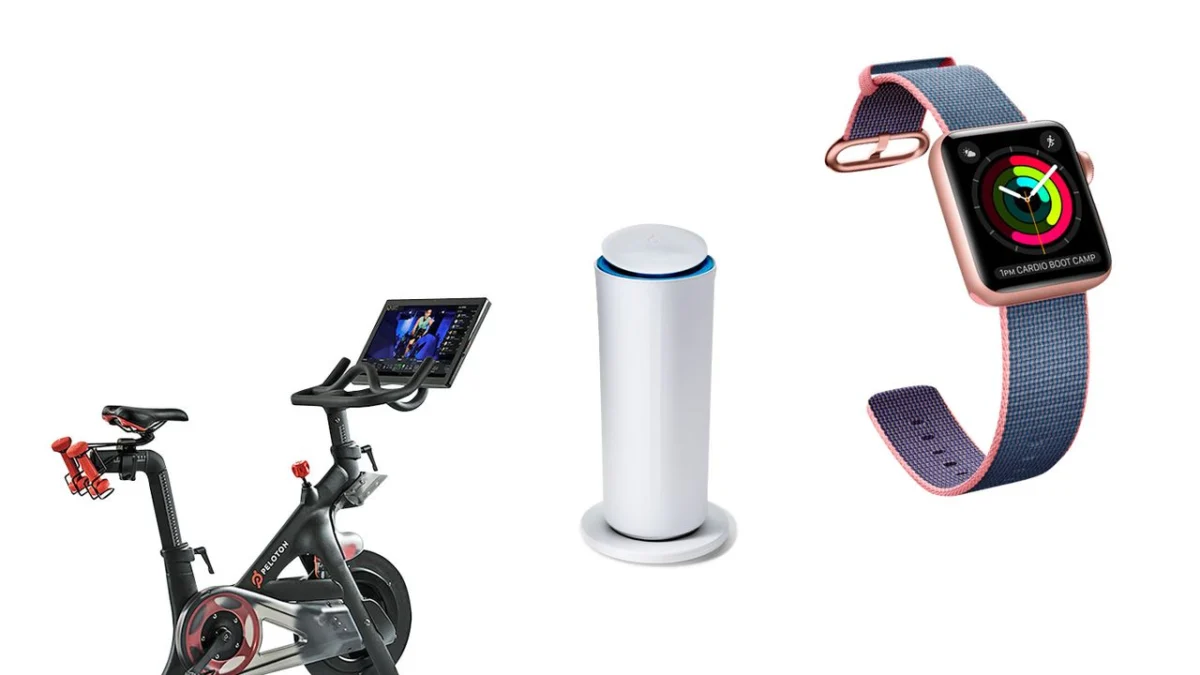
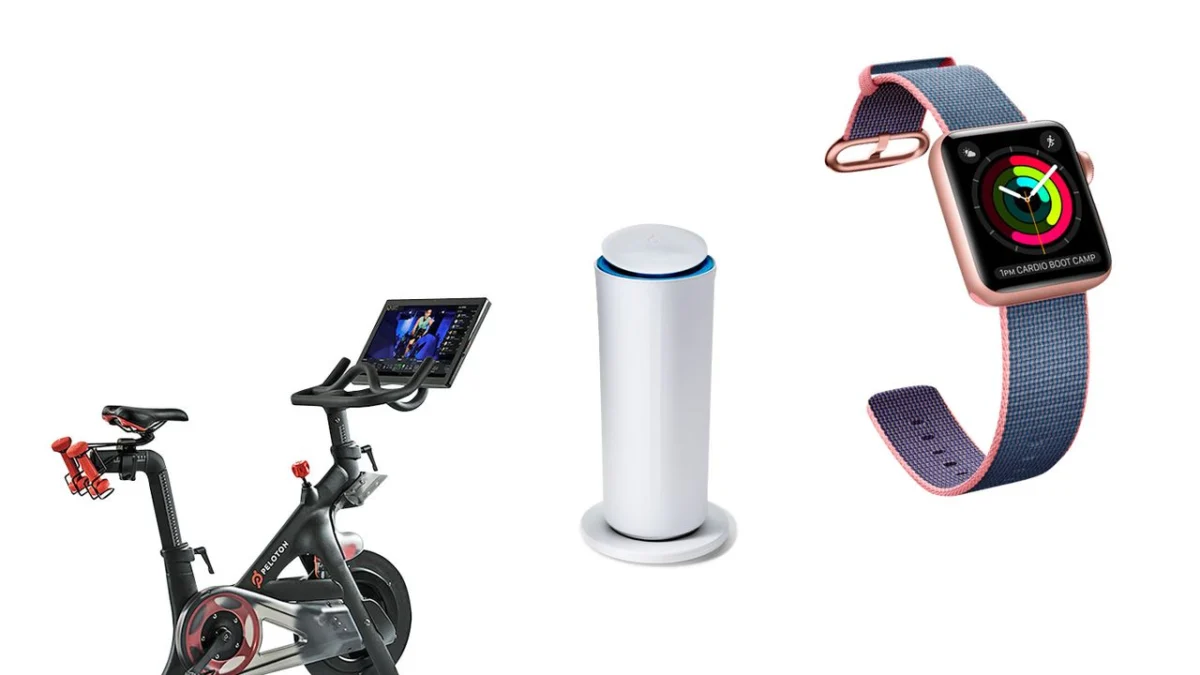
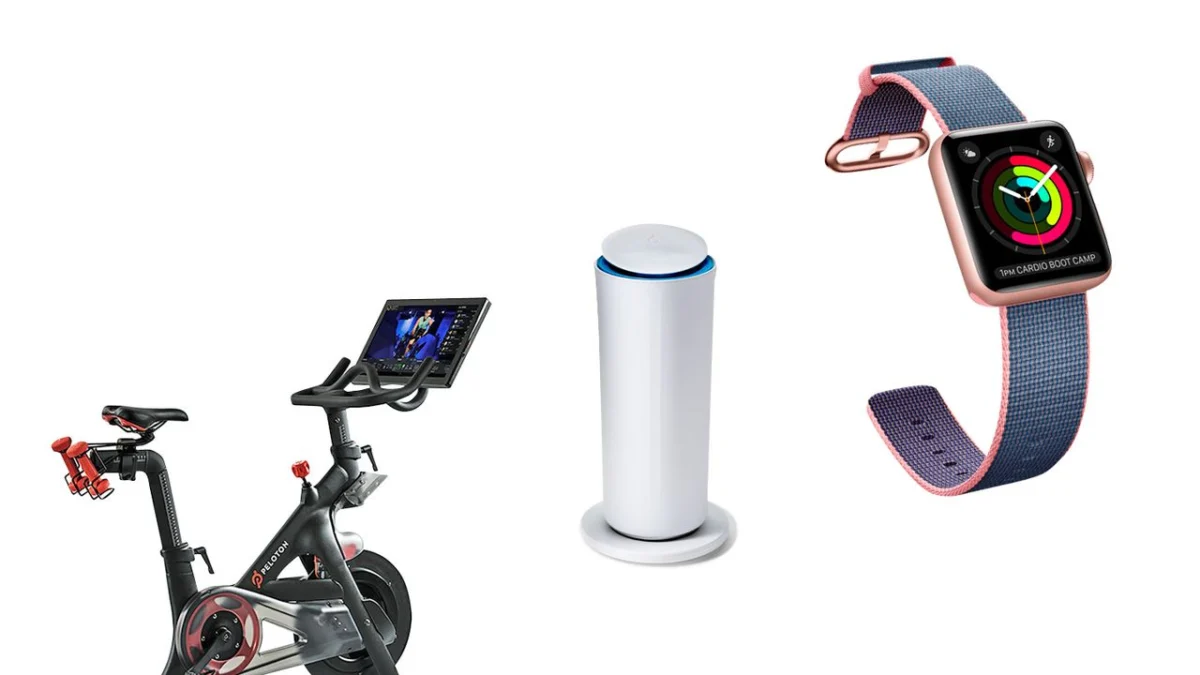
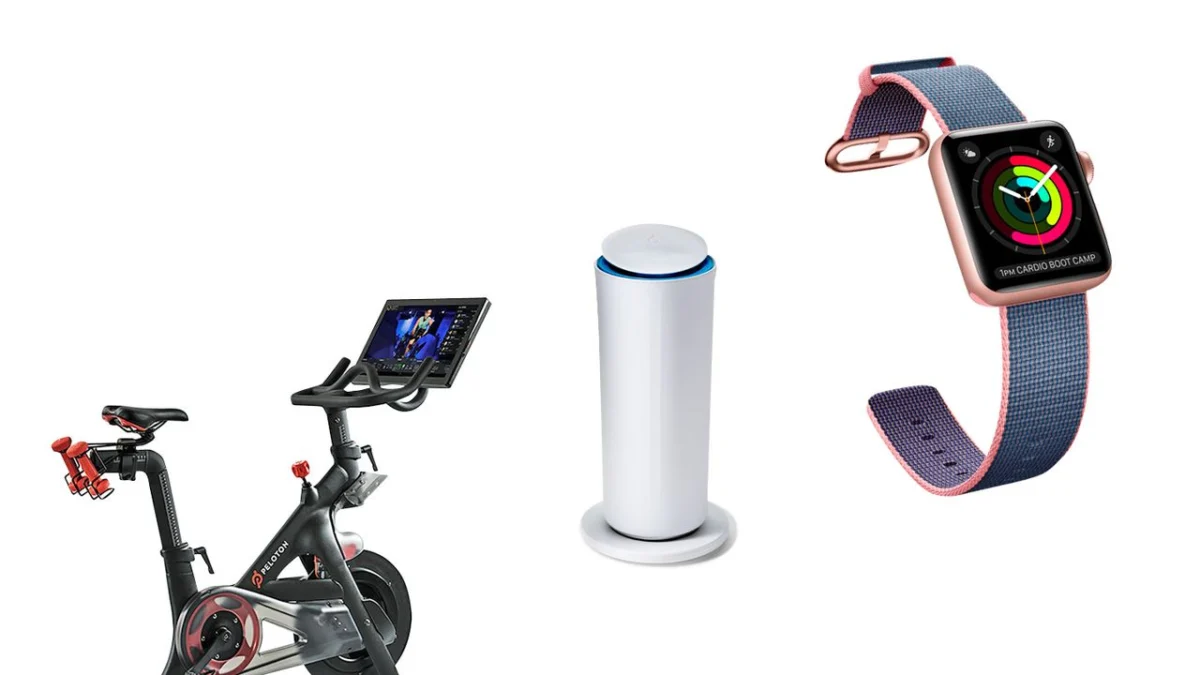
Priced between $369 and $1,299 depending on materials, case configurations, and band selections, the Apple Watch Series 2 represents a major evolutionary step for wrist-worn wearables. Eschewing the strictly utilitarian aesthetic of early fitness bands, it is offered in hundreds of customizable combinations of cases, finishes, and easily swappable bands. Most importantly, it introduces native Global Positioning System (GPS) functionality. This technological leap allows users to run, cycle, and—in a first for the product line—swim without needing to tether the device to an iPhone. Furthermore, it tracks both aerobic and anaerobic energy expenditure, a sophisticated dual-metric approach that remains a rarity in a market historically obsessed solely with cardio-centric output.
2. The Peloton Indoor Bike
For those who prefer to keep their workouts on dry land away from the elements, the Peloton indoor bike ($1,995, plus a mandatory $39 monthly subscription) offers a high-end, immersive alternative to traditional gym memberships. Built around a robust carbon-steel-and-aluminum frame, the bike brings high-intensity cycling directly into the home. It features a sweeping High-Definition touch screen that streams both live and on-demand classes, allowing users to bypass the chaotic atmosphere and abrasive personalities of commercial spin classes.
3. The Pryme Vessyl
Rounding out the trinity of modern wellness tools is the Pryme Vessyl ($99), a smart water bottle that brings computational awareness to the most fundamental aspect of human survival: hydration. Equipped with a sleek silhouette, a wireless charging coaster, and seamless smartphone application integration, the Vessyl actively monitors liquid consumption and calculates optimal hydration targets based on individual biometric data.
Chronology: The Evolution of Fitness Tech
To truly understand the significance of these devices, it is helpful to trace the chronological evolution of how humanity has tracked physical exertion over the past several decades.
- The Pre-Digital Era (Pre-1980s): For generations, physical exercise was measured by subjective sensation. Runners relied on analog wristwatches, checking sweep-second hands to calculate mile splits. Heart rate monitoring was confined almost exclusively to clinical settings, involving cumbersome electrode wires attached to hospital-grade electrocardiogram (ECG) machines.
- The Rise of the Chest Strap (1980s–2000s): The advent of consumer telemetry truly began with the commercialization of wireless heart rate monitors utilizing chest straps. For the first time, endurance athletes could view their real-time pulse via wrist receivers. However, these systems were notoriously finicky, prone to signal interference, and uncomfortable for casual users.
- The Smartphone Boom and the First Fitness Bands (2007–2012): Following the launch of the modern smartphone, mobile applications revolutionized activity tracking. This era birthed the first generation of dedicated fitness bands. These early devices were basic step-counters (pedometer evolution) that required constant syncing to desktop computers or early-generation smartphones. They lacked autonomy, waterproofing, and sophisticated biometric analysis.
- The Connected Home and Autonomous Wearables (2014–Present): Today’s landscape represents a maturation of the market. Wearables are no longer passive data collectors; they are autonomous computational nodes. Devices like the Apple Watch Series 2 shed their dependence on companion hardware, while in-home systems like Peloton bridge the gap between boutique fitness culture and domestic privacy. Concurrently, environmental trackers like the Pryme Vessyl demonstrate that the Internet of Things (IoT) has expanded into every facet of daily nutrition and hydration.
Supporting Data: Rigorous Testing and Engineering
Behind the glossy marketing campaigns of these high-end fitness devices lies years of intensive research, development, and data collection. The reliability of modern fitness tech is directly tied to the scale of empirical testing conducted by manufacturers prior to public release.
Apple’s Aquatic Research Initiative
Entering the swimming pool presented a unique engineering challenge for Apple. Water acts as a natural barrier to radio frequencies, making GPS tracking notoriously difficult underwater. Furthermore, accurate stroke recognition requires complex motion-sensor algorithms.
To overcome this, Apple undertook an unprecedented internal testing initiative utilizing its own employee base. The company recruited more than 700 swimmers representing a diverse spectrum of skill levels, from casual weekend paddlers to competitive master athletes. Over the course of the development cycle, these participants logged a combined 1,500 hours of testing across the four fundamental swimming styles: freestyle, breaststroke, backstroke, and butterfly.
The resulting data allowed engineers to fine-tune the accelerometer and gyroscope algorithms, ensuring the watch could accurately calculate lap counts, distance, and pace while simultaneously distinguishing between aerobic and anaerobic calorie burn. This dual-metric tracking addresses a major blind spot in older wearables, providing users with a comprehensive view of both endurance-building exercise and high-intensity, short-burst exertion.
The Peloton Structural Stress Test
Home fitness equipment often suffers from a reputation for flimsiness or quick obsolescence. To combat this perception, Peloton approached the physical architecture of its indoor bike with industrial-grade rigor.
The company subjected the bike’s hybrid carbon-steel-and-aluminum frame to an intensive two-year design and testing regimen. This process involved simulated stress testing designed to replicate years of aggressive, high-resistance out-of-the-saddle climbing by riders of varying heights, weights, and athletic backgrounds. The goal was to ensure absolute structural rigidity, eliminating the wobble and squeaking common to lower-tier stationary bikes, thereby guaranteeing a commercial-grade feel within a residential setting.
Official Responses and Industry Perspectives
The convergence of technology, lifestyle design, and fitness has elicited varied responses from industry leaders, kinesiologists, and cultural commentators alike.
The Tech-Wellness Intersection
Industry analysts point out that the success of modern fitness devices hinges on psychological design just as much as electrical engineering. Speaking on the integration of autonomous features in wearables, consumer electronics analysts emphasize that "friction is the enemy of adherence." When a user has to remember to strap on a chest monitor, charge a separate GPS puck, and tether their phone via Bluetooth just to go for a run, the probability of skipping the workout increases exponentially. By removing these friction points—such as integrating GPS directly into the waterproof chassis of the Apple Watch Series 2—manufacturers are directly addressing user drop-off rates.
The Rise of Autonomous Home Spaces
Peloton’s executive leadership has consistently framed their product not merely as an exercise machine, but as a lifestyle ecosystem that liberates the user from the constraints of traditional gym culture. Industry observers note that the psychological benefit of eliminating the "screaming spin instructor"—a trope common in high-pressure commercial boutique fitness classes—should not be underestimated. For millions of consumers, the ability to access world-class instruction in an environment free of social anxiety has dramatically lowered the barrier to entry for high-intensity cardiovascular training.
Hydration Analytics: Luxury or Necessity?
The introduction of smart water bottles like the Pryme Vessyl ($99) has sparked healthy debate among sports nutritionists. While traditionalists argue that human thirst mechanisms are sufficient to maintain proper hydration under normal conditions, proponents of quantified self-care point out that chronic, low-level dehydration is a silent inhibitor of athletic performance and cognitive focus. By leveraging wireless charging technology and cloud-synced mobile applications that dynamically adjust to a user’s daily output, the Vessyl bridges the gap between passive drinking and active physiological management.
Implications: The Future of the Quantified Self
As we look toward the horizon of human performance technology, the trajectory established by these devices offers a clear glimpse into the future of health and wellness.
1. The Death of the Tethered Workout
The normalization of autonomous wearables signals the end of the era where a smartphone was an obligatory running partner. As cellular connectivity and standalone GPS become standard baseline features across fitness hardware, the physical boundary between daily life and athletic tracking will continue to dissolve seamlessly.
2. Democratization of Elite Training Environments
High-end home fitness systems like the Peloton bike democratize access to elite coaching and structured training curricula. Geographic location is no longer a limiting factor for individuals seeking top-tier athletic instruction. This shift is reshaping commercial real estate, residential architectural design, and the business models of traditional brick-and-mortar health clubs.
3. Holistic Biometric Integration
The expansion of tracking beyond simple step counts into specialized metrics—such as aerobic-versus-anaerobic energy expenditure and dynamic hydration tracking—foreshadows a future where preventative health and athletic training merge into a single continuous stream of data. Consumers are increasingly empowered to view their bodies not as mechanical systems subject to guesswork, but as finely tuned instruments whose operational parameters can be monitored, understood, and optimized in real time.
Conclusion
The evolution of fitness technology has finally circled back to a core, human-centric truth: the best workout gear is not the one with the most flashing lights, the most complicated straps, or the highest degree of bureaucratic data entry. It is the gear that seamlessly integrates into our lives, removes the barriers between intention and action, and inspires us to move with confidence and style.
Whether you choose to plunge into a municipal pool with an untethered Apple Watch Series 2, conquer a mountain climb from your living room on a Peloton bike, or optimize your daily fluid intake with a Pryme Vessyl, the message for the modern wellness enthusiast is clear. It is time to drop the digital clutter, embrace smart subtraction, and simply swim, sweat, and drink up.