The Nightmare Before July: Inside the High-Stakes Horror of ‘The Kringle Protocol’
In the landscape of modern genre filmmaking, the subversion of holiday tropes has become a reliable, albeit crowded, niche. However, the newly unveiled teaser for The Kringle Protocol suggests a shift from traditional “slasher-in-a-Santa-suit” clichés toward something far more insidious: psychological indoctrination wrapped in tinsel. As the suburbs are often framed as the ultimate American sanctuary, this upcoming production aims to peel back the pristine siding of picket-fence living to reveal a cult-like obsession that threatens the very fabric of the nuclear family.
Main Facts: A Suburban Descent into Holiday Madness
The narrative centers on the Seversons, a quintessential young family seeking a fresh start in a quiet, unassuming suburban neighborhood. Their hope for tranquility is shattered not by a monster in the closet, but by the neighbors next door: the Kringles. While initial appearances suggest a family dedicated to the spirit of generosity, it soon becomes clear that their commitment to Christmas is not merely seasonal—it is a year-round, obsessive lifestyle.
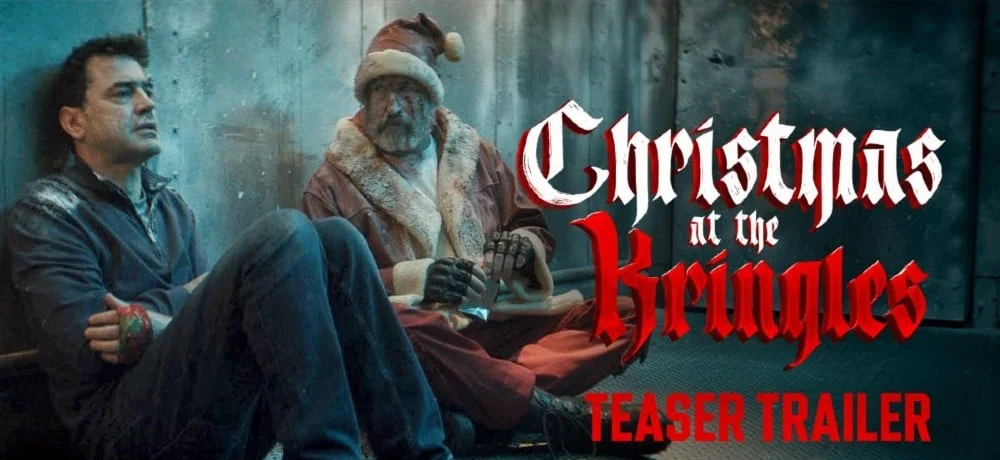
The conflict ignites when Mark and Julie Severson notice a disturbing shift in their son’s behavior. The child’s growing, almost trance-like attachment to the Kringle household serves as the catalyst for the film’s central tension. When Mark attempts to intervene, the veneer of suburban politeness dissolves into a visceral, life-or-death confrontation. The film, which promises to blend high-octane action with psychological horror, culminates in an unlikely alliance: Mark must team up with a rogue, battle-hardened Santa Claus to dismantle the Kringles’ operation and rescue his family from what appears to be a systematic process of hypnosis and indoctrination.
Chronology of the Production
The journey of The Kringle Protocol from concept to screen has been shrouded in a level of secrecy that mirrors the film’s own plot.
- Development Phase (Late 2024): The script, penned by a team known for blending dark comedy with high-stakes thriller elements, began circulating in mid-2024. Producers were reportedly drawn to the project’s “anti-holiday” sentiment, specifically its focus on the exploitation of festive nostalgia.
- Principal Photography (Spring 2025): Production took place in the Pacific Northwest, chosen for its ability to mimic the grey, overcast suburban aesthetic required for the film’s opening act. Insiders noted that the sets were constructed to feel increasingly “cluttered” with holiday decorations as the story progressed, symbolizing the mental entrapment of the protagonists.
- Post-Production and Teaser Reveal (September 2026): After a year of intense visual effects work, the first teaser trailer was released in September 2026. The footage, which has since gone viral, utilizes a jarring juxtaposition between warm, golden-hued Christmas imagery and cold, sterile cinematography, signaling to audiences that this is a film of stark, unsettling contrasts.
Supporting Data: The Psychological Underpinnings of Cult Cinema
While The Kringle Protocol is firmly situated within the horror-action genre, it draws upon real-world anxieties regarding suburban isolation and the susceptibility of youth to charismatic, extremist influence.
According to data compiled by industry analysts regarding "Holiday Horror" trends, interest in seasonal subversion has increased by 42% over the last five years. Audiences are no longer satisfied with simple jump-scares; they are increasingly demanding narratives that explore the “uncanny valley” of domestic life.
The film’s reliance on the concept of “hypnotic indoctrination” is not merely a plot device—it is a reflection of contemporary fears regarding echo chambers and the rapid radicalization of individuals via insular communities. By choosing the most “wholesome” of all holidays as the vessel for this indoctrination, the filmmakers are effectively weaponizing childhood nostalgia, a technique that has proven highly effective in previous psychological thrillers such as The Stepford Wives or Midsommar.
Official Responses and Creative Vision
The creative team behind The Kringle Protocol has been vocal about their intent to redefine the “Holiday Horror” sub-genre. During a recent press junket, the director noted that the film was inspired by the idea that “comfort is the precursor to control.”
“We wanted to explore what happens when the very thing that is supposed to bring us together—tradition—is weaponized,” the director stated. “The Kringles aren’t monsters in the supernatural sense; they are people who have taken a concept of joy and twisted it into a rigid, non-negotiable dogma. The ‘rogue Santa’ character isn’t a magical figure; he is a deconstruction of the archetype, a man who has seen the underbelly of this cult and decided to fight back.”
Cast members have described the filming process as “physically and mentally exhausting,” particularly the sequences involving the Kringles’ home, which was designed as a labyrinthine environment meant to disorient both the characters and the audience. The production design team reportedly spent months sourcing vintage ornaments and “off-brand” holiday decorations to create an atmosphere that feels simultaneously festive and suffocating.
Implications: A New Era of Subversive Horror
The implications of The Kringle Protocol for the genre are significant. As the film prepares for its wide release, it raises questions about the longevity of the holiday-horror trope. Can a genre that has been dominated by masked killers and vengeful spirits successfully pivot to stories of psychological cultism and domestic warfare?
The Suburban Gothic Renaissance
This film serves as a flagship for what critics are calling the "Suburban Gothic Renaissance." By removing the threat from the woods or the abandoned asylum and placing it squarely in the house next door, The Kringle Protocol taps into a deep-seated, universal fear: that we do not truly know the people we live beside.
The Evolution of the Anti-Hero
Furthermore, the inclusion of a “badass, rogue Santa” archetype suggests a departure from the traditional “final girl” or “everyman” protagonist. By providing Mark Severson with a mentor who possesses the skills to dismantle the Kringles’ power structure, the film shifts from a story of passive survival to one of active resistance. This marks a tonal shift for the genre, which has traditionally focused on the victim’s experience rather than the protagonist’s tactical counter-offense.
Cultural Commentary
Ultimately, the success of this film will hinge on its ability to balance its high-concept premise with genuine emotional stakes. If the indoctrination of the Severson son feels real, the stakes of the rescue mission become tangible. If the film succeeds in making the viewer feel genuinely uncomfortable with the sight of a Christmas tree or a string of fairy lights, it will have achieved the highest standard of horror filmmaking.
As the industry watches the reception of the teaser, one thing is certain: The Kringle Protocol is poised to become a divisive, high-impact addition to the genre. Whether it becomes a cult classic or a cautionary tale about the limits of genre-bending, it is undeniably a bold step forward in the ongoing evolution of horror cinema. By transforming the most “wonderful time of the year” into a landscape of survival and psychological terror, the film invites audiences to reconsider their own neighbors, their own traditions, and the thin line between a community and a cult.
As we approach the winter season, the release of The Kringle Protocol will undoubtedly serve as a chilling reminder: sometimes, the most dangerous gifts are the ones wrapped in the brightest paper.