The High Cost of Deception: Analyzing the Treacherous Landscape of ’90s Teen Horror
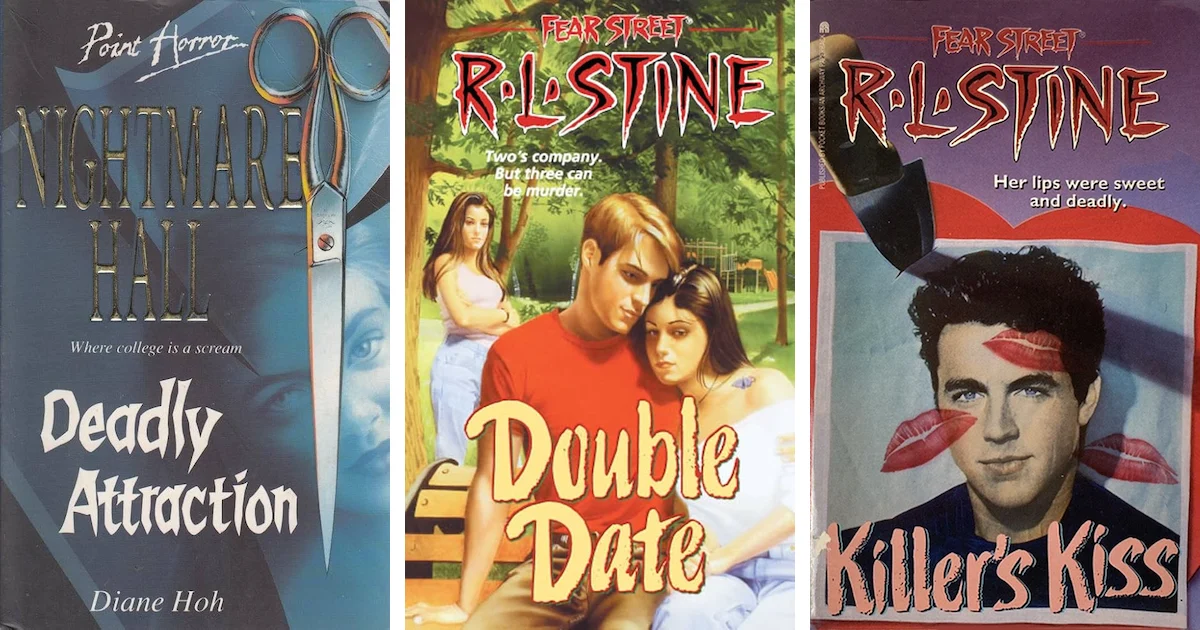
In the landscape of 1990s young adult literature, romance was rarely a straightforward endeavor. It was a volatile cocktail of clandestine meetings, dramatic breakups, and the desperate, often dangerous, pursuit of the unattainable. However, the stakes were rarely higher than in the subgenre of teen horror, where the simple act of "playing the field" often invited lethal consequences. When protagonists attempted to manipulate multiple partners—secretly dating several individuals simultaneously—the resulting fallout rarely stopped at emotional turmoil. As seen in seminal works like Diane Hoh’s Deadly Attraction (1993) and R.L. Stine’s Double Date (1994) and Killer’s Kiss (1997), the intersection of vanity, deception, and obsession often turned the high school experience into a literal nightmare.
The Anatomy of the “Playboy” Protagonist
Across these three specific titles, the male protagonists share a disturbing commonality: a profound lack of respect for the autonomy of their romantic interests. Robert Q. Parker III (Deadly Attraction), Bobby Newkirk (Double Date), and Vincent Milano (Killer’s Kiss) each operate with a level of narcissism that blinds them to the humanity of the girls they pursue.
To these characters, love is not a mutual commitment but a game of acquisition. They view partners as "moveable game pieces" to be discarded when they become inconvenient or when a more "desirable" option becomes available. This objectification is the catalyst for the terror that follows; by treating their partners as interchangeable, these men inadvertently dismantle the social contract, creating a vacuum where jealousy, revenge, and madness thrive.
Chronology of Deception: A Comparative Look
Deadly Attraction (1993)
In the insular world of Salem University, the division between the "townies" and the elite students is a central tension. Robert Q. Parker III disrupts this hierarchy by initiating a fling with Darlene, a local waitress. His motives are purely transactional—a temporary distraction until his "real" girlfriend, Gerrie, returns from a brief separation.
The turning point occurs at a fraternity party. When Robert Q. is overheard dismissing Darlene as a disposable commodity—offering a friend twenty dollars to drive her home—the betrayal is absolute. This moment of dehumanization marks the shift from a standard teen drama to a thriller. As the narrative progresses, the physical violence that ensues—including an assault on Gerrie and the murder of Robert Q.’s friend Richard—highlights how volatile the environment becomes when individuals are treated as expendable.
Double Date (1994)
If Robert Q. is cruel, Bobby Newkirk is the personification of ego. His motivation is a cynical bet: to date identical twins, Bree and Samantha Wade, simultaneously without detection. Bobby does not just view the girls as disposable; he views them as identical variables in an equation. His arrogance is best captured by his dismissal of their individual identities, famously stating, "What difference does it make? They’re both totally hot!"
The horror in Double Date is psychological and, ultimately, revelatory. Bobby finds himself enmeshed in a web of fabricated history involving a non-existent third sister, Jennilynn. The climax, in which Bobby is humiliated and exposed by the very girls he sought to manipulate, serves as a dark cautionary tale about the power of female solidarity in the face of predatory behavior.
Killer’s Kiss (1997)
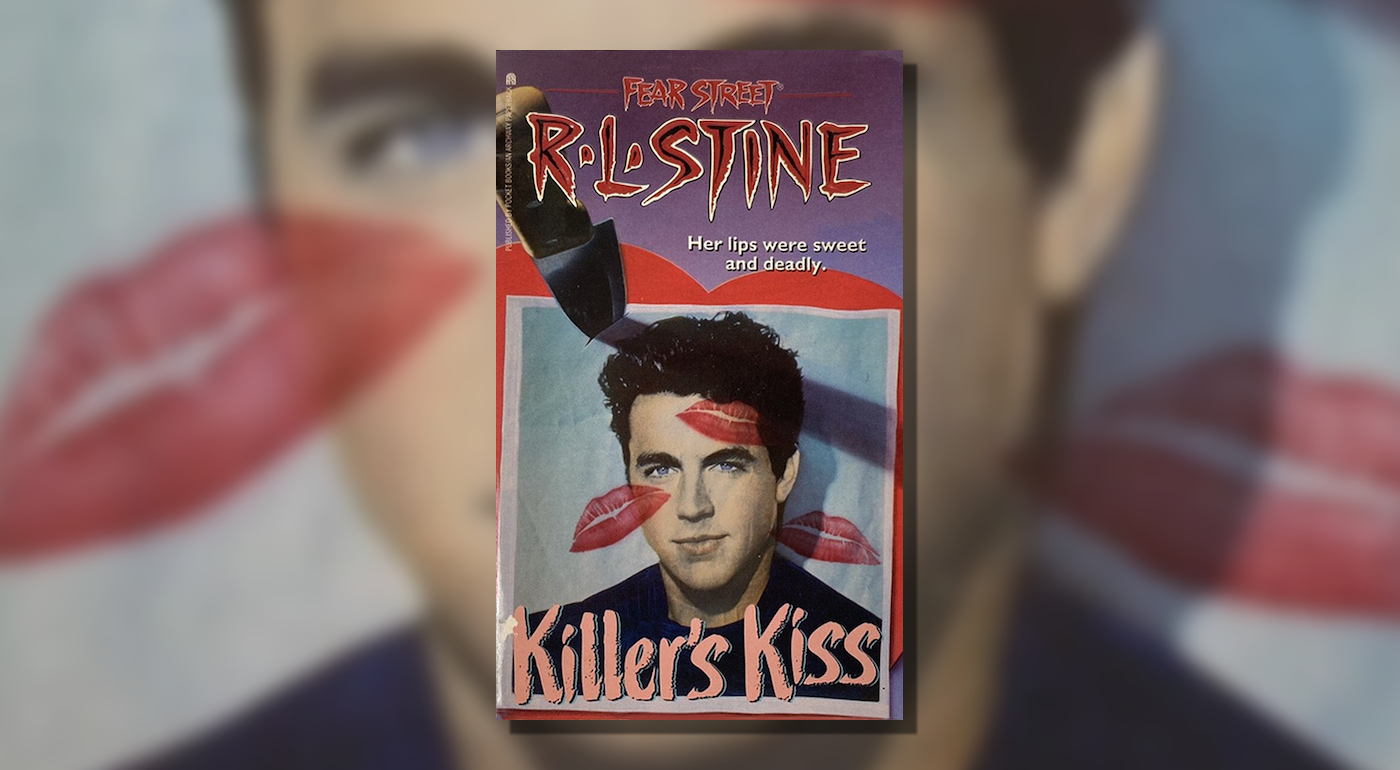
Vincent Milano’s downfall is rooted in the competitive nature of his two romantic interests, Delia and Karina. Unlike the previous examples, where the girls are victims of a man’s secret, here, the protagonists are active rivals. Vincent fuels this rivalry by telling each girl she is his "one and only," turning a high-stakes academic competition for the Conklin scholarship into a literal fight for survival. The discovery of his duplicity does not lead to a unified front, but rather an escalation of sabotage and, eventually, homicide.
Supporting Data: The Cost of the "Double Life"
While these narratives are fictional, they mirror real-world social anxieties regarding toxic masculinity and the dangers of extreme emotional volatility. The "data" provided by these texts suggests a consistent pattern of escalation:
- Phase One: The Deception. The male protagonist establishes multiple, non-consensual (in terms of transparency) relationships.
- Phase Two: The Discovery. The truth is revealed, often through a secondary character or a slip-up in the perpetrator’s logic.
- Phase Three: The Escalation. Rather than a clean break, the narrative shifts toward revenge, stalking, or sabotage.
- Phase Four: The Resolution. The perpetrator is either physically removed (death/incarceration) or socially humiliated, often leaving the survivors to process the trauma of the experience.
The Psychological Implications
The enduring popularity of these books in the ’90s points to a fascination with the "social thriller" aspect of high school. The implications for the characters—and by extension, the readers—are stark.
In Deadly Attraction, the focus is on class struggle and the vulnerability of those on the periphery of the social elite. Darlene’s fixation on Robert Q., and her subsequent pivot to a similarly toxic relationship with her ex-boyfriend Bo, illustrates the cycle of dependency that occurs when individuals lose their sense of self-worth.
In Double Date, the focus is on the absurdity of the "player" archetype. The twins’ decision to use temporary tattoos and elaborate ruses to trap Bobby serves as a subversion of the trope. It suggests that when the victim realizes the game being played, they can use the perpetrator’s own vanity against him.
In Killer’s Kiss, the tragedy is the destruction of the female bond. Delia’s confession—that she was willing to murder and frame her own peer to protect her status and her relationship—is perhaps the most chilling indictment of the "prize" culture. It demonstrates how a toxic man can incite a "war of all against all" among those who should, in other circumstances, be peers.
Conclusion: A Legacy of Cautionary Tales
Ultimately, these three novels serve as snapshots of an era where teen horror was often indistinguishable from teen melodrama. They provide a window into the fears of the 1990s: the fear of being used, the fear of the "other," and the fear that the person sitting across from you in a diner or a classroom might be harboring intentions far darker than a simple, dishonest date.
The recurring theme is simple: honesty is the only prophylactic against the chaos of the heart. For characters like Robert Q., Bobby, and Vincent, the inability to respect the people they dated proved to be the ultimate fatal flaw. Whether through the cold justice of a police investigation or the sharp sting of public humiliation, these men learned too late that while all may be fair in love and war, the price for treating love as war is almost always catastrophic.