Frameline Announces First-Ever Fall Festival Lineup: A Landmark Expansion for San Francisco’s Queer Arts Nonprofit
SAN FRANCISCO — Frameline, the world’s premier queer arts nonprofit and the organization behind the venerable San Francisco International LGBTQ+ Film Festival, has officially unveiled the lineup for its inaugural fall festival. Spanning October and November across several iconic cinematic venues throughout San Francisco, this new seasonal showcase arrives on the heels of the organization’s historic 50th-anniversary milestone celebrated earlier this summer.
Designed to extend the momentum of the annual summer gathering, the inaugural fall edition shines a bright, celebratory spotlight on five critically acclaimed LGBTQ+ feature films, alongside the visionary queer artisans, directors, and actors working both behind and in front of the camera. By anchoring the event during LGBTQ+ History Month, Frameline aims to transform the autumn months into a vibrant cultural exploration of memory, representation, and community resilience.
Main Facts: A New Autumn Tradition for San Francisco Cinema
The inaugural Frameline fall showcase represents a strategic evolution for the half-century-old organization. While the marquee summer event remains a cornerstone of San Francisco’s cultural calendar, leadership recognized a growing demand from audiences to sustain queer cinematic programming year-round.
The fall lineup is distinguished by its heavy-hitting international pedigree. The curated selections arrive in the Bay Area fresh off glowing critical receptions at some of the world’s most prestigious cinematic gatherings, including the Cannes Film Festival, the Berlin International Film Festival (Berlinale), the Telluride Film Festival, and the Toronto International Film Festival (TIFF).
Kicking off on October 11 with a special retrospective tribute screening of the classic workplace comedy 9 to 5—honoring the enduring legacy of the late icon Dolly Parton—the festival spans nearly a month and a half. It will take over some of San Francisco’s most beloved movie palaces and independent screens, including the historic Castro Theatre, the Vogue Theatre, and the Premier Theater at One Letterman.
The featured contemporary slate includes major star-studded projects and deeply personal indie works:
- Elsinore, directed by Simon Stone and starring Andrew Scott as legendary actor Ian Charleson.
- Clarissa, directed by Arie Esiri and Chuko Esiri, a modern reinterpretation inspired by Virginia Woolf’s Mrs. Dalloway, featuring an ensemble cast that includes David Oyelowo, Ayo Edebiri, and India Amarteifio.
- Mouse, directed by the creative partnership Kelly O’Sullivan and Alex Thompson.
- Tangles, directed by Leah Nelson.
- Coward, directed by visionary filmmaker Lukas Dhont.
Official Responses: Redefining Queer Cinematic Spaces
The announcement of the fall festival has generated immense enthusiasm within the local arts community and among national cinephiles. At the heart of this excitement is Frameline’s executive director, Allegra Madsen, whose vision has helped steer the nonprofit into its next half-century of cultural stewardship.
Reflecting on the organization’s legacy and the thematic weight of the upcoming festival, Madsen emphasized that queer cinema has never been merely a passive medium for entertainment; it is an active architecture for community survival and solidarity.
"Fifty years of Frameline, and our audience has redefined what it means to experience film," Madsen stated in the official announcement. "Queer audiences go beyond passively watching films — we build community around them."
Madsen connected the timing of the fall festival directly to the tenets of LGBTQ+ History Month, framing the initiative as a deliberate intervention in how historical narratives are preserved and consumed.
"This October, in recognition of that defining spirit and in celebration of LGBTQ+ History Month, a month about who gets remembered and how, we are proud and excited to present a showcase of curated films like Clarissa, Coward, Elsinore, Mouse, and Tangles," Madsen continued. "Each of these films is its own act of remembering, of shaping the story of our shared history. These are stories that deserve a place in the record, and a room full of people to witness them."
Madsen also underscored the irreplaceable magic of the theatrical experience—a sentiment that resonates deeply in a post-pandemic media landscape increasingly dominated by at-home streaming algorithms.
"History isn’t just something we look back on. It’s something we make together, in a dark theater, shoulder to shoulder," she added.
Chronology: The Fall Festival Schedule and Venues
Film enthusiasts and community members planning to attend the inaugural fall showcase can look forward to a thoughtfully paced calendar unfolding across prime locations in San Francisco. Below is the complete chronological schedule of screenings, including directors, dates, times, and designated venues:
Opening Night / Special Retrospective Tribute
- 9 to 5
- Director: Colin Higgins
- Date & Time: October 11 at 3:00 PM
- Venue: The Castro Theatre
- Details: A special retrospective tribute honoring the late, legendary Dolly Parton, kicking off the autumn slate in San Francisco’s cathedral of film.
Mid-October Screenings
-
Mouse
- Directors: Kelly O’Sullivan and Alex Thompson
- Date & Time: October 14 at 7:00 PM
- Venue: The Vogue Theatre
- Details: A deeply anticipated indie drama showcasing the delicate nuances of modern relationships and identity.
-
Tangles
- Director: Leah Nelson
- Date & Time: October 20 at 7:00 PM
- Venue: Premier Theater at One Letterman
- Details: A poignant exploration of memory, familial bonds, and queer resilience.
-
Clarissa
- Directors: Arie Esiri and Chuko Esiri
- Date & Time: October 21 at 7:00 PM
- Venue: The Vogue Theatre
- Details: A rich, multi-layered narrative inspired by Virginia Woolf’s seminal novel Mrs. Dalloway, boasting a high-profile cast that includes David Oyelowo, Ayo Edebiri, and India Amarteifio.
Late October to November Finale
-
Coward
- Director: Lukas Dhont
- Date & Time: October 28 at 7:00 PM
- Venue: The Vogue Theatre
- Details: Directed by the acclaimed filmmaker behind Close and Girl, this psychological and emotional drama explores the complexities of courage, intimacy, and societal expectations.
-
Elsinore
- Director: Simon Stone
- Date & Time: November 5 at 7:00 PM
- Venue: The Castro Theatre
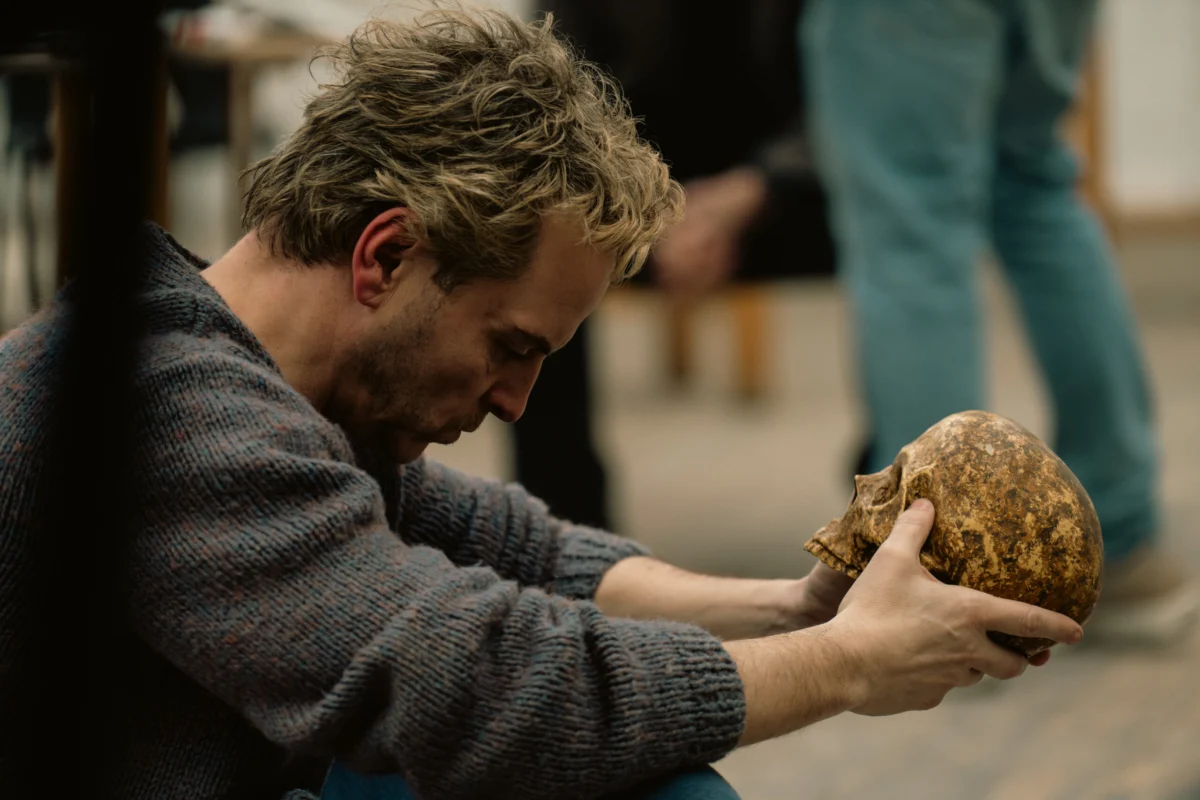
- Details: Closing out the core festival slate, this feature follows the harrowing and inspiring true-to-life story of actor Ian Charleson (brought to life by a powerhouse performance from Andrew Scott). The narrative captures Charleson as he faces extraordinary physical and emotional odds while preparing to deliver the performance of his lifetime as Hamlet at London’s National Theatre.
Supporting Data: The Festival Circuit Pedigree
The decision by Frameline to curate this specific slate of films underscores the nonprofit’s commitment to securing top-tier international cinema for Bay Area audiences. By drawing titles that have already proven their mettle at the world’s most rigorous film festivals, Frameline guarantees that its inaugural fall event matches the high curatorial standards established over its 50-year history.
The festival circuit background of these films highlights several notable trends in contemporary queer and independent cinema:
- International Collaboration: Films like Clarissa, helmed by Arie and Chuko Esiri, demonstrate the cross-pollination of African diaspora storytelling with classic Western literary structures, offering fresh perspectives on universal themes of time, class, and interiority.
- High-Profile Talent: The inclusion of actors of the caliber of Andrew Scott, David Oyelowo, and Ayo Edebiri indicates that mainstream cinematic talent continues to flock to boundary-pushing, queer-themed, and independent projects. Scott’s portrayal of Ian Charleson in Elsinore is already generating early awards-season buzz following its European festival previews.
- Auteur-Driven Narratives: Visionary directors such as Lukas Dhont (Coward) bring distinct visual and emotional grammars to the screen, ensuring that festival-goers experience cinematic art that challenges traditional narrative boundaries.
Furthermore, the selection of venues—ranging from the architectural marvel of the recently revitalized Castro Theatre to the neighborhood charm of the Vogue Theatre and the modern corporate-cultural nexus of the Premier Theater at One Letterman—demonstrates Frameline’s deep roots in the geographical and cultural fabric of San Francisco.
Implications: The Future of Queer Arts Organizations
As Frameline transitions past its golden anniversary, the establishment of a recurring fall festival carries significant implications for the broader landscape of queer arts organizations in the United States.
In an era where independent cinemas face mounting economic pressures, rising operational costs, and shifting consumer habits, cultural institutions must innovate to survive and remain relevant. By expanding from a singular annual mega-festival to a multi-season curatorial model, Frameline is pioneering a sustainable framework for cultural longevity.
Strengthening Year-Round Engagement
For decades, LGBTQ+ film festivals operated on a concentrated, high-intensity model: months of intense preparation culminating in a week or two of screenings, followed by a long silence. The introduction of fall programming allows Frameline to maintain a continuous dialogue with its community, sponsors, and donors. This sustained visibility helps anchor the nonprofit as a year-round cultural anchor rather than a seasonal event.
Amplifying Marginalized Histories
By aligning the festival with LGBTQ+ History Month in October, Frameline is making a philosophical statement about the political and social necessity of storytelling. As legislative attacks on LGBTQ+ representation, education, and history continue to proliferate across various regions, cultural institutions in progressive safe havens like San Francisco take on an expanded duty. They serve not only as exhibitors of art, but as archives of truth.
As Allegra Madsen noted, the acts of remembering and sharing history in a dark theater are radical maneuvers against erasure. By bringing together diverse audiences to witness stories like Ian Charleson’s battle against the odds in Elsinore, or the poetic inner lives portrayed in Clarissa, Frameline ensures that queer pain, joy, resilience, and creativity remain indelible parts of the cultural record.
Economic and Cultural Impact on San Francisco
The festival also promises a welcome economic and cultural boost to San Francisco’s local businesses, restaurants, and hospitality sectors during the autumn shoulder season. By activating historic neighborhood anchors like the Castro and the Vogue theaters, Frameline drives foot traffic back into urban commercial corridors, proving that physical cinema spaces remain vital engines of community vitality.
As ticket sales open and the autumn air settles over the Bay Area, the inaugural Frameline fall festival stands ready to write the next chapter in San Francisco’s storied cinematic history—proving once again that when queer people gather in the dark to watch their stories unfold on screen, they are doing much more than watching a movie: they are making history together.