From Glasgow Pews to the Director’s Chair: James McAvoy on Faith, Acting, and the Scars of Catholic Guilt
TORONTO — Long before he was commanding starships, mutating into legendary comic-book characters, or captivating international audiences on stage and screen, James McAvoy was plotting a very different kind of journey. Growing up amidst the gritty, working-class neighborhoods of Glasgow, Scotland, a young McAvoy didn’t always have Hollywood in his sights. Instead, he seriously considered a path that would have traded the silver screen for the pulpit.
"I thought about it fucking seriously," McAvoy recalled during a recent, candid interview, his thick Scottish burr cutting through an expletive that would likely scandalize a man of the cloth. "I wanted to travel. I wanted to get away, and I thought the priesthood might be a good way to do that. I specifically thought about missionary work because I thought I could travel to incredible places."
That divine calling, however, came to a screeching halt around his 13th birthday, courtesy of puberty. "I don’t think I quite appreciated the idea of celibacy," he laughed. "When I started thinking about girls, the priesthood sort of drifted away."
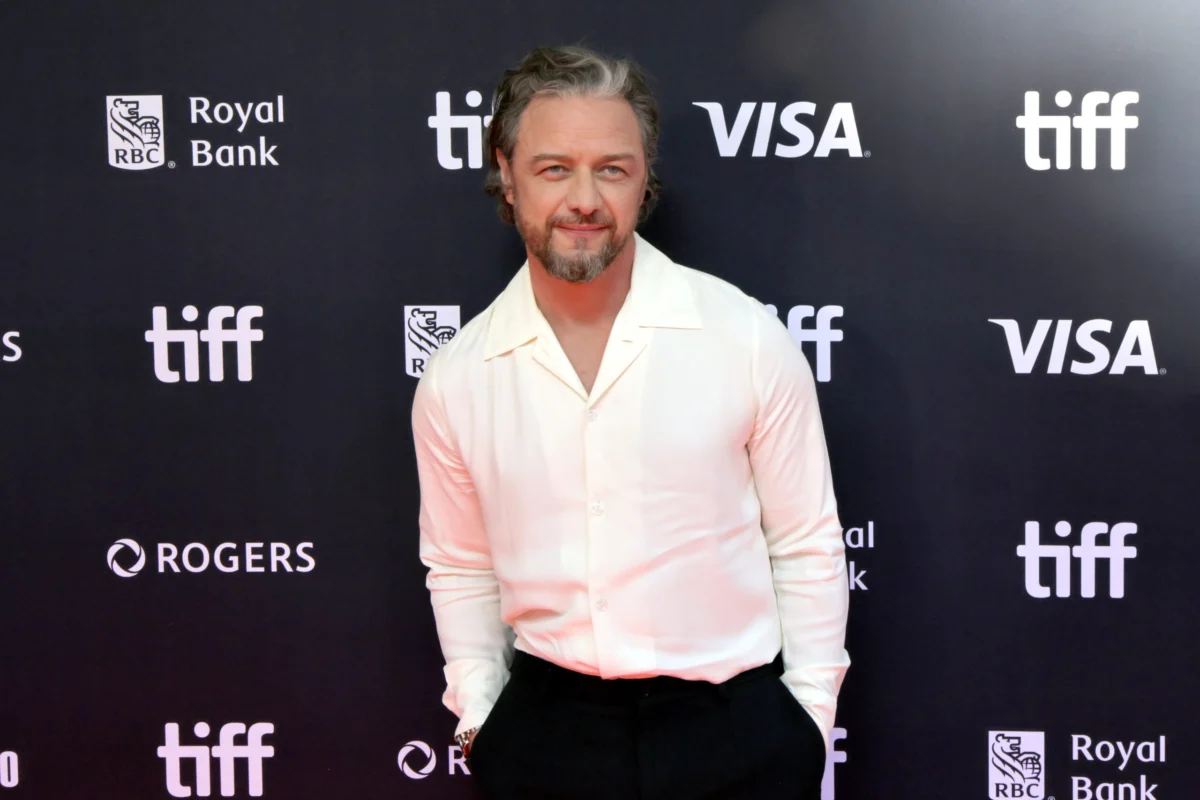
Decades later, McAvoy’s complicated relationship with faith, spirituality, and institutional religion has come full circle—not in a church, but in the cinema. The acclaimed actor is currently making waves on the international film festival circuit with Faith, a low-budget spiritual drama that premiered at the Toronto International Film Festival (TIFF). The role has reignited conversations about his personal beliefs, his three-decade career, and his recent transition into feature film directing.
Main Facts: The Intersection of Faith and Personal Belief
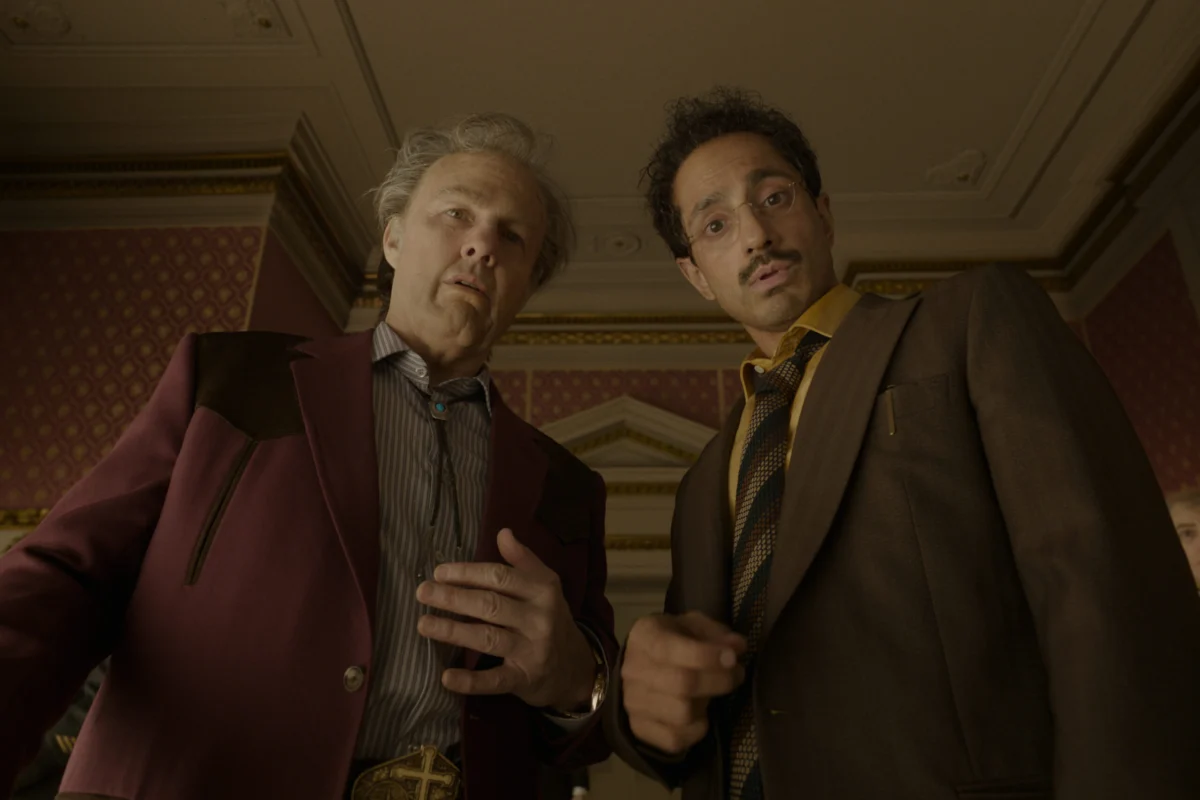
In Faith, directed by Paul Andrew Williams, McAvoy stars as Michael, a mysterious stranger who enters the life of a grieving mother—portrayed by Adolescence breakout star Erin Doherty—who is reeling from a devastating loss. The film tackles heavy, existential questions regarding belief, the human soul, and the afterlife, though it deliberately avoids the tidy, didactic strokes typical of standard faith-based cinema.
Given the film’s thematic weight, interviewers and colleagues on set frequently pressed McAvoy on his own spiritual stance. His answers were refreshingly unpretentious.
"I’m definitely not religious and I’m not particularly spiritual," McAvoy stated. "But I do fucking wank on and eulogize about acting and art and all those things in a way that you could point the finger at me and say I’m kind of spiritual about that. Hopefully, I’ve managed to emancipate myself from Catholic guilt, but sometimes I still bear its scars."

When pressed on why a non-believer would choose to headline a film explicitly titled Faith, McAvoy offered a pragmatic defense rooted in his craft. "On set, people would ask, ‘Do you believe in God?’ And I was like, ‘Don’t think so,’" he recounted. "And they’re like, ‘Oh, why are you doing this film?’ And I was like, ‘Well, I do films about superheroes and wizards, and they don’t exist.’"
Chronology and Career Trajectory: From Indie Roots to Blockbuster Heights
McAvoy’s career has always been defined by a restless, unpredictable oscillation between high-art independent cinema and high-octane Hollywood blockbusters.
The Blockbuster Era
After breaking out internationally in projects like The Last King of Scotland (2006) and the action-thriller Wanted (2008), McAvoy cemented his status as a global franchise player by taking on the iconic role of Charles Xavier (Professor X) in the X-Men prequel series (First Class, Days of Future Past, Apocalypse, and Dark Phoenix).
Despite trading modest European indie sets for massive studio backlots with endless trailers, McAvoy found that the operational realities of filmmaking rarely change based on the budget.
"You can do a $200 million movie or a $2 million movie, and the same shit happens," McAvoy noted. "There’s never enough time. Or the dollies are broken, or the catering sucks."
Return to the Underground: Faith and Meantime
Despite his blockbuster pedigree, McAvoy continues to seek out gritty, character-driven projects. He was initially drawn to Faith not because of its theological explorations, but because of its structural ambiguity.
"My character has a secret, but it felt like the film had a secret too, and that was compelling," McAvoy said. "There’s a mystery to the whole thing."

Playing Michael—a man who exudes external compassion while wrestling with his own internal demons—turned out to be a surprisingly frictionless experience for the veteran actor. Rather than plunging into agonizing method-acting rituals, McAvoy found that the performance came effortlessly, largely due to the emotional heavy lifting provided by his co-star, Erin Doherty.
"It just flowed out," McAvoy reflected. "I’ve been doing this for thirty-odd years, and I’ve definitely learned that what people want to hear is that you made it as hard as possible for yourself. You know, you lived in a coffin for six months to understand what it was like to die… It just doesn’t feel like acting sometimes, and that sounds like I’m patting myself on the back. It just felt like all I needed to do was be relaxed."
That ease, however, was entirely absent from his subsequent project: the harrowing Sky series Meantime. In the dark comedy series, McAvoy plays a murder suspect battling severe substance abuse and the lingering grief of child loss, appearing in literally every single scene.
"The darkness of it frightened me," McAvoy admitted, noting that four months immersed in portraying a narcotic and alcohol addict took a heavy psychological toll.
Supporting Data: The Anatomy of Modern Production
McAvoy’s observations shed light on the economic and creative realities facing contemporary cinema. Projects like Faith represent a shrinking class of mid-to-low-budget dramas that rely heavily on festival circuits—such as TIFF—to secure distribution in major markets like the United States.
| Film / Project | Budget Tier | Genre | Key Themes / Challenges |
|---|---|---|---|
| Faith (2026) | Low-Budget / Indie | Spiritual Drama | Grief, afterlife, ambiguous faith; effortless performance dynamic. |
| Meantime (TV) | Mid-Budget Serial | Dark Comedy / Drama | Addiction, child loss, pervasive psychological darkness. |
| X-Men Franchise | Blockbuster ($200M+) | Superhero / Sci-Fi | Special effects, logistical studio constraints, large-scale production. |
| California Schemin’ | Indie Feature | Musical Biopic | McAvoy’s directorial debut; balancing actor direction with time constraints. |
Official Responses and Industry Reception
Faith generated considerable critical buzz following its world premiere at the Toronto International Film Festival. Reviewers have praised Paul Andrew Williams’ direction for subverting the tropes of traditional spiritual filmmaking, favoring psychological realism and emotional resonance over dogmatic messaging.
While the film is currently navigating the marketplace in search of a dedicated U.S. distributor, industry insiders predict strong interest given the star power of McAvoy and Doherty, whose previous work in BBC’s Adolescence earned her widespread critical acclaim and major award buzz.

Implications: Stepping Behind the Camera
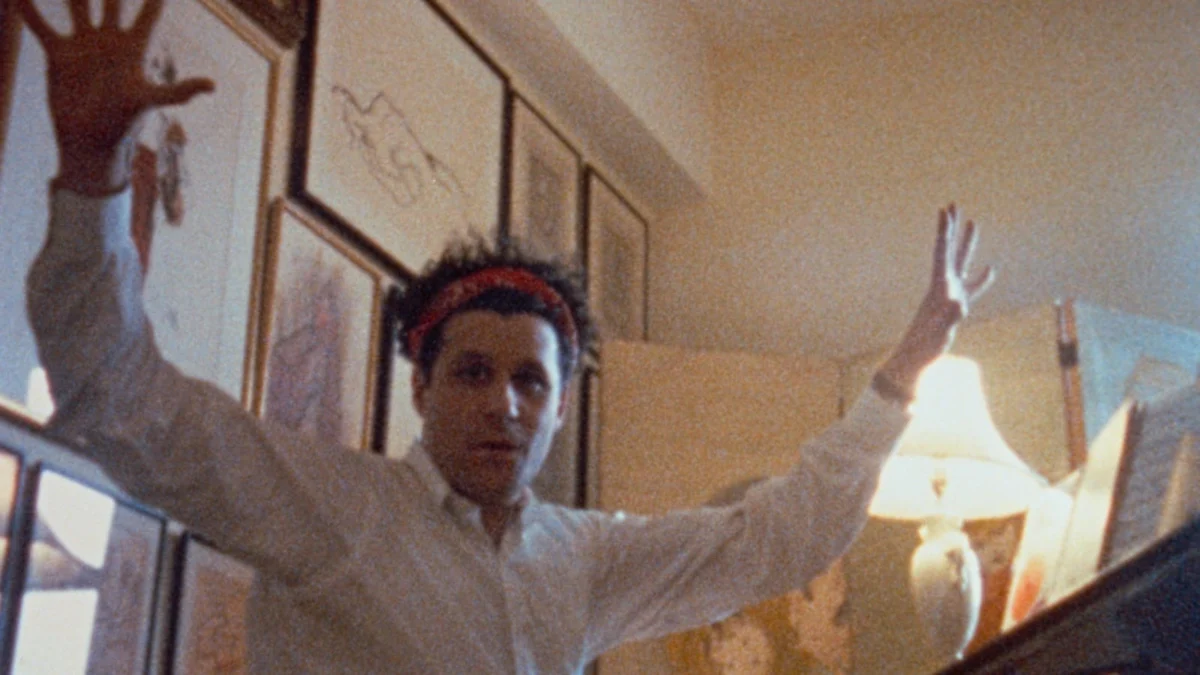
Perhaps the most significant evolution in McAvoy’s career is his recent pivot behind the camera. This fall marks the U.S. release of California Schemin’, a musical biopic that serves as McAvoy’s feature-length directorial debut.
Having spent three decades answering to directors, McAvoy’s new vantage point has profoundly shifted his empathy toward the filmmakers who hire him. He now views the creative process through a lens of perpetual compromise and agonizing choice.
"There’s so much internal push, push, push when you’re directing," McAvoy explained. "You’re always thinking, ‘I need to get this performance out of this actor, but I need them to remain relaxed. I can’t rush them. But at the same time, if I don’t get these three extra shots that I’m in danger of losing today, we’re screwed.’ You always face these impossible choices."
Whether he is shedding the remnants of his Glasgow Catholic upbringing, diving into the psychological abyss of a TV drama, or orchestrating shots on his own directorial debut, James McAvoy remains one of cinema’s most relentlessly honest practitioners—proving that while he left the priesthood behind, he never lost his appetite for confession, art, and the human condition.