Cannes 2026 Concludes: Film Comment Podcast Breaks Down the Festival’s Final Juried Titles, Late-Breaking Contenders, and Cinematic Restorations
CANNES, FRANCE — As the dust settles on the French Riviera following the conclusion of the 2026 Cannes Film Festival, the critical consensus is still being formed, debated, and refined. While the red carpet has been rolled up and the Palais des Festivals has gone quiet, the analytical engine behind Film Comment continues to hum at full capacity. Delivering comprehensive festival coverage via daily dispatches, in-depth interviews, the iconic Cannes Critics’ Grid, and audio deep dives, the publication has offered a vital compass through an overwhelming cinematic landscape.
In their final dispatch from the Croisette, Film Comment Editor Devika Girish assembled a powerhouse panel of prominent international film critics for a definitive wrap-up podcast. Joined by Justin Chang of The New Yorker, Tim Grierson of Screen International, and Jessica Kiang of Variety, the roundtable cut through the festival noise to dissect the high-stakes premieres of the competition’s final stretch.
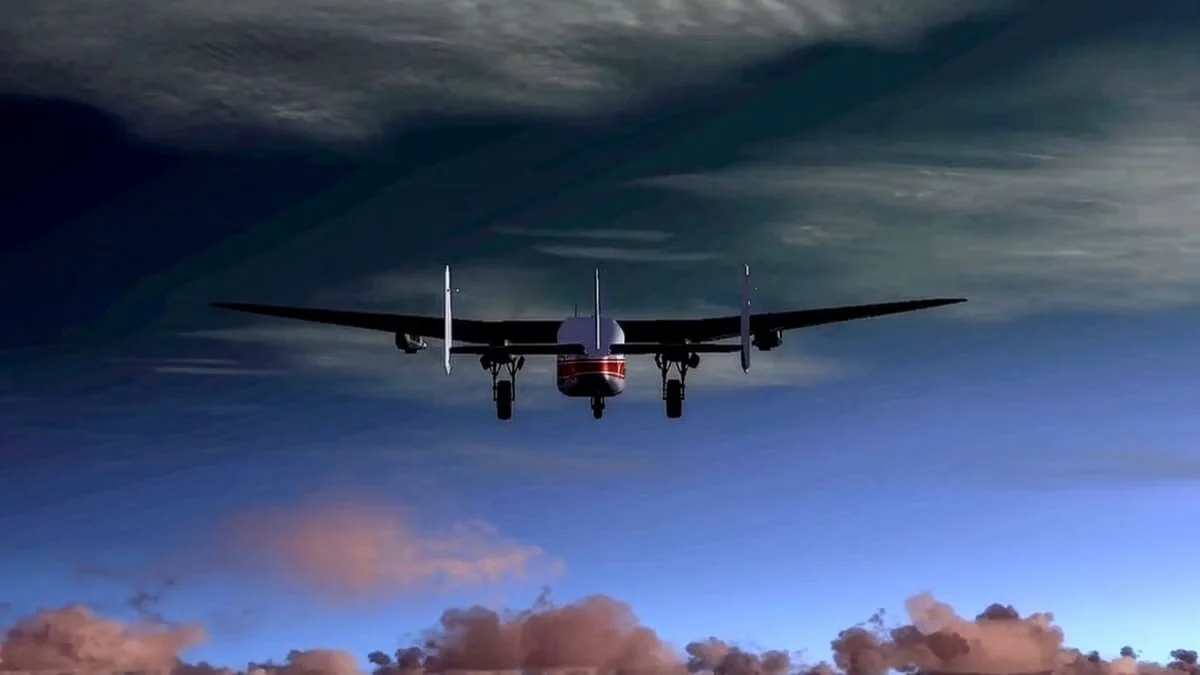
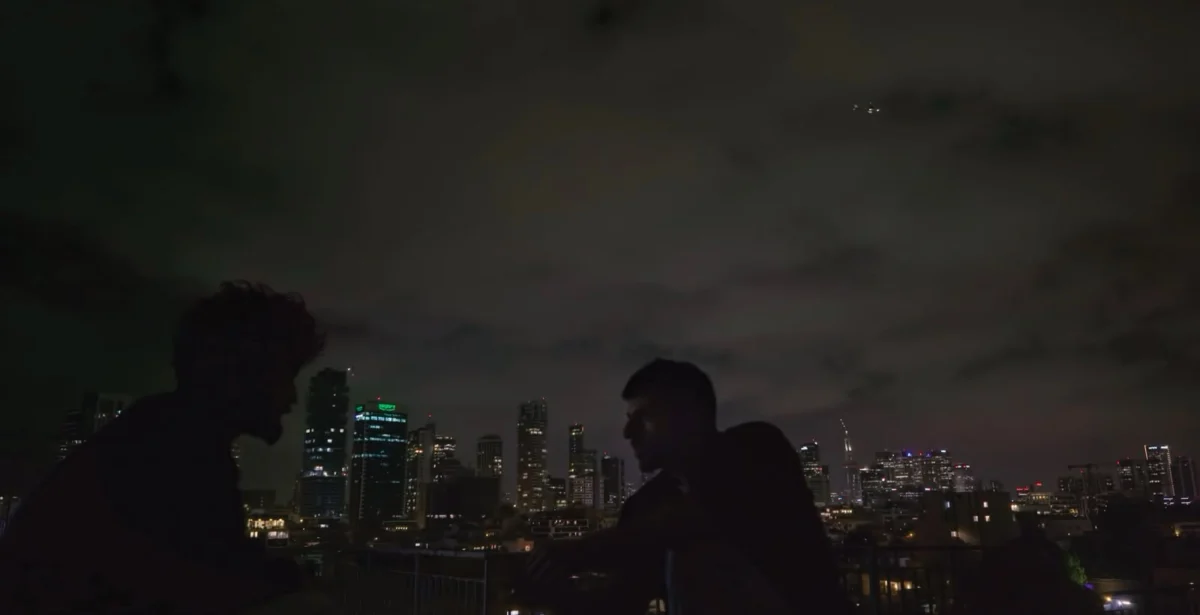
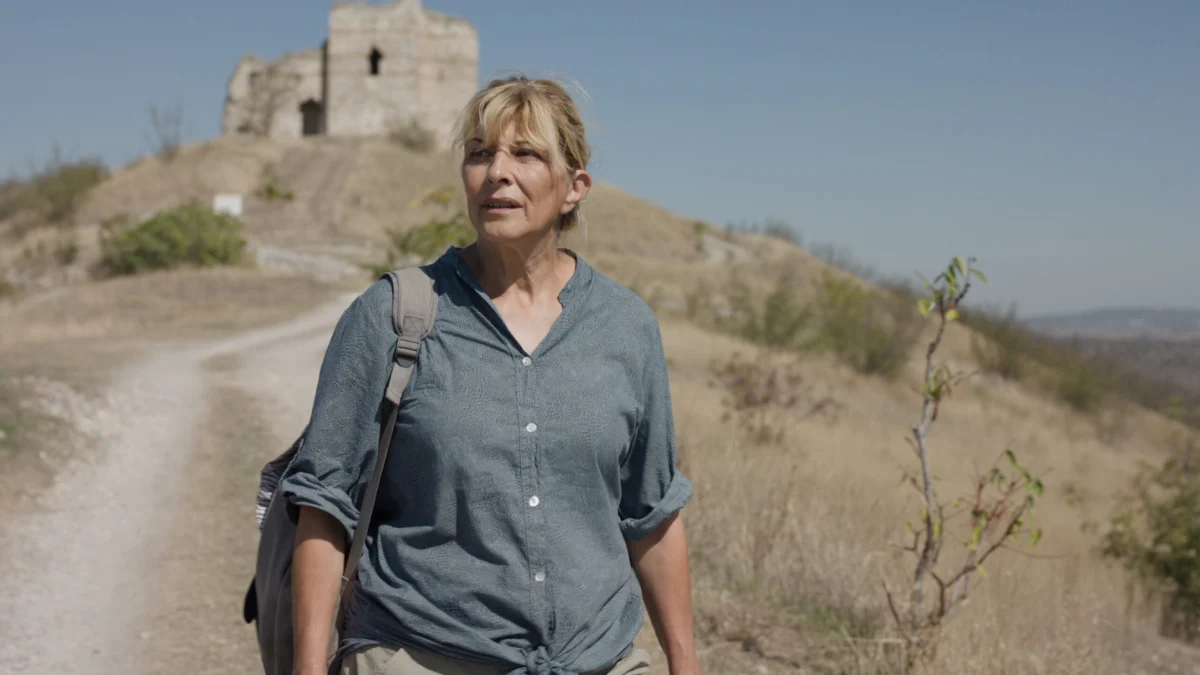
The extensive discussion focused heavily on three major late-premiering Competition titles: Valeska Grisebach’s Jury Prize–winning The Dreamed Adventure, Léa Mysius’s atmospheric The Birthday Party, and Lukas Dhont’s emotionally resonant Coward. The critical quartet also ventured outside the modern competition slate to evaluate a major historical rediscovery: Ken Russell’s newly restored 1971 incendiary classic, The Devils, which screened to much fanfare in the Cannes Classics section.
Main Facts: The Final Days of Cannes 2026 and the Critical Consensus
The 79th edition of the Cannes Film Festival will be remembered as a fiercely competitive year defined by stylistic risk-taking and tonal whiplash. As the festival drew to a close, attention shifted to the twilight phase of the official Competition slate, where several major directorial voices made their final bids for the Palme d’Or and secondary jury honors.
The Film Comment podcast served as a vital retrospective filter, focusing on three specific titles that dominated the closing-weekend discourse:
- The Jury Prize Winner: Valeska Grisebach’s The Dreamed Adventure emerged as one of the critical darlings of the final days, ultimately capturing the festival’s Jury Prize. Grisebach, celebrated for her patient, deeply observational realism in films like Western (2017), brought her trademark sociological acuity back to the Croisette.
- The Stylistic Swerve: Léa Mysius’s The Birthday Party divided audiences and critics alike with its intoxicating blend of genre elements and psychological exploration, cementing Mysius’s reputation as one of French cinema’s most unpredictable contemporary talents.
- The Emotional Heavyweight: Lukas Dhont’s Coward arrived with immense expectation following his international breakthrough with Girl and Grand Prix win for Close. Dhont’s latest exploration of interpersonal dynamics and societal pressure proved to be one of the most heavily debated emotional centerpieces of the festival’s second week.
- The Cinematic Ghost: Away from the contemporary race, the sidebar screening of Ken Russell’s The Devils (1971)—restored to its near-original glory—provided an explosive reminder of the historical power of censorship, religious hysteria, and cinematic excess.
Chronology: Unpacking the Festival’s Grand Finale
The trajectory of Cannes 2026 followed a classic festival rhythm: an explosive opening week packed with established auteurs, followed by a mid-festival endurance test of demanding arthouse titles, and finally, a flurry of late-breaking heavyweights designed to leave a lasting impression on the jury.
The Build-Up to the Closing Weekend
As the festival entered its final days, the exhaustion of the press corps was palpable, yet the quality of the late Competition slots forced critics to remain fully engaged. Rumors regarding the Palme d’Or frontrunners circulated wildly through the cafés of the Rue d’Antibes and the terraces of the Carlton Hotel. It was within this hyper-charged atmosphere that Grisebach, Mysius, and Dhont debuted their respective works.
The Podcast Recording on the Croisette
Gathered in a makeshift studio overlooking the Mediterranean, Girish, Chang, Grierson, and Kiang convened to process the sensory overload of the preceding twelve days. Rather than offering polite consensus, the discussion highlighted the vibrant friction inherent in high-level film criticism.
- Valeska Grisebach’s The Dreamed Adventure (Timestamp ~4:00): The panel opened with an in-depth look at Grisebach’s masterclass in pacing and human observation. The discussion centered on how the film avoids the traps of conventional plotting, instead relying on behavioral authenticity and spatial geography to build tension. The critics analyzed the weight of the Jury Prize designation, evaluating whether the accolade fully captured the film’s subtle radicalism.
- Léa Mysius’s The Birthday Party (Timestamp ~21:58): Transitioning to Mysius’s film, the conversation pivoted toward texture, atmosphere, and narrative ambiguity. The panel unspooled the formal choices that made The Birthday Party a polarizing entry, debating the effectiveness of its tonal shifts and its place within the broader canon of contemporary French fantastic cinema.
- Lukas Dhont’s Coward (Timestamp ~35:09): The tone shifted toward the visceral and the dramatic with Dhont’s latest feature. The critics interrogated Dhont’s signature visual aesthetic—characterized by saturated intimacy and high-stakes emotional performance—and discussed how Coward expands upon or complicates the thematic preoccupations of his previous filmography.
- Ken Russell’s The Devils (Timestamp ~50:15): Stepping out of the contemporary arena, the panel closed with a rapturous look backward. The re-screening of Russell’s blasphemous, historically suppressed masterpiece in the Cannes Classics strand prompted a broader philosophical debate about institutional censorship, the evolution of screen transgression, and the ongoing necessity of film preservation.
Supporting Data: Critical Reception and Festival Metrics
To understand the weight of the titles discussed on the Film Comment podcast, one must look at how they functioned within the broader ecosystem of the 2026 festival, including the Cannes Critics’ Grid and ultimate prize distribution.
The Cannes Critics’ Grid Performance
While the official Jury (presided over by its yet-to-be fully contextualized leadership) handed down the hardware, the Film Comment and Screen International Critics’ Grids offered a quantitative measure of critical esteem:
- The Dreamed Adventure consistently ranked in the upper tier of the grid, drawing praise from international correspondents for its anthropological depth and directorial restraint.
- The Birthday Party sparked polarized ratings, perfectly illustrating the "love-it-or-leave-it" dynamic that traditionally defines the middle-to-late stages of the Cannes Competition.
- Coward earned high marks for technical craft and lead performances, though opinions varied sharply regarding its emotional engineering and narrative third act.
Cultural and Industrial Reach
The Summer 2026 issue of Film Comment, which houses these dispatches, emphasizes the growing demand for deep-dive critical analysis in an era dominated by instantaneous social media reactions. With tens of thousands of downloads across its podcast feed during the fortnight of the festival, the publication’s daily dispatches have cemented themselves as an essential companion for cinephiles unable to make the pilgrimage to the Croisette.
Official Responses and Industry Reactions
The reception of the films dissected by the Film Comment team triggered significant industry chatter regarding the commercial and artistic trajectories of the featured auteurs.
- Valeska Grisebach on The Dreamed Adventure: Speaking to press following her Jury Prize win, Grisebach expressed gratitude for an audience willing to engage with slow-burn, non-traditional narratives. Industry insiders noted that the prize guarantees The Dreamed Adventure an elevated profile on the international arthouse distribution circuit, ensuring that a director known for selective output will reach a wider global audience.
- Léa Mysius and the Artistic Gamble: Representatives for Mysius noted that The Birthday Party was designed to provoke debate, viewing the mixed critical responses as a sign that the film successfully challenged viewer expectations. The film is anticipated to make significant waves on the upcoming autumn festival circuit, including stops at Toronto and New York.
- Lukas Dhont’s Continued Ascent: Following the intense emotional responses to Coward, Dhont’s position as a premier chronicler of youth and identity under duress has been firmly solidified. Studio backers and independent financiers alike have pointed to the film’s strong foreign presales as proof of the director’s enduring commercial viability.
- The Resurrection of The Devils: The restoration and screening of Russell’s film drew public commendation from archival bodies worldwide. Representatives from the BFI and various preservation societies used the occasion to lobby for broader streaming and physical media availability of the uncut version, which has long been a holy grail for film historians.
Implications: What Cannes 2026 Portends for the Future of Cinema
As the industry packs away its tuxedos and shifts its focus to the autumn festivals, the discussions captured on the final Film Comment podcast point to several larger trends defining contemporary world cinema:
- The Persistence of Patient Realism: Grisebach’s success with The Dreamed Adventure signals that international juries and critics remain deeply receptive to a cinema of stillness, observation, and social realism, acting as a counterweight to increasingly hyper-kinetic mainstream filmmaking.
- Genre Hybridization in the Arthouse: Works like The Birthday Party demonstrate that younger generations of European auteurs are increasingly comfortable dissolving the boundaries between traditional prestige drama and genre storytelling (horror, thriller, fantasy), creating a porous cinematic language that appeals to adventurous curators.
- The Value of Archival Rediscovery: The rapturous reception of The Devils underscores a vital shift in festival curation: Cannes is no longer merely a marketplace for the new, but an increasingly essential museum for the curation, rescue, and re-evaluation of cinematic history.
- The Critical Necessity of Contextual Journalism: In a media ecosystem driven by quick hot-takes and algorithmic aggregation, the depth provided by critics like Chang, Grierson, and Kiang—moderated by Girish—proves that audiences crave long-form, thoughtful, and sometimes contentious critical discourse to help make sense of complex artistic statements.
To stay fully up-to-date with all continuing coverage of Cannes 2026, as well as upcoming features in the Summer 2026 issue, readers are encouraged to subscribe to Film Comment and sign up for The Film Comment Letter.