The Architect of Chicano Identity: Luis Valdez and the Legacy of ‘American Pachuco’
For six decades, Luis Valdez has been a singular, transformative force in American theater and film. As the founder of El Teatro Campesino and the visionary behind the landmark works Zoot Suit and La Bamba, Valdez didn’t just create art—he fundamentally altered the DNA of the American cultural landscape. Now, a new documentary, American Pachuco: The Legend of Luis Valdez, directed by David Alvarado, seeks to cement that legacy while grappling with the ongoing struggle for visibility in a nation that has often sought to render the Chicano experience invisible.
The Burden of the Trailblazer: Confronting Criticism
The genesis of American Pachuco lies in a candid conversation between Alvarado and Valdez regarding the brutal reception of Zoot Suit during its 1979 Broadway run. While the play is now considered a foundational work of Chicano literature, its initial reception by the New York critical establishment was marred by what Valdez describes as "vitriolic incuriosity."
"I knew that it was more than just artistic judgment that was coming through," Valdez told IndieWire. "It was a political, racist-inspired vision of my work as a stereotype. They had no willingness to stretch themselves just a little bit."
Critics like Walter Kerr famously questioned Valdez’s command of the English language, taking issue with his use of Caló—a vibrant, culturally specific dialect that blends Mexican Spanish slang with English. For Valdez, this linguistic hybridity was never a shortcoming; it was an authentic reflection of the Chicano experience. "My work has always been bilingual, because I needed the flavor of some Spanish in with the English, because that’s the way Chicanos talk," Valdez explained. "Una palabra en Español and another one in English. You go back and forth. It’s code-switching."
A Chronology of Artistic Defiance
The documentary traces a narrative arc that mirrors a classic hero’s journey—one that is, in the eyes of director David Alvarado, a "quintessential American narrative."
The Farmworker Roots
Born into a family of migrant farmworkers, Valdez’s path to Broadway and Hollywood was unconventional. His early life was defined by the harsh realities of agricultural labor, which became the bedrock of his political activism. In 1965, he founded El Teatro Campesino to support the United Farm Workers (UFW), creating short, high-impact plays performed on flatbed trucks to rally laborers in the fields. This was theater as a weapon, designed to educate and mobilize.

The Leap to Broadway and Beyond
By 1979, Valdez brought the spirit of the fields to the Great White Way with Zoot Suit, a musical drama that explored the 1943 Zoot Suit Riots in Los Angeles. Despite the critical hostility, the play resonated deeply with audiences and cemented his reputation as a dramatist of historical importance.
The Cultural Impact of ‘La Bamba’
For director David Alvarado, the touchstone of his childhood was Valdez’s 1987 biopic, La Bamba. Growing up, Alvarado and his sister watched the VHS tape until it wore out. "‘La Bamba’ meant so much to us, not just because it was a story about a Latino family, but because it was also a signal to broader America that this is an American story," Alvarado noted. This film served as a bridge, introducing millions to the life of Ritchie Valens and proving that stories about Latino protagonists could command a massive, mainstream box-office audience.
Behind the Lens: Alvarado’s Creative Process
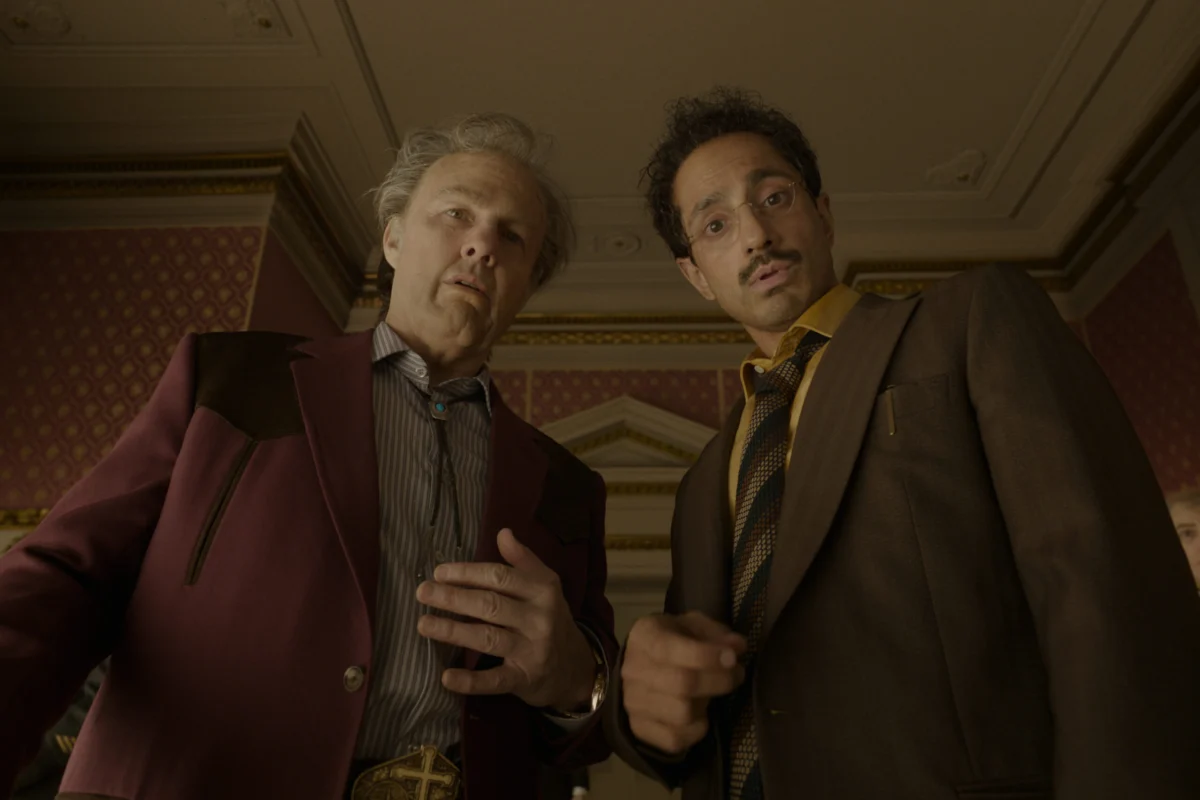
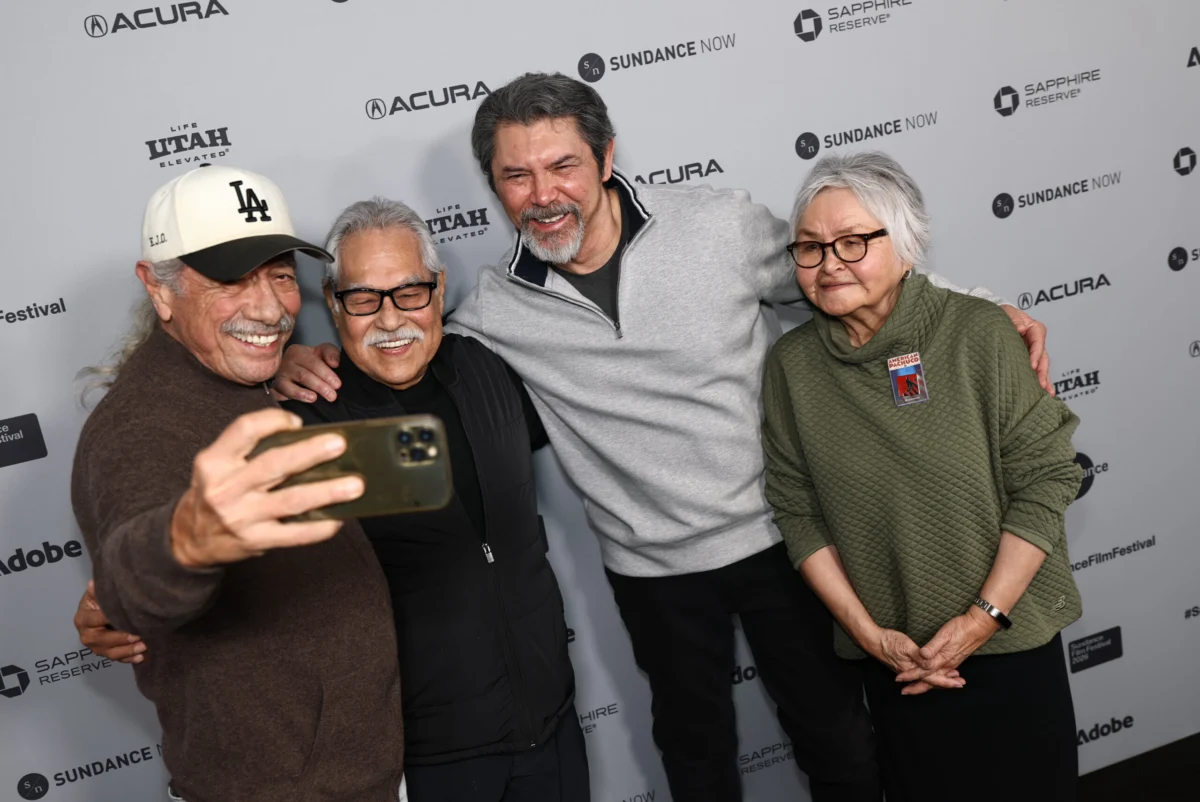
Alvarado’s approach to the documentary was guided by both deep admiration and a need to contextualize a living legend. To bridge the gap between those familiar with Valdez’s work and those discovering him for the first time, Alvarado employed a stroke of creative genius: he tapped Edward James Olmos to narrate the film in the voice of the "Pachuco"—the ghostly, defiant, and sharp-dressed character Olmos originated in Zoot Suit.
"It’s kind of a strange idea for a character from the subject’s work to be aware of the documentary," Alvarado admitted. "I wasn’t sure it was going to work, but it was something we experimented with early on." The result is a narrative voice that feels both authoritative and subversive, challenging the viewer to see the film not just as a biography, but as a cultural intervention.
The Archival Imperative
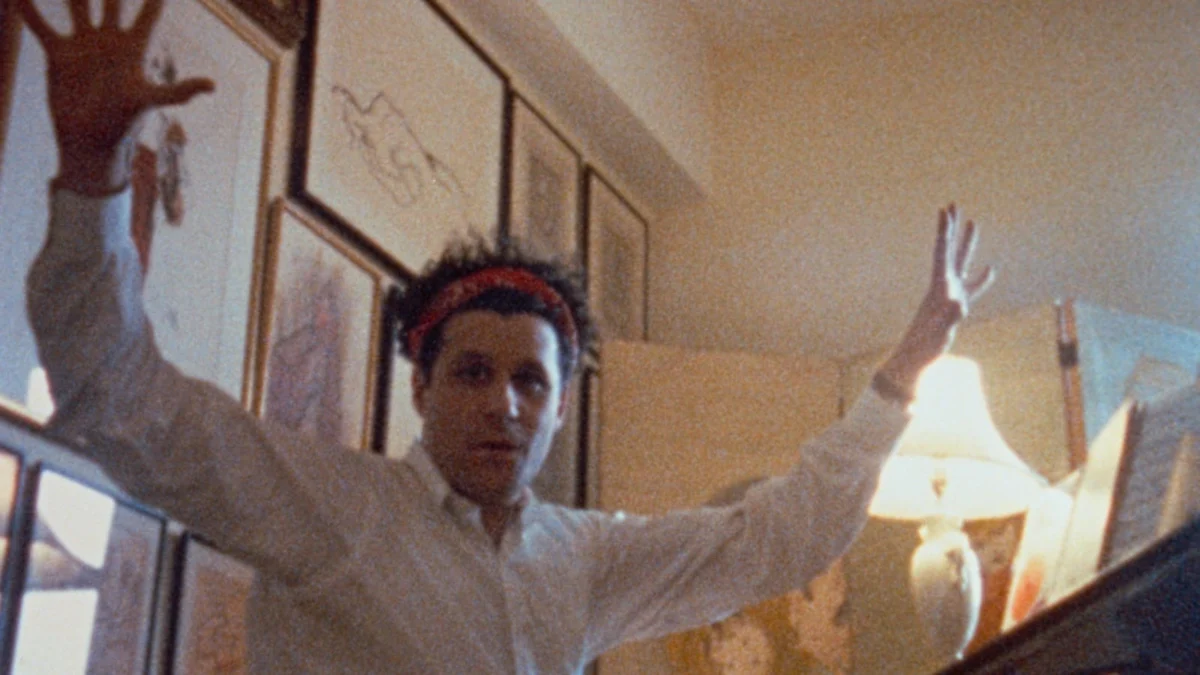
One of the most significant contributions of the film is its use of never-before-seen footage. In collaboration with UC Santa Barbara, Alvarado’s team digitized 80,000 feet of celluloid from the El Teatro Campesino archives. "We’re making it available for researchers and other folks through UC Santa Barbara and the Internet Archive," Alvarado said, ensuring that the primary sources of the Chicano movement are preserved for future scholars and artists.
Navigating Historical Complexity
The production of American Pachuco was not without its hurdles. Mid-production, the historical reputation of labor leader Cesar Chavez came under intense scrutiny due to surfacing allegations. Alvarado, committed to historical accuracy, made the difficult decision to re-edit the film, removing sequences that portrayed Chavez in a simplistic, purely heroic light.

"I’d never quite been in a position before where history changed under our feet as we were releasing the film," Alvarado explained. "And then we as a film team had to change for the new historical understanding that was happening live." This decision underscores the documentary’s commitment to truth over hagiography.
Implications: The Politics of Belonging
At its core, American Pachuco is a film about the struggle to belong in an America that often demands assimilation as the price of admission. Alvarado’s personal connection to this theme is profound; his father, who migrated to the U.S. when the director was 21, intentionally withheld the Spanish language from his children to protect them from "othering."
"If you try to fit in in America, you have two choices: one is you try to assimilate… Or two, you just say, ‘This is what I am, and that is a part of America is to have this diversity,’" Alvarado said.
This question of belonging has taken on a sharper, more urgent tone in the current political climate. With the rise of anti-immigrant sentiment and the systemic profiling of brown bodies, the documentary serves as a necessary act of resistance. "I always set off to make this film about belonging in America," Alvarado noted. "I had no idea that Trump would be back by the time we were done… People are afraid to leave their house if they’re brown."
The Future of Latino Representation
Despite the success of La Bamba nearly four decades ago, the entertainment industry remains statistically stagnant regarding the representation of Latino stories. Valdez is acutely aware of the missed opportunities of the industry.
"They could make so much money if they just allowed us to begin to tell our story the way it needs to be told," Valdez remarked. "But that would require certain people to admit that we’re not just another minority. That we’re a sign that America has changed, that we are America."

Conclusion: Leaving Signposts
Valdez sees his body of work as more than just entertainment; it is a series of "signposts" for the next generation. From the fields of San Juan Bautista to the global stage, he has demonstrated that the migrant experience is a foundational pillar of American culture.
"Our ancestors have left signposts. Beto Juarez left a signpost. Emiliano Zapata left a signpost. Frida Kahlo left a signpost. That’s all we can do really, is leave a signpost for the next generations," Valdez said. "The work I’ve done, I hope, is a signpost to say, ‘It’s possible to be a migrant farm worker and still make it to Broadway or be a movie director.’"
As American Pachuco: The Legend of Luis Valdez opens at New York’s Film Forum this Friday, July 17, it serves as a powerful reminder that the story of America is not a static monolith, but a dynamic, evolving tapestry—one that requires voices like Valdez’s to ensure it is told with the complexity and dignity it deserves.