The Quantified Body: How Smart Fitness Tech is Redefining Personal Wellness and Performance
Introduction: The Era of Algorithmic Sweat
In the contemporary wellness landscape, the sheer volume of biometric telemetry available to the everyday consumer is nothing short of staggering. From bulky wrist-worn accelerometers to eccentric compression garments that map micro-muscle contractions and smart headwear designed to measure pulse rates through a heating scalp, the market has reached a saturation point. It is easy for the modern consumer to fall victim to the technological fallacy that physical exertion is somehow invalid unless it is digitally authenticated, synced, and chronicled on a smartphone screen.
Yet, as the fitness technology sector matures, a new philosophy is taking root: subtraction. The era of the cumbersome, intrusive gadget is giving way to streamlined, aesthetically driven hardware designed for seamless integration into daily life. Consumers no longer want to wear a laboratory on their wrist; they want a refined tool that encourages movement, elevates the heart rate, and does so with style.
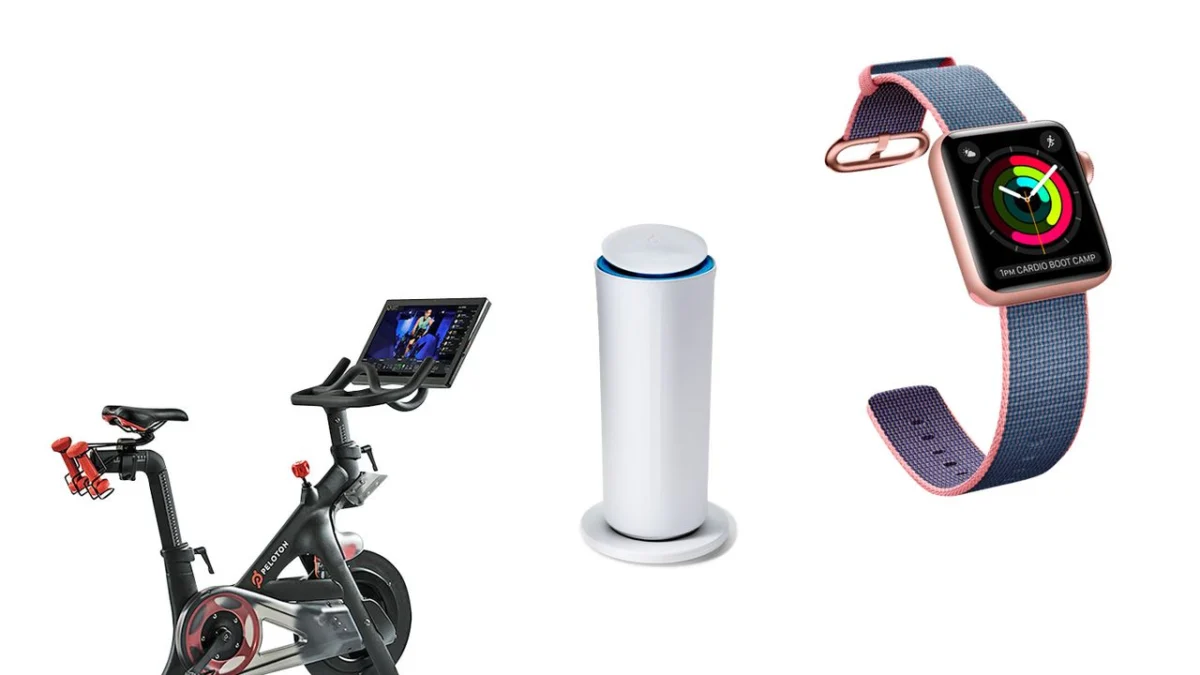
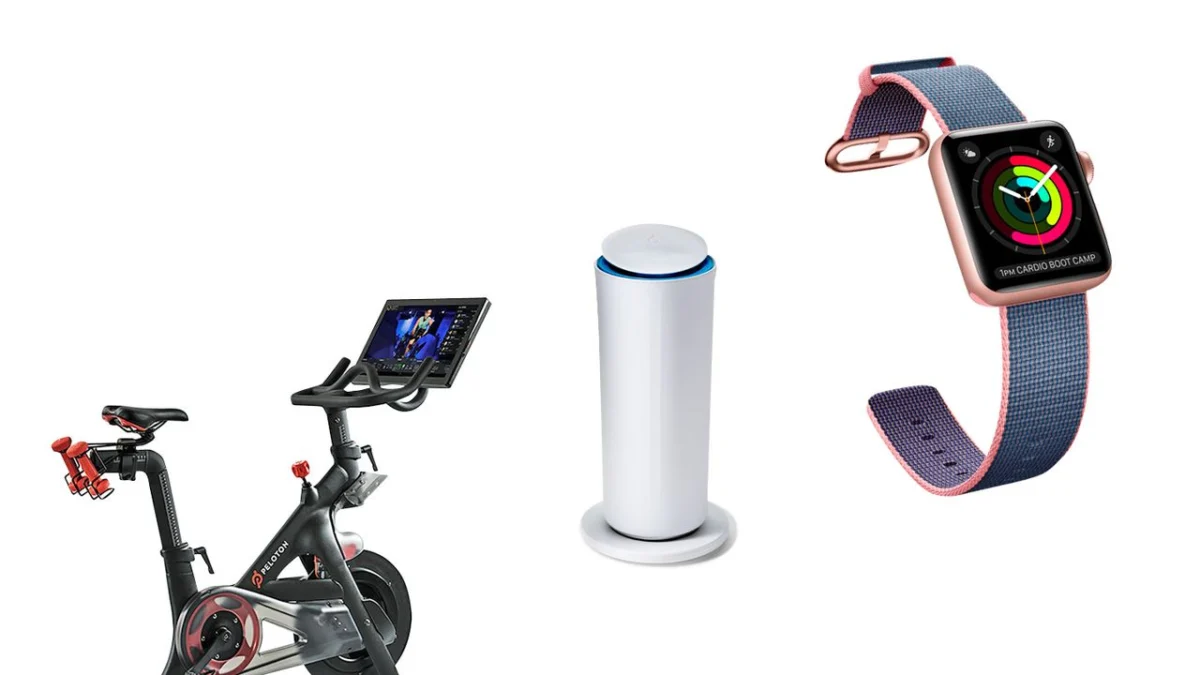
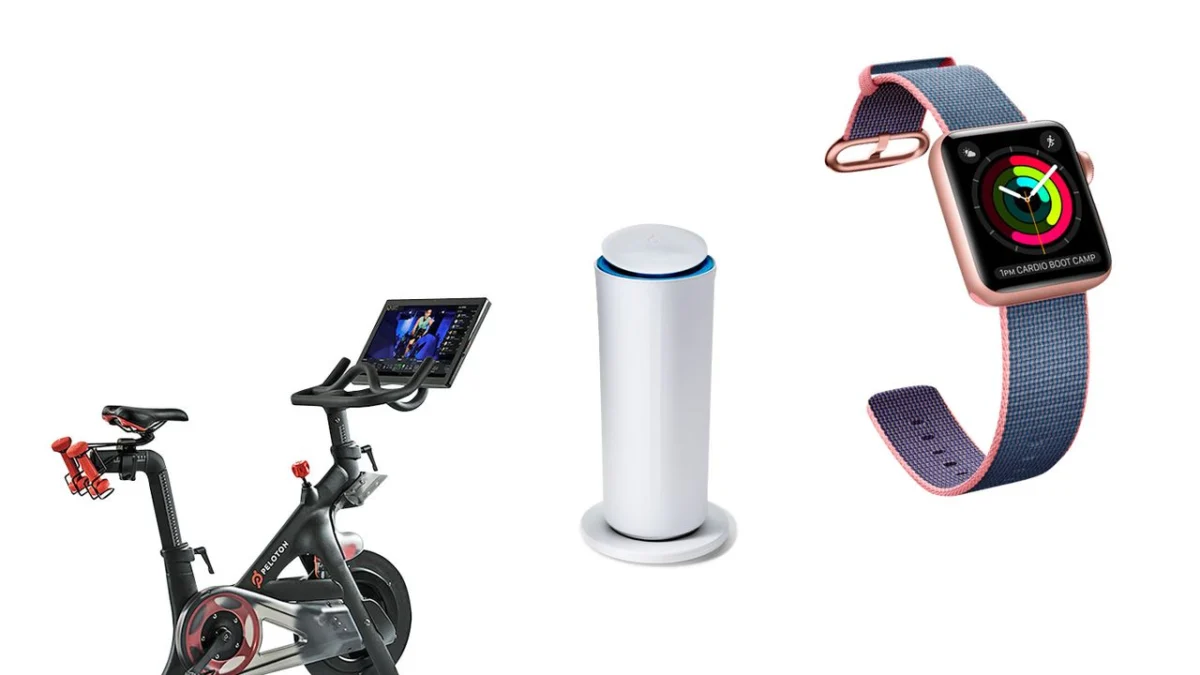
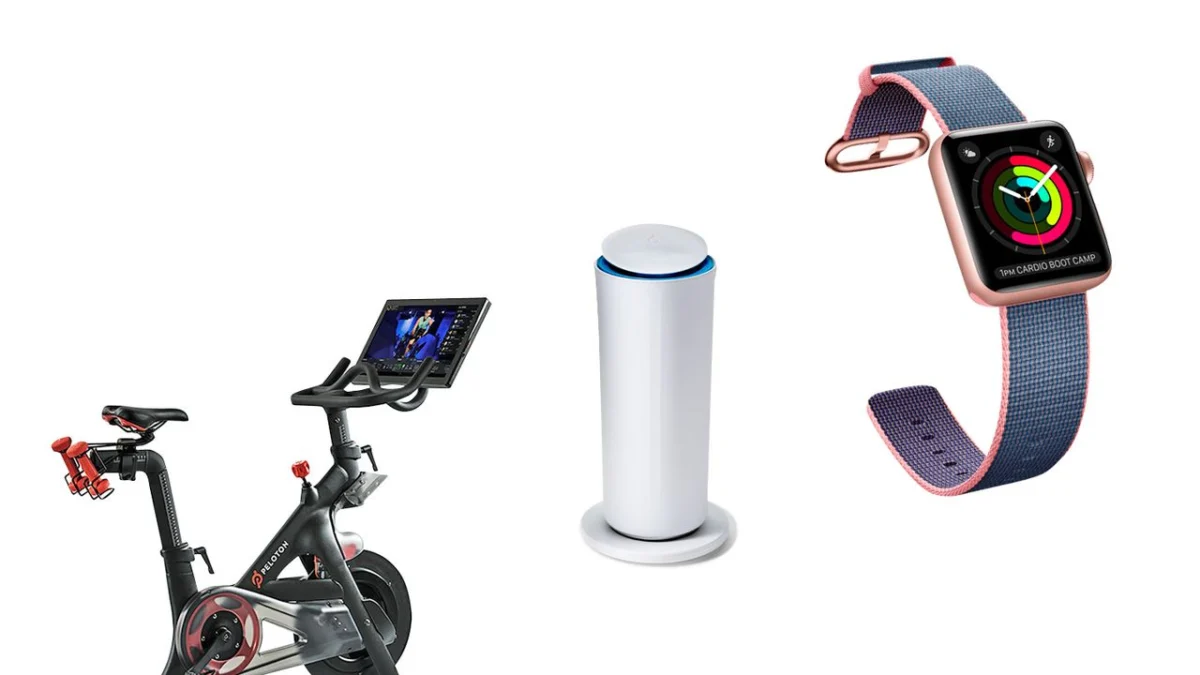
This deep dive explores the current vanguard of fitness hardware—examining how devices like the Apple Watch Series 2, the Peloton indoor cycling system, and the Pryme Vessyl smart water bottle are not merely tracking our workouts, but fundamentally reshaping how we interact with our own biology.
Main Facts: The New Vanguard of Connected Fitness
The modern fitness tech ecosystem is defined by three pillars: untethered tracking, immersive home-based infrastructure, and holistic biometric monitoring. To understand where the industry is heading, one must examine the specific hardware dominating the conversation.
The Apple Watch Series 2: Unleashing the Wrist
Priced between $369 and $1,299 depending on materials and configurations, the Apple Watch Series 2 represents a significant leap forward in wearable technology. Available in hundreds of curated combinations featuring lightweight cases, striking metallic and ceramic finishes, and easily swappable bands, it bridges the gap between high-end horology and utilitarian computing.
Crucially, the Series 2 introduces built-in Global Positioning System (GPS) functionality. This engineering milestone liberates runners, cyclists, and—for the very first time in the device’s lineage—swimmers from the physical tether of their smartphones. Users can leave their handsets behind while maintaining precise route-mapping and pace metrics. Furthermore, the device tracks both aerobic and anaerobic energy expenditure, addressing a historical blind spot in consumer fitness trackers that typically prioritize steady-state cardio over high-intensity interval outputs.
The Peloton Indoor Bike: The Private Studio Revolution
For those who prefer dry-land training without the communal pressure of a crowded boutique fitness class, the Peloton indoor bike ($1,995, accompanied by a $39 monthly subscription) offers an immersive alternative. Constructed from a robust carbon-steel-and-aluminum frame, the bike is engineered to withstand the rigorous torque of out-of-the-saddle sprints while accommodating users of varied statures and athletic backgrounds.
At the core of the experience is an expansive high-definition (HD) touch screen mounted directly to the handlebars. This portal grants riders access to a vast, constantly updated library of live and on-demand classes. Whether a user is seeking a sweat session soundtracked by 1990s hip-hop or a meditative "scenic ride" through alpine passes, the Peloton ecosystem delivers studio-quality instruction directly to the living room or home gym, entirely free of the traditional screaming spin instructor.
The Pryme Vessyl: Hydration as a Smart Metric
Rounding out the modern fitness toolkit is the Pryme Vessyl ($99), a smart hydration vessel that brings algorithmic precision to the simple act of drinking water. If modern wearables function as wrist-mounted supercomputers, the Vessyl applies similar processing power to fluid intake. Featuring a sleek, minimalist silhouette, the tumbler pairs with a wireless charging coaster and a companion smartphone application. By analyzing a user’s biometric profile, activity levels, and environmental conditions, the app calculates an optimal hydration target, prompting the user throughout the day to sip, replenish, and maintain peak physiological function.
Chronology: The Evolution of the Quantified Self
To appreciate the sophistication of today’s fitness hardware, it is necessary to trace the developmental arc of the quantified self movement.
Phase 1: The Pedometer Paradigm (Late 2000s – Early 2010s)
The modern fitness tracking phenomenon began with crude, clip-on pedometers and early tri-axial accelerometers. These devices were rudimentary; they counted steps based on mechanical shocks and offered little context regarding the intensity, duration, or biomechanical nature of the movement. Data synchronization required physical dock cables, and companion software was often clunky and uninspiring.
Phase 2: The Wrist-Worn Boom and the Smartphone Tether (2012–2015)
As Bluetooth Low Energy (BLE) technology matured, the market saw an explosion of rubberized wristbands. These devices introduced continuous optical heart-rate monitoring (using photoplethysmography) and automatic sleep tracking. However, they suffered from a major operational bottleneck: dependency. To achieve accurate mapping or detailed metric review, users were forced to run with their smartphones strapped to their arms or tucked into waistbands—a cumbersome experience that alienated many casual athletes.
Phase 3: Autonomy, Immersive Content, and Contextual Awareness (2016–Present)
The current era is characterized by untethered autonomy and holistic integration. The introduction of onboard GPS in mainstream smartwatches eliminated the smartphone dependency. Simultaneously, home fitness hardware evolved from static stationary bikes into interactive, media-rich training platforms driven by high-speed broadband connections. Devices are no longer passive loggers of data; they are active coaches, environmental monitors, and lifestyle accessories designed to blend seamlessly into the user’s aesthetic preferences.
Supporting Data: Behind the Metrics and Engineering
The engineering feats required to bring these devices to market are underpinned by rigorous testing, vast data collection, and material science innovations.
Apple’s Aquatic Research Initiative
Building a waterproof consumer electronics device capable of tracking aquatic performance is a formidable engineering challenge. Water blocks radio frequencies, pressure changes stress seals, and varying stroke mechanics make algorithmic recognition exceptionally difficult.
To solve this, Apple conducted an unprecedented internal testing regimen utilizing its own employee base. The company recruited more than 700 swimmers spanning all proficiency levels—from recreational splashers to competitive masters athletes. Over the course of the development cycle, these participants logged a combined 1,500 hours of testing across the four fundamental swimming strokes: freestyle, backstroke, breaststroke, and butterfly.
The resulting data allowed Apple’s engineers to train custom machine-learning algorithms capable of accurately distinguishing between stroke types, calculating lap counts based on turn mechanics, and measuring active caloric burn in an environment where standard heart-rate sensors often struggle due to peripheral vasoconstriction in cold water.
Peloton’s Structural Durability Testing
The Peloton bike’s price point reflects a two-year research and development phase dedicated to material optimization. The transition from traditional cast-iron components to a hybrid carbon-steel-and-aluminum chassis was driven by the need for absolute structural rigidity under heavy loads.
Biomechanics labs subjected prototype frames to hundreds of thousands of simulated high-resistance sprints, measuring flex tolerances at the handlebar stem, seat post, and bottom bracket. The objective was to eliminate frame distortion—a common flaw in cheaper stationary bikes—thereby ensuring that a 100-pound novice and a 250-pound competitive cyclist experience the exact same mechanical resistance profile and power output accuracy.
Official Responses: Insights from Designers and Engineers
The philosophy driving these products is best understood through the perspectives of the creators who brought them from concept to consumer hardware.
Industry designers emphasize that the intersection of technology and fashion is no longer optional. "When you ask someone to wear a device twenty-four hours a day, you are asking to be part of their wardrobe," notes a lead industrial designer within the wearable tech sector. "If a fitness tracker looks like medical equipment or a hacker’s accessory, adoption rates plummet. The future belongs to modularity—interchangeable bands, subtle metallic finishes, and form factors that respect personal style."
Regarding home fitness integration, product strategists point to the shifting psychological landscape of modern consumers. "People are busier than ever, yet they place a higher premium on physical well-being," says a product director specializing in connected home fitness. "The traditional gym model relies on friction: packing a bag, commuting, fighting for parking, and navigating crowded locker rooms. By removing that friction and replacing it with high-end, studio-grade content delivered privately into the home, we aren’t just selling a bike; we are removing the psychological barriers to entry."
Implications: The Future of Health, Privacy, and Performance
As these technologies become deeply embedded in our daily routines, their broader implications stretch far beyond individual weight loss or cardiovascular health.
The Democratization of Advanced Biometrics
Features once exclusive to elite Olympic training facilities—such as anaerobic threshold tracking, GPS route analysis, stroke efficiency metrics, and real-time hydration monitoring—are now accessible to anyone with a credit card and a Wi-Fi connection. This democratization of data empowers individuals to take a proactive, scientific approach to their personal longevity.
The Psychology of Quantified Living
However, the pervasive nature of fitness tracking introduces complex psychological questions. When every step, sip, and stroke is quantified, evaluated, and scored by an algorithm, there is a risk of transforming play and physical release into a stressful corporate review of the body. The challenge for consumers moving forward will be to use these tools as supportive guides rather than authoritarian taskmasters.
Data Privacy and the Biometric Frontier
As smartwatches and home fitness systems collect increasingly intimate physiological data—heart-rate variability, sleep stages, caloric burn, and spatial coordinates—questions surrounding data ownership and privacy become paramount. Consumers must navigate how tech conglomerates store and utilize this treasure trove of health telemetry. Ensuring robust end-to-end encryption and transparent data-sharing policies will be the defining battleground for tech companies in the years to come.
Conclusion: Sweat, Smartly
The evolution of fitness technology has moved past the awkward adolescence of bulky plastic bracelets and awkward body sensors. Today, devices like the Apple Watch Series 2, the Peloton bike, and the Pryme Vessyl prove that form and function can coexist harmoniously. Whether you choose to dive into open water, conquer a high-intensity climb in your living room, or simply optimize your daily water intake, the modern digital ecosystem provides the tools to do so with precision, autonomy, and undeniable style.
Ultimately, technology should not dictate how we move—it should simply get out of our way, track our triumphs, and remind us to enjoy the sweat.