Dispatch from Bohemia: Inside the 60th Karlovy Vary International Film Festival’s Final Act
Main Facts: A Landmark Anniversary and Global Cinema Showcase
The picturesque, mineral-spring-scented spa town of Karlovy Vary in the Czech Republic once again played host to one of the most vital and historically rich fixtures on the European cinematic calendar: the Karlovy Vary International Film Festival (KVIFF). Marking its monumental 60th edition, this year’s festival reaffirmed its dual identity as both a crucial mid-summer nexus for major international festival circuits and a dedicated incubator for undiscovered gems, particularly within its fiercely competitive sections.
Reporting live from the heart of Bohemia, Film Comment Editor Clinton Krute spearheaded the publication’s on-the-ground coverage. For the outlet’s third and final podcast episode emanating from the 2026 festival, Krute sat down with a formidable panel of veteran critics: Robert Daniels of RogerEbert.com and Guy Lodge of Variety. Together, the trio unpacked the festival’s closing days, zeroing in on a wave of buzzworthy European titles, breakout regional discoveries, and the overarching thematic currents defining contemporary global art-house cinema.
At the center of the critics’ roundtable were two distinct Bulgarian cinematic offerings that captured the festival’s spirit of narrative daring: Kristina Grozeva and Petar Valchanov’s biting dark comedy Black Money for White Nights, and Martina Buchelová’s feature debut, Lover, Not a Fighter, which walked away with the prestigious Proxima Competition Grand Prix award. Expanding their geographical lens, the critics also examined Japanese director Shuntaro Uchida’s gripping drama Incinerator and the tense geopolitical-social tapestry of Hijamat, a film written and directed by Nader Saeivar and edited by the legendary dissident Iranian filmmaker Jafar Panahi.
Chronology: The Evolution of KVIFF and the Final Days in Karlovy Vary
A Storied History: From Moscow Rotation to Bohemian Bastion
To fully understand the weight of the 60th KVIFF, one must look backward through its unique geopolitical timeline. Established in the post-WWII era, the festival has spent decades adapting to the shifting political topography of Central and Eastern Europe. During the Cold War era, the festival famously alternated years with the Moscow International Film Festival, serving as a vital cultural bridge between Eastern Bloc cinema and the broader international landscape.
Following the Velvet Revolution and the fall of the Iron Curtain, KVIFF underwent a dramatic revitalization under the stewardship of actor Jiří Bartoška and artistic director Karolina Mecková (later succeeded by Lenka Tyrpáková and Karel Och). It transformed into an unpretentious yet fiercely curated celebration of world cinema. This year’s anniversary edition paid homage to this complex history through an extensive, highly praised retrospective sidebar. This curated program pulled cinematic treasures from the festival’s past, reminding attendees of KVIFF’s historical role as a champion of marginalized and risk-taking cinematic artistry.
The Closing Chapter: Festival Wrap-Up and Podcast Breakdown
As the 60th edition drew to its conclusion, the atmosphere in Karlovy Vary shifted from red-carpet glitz to deep critical evaluation. In the final Film Comment podcast episode, Krute, Daniels, and Lodge provided a chronological breakdown of the festival’s final narrative arcs.
- The Bulgarian Wave (Early Segment): The discussion kicked off with an analysis of Bulgaria’s prominent footprint at the festival, exploring the structural ironies of Grozeva and Valchanov’s Black Money for White Nights at the 04:24 mark of the episode, before transitioning into Buchelová’s triumph with Lover, Not a Fighter at 13:28.
- Global Expansion (Mid-Segment): At 20:49, the conversation pivoted to Asia, with Robert Daniels unpacking the bleak realism and atmospheric weight of Shuntaro Uchida’s Japanese drama Incinerator.
- Collaborative Resistance (Final Segment): Finally, at 26:30, Lodge and Daniels dove deep into the collaborative mechanics and thematic urgency of Hijamat, exploring the creative synergy between Saeivar and Panahi.
Supporting Data: Festival Highlights and Critical Reception
| Film Title | Director(s) | Country of Origin | Key Accolades / Context | Discussion Timestamp |
|---|---|---|---|---|
| Black Money for White Nights | Kristina Grozeva, Petar Valchanov | Bulgaria | Dark comedy highlighting systemic absurdities | 04:24 |
| Lover, Not a Fighter | Martina Buchelová | Slovakia / Regional | Proxima Competition Grand Prix Winner | 13:28 |
| Incinerator | Shuntaro Uchida | Japan | Gritty drama exploring modern marginalization | 20:49 |
| Hijamat | Nader Saeivar (Dir.), Jafar Panahi (Ed.) | Iran | Politically charged social drama | 26:30 |
The Bulgarian Spotlight: Grozeva, Valchanov, and Buchelová
Bulgarian cinema has enjoyed a quiet renaissance on the international stage over the past decade, largely due to the sustained output of filmmaking duo Kristina Grozeva and Petar Valchanov. Known for their deadpan tragicomedies (The Lesson, Glory), the directors brought their signature blend of social critique and absurdist humor to KVIFF with Black Money for White Nights. Daniels and Lodge noted how the film uses micro-budget aesthetics and granular character studies to expose the moral compromises ordinary people make under economic duress.
Equally striking was Martina Buchelová’s Lover, Not a Fighter. Capturing the Proxima Competition Grand Prix—a section specifically dedicated to daring, boundary-pushing works by emerging international auteurs—Buchelová’s debut feature resonated deeply with jurors and critics alike. The film navigates the complexities of contemporary youth, intimacy, and regional identity with a refreshing lack of sentimentality, establishing Buchelová as a major new voice in European cinema.
Venturing Beyond Europe: Incinerator and Hijamat
The critical panel also cast a wide net across international borders to evaluate two of the festival’s most emotionally demanding dramas. Shuntaro Uchida’s Incinerator offered festival-goers a stark, uncompromising look at Japanese societal decay, earning praise from Robert Daniels for its patient pacing and refusal to offer easy moral resolutions.
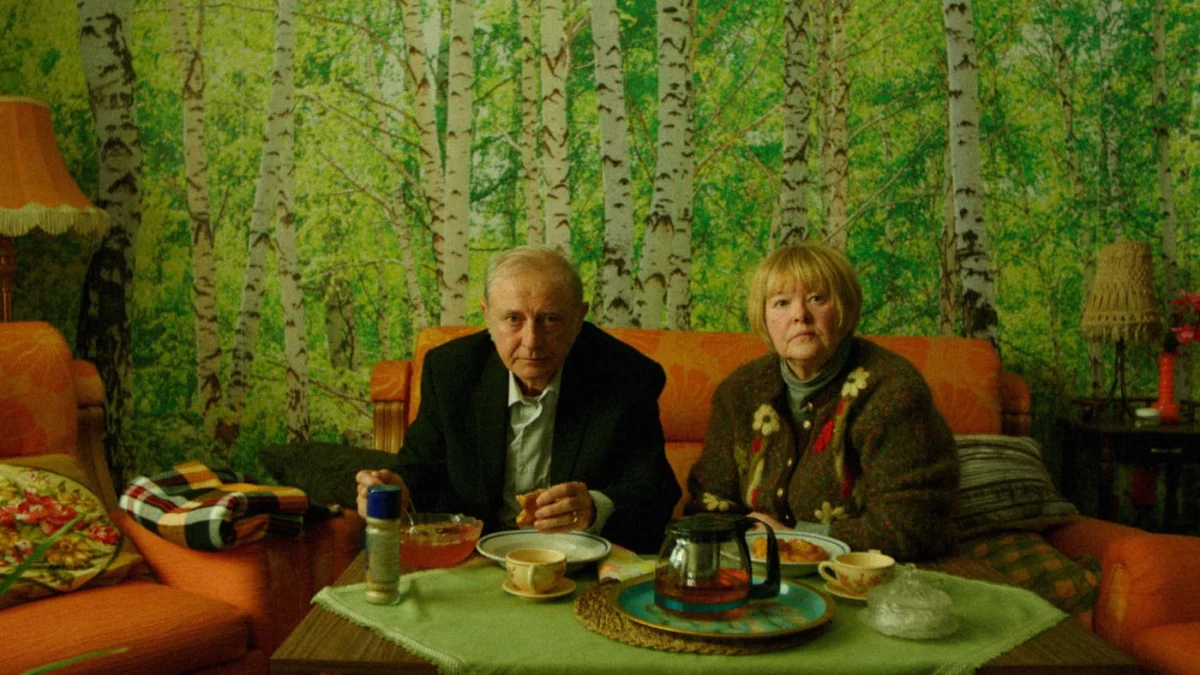
Meanwhile, Hijamat stood out as a masterclass in transnational creative resistance. Directed by Nader Saeivar and shaped by the editorial hand of Iranian master Jafar Panahi—whose ongoing struggles with state censorship have only amplified the urgency of his artistic output—the film examines institutional corruption and individual culpability. Guy Lodge and Robert Daniels praised the film’s structural tightness, noting how Panahi’s editing elevates Saeivar’s screenplay into a taut, suffocating thriller of conscience.
Official Responses: Festival Leadership and Critic Perspectives
While KVIFF operates primarily as a celebration of cinematic art rather than a heavily politicized industry market, the official stance of the festival’s administration has consistently emphasized the necessity of artistic freedom and regional visibility. In opening and closing statements throughout the 60th edition, festival organizers reiterated their commitment to maintaining Karlovy Vary as a safe haven for independent filmmakers whose works might face censorship or marginalization in their home territories.
The critical consensus delivered via the Film Comment podcast echoed these institutional values. Robert Daniels emphasized that festivals like Karlovy Vary serve an irreplaceable function in the modern cinematic ecosystem:
"What makes KVIFF unique is its refusal to merely echo the tastes of Cannes or Berlin. It carves out a distinct space where Eastern European discoveries and bold international debuts can breathe side-by-side with retrospective masters."
Guy Lodge further elaborated on the vitality of the Proxima section and regional discoveries:
"When you look at a film like Lover, Not a Fighter or the ongoing brilliance of Grozeva and Valchanov, you realize that the real pulse of European cinema isn’t just found in high-gloss co-productions, but in these sharp, locally rooted, culturally specific comedies and dramas that somehow manage to speak a universal language."
Implications: The Future of Mid-Summer Film Festivals and Regional Cinema
As the 60th Karlovy Vary International Film Festival officially closes its doors, its implications for the broader film industry are profound. In an era dominated by streaming algorithms, theatrical contraction, and the homogenizing tendencies of major global markets, regional festivals like KVIFF act as vital bulwarks for cultural diversity.
- The Rise of Central and Eastern European Auteurs: The critical success of Bulgarian and Slovak cinema at this year’s festival signals a shifting paradigm. No longer viewed as peripheral to Western European art-house capitals, filmmakers from this region are increasingly dictating global festival conversations.
- Transnational Collaboration under Duress: The success of works like Hijamat underscores the resilience of filmmakers operating under restrictive political regimes. By leveraging collaborative networks—such as Saeivar directing and Panahi editing—artists are finding innovative ways to bypass state-imposed creative limitations and reach international audiences.
- The Enduring Value of Curation: As digital platforms flood consumers with endless content, the human element of curation championed by KVIFF and analyzed by publications like Film Comment becomes ever more essential. The festival proves that audiences are hungry for contextualized discovery, historical retrospectives, and rigorous critical dialogue.
For those eager to dive deeper into the cinematic treasures unearthed in the Czech spa town, Film Comment’s comprehensive coverage—culminating in their Summer 2026 issue—serves as an indispensable guide. As the film world looks ahead to the autumn festival circuit in Venice, Toronto, and New York, the ripples of the 60th Karlovy Vary International Film Festival will undoubtedly continue to be felt across the global cinematic landscape.