The Art of Reinvention: How Michael Dinner Transformed ‘Silo’ into a Masterclass in Genre Storytelling
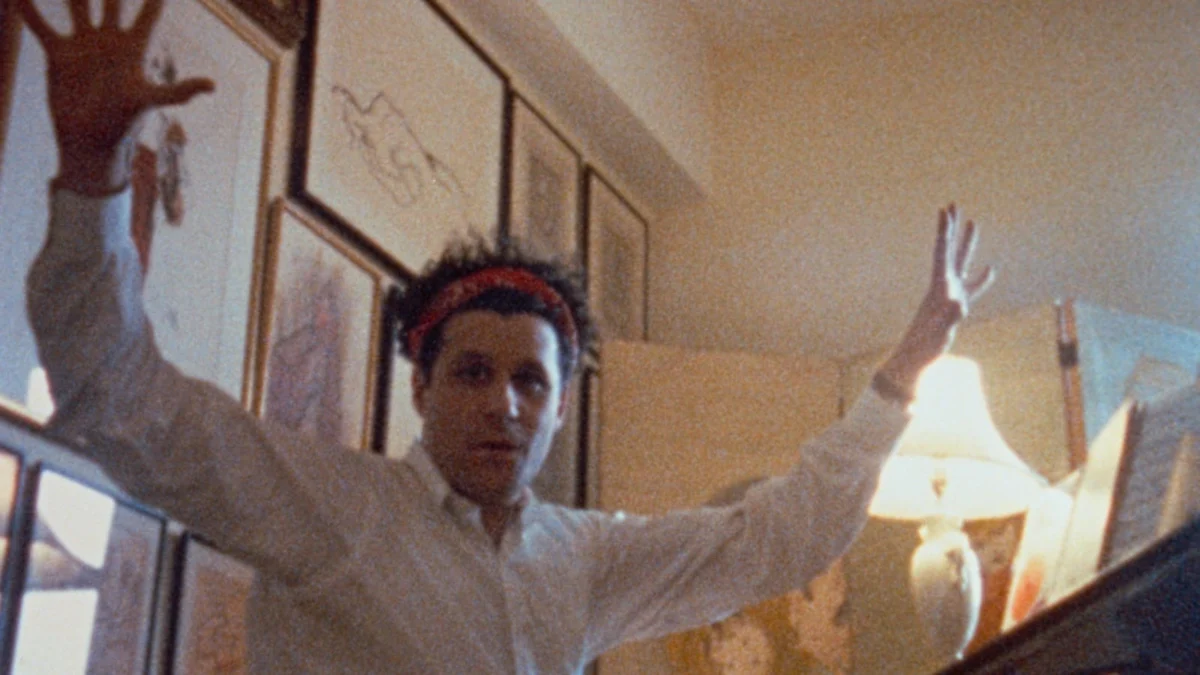
For over four decades, director Michael Dinner has operated as a chameleon of the American screen. From the dry, sharp-witted comedy of the 1980s cult classic Off Beat to the high-stakes emotional terrain of Chicago Hope and Grey’s Anatomy, and the quintessential American grit of The Wonder Years and Justified, Dinner has built a career defined by an inability to be pigeonholed. Yet, as he enters the latest phase of his prolific tenure, he finds himself navigating the sprawling, claustrophobic, and high-concept world of Apple TV+’s hit sci-fi series, Silo.
"I’ve done a little bit of everything," Dinner remarked in an upcoming episode of the Filmmaker Toolkit podcast. "I sometimes joke that I practice the great American pastime of reinventing myself."
A Creative Homecoming: Reuniting with Graham Yost
Dinner’s transition into the realm of science fiction was, at its inception, less about a sudden passion for dystopian futurism and more about the enduring strength of a professional partnership. Having forged a deep creative bond with writer and producer Graham Yost during their time on the neo-Western smash Justified, Dinner didn’t hesitate when Yost approached him to spearhead the second season of Silo.
"I committed without even seeing or reading anything, because of Graham," Dinner admitted. What began as a projected six-month commitment in London blossomed into a three-year odyssey. Dinner remained with the production through the end of Season 4, embedding himself in the intricate world-building of Hugh Howey’s novels. For Dinner, the project quickly evolved from a favor to a friend into an immersive exploration of a complex, layered mystery.
The Architecture of Mystery: Expanding the ‘Silo’ Universe
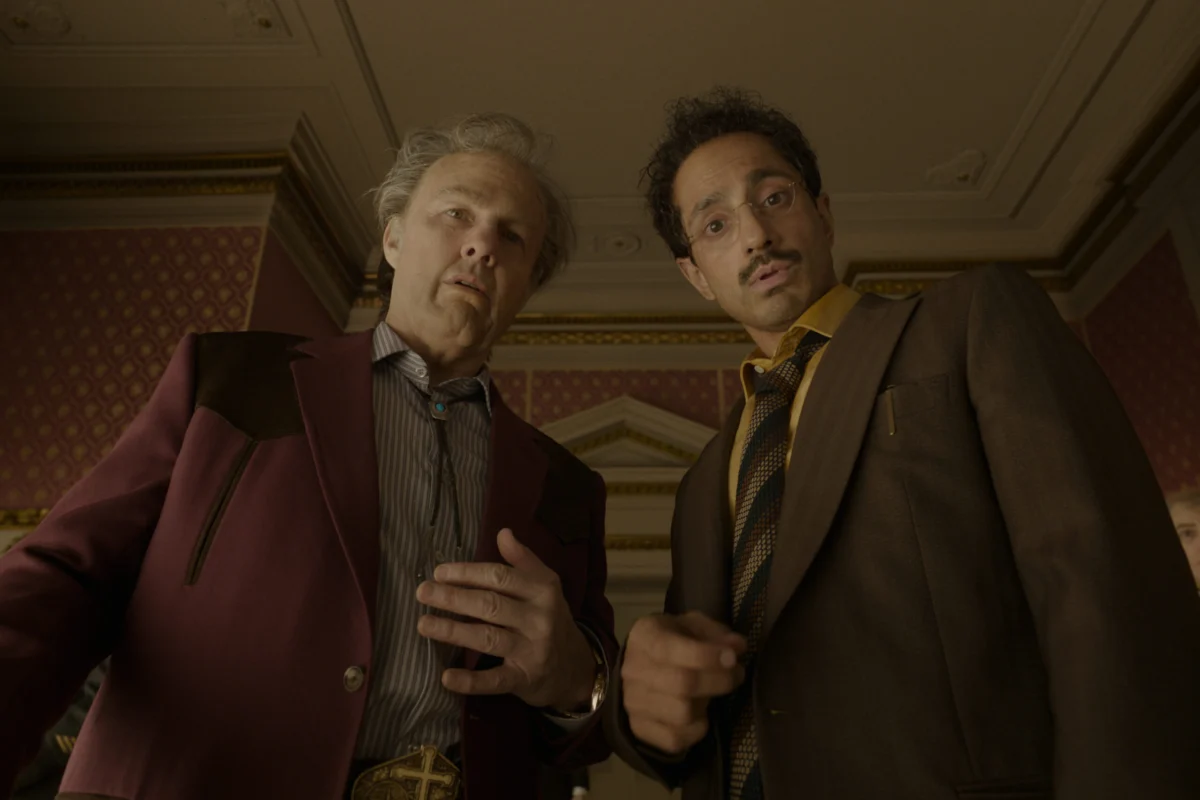
The premise of Silo—a subterranean society of 10,000 souls living in ignorance of their origins and the world above—provides a rich canvas for genre experimentation. Season 3, which premieres today, marks a significant departure in narrative scope. The show now splits its focus between two distinct timelines: the future-bound struggle of heroine Juliette Nichols (Rebecca Ferguson) as she grapples with a wiped memory, and a grounded, present-day origin story that peels back the layers of how and why the silos were constructed.

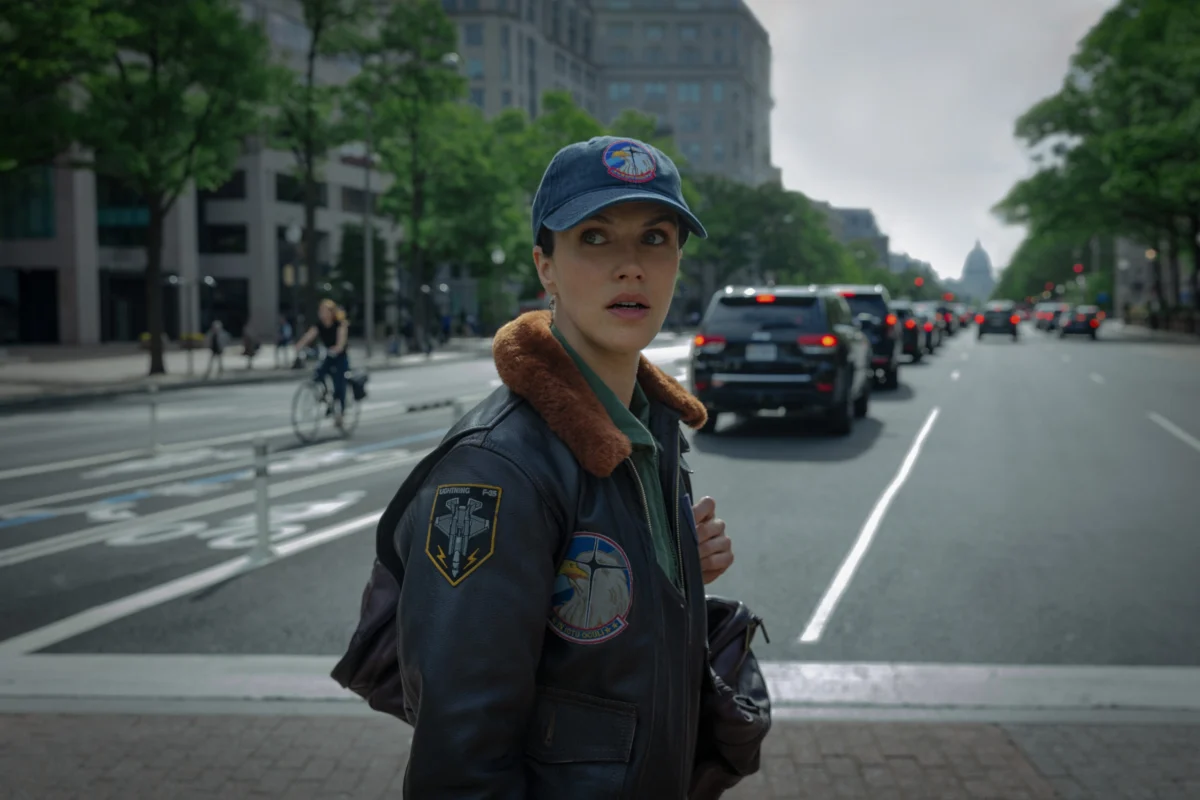
This structural shift serves as a testament to Dinner’s versatility. By juxtaposing the post-apocalyptic future with the contemporary political climate of Washington, D.C., the series creates a unique tension. The introduction of characters like Congressman Daniel Keene (Ashley Zukerman) and reporter Helen Drew (Jessica Henwick) allows Dinner to pivot toward a style that feels markedly different from the rest of the show’s aesthetic.
Channeling the Golden Age of Thrillers
For the present-day Washington sequences, Dinner drew upon the deep well of his own cinematic education. He consciously channeled the visual language and pacing of 1970s political thrillers—films that defined his youth and fueled his desire to enter the industry.
"I don’t want to date myself, but those are some of the movies that made me want to do what I do," Dinner said. He recalls a childhood spent frequenting the Esquire and Bluebird theaters with his friend Larry, soaking in the work of auteurs like Alan Pakula, Francis Ford Coppola, and Sydney Pollack.
While the influence of classics like The Conversation or All the President’s Men is palpable, Dinner was careful to avoid direct mimicry. Instead, he treated these inspirations as part of his creative DNA—a latent stylistic instinct rather than a list of references to check off. By opting for a more understated approach, Dinner allowed the inherent paranoia of the Silo scripts to breathe, creating a tone that feels both timeless and urgent.
Chronology of an Evolving Production
The production timeline of Silo reflects the ambitious nature of the series. Dinner joined the team in London for the second season, a process that required a total immersion into the logistics of high-budget sci-fi.

- Season 2 Initiation: Dinner arrived in London, initially expecting a short-term directorial and producer role.
- The Pivot to Season 3: Following the success of the second season, the production expanded, with Dinner taking a central role in guiding the show’s expanded narrative, including the pivotal origin story arc.
- The Wrap of Season 4: Having just completed production on the fourth season, Dinner has spent the better part of three years deeply entrenched in the Silo production environment, overseeing the intricate, parallel storytelling arcs that characterize the show’s current iteration.
Visual Language: Handheld vs. Steadicam
One of the most compelling aspects of Dinner’s approach is his resistance to rigid, prescriptive directing. While some might assume a science-fiction show of this magnitude would require a strict "visual rulebook," Dinner prioritized the organic energy of the scene.
"I didn’t want to overthink it," Dinner explained. He noted that while he naturally gravitated toward a more kinetic, handheld style for the chaotic, desperate conditions of the underground, he favored the stability of dollies and Steadicam for the Washington, D.C. sequences. These choices were not dictated by a desire to contrast the two worlds through forced visual distinction, but rather through a response to the characters’ environments.
Ultimately, Dinner found that the two disparate timelines were unified not by the camera, but by the thematic resonance of the mystery. "Both stories are detective stories," he noted. Whether it is Juliette fighting to reconstruct her identity or the investigators in the D.C. sequences uncovering the origins of the conspiracy, the show is anchored by the universal human drive to uncover the truth, regardless of the era.
The Role of Sonic Cohesion
Dinner is quick to credit the show’s composer, Atli Örvarsson, for providing the "sonic language" that bridges the gap between the show’s multiple, divergent storylines. In a production where the settings, time periods, and stakes vary so drastically, the score acts as the glue that maintains the audience’s emotional immersion.
By allowing the music to dictate the mood, Dinner avoided the common trap of making the show feel "over-produced." He trusted the script and the performances, believing that the thematic overlap—specifically the fragile, easily manipulated nature of human memory—would be enough to keep the viewer engaged.

Implications for the Future of Television
Michael Dinner’s success on Silo offers a compelling argument for the role of the "genre-agnostic" director in the modern streaming landscape. As series become increasingly complex and long-form, the ability to pivot between different narrative modes—from political thriller to dystopian mystery—becomes an invaluable asset.
Dinner’s willingness to "reinvent himself" at this stage in his career has not only breathed new life into Silo but has also provided a masterclass in how to maintain an auteurist sensibility within a massive, collaborative studio system. By resisting the urge to over-stylize and instead leaning into the fundamental, character-driven questions at the heart of the story, Dinner has helped elevate Silo from a standard sci-fi procedural into one of the most intellectually rigorous shows currently on television.
As the third season begins its run on Apple TV+, the audience is invited into a world that is as much about the fragility of the human mind as it is about the physics of a giant, underground cylinder. For Michael Dinner, the journey has been long, but the destination—a show that allows him to explore his favorite cinematic influences while pushing the boundaries of his own craft—has been well worth the three-year tenure in London.
Silo is currently streaming on Apple TV+. The full conversation with Michael Dinner will be available on the Filmmaker Toolkit podcast later this summer. Listeners can subscribe via Apple, Spotify, or their preferred podcast platform to ensure they don’t miss the deep dive into his creative process.