Venice Classics: A Cinematic Resurrection for the 83rd Venice Film Festival
The Venice Film Festival, the world’s oldest and one of its most prestigious cinematic gatherings, has unveiled the lineup for its "Venice Classics" section. This year’s selection, comprising 19 meticulously restored masterpieces, serves as a bridge between the golden ages of global cinema and the modern viewer. From the haunting landscapes of postwar Poland to the neon-soaked streets of Hong Kong, the program underscores the festival’s enduring commitment to film preservation and the cultural necessity of revisiting the past to inform the future of the medium.
A Legacy Restored: Highlights of the 2025 Lineup
The 19-title roster is a testament to the diverse and transformative power of world cinema. Among the most anticipated restorations is Andrzej Wajda’s Ashes and Diamonds (1958). A seminal work of the Polish Film School, the drama explores the political and social vacuum of the postwar era. It is a film that has left an indelible mark on cinematic history, famously cited by Martin Scorsese as one of his ten favorite films of all time.
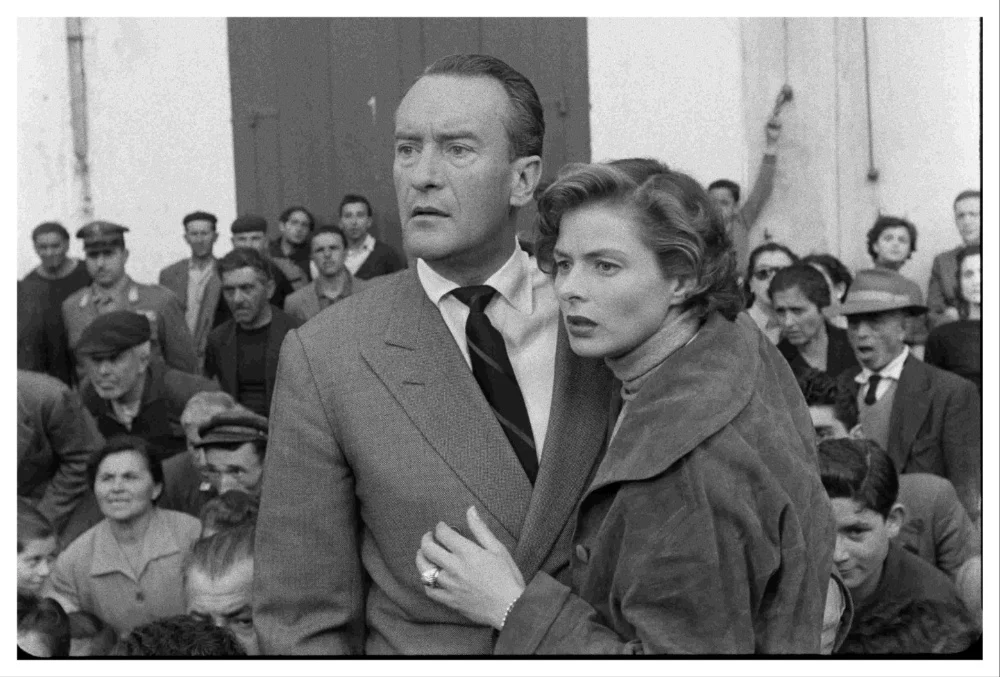
The lineup also features Roberto Rossellini’s Journey to Italy (Viaggio in Italia, 1953), a cornerstone of neorealism that captures a crumbling marriage with devastating emotional precision, starring the iconic duo of Ingrid Bergman and George Sanders. Luis Buñuel’s absurdist comedy Illusion Travels by Streetcar (La Ilusión Viaja en Tranvía, 1954) brings a touch of surrealist wit to the program, while Roger Corman’s The Wild Angels (1966)—which famously premiered in competition at Venice nearly six decades ago—remains a visceral reminder of the counter-culture energy that once defined American independent film.
The selection is not merely a collection of European classics; it holds a global scope. Asian cinema is represented by the landmark satirical debut of Dev Benegal, English, August (1993), and Ann Hui’s The Story of Woo Viet (1981), a pivotal work that marked the rise of the Hong Kong New Wave and served as one of the region’s earliest explorations of deeply political themes.
Chronology and Evolution of the Program
The history of the Venice Film Festival, which will hold its 83rd edition from September 2 to September 12, is inseparable from the history of the films it showcases. Since its inception, the festival has acted as a mirror for the shifting tides of the 20th century. By dedicating a section to "Classics," Venice acknowledges that film is not a disposable commodity but an archival treasure that requires constant vigilance.
The restoration process itself is a modern miracle. Each film in this year’s lineup has undergone a specialized, multi-stage digital or photochemical preservation process. Projects like the restoration of The Wild Angels by Amazon MGM Studios or the work done by the Cineteca di Bologna on Ettore Scola’s Ugly, Dirty, and Bad (Brutti, Sporchi, e Cattivi, 1976) involve cleaning, color-grading, and repairing frames that have been damaged by decades of storage.
This year’s jury, tasked with awarding the best restoration and the best documentary on cinema, will be chaired by Italian director Daniele Vicari, known for his unflinching work such as Diaz: Don’t Clean Up This Blood. The inclusion of a student jury highlights the festival’s goal of passing the torch of film literacy to the next generation of directors and critics.
The Philosophy of Preservation: Official Perspectives
Alberto Barbera, the Artistic Director of the Venice Film Festival, has been a vocal proponent of the "Classics" section as an essential pillar of the festival’s identity. In a formal statement, Barbera challenged the notion that such a section is born from a simple, passive desire for nostalgia.
"Nostalgia is not the underlying reason behind a section like Venice Classics," Barbera stated. "If the goal consists in remembering the vitality back when ‘cinema was everything’—to borrow the words of Leonardo Sciascia—another consideration also comes to the fore: the awareness that the cinema of tomorrow can only be nourished by the lifeblood of the films of the past."
Barbera’s sentiment touches on the core mission of the festival: to ensure that the "vivid imagery" of past masters does not fade into obscurity. He emphasizes that the program aims to highlight both the undisputed masterpieces that demand re-watching and the "forgotten" films that deserve a second chance at critical appraisal. By integrating these works into the heart of a modern festival, Venice forces a dialogue between the pioneers of the medium and the contemporary filmmakers who stand on their shoulders.
Full Lineup: The 19 Pillars of Cinema
The diversity of the 19 films selected for the 83rd edition is striking. The full list includes:
- Col Cuore In Gola (Deadly Sweet) by Tinto Brass (Italy, 1967) – Restored by Centro Sperimentale di Cinematografia.
- English, August by Dev Benegal (India, 1993) – Restored by Film Heritage Foundation.
- La Ilusión Viaja En Tranvía (Illusion Travels By Streetcar) by Luis Buñuel (Mexico, 1954) – Restored by Museo Nazionale del Cinema di Torino/Fundación Televisa/Cineteca Nacional México.
- Minnie and Moskowitz by John Cassavetes (USA, 1971) – Restored by Universal Pictures.
- Lo Zio Di Brooklyn (The Uncle From Brooklyn) by Daniele Ciprì, Franco Maresco (Italy, 1995) – Restored by Fondazione Cineteca di Bologna.
- The Wild Angels by Roger Corman (USA, 1966) – Restored by Amazon MGM Studios.
- Los De La Mesa 10 (Those At Table 10) by Simón Feldman (Argentina, 1960) – Restored by Asociación Amigos Museo del Cine de Buenos Aires.
- Udju Di Yonta (The Blue Eyes of Yonta) by Flora Gomes (Guinea-Bissau/Portugal/France/UK, 1992) – Restored by Cinemateca Portuguesa.
- Woo Yuet Dok Goo Si (The Story of Woo Viet) by Ann Hui (Hong Kong, 1981) – Restored by M Plus Museum Limited.
- Valerie A Týden Divů (Valerie And Her Week of Wonders) by Jaromil Jireš (Czech Republic, 1970) – Restored by Národní filmový archiv.
- Abschied Von Gestern (Yesterday Girl) by Alexander Kluge (Germany, 1966) – Restored by Kairos-Film.
- To Be Or Not To Be by Ernst Lubitsch (USA, 1942) – Restored by Studiocanal.
- Minjing Gushi (On The Beat) by Ning Ying (China, 1995) – Restored by China Film Archive.
- Cul-De-Sac by Roman Polanski (UK, 1966) – Restored by Fixafilm.
- Viaggio In Italia (Journey To Italy) by Roberto Rossellini (Italy/France, 1953) – Restored by Cinecittà S.p.A.
- Brutti, Sporchi, E Cattivi (Ugly, Dirty, and Bad) by Ettore Scola (Italy, 1976) – Restored by Surf Film SRL/CSC/Cineteca di Bologna.
- Gyoei No Mure (The Catch) by Shiunji Sōmai (Japan, 1983) – Restored by Shochiku MediaWorX Inc.
- La Lunga Notte Del ’43 (Long Night in ’43) by Florestano Vancini (Italy, 1960) – Restored by Fondazione Cineteca di Bologna.
- Popiół I Diament (Ashes And Diamonds) by Andrzej Wajda (Poland, 1958) – Restored by Di Factory.
The Implications: Why Restoration Matters
The inclusion of films like The Story of Woo Viet and English, August reflects a broader industry shift toward decolonizing the canon. For decades, "classic" cinema was defined almost exclusively by the Western perspective. By prioritizing restorations from India, Hong Kong, Guinea-Bissau, and Argentina, the Venice Film Festival is actively participating in a global conversation about who gets to write the history of film.
Furthermore, the act of screening these films in a state-of-the-art theatrical environment is a direct rebuttal to the degradation of image quality that occurs through digital streaming. Many of these films, when viewed on home devices, lose the texture of their grain, the subtlety of their lighting, and the depth of their sound design. The "Classics" section provides the audience with the opportunity to see these works as the directors intended, creating an immersive, communal experience that cannot be replicated elsewhere.
As the industry faces rapid changes due to Artificial Intelligence and the decline of traditional cinema attendance, the Venice Classics section acts as a moral compass. It reminds the audience that the "lifeblood" of cinema is not just in the latest technological novelty, but in the enduring power of human storytelling. When the festival opens its doors in September, it will do so with the knowledge that the future of the art form depends entirely on how well we cherish its past. The upcoming announcement of the full festival lineup on July 23 is expected to further clarify how these restored gems will anchor the event, setting the stage for what promises to be a landmark year for film history.