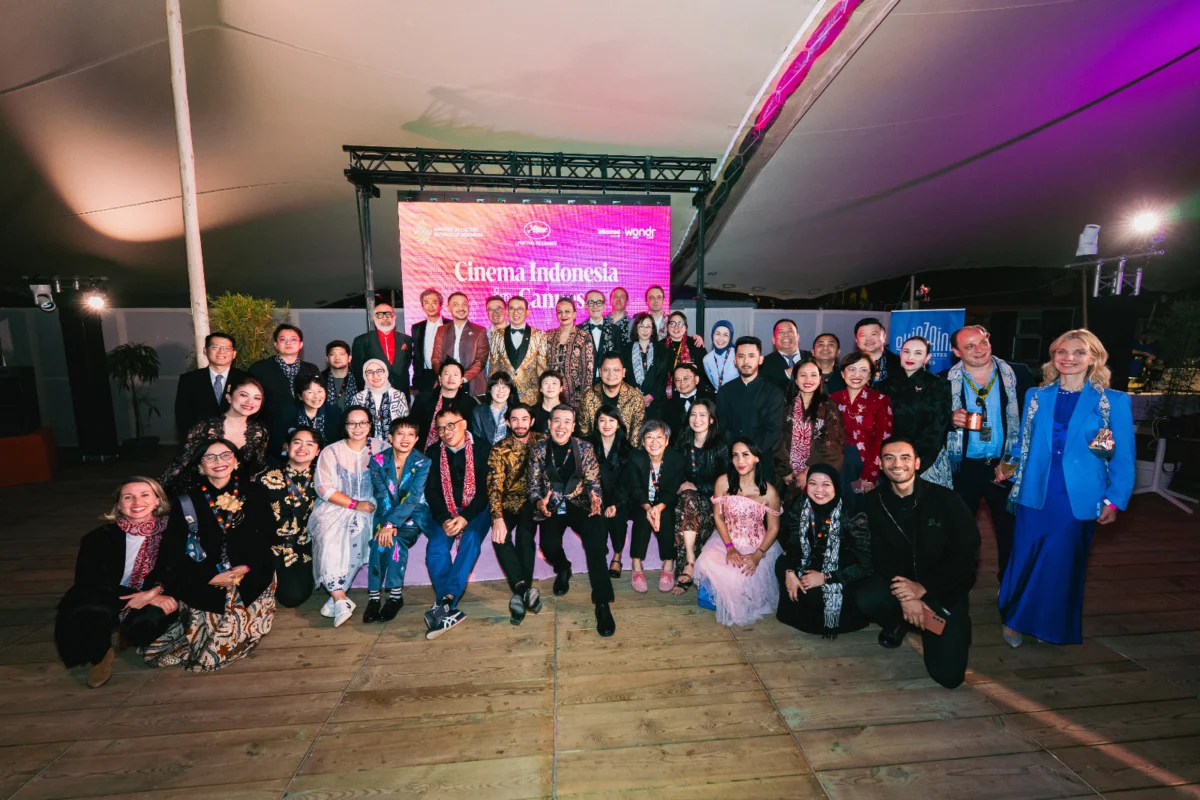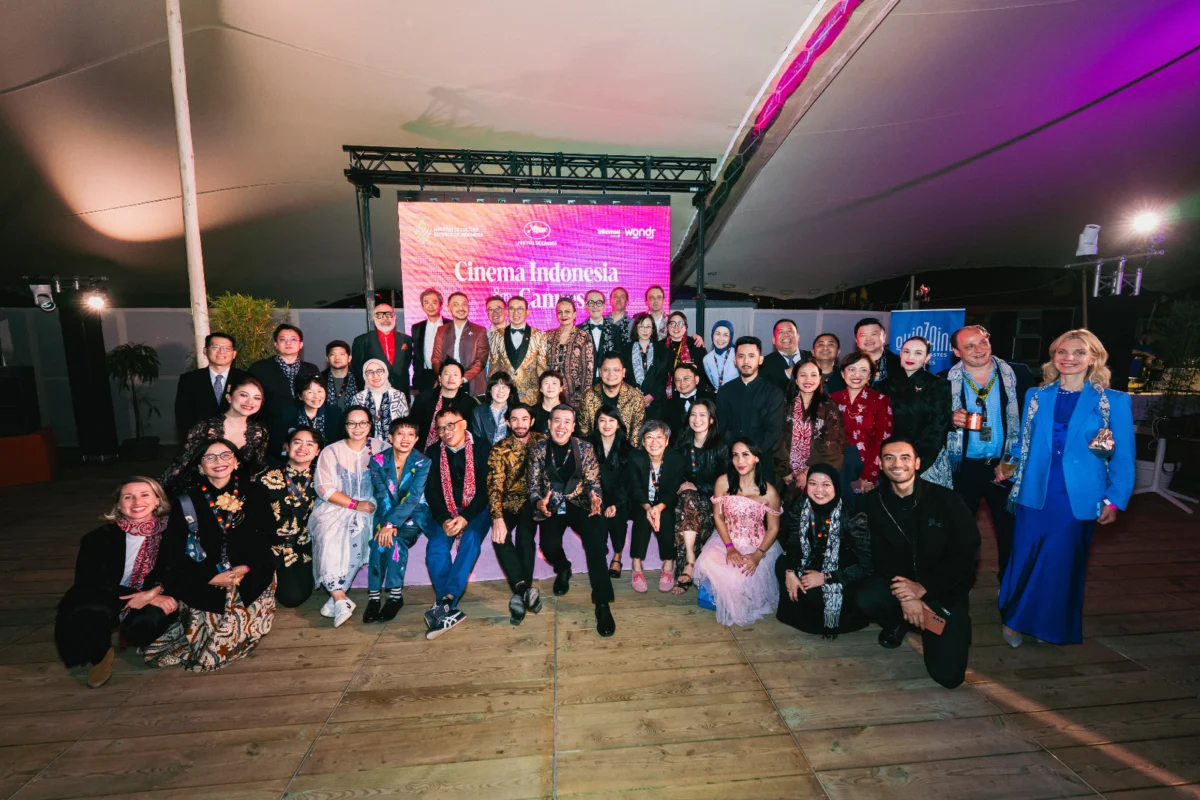
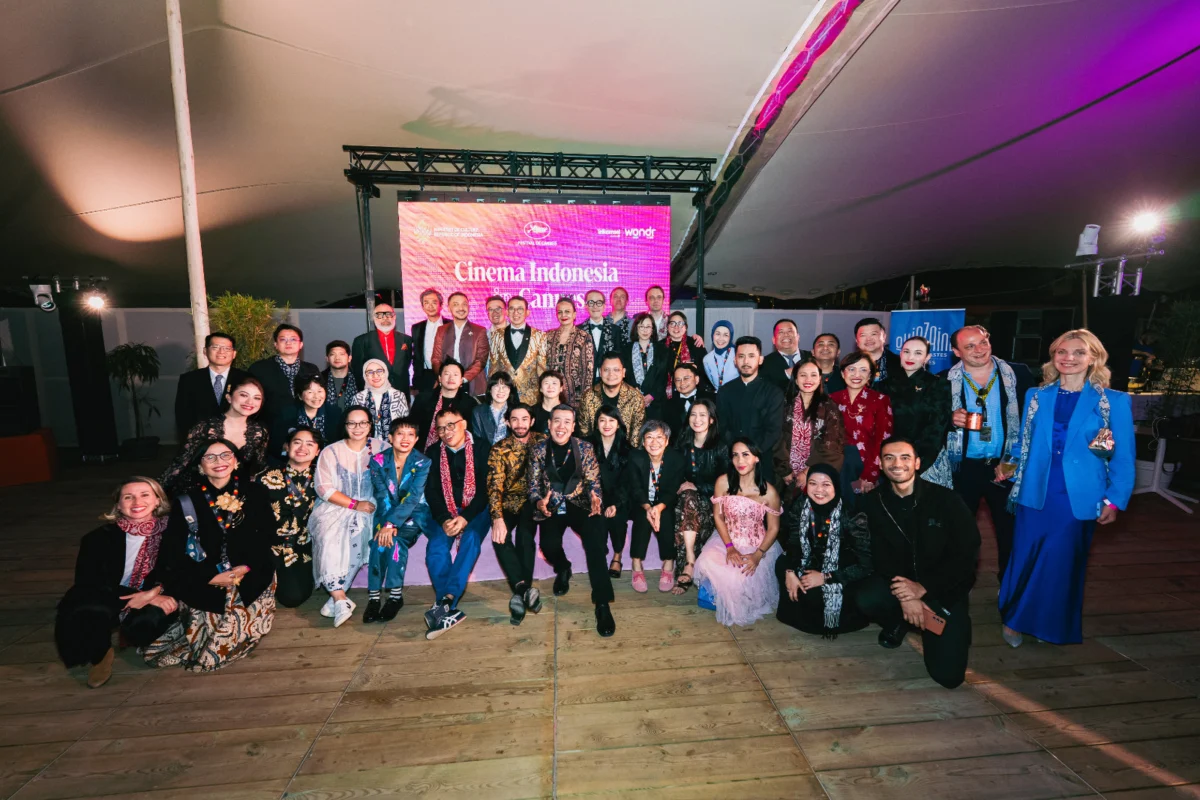
Indonesia’s Cinematic Ascendance: Navigating the Global Stage
This article is based on a collaborative research project between Cinema Poetica and the Ministry of Culture of the Republic of Indonesia. The findings were derived through rigorous digital data collection, processing, and analysis of media outlets and international film festival publications.
Introduction: A New Chapter for Indonesian Cinema
The landscape of global cinema is witnessing a transformative shift. Indonesian films, once viewed as exotic outliers, are increasingly becoming fixtures in the international cultural lexicon. By 2025, a record-breaking 126 Indonesian films were screened at international festivals—spanning both competitive and non-competitive categories—while an additional nine projects participated in prestigious international labs and funding forums.
This quantitative leap is not an overnight success but the result of a consistent upward trajectory. To put this in perspective, 2024 saw 78 Indonesian films on the global circuit, up from 73 in 2023. As the world grows more familiar with the Indonesian narrative voice, the domestic film industry has proven its resilience and ability to compete on the world’s most demanding stages.
Chronology of Global Expansion
The visibility of Indonesian cinema on the global stage is multifaceted, manifesting through a blend of awards, festival selections, and commercial distribution.
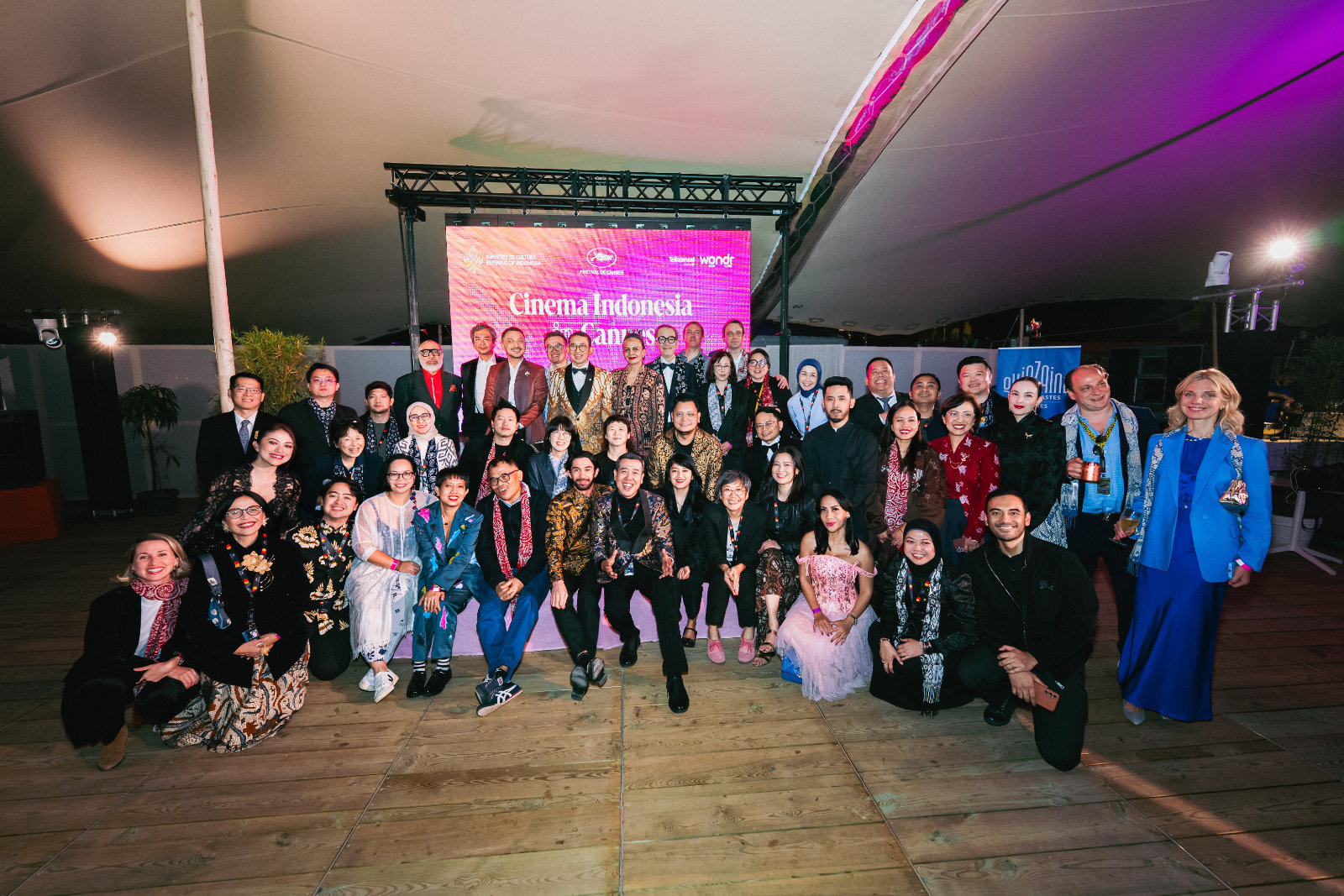
In 2025, the international reception of Indonesian works resulted in 48 prestigious awards. This haul includes 23 short fictions, 18 feature-length fictions, five short documentaries, and two feature-length documentaries. Beyond completed works, projects in development also gained traction, securing four major awards across various genres. These films traveled across a vast circuit, reaching 91 festivals in 36 countries spanning Asia, Australia, Europe, and the Americas—a staggering increase from 48 festivals in 2024 and 42 in 2023.
The Phenomenon of Pangku
Perhaps the most significant case study of the past year is Pangku (2025). Directed by Reza Rahadian, the film depicts the "kopi pangku" phenomenon in the Pantura region through the lens of a woman’s struggle for her family. Its journey is a masterclass in bridging the gap between high-brow festival prestige and popular appeal.
Internationally, Pangku dominated the Busan International Film Festival (South Korea), securing the Face of the Future Award, the FIPRESCI Award, the KB Vision Audience Award, and the Bishkek International Film Festival-Central Asia Cinema Award. Simultaneously, it resonated with the masses, drawing over 562,332 viewers in Indonesia within 41 days. With four Citra Awards and seven Tempo Film Festival nominations, Pangku represents a rare alignment where critical acclaim and box-office success coexist, proving that local stories, when told with cinematic excellence, possess universal resonance.
Beyond the Festival Circuit: Commercial and Global Reach
The success of Indonesian film is not confined to the "arthouse" bubble. Jumbo (2025), a blockbuster that garnered over 10 million domestic viewers, expanded its footprint to Mexican cinemas in early 2026. Its distribution rights were secured in 40 countries, spanning the Middle East, Latin America, and Russia. Similarly, the comedy Agak Laen: Menyala Pantiku! (2025) achieved a historic milestone in Malaysia, drawing 272,846 viewers on its opening day and crossing the one-million-mark within 72 hours.

Analyzing the "Prestige" Trap
Despite these successes, public discourse often remains narrow, focusing exclusively on "Cannes" or "Oscars" as the sole indicators of success. While these platforms are undoubtedly significant, they represent only the tip of the iceberg.
The research conducted by the Ministry of Culture and Cinema Poetica reveals that hundreds of international festivals exist beyond the mainstream media’s radar. These festivals—in Africa, Australia, and various corners of Asia—offer diverse curatorial niches that are essential for the growth of a healthy film ecosystem.
For example, festivals like the Kyoto International Children’s Film Festival or genre-specific events like the Maniatic Valencia International Fantastic Film Festival provide laboratories for experimentation. Winning a prize at a boutique festival may not garner headlines in mainstream media, but it offers vital validation and networking opportunities that can launch a filmmaker’s career more effectively than a mere "official selection" at a larger, more crowded event.
Supporting Data: The Power of Short-Form Cinema
The success of short films is a testament to the vitality of the current generation of Indonesian filmmakers. Works like Little Rebels Cinema Club, Sammi, Who Can Detach His Body Parts, and Daly City have proven that short-form storytelling is a potent medium for international recognition.

- Little Rebels Cinema Club: Won the Crystal Bear at the Berlinale (Generation Kplus) and Best Short at the Raindance Film Festival, positioning it as a major contender in the global short film circuit.
- Sammi, Who Can Detach His Body Parts: Secured ten international awards, proving that genre-driven, experimental storytelling (the "fantastic" genre) has a robust global audience.
- Daly City: By winning at the Salute Your Shorts Film Festival, this film has officially qualified for consideration for the 2026 Academy Awards, highlighting how strategic festival participation can lead to the "pinnacle" of global recognition.
Historical Context and Cultural Diplomacy
A crucial finding of the research is that Indonesian cinema’s international presence is not merely a modern phenomenon. The 2025 International Film Festival Rotterdam (IFFR) hosted a retrospective of Turang (1957), a seminal work by Bachtiar Siagian.
Turang was originally showcased at the 1958 Afro-Asian Film Festival in Tashkent—a platform that once served as a pillar for solidarity among newly independent nations against colonialism. Its screening in 2025, alongside works by experimental filmmaker Timoteus Anggawan Kusno, underscores that Indonesian film is a historical artifact of global political discourse. This retrospection at IFFR, and the subsequent exhibition of Indonesian classics at La Cinémathèque française, highlights that global recognition is also about cementing Indonesia’s position in the global cinematic heritage.
Implications for the Future: Building an Ecosystem
As the Indonesian film industry continues to mature, the strategy for international engagement must evolve from sporadic success to a systemic approach.
1. Diversifying Support
The "tree" of cinema requires deep roots. While festivals like Cannes offer high-visibility rewards, the industry must nurture the "soil"—the laboratories, co-production forums, and alternative distribution networks. Projects like Empat Musim Pertiwi and Watch It Burn have already benefited from support from the Tokyo Gap-Financing Market and the TorinoFilmLab, respectively. Expanding these international co-production partnerships is essential for sustainable growth.

2. Bridging the Domestic-International Gap
Data shows that nine out of 21 films screened at international festivals in 2025 did not receive a theatrical release in Indonesia. This gap suggests a disconnect between international prestige and local commercial viability. The Ministry of Culture’s initiative to map these successes is the first step toward creating pathways for these films to reach home audiences through non-traditional platforms, digital archives, and cultural centers.
3. Cultivating the "Ecotone"
In ecology, an ecotone is a transition area between two biological communities. By bringing Indonesian films to the world stage, we create a cinematic ecotone—a space where cultural exchange, competition, and symbiosis occur. This interaction is not just about winning awards; it is about establishing Indonesia as a permanent, influential participant in the global film conversation.
Conclusion: A Holistic Vision
The narrative of Indonesian cinema is changing. It is moving away from a desperate search for foreign validation toward a confident, multifaceted assertion of identity. By acknowledging the full spectrum of recognition—from the glittering awards ceremonies of Europe to the niche, experimental forums in Asia and beyond—Indonesia is cultivating an ecosystem where the roots are as deep as the branches are high.
The task ahead is clear: resource allocation must be strategic, supporting not only the "stars" but the entire creative infrastructure. If the ecosystem is treated as a unified whole, the coming years will see Indonesian cinema not just visiting the global stage, but actively shaping the future of world film.

Project Credits:
- Collaborators: Ministry of Culture of the Republic of Indonesia & Cinema Poetica
- Writer: Ukky Satya Nugrahani
- Editor: Adrian Jonathan Pasaribu
- Research Team: Adinda Zakiah, AM
- Data Collection: Abidzar Ghifary Fachruddin, Karel Jefferson Ebenezer, Regita Andianti Prameswari
- Project Manager: Syifanie Alexander
- Media Strategy: Ogi Wicaksana