A Midsummer Surge: Hollywood and Global Culture Converge in July 2026
The month of July 2026 has emerged as one of the most culturally dense periods in recent entertainment history. From the glitz of high-profile nuptials to the architectural ambition of modern film premieres and the high-energy anticipation surrounding global sporting events, the industry is experiencing a rare confluence of major milestones. As the summer heat intensifies, so too does the cadence of celebrity engagement, signaling a robust return to large-scale, experiential entertainment.

The Cultural Landscape: A Month of Milestones
The month began with a seismic event in the world of pop culture: the wedding of Taylor Swift and Travis Kelce. Held in New York City, the ceremony was not merely a private celebration but a massive cultural touchpoint, setting a tone of exclusivity and high-wattage glamour. This, however, was only the opening act in a series of events that have defined the first two weeks of the month.

Following the wedding, the film industry shifted its gaze toward Europe. The highly anticipated film The Odyssey made its mark with grand premieres in London and Paris. With initial critical reactions skewing overwhelmingly positive, the project—a hallmark of contemporary prestige cinema—has generated significant momentum, positioning itself as a must-see event for the remainder of the summer.

Chronology of Key Events
To understand the scale of the current entertainment climate, one must look at the specific timeline of events that have unfolded over the past fortnight:

- July 1-3: The industry buzz centered on the aftermath of the Swift-Kelce nuptials, which dominated social media discourse and traditional news cycles, drawing attention to the intersection of music, sports, and celebrity branding.
- July 4-6: European capitals became the focal point as the cast and crew of The Odyssey embarked on a high-profile press tour, utilizing historic venues in London and Paris to maximize the film’s visual and cultural impact.
- July 7: A pivotal moment occurred at the Hollywood Bowl, where Dwayne Johnson unveiled his live-action adaptation of Moana. The event was historically significant, marking the first time the iconic venue hosted a film premiere since the 1998 debut of Disney’s Mulan.
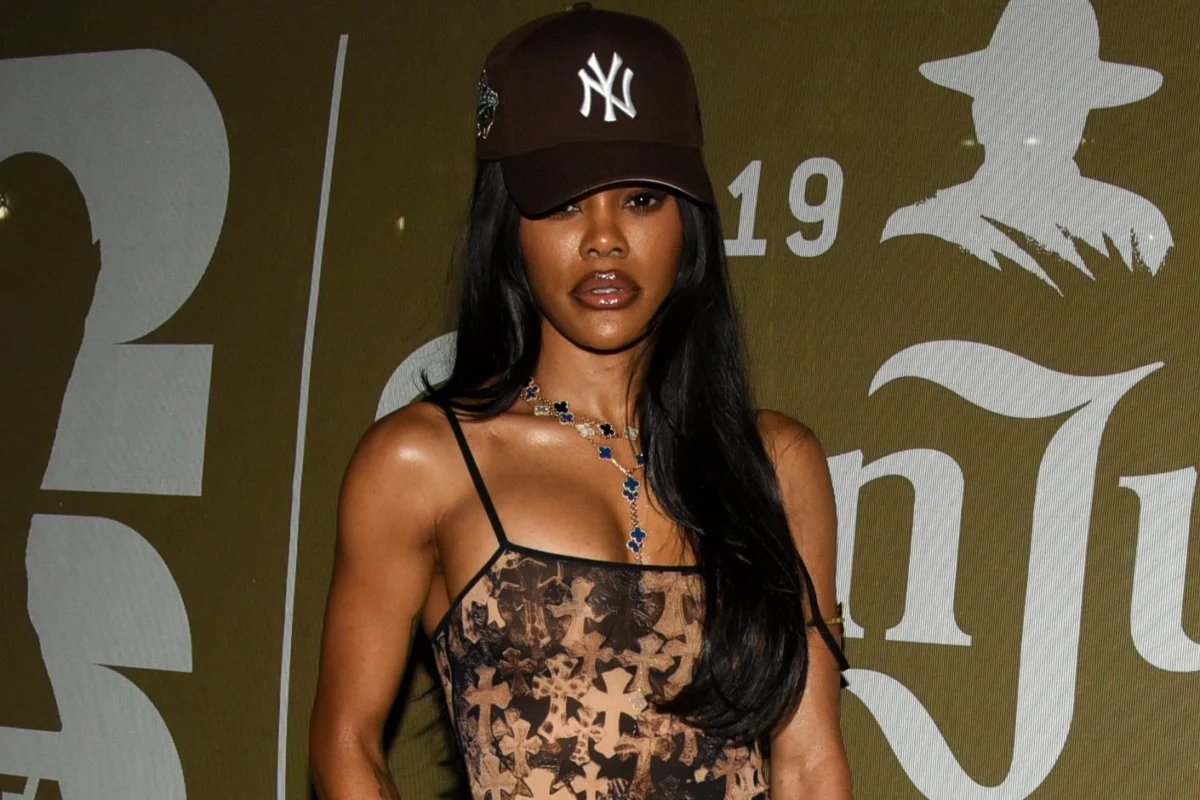
- July 8-15: As the FIFA World Cup 2026 final approaches, the focus has shifted toward the intersection of sports and luxury lifestyle. Events such as the "Port of Champions" celebration, featuring stars like Teyana Taylor, illustrate how corporate sponsors are leveraging the World Cup’s global reach to create immersive, star-studded environments.
The Hollywood Bowl Revival: A Case Study in Scale
The premiere of Moana at the Hollywood Bowl on July 7 was more than a promotional event; it was a symbolic reclamation of the grand cinematic experience. By choosing an venue synonymous with musical theater and historic performances, the production team signaled a departure from traditional red-carpet setups in favor of immersive "event cinema."

Dwayne Johnson, who has been instrumental in bridging the gap between social media personality and traditional box-office power, utilized the platform to emphasize the film’s cultural resonance. Industry analysts have noted that this move mirrors a broader trend: the "event-ization" of theatrical releases. With streaming services capturing much of the day-to-day viewership, studios are increasingly relying on massive, live-audience experiences to maintain the "must-see" status of major motion pictures.

Supporting Data: The Convergence of Markets
The economic data behind these events points to a resurgence in the experiential economy. Following the pandemic-era slump, the film and live-event sectors have seen a sustained uptick in revenue, driven largely by high-end, multi-faceted events.

Reports indicate that partnerships between lifestyle brands—such as the recent collaboration between Tequila Don Julio 1942, the Palm Tree Crew, and various global sports entities—have become the primary engines of celebrity exposure. These collaborations do more than sell products; they create "micro-worlds" where fans, celebrities, and luxury brands interact, providing the content that powers the modern entertainment ecosystem.

Furthermore, the integration of digital payment platforms like CashApp into these live events highlights a shift in how sponsors engage with younger, tech-savvy audiences. By embedding financial services into the celebrity-adjacent experience, these brands are successfully capturing the intersection of consumer culture and digital finance.

Official Responses and Industry Sentiment
While individual celebrities have maintained their privacy, representatives for the projects mentioned have been vocal about the strategic importance of these live events.

"The goal is to create a moment that exists beyond the screen," said a publicist involved in the Moana premiere. "The audience today doesn’t just want to watch a film; they want to feel part of a collective, global experience. That is why we chose the Hollywood Bowl. It’s not just a venue; it’s a statement."

Similarly, critics reviewing The Odyssey have lauded the studio’s decision to embrace a "global roadshow" approach for the film’s release. "The strategy of hitting major cultural capitals with a high-prestige, high-fashion, and high-energy premiere schedule has effectively built a firewall against the usual ‘summer fatigue’ that affects cinema-goers by mid-July," noted a senior editor at a leading entertainment trade publication.

Implications for the Future of Entertainment
The events of July 2026 suggest a permanent shift in how celebrity culture is managed and consumed. We are witnessing the decline of the "standard" press junket in favor of highly produced, location-specific spectacles.

1. The Global Stage
The simultaneous focus on the FIFA World Cup and major film premieres underscores a world where borders are increasingly irrelevant to high-profile entertainment. A celebrity attending a brand-sponsored event in Los Angeles is as likely to be trending in Tokyo or Paris as they are in the U.S., creating a 24/7 cycle of engagement.

2. The Power of "Event-ization"
Studios and promoters are learning that the traditional theater model must be bolstered by real-world activations. The success of the Moana premiere serves as a blueprint for future tentpole films, suggesting that we will see more non-traditional venues—stadiums, historical landmarks, and outdoor arenas—being utilized for film launches.

3. Brand Integration as Content
The role of sponsors has evolved from passive logo placement to active participation in the narrative of the event. When stars like Teyana Taylor engage with these luxury lifestyle brands at high-profile venues, the brand becomes part of the celebrity’s public persona. This integration is likely to become even more sophisticated as artificial intelligence and real-time social media analytics allow for more personalized consumer experiences during these events.

Conclusion
As July 2026 progresses, the momentum shows no signs of slowing. With the FIFA World Cup final on the horizon and the remainder of the summer’s blockbuster slate still to be rolled out, the intersection of music, film, and sports will continue to define the cultural zeitgeist.

For the entertainment industry, these past few weeks have proven that the desire for shared, physical experiences remains insatiable. Whether it is a high-profile wedding in New York, a premiere in the heart of London, or a star-studded party in Los Angeles, the industry has successfully transitioned into a new era where every event is a global moment. As we look ahead, the challenge for creators and brands will be to maintain this level of engagement, ensuring that the "summer of 2026" remains a benchmark for years to come.

Keep checking back with us throughout the month for continued coverage and exclusive insights into the red-carpet events and cultural phenomena defining this exceptional summer.