The Calculated Chaos of David Wain: Deconstructing the "Slapdash" Aesthetic of Gail Daughtry and the Celebrity Sex Pass
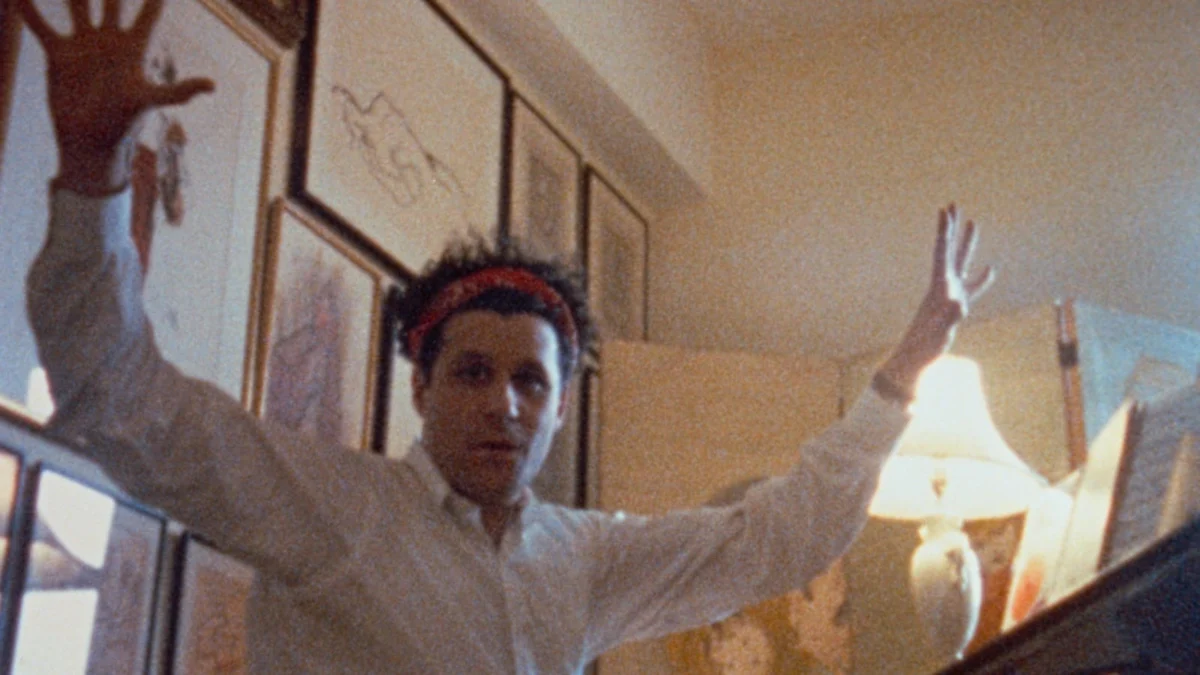
In the landscape of modern American comedy, few directors have cultivated an aesthetic as distinct—or as misunderstood—as David Wain. Long synonymous with the surreal, rapid-fire sketch comedy of the legendary ’90s troupe The State, Wain has spent decades building a filmography that feels purposefully unmoored. From the cult status of Wet Hot American Summer to his latest feature, Gail Daughtry and the Celebrity Sex Pass, his work often presents as a loose, improvisational romp. However, as Wain recently revealed on IndieWire’s Filmmaker Toolkit podcast, this "slapdash" energy is a carefully calibrated illusion.
The Myth of the Improvisational Director
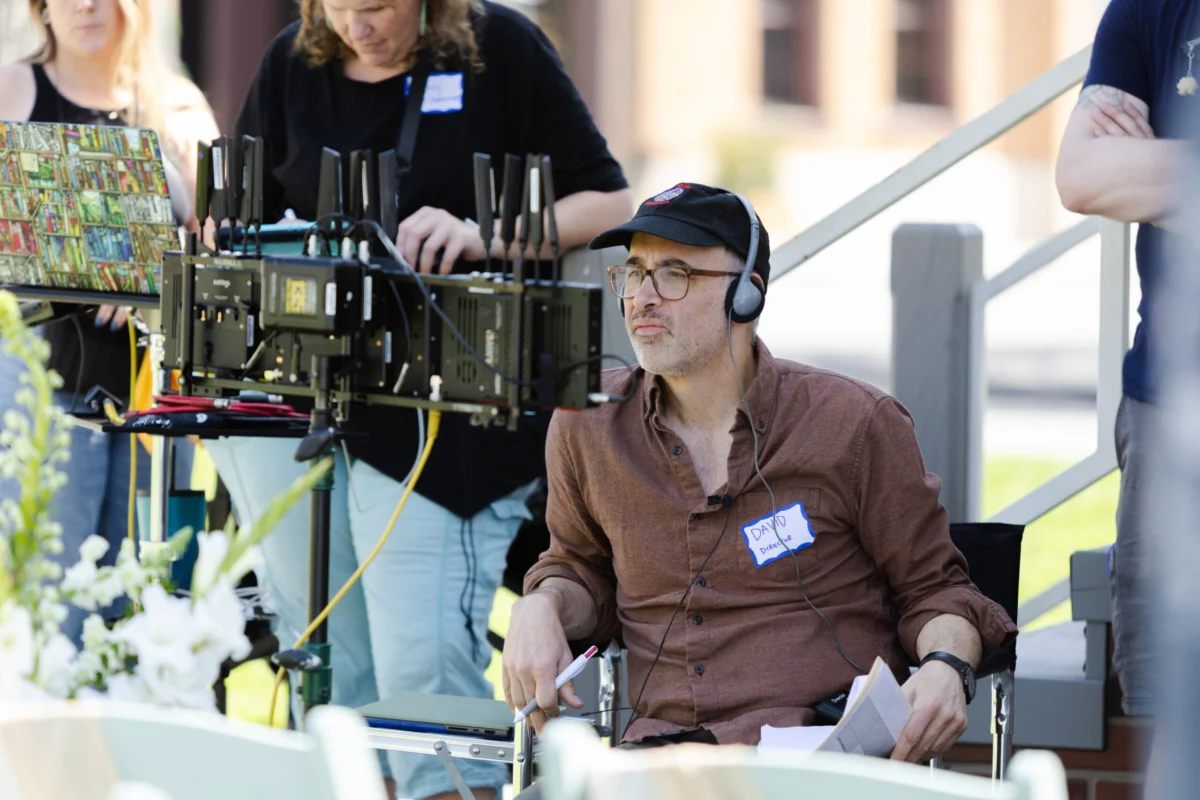
For audiences and critics alike, the hallmark of a David Wain production is the sense that the camera simply caught a group of talented friends having a bizarre, high-energy afternoon. But behind the scenes, the reality is far more rigid. Appearing alongside his long-time collaborator and co-writer Ken Marino, Wain addressed the common misconception that his films are the product of heavy improv.
"The goal is it feels sort of breezy and off the cuff," Wain explained during the interview. "But if you look at it just one more layer, you see that we’ve really put in a lot of effort and thought. It’s not nearly as much improv as one might think based on the feel of the material. We’ve figured it out in the script."
This revelation highlights a tension in Wain’s work: he uses the medium of film to capture the chaotic spirit of a stage sketch, but he does so through a screenplay that has been refined, stress-tested, and polished to a mirror shine. For Wain and Marino, the "slapdash" feel is an artistic choice, not a lack of preparation.

A Modern Odyssey: Reimagining The Wizard of Oz
At the heart of their latest project, Gail Daughtry and the Celebrity Sex Pass, is a narrative framework borrowed from the most classic of American road movies: The Wizard of Oz. While the film operates within the realm of high-concept satire, its structural DNA is unmistakably rooted in L. Frank Baum’s 1900 novel and the subsequent 1939 film.
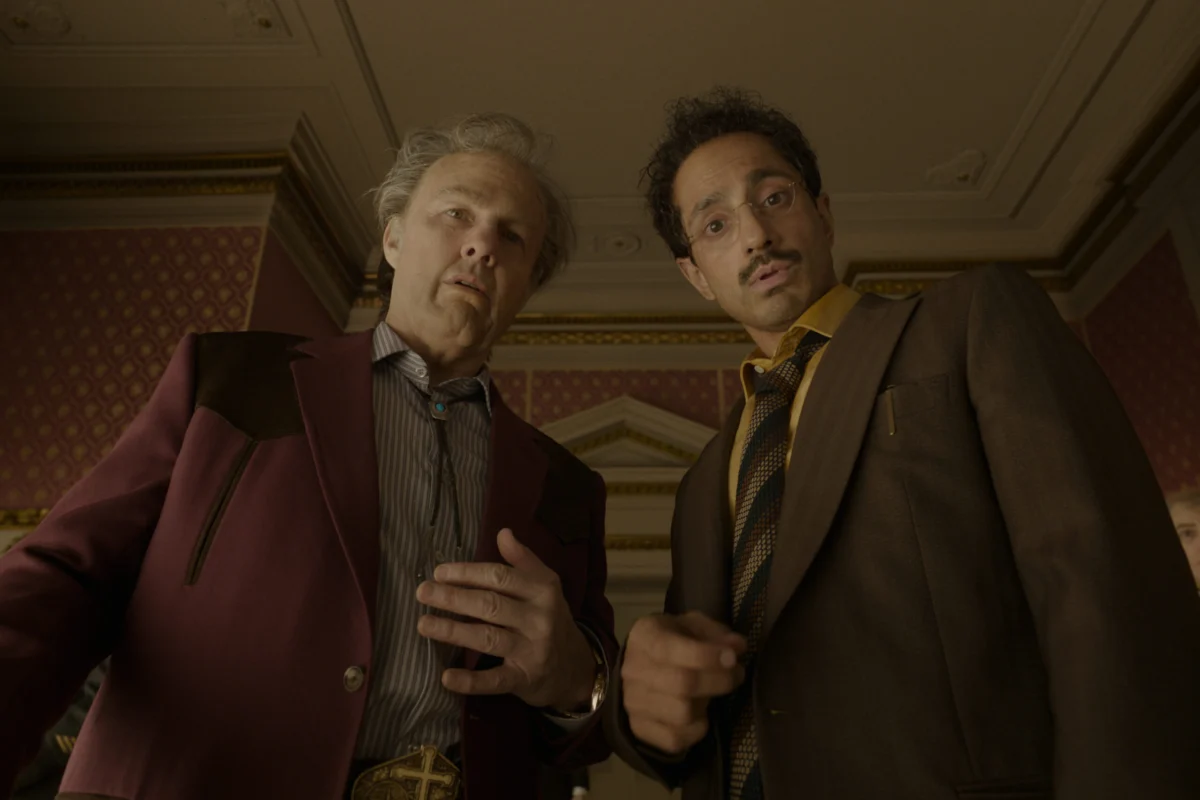
The titular protagonist, Gail Daughtry—played by Zoey Deutch—is a direct, tongue-in-cheek nod to Dorothy Gale. Much like her predecessor, Gail is an innocent thrust into a foreign, often overwhelming land. In this case, the "Emerald City" is Los Angeles, and her "Wizard" is the charismatic Jon Hamm, who appears as a satirical version of himself.
"It started with thinking: what are the different varieties of people that would each have a reason to want to find Jon Hamm?" said Ken Marino. The film populates Gail’s journey with a ragtag crew of Hollywood outcasts, mirroring the Scarecrow, the Tin Man, and the Cowardly Lion. Marino, who also stars in the film as a paparazzo named Vincent, noted that the archetypes were essential for the film’s character-driven comedy. "We thought, ‘Who needs a brain? Who needs a heart? Who needs courage?’ We looked at Ben Wong’s character—he thinks he needs a brain to be a big agent, but he doesn’t. He’s already got the tools. Vincent, my character, is a guy everyone thinks is heartless, but he has a huge heart and consistently shows up for his friends."
Chronology of a Production: From Script to Screen
The production of Gail Daughtry was an exercise in extreme efficiency, with the team navigating a grueling 21-day shooting schedule. In such a compressed timeframe, the luxury of "finding the scene" through endless takes was nonexistent. Consequently, the screenplay served as the ultimate survival guide.

The Planning Phase
Before a single frame was shot, the script underwent countless table reads. These sessions were not just about dialogue polish; they were about rhythmic alignment. Wain emphasizes that he hires actors who "get the music of the comedy." Because the tone of a Wain film is so specific—a blend of earnestness and absurdity—he relies on a trusted inner circle of performers who understand the unspoken rules of the "Wain-verse."
The Principal Photography
The team insisted on shooting in Los Angeles, using the city as a narrative character. The opening sequences, filmed on an LA backlot, establish the idyllic, artificial nature of Gail’s hometown, Willowbrook, Kansas. As the film progresses, the visuals shift to mirror the protagonist’s disillusionment, moving from the "storybook" aesthetic to the grittier, bloodier, and more authentic locales of the Hollywood industry. The climax, set in an old Western town, serves as the final deconstruction of the "Hollywood Dream."
The Post-Production "Wringer"
If the script is the blueprint, the editing room is the forge. Working with editor John Daigle in Wain’s own home, the team treated the post-production process as a brutal, additive stage. "Nothing is sacred," Wain said. "We put it through the wringer."
The initial cut of the film clocked in at 140 minutes, a duration the writers felt was bloated. Through a process of "killing their darlings," they whittled the film down to a lean, 90-minute runtime. This involved cutting scenes that didn’t serve the momentum or, more importantly, weren’t consistently landing as jokes. Wain’s personal litmus test is simple: if a joke doesn’t make him laugh on the 10,000th viewing, it is excised.

Supporting Data: The Power of Collaboration
The inclusion of Jon Hamm and John Slattery—both of Mad Men fame—is a cornerstone of the film’s marketing and thematic appeal. Interestingly, the writers didn’t consult them during the initial drafting phase, relying instead on their long-standing personal relationships with the actors.
Wain, who famously lived with Hamm before the actor’s rise to global stardom, noted that Hamm has always been a "comedy nerd." This comfort level allowed for the daring decision to have both Hamm and Slattery play heightened, satirical versions of themselves. By leaning into these established public personas, the film creates a meta-commentary on fame that requires no exposition, allowing the plot to move at a breakneck pace.
Implications: The Evolution of "The State" Mentality
Wain’s career, which began with the anarchic, sketch-based brilliance of The State, has evolved into a sophisticated exploration of narrative structure. Critics who once dismissed his work as "strung-together skits" are increasingly recognizing the architectural integrity of his films.
The implication of Gail Daughtry is that absurdist comedy—often criticized for its lack of stakes—can actually be one of the most demanding genres to write. By using a "forward thrust" narrative (the search for a celebrity) as a spine, Wain is able to take "left turns that mean nothing" without losing the audience. As Wain puts it: "Once in a while, when it does grind to a halt on purpose, or go into a left turn that means nothing, it is itself purposeful."

This approach suggests a maturation of the absurdist genre. It is no longer about random non-sequiturs; it is about controlling the viewer’s experience of time, rhythm, and expectation.
Conclusion: A Masterclass in Comedy Control
Gail Daughtry and the Celebrity Sex Pass stands as a testament to the idea that true creative freedom is found within constraints. By pairing a rigid, well-structured screenplay with a troupe of actors who intuitively understand the "vibe," David Wain and Ken Marino have managed to create a film that feels both dangerously loose and expertly crafted.
For aspiring filmmakers, the lesson of Gail Daughtry is clear: if you want your film to feel like a spontaneous explosion of creativity, you must be prepared to do the exhaustive, unglamorous work of building the foundation underneath it. The "slapdash" aesthetic is not the absence of order; it is a highly controlled, sophisticated performance of it.
Gail Daughtry and the Celebrity Sex Pass is currently in theaters through Sony Pictures Classics. For a deeper dive into the technical aspects of the film’s creation, including the specific editing techniques used to maintain the comedic "music," listeners can access the full interview with Wain and Marino on the Filmmaker Toolkit podcast, available on Apple Podcasts, Spotify, and all major streaming platforms.