
Cannes 2026: Dispatches from the Final Stretch and the Emergence of New Cinematic Landmarks
As the 2026 Cannes Film Festival approaches its grand finale, the atmosphere on the Croisette remains electric. Despite the fatigue that typically settles over the press corps by the second week, the Film Comment team continues its relentless coverage, providing a vital bridge between the festival’s high-stakes competition and the global cinephile community. This year’s edition has proven to be a masterclass in modern auteurism, featuring long-awaited works from heavyweights such as Ryūsuke Hamaguchi, Valeska Grisebach, James Gray, and Paweł Pawlikowski.
In the latest installment of our podcast series—the seventh from the festival—Film Comment Editor Devika Girish convened a panel featuring Sight and Sound contributor Thomas Flew and noted film scholar Neta Alexander. Together, they navigated the dense thicket of late-festival premieres, offering critical perspectives on the films defining this year’s Palme d’Or race and the hidden gems buried within the festival’s diverse sidebars.
The Competition: A Deep Dive into the Palme d’Or Contenders
The competition section this year has been marked by a return to intimate, character-driven narratives, even amidst the backdrop of grand thematic ambition. The panel centered their analysis on three films that have dominated the festival’s discourse over the past forty-eight hours.
Minotaur: The Return of Andrey Zvyagintsev
Andrey Zvyagintsev’s Minotaur has arguably become the most discussed film of the final week. As a frontrunner for the Palme d’Or, the film represents a departure from the clinical austerity of his earlier works, leaning into a more mythic, psychological landscape. Flew and Alexander noted that Zvyagintsev’s ability to weave existential dread into the fabric of domestic life remains peerless. The film, which explores the metaphorical labyrinth of contemporary Russian bureaucracy and personal betrayal, has polarized critics who find its pacing deliberate to the point of provocation, yet it is widely acknowledged as a visual triumph.
The Man I Love: Ira Sachs’s 1980s Odyssey
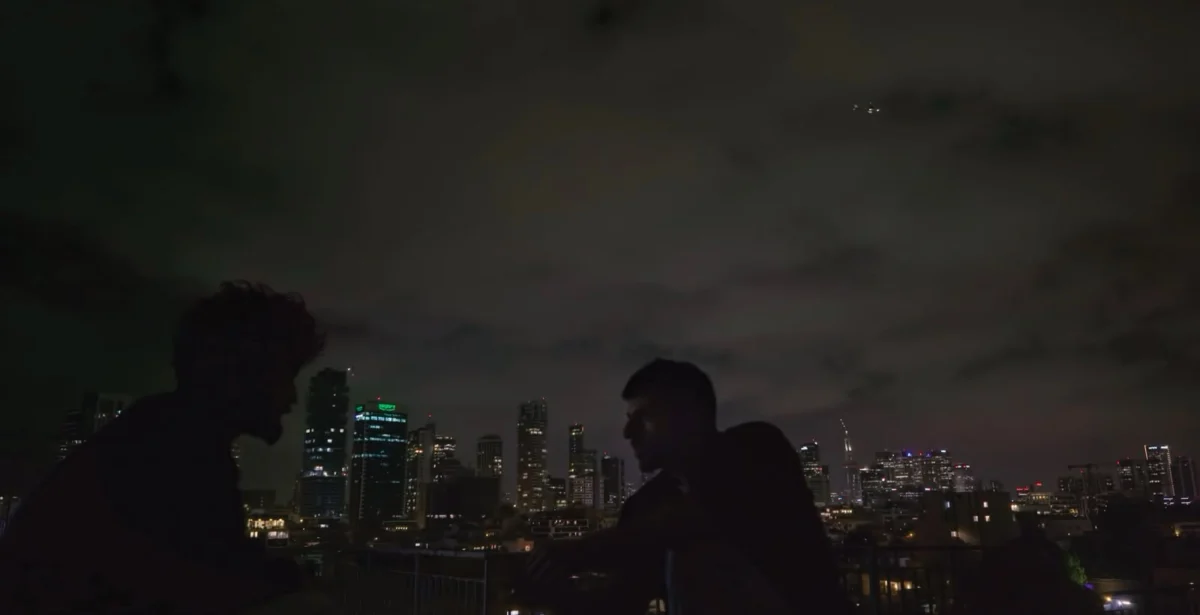
Ira Sachs has long been a master of the romantic longue durée, and his latest effort, The Man I Love, serves as a poignant period piece set against the backdrop of the 1980s AIDS crisis. Eschewing the typical melodrama associated with the era, Sachs opts for a quiet, observational style that highlights the beauty of human connection in the shadow of loss. The panel discussed the film’s meticulous production design and the nuanced performances that anchor its emotional weight, marking it as one of the most tender entries in the Competition.
The Black Ball: A Phenomenon in the Making
Perhaps the most visceral reaction of the festival was reserved for The Black Ball (La Bola Negra), directed by the duo Javier Ambrossi and Javier Calvo. Following a massive, 20-minute standing ovation, the film has firmly cemented itself as the "crowd favorite" of the 2026 selection. A stylistic departure for the directors, the film blends high-octane social commentary with a vibrant, almost neon-soaked aesthetic. The panel explored whether this populist appeal will translate into a jury prize, noting that while it lacks the somber gravity of Minotaur, its cultural resonance is undeniable.
Beyond the Main Competition: Discovery and Restoration
While the Palme d’Or race occupies the headlines, the true heart of Cannes often beats in its sidebar programs—ACID, Directors’ Fortnight, and the Cannes Classics.
The ACID Sidebar: A Secret Heart
Tom Fontenille’s A Secret Heart has emerged as a sleeper hit. Premiering in the ACID (Association for the Independent Cinema and its Distribution) section, the documentary offers a raw, unfiltered look at the complexities of human identity. The panel praised Fontenille’s immersive approach, noting that the film succeeds by refusing to provide easy answers, instead opting to dwell in the uncomfortable, intimate spaces of its subjects’ lives.
Directors’ Fortnight: I See Buildings Fall Like Lightning
Clio Barnard continues to solidify her reputation as one of the most vital voices in contemporary British cinema. Her latest feature, I See Buildings Fall Like Lightning, premiered to significant acclaim in the Directors’ Fortnight program. Focusing on the fractured lives of youth in post-industrial England, Barnard captures the intersection of hope and economic stagnation with a poetic realism that is both devastating and hopeful.
Cannes Classics: The Resurrection of John Abraham
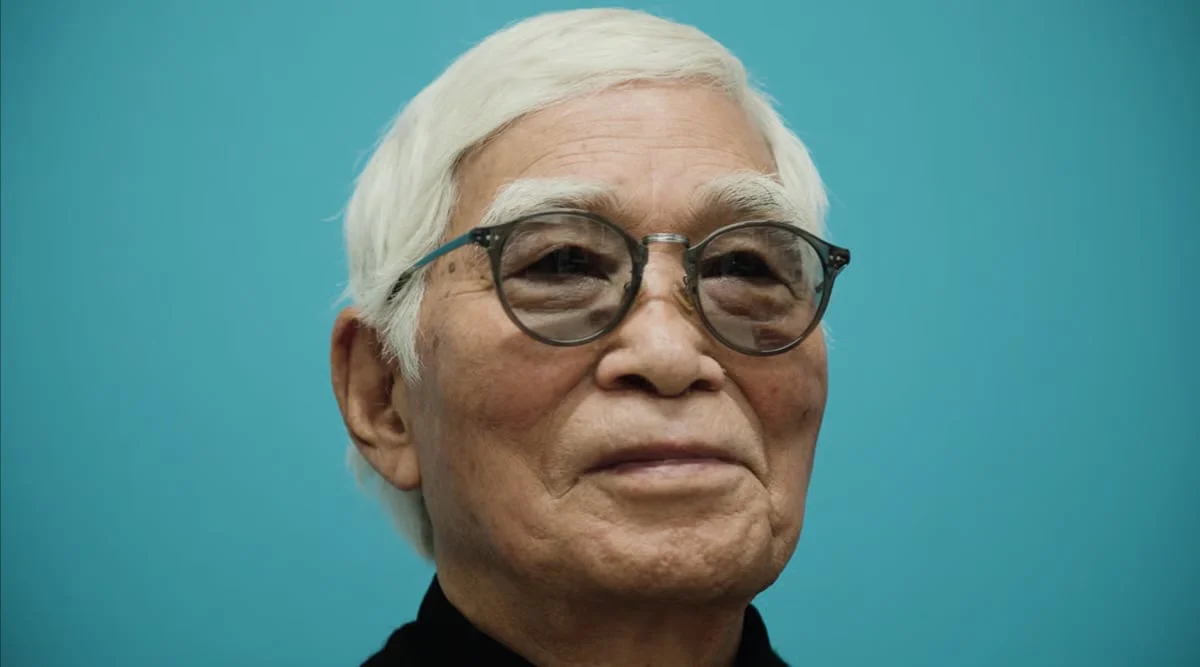
A highlight of the festival’s archival efforts was the restoration and screening of John Abraham’s 1986 masterpiece, Report to Mother. The restoration has been hailed as a triumph of film preservation, bringing the stark, revolutionary textures of Abraham’s work to a new generation. For those familiar with Indian parallel cinema, the screening was an emotional touchstone, reminding attendees of the festival’s fundamental role in safeguarding cinematic history.

Chronology of the 2026 Festival Experience
The rhythm of the festival this year has been defined by a "back-loaded" schedule. Unlike previous years, where the most significant premieres were front-loaded into the opening weekend, 2026 saw a strategic delay in the release of high-profile films.
- Days 1–3: Initial excitement surrounding the opening gala and the first wave of competition titles.
- Days 4–7: The "middle doldrums" were avoided this year due to the consistent stream of high-quality documentaries and international features from the Un Certain Regard section.
- Days 8–10: The "Late Surge." The premiere of Minotaur shifted the festival’s critical center of gravity, prompting a scramble among critics to re-evaluate their Palme d’Or predictions.
- Final Days: The focus shifts toward the jury’s deliberations and the retrospective analysis of the festival’s thematic trends, notably the return to historical realism and the resurgence of regional independent cinema.
Supporting Data: The Cannes Critics’ Grid
The Film Comment Cannes Critics’ Grid remains a vital tool for understanding the festival’s reception. Data collected through the end of the second week indicates a three-way race for the top prize. While Minotaur currently leads in terms of critical acclaim for technical direction, The Black Ball maintains the highest "Audience Satisfaction" rating. The Man I Love holds a strong middle ground, favored by critics who prioritize screenplay structure and character development.
This year, the grid has also highlighted an increased representation of non-Western filmmakers, with significant scores for directors hailing from Southeast Asia and Latin America—a trend that the festival organizers have been actively cultivating over the past five years.
Official Responses and Industry Implications
The festival’s directorate has maintained a stoic optimism regarding the 2026 selection. In a brief press conference held yesterday, the leadership emphasized that the goal of this year’s edition was to "re-center the theatrical experience." By focusing on films that require the scale and communal setting of the Grand Théâtre Lumière, the festival has signaled a clear rebuke to the trend of digital-first distribution.
Industry analysts suggest that the positive reception of films like The Black Ball will have significant implications for the European distribution market. The 20-minute ovation is not merely a sign of audience appreciation; it is a signal to distributors that these films possess the "event" quality necessary to drive audiences back to cinemas in a post-streaming landscape.
The Road Ahead: Why Coverage Matters
As we look toward the awards ceremony, the role of Film Comment in dissecting these works becomes increasingly critical. In an era of fragmented media, our dispatches—and the voices of experts like Thomas Flew and Neta Alexander—provide the necessary context to understand why a film like Report to Mother matters as much as a new premiere from a Cannes veteran.
The festival is not just about the trophies handed out on Sunday; it is about the conversations that begin in the darkened theaters of the Palais and continue in the cafes along the beach. By subscribing to Film Comment, our readers ensure they remain part of this global dialogue, accessing the insights, interviews, and deep-dives that turn a movie into a cultural milestone.
The 2026 Cannes Film Festival has reminded us that cinema remains a living, breathing entity. Whether through the lens of a historical restoration or the latest, most provocative drama from the competition, the craft of filmmaking continues to evolve, challenge, and inspire. As the final credits roll on this year’s edition, we look forward to carrying these stories with us, analyzing their impact on the medium for months and years to come.
For more in-depth coverage, including full transcriptions of our latest podcast and exclusive interviews with the directors mentioned, subscribe to the Film Comment Letter today.