Bringing Home the Heart: "Agensi Rumah Tangga" Set to Redefine Indonesian Dramedy
Jakarta, ANTARA – In an era where the silver screen often leans toward high-octane action or surreal fantasies, the upcoming Indonesian feature Agensi Rumah Tangga (Household Agency) promises a refreshing pivot toward the profoundly human. Directed by the visionary Naya Anindita and starring the versatile Enzy Storia, the film is poised to capture the hearts of audiences when it premieres in theaters nationwide on September 10, 2026.
Based on the critically acclaimed novel by Almira Bastari, Agensi Rumah Tangga is not merely a comedic romp; it is a nuanced exploration of the modern Indonesian struggle, the complexities of the domestic labor market, and the unbreakable bonds that form between strangers when life forces them into the same orbit. With a screenplay penned by the renowned duo Upi and Ayu Anggraini Putri, the film aims to balance laugh-out-loud humor with a poignant examination of the female experience in the workforce.
The Genesis of a Modern Tale: From Page to Screen
The journey of Agensi Rumah Tangga began with Almira Bastari’s hit novel, which resonated with readers by humanizing the often-overlooked relationship between employers and domestic workers. Recognizing the cinematic potential of the narrative, production teams moved quickly to adapt the source material.
The project secured Naya Anindita as director, a filmmaker known for her ability to weave warmth into character-driven dramas. The screenplay, developed by Upi and Ayu Anggraini Putri, was meticulously crafted to ensure that the transition from prose to film preserved the original’s satirical bite while expanding on its emotional resonance. For the producers, the goal was clear: to create a film that reflects the contemporary reality of urban Jakarta, where financial pressures and the quest for purpose often collide.
Plot Synopsis: A Journey of Unexpected Connections
The story centers on Katia, portrayed by the charismatic Enzy Storia. A quintessential urban professional, Katia’s life takes an abrupt, harrowing turn when she is hit with a sudden layoff. In the high-pressure environment of Jakarta, where the weight of KPR (mortgage) installments looms like a constant storm cloud, the loss of a corporate paycheck is more than a setback—it is a crisis.
Facing the prospect of financial ruin, Katia eschews the traditional, soul-crushing job search that feels increasingly futile. Instead, she pivots to an industry she never envisioned herself in: the business of managing a domestic worker agency. This career pivot acts as the film’s catalyst, pulling Katia out of her corporate bubble and into a diverse world of domestic workers, each carrying their own dreams, burdens, and secrets.
As the narrative progresses, the lines between professional obligation and genuine affection blur. Katia begins to view these women not as mere human capital to be placed in households, but as a surrogate family. However, the film avoids the trap of sentimentality by introducing a high-stakes dilemma. Katia is forced to choose: should she prioritize the stability and newfound emotional fulfillment of her agency, or succumb to the societal pressures and expectations of her mother, who demands she return to a traditional, "prestigious" corporate role? This tension serves as the engine for the film’s narrative, driving a plot filled with comedy, drama, and the complexities of human ambition.
A Cast of Diverse Voices and Perspectives
A significant pillar of Agensi Rumah Tangga is its expansive and eclectic ensemble cast. Beyond the central performance by Enzy Storia, the film assembles a powerhouse of talent, blending seasoned actors with the fresh, improvisational energy of Indonesia’s stand-up comedy scene.
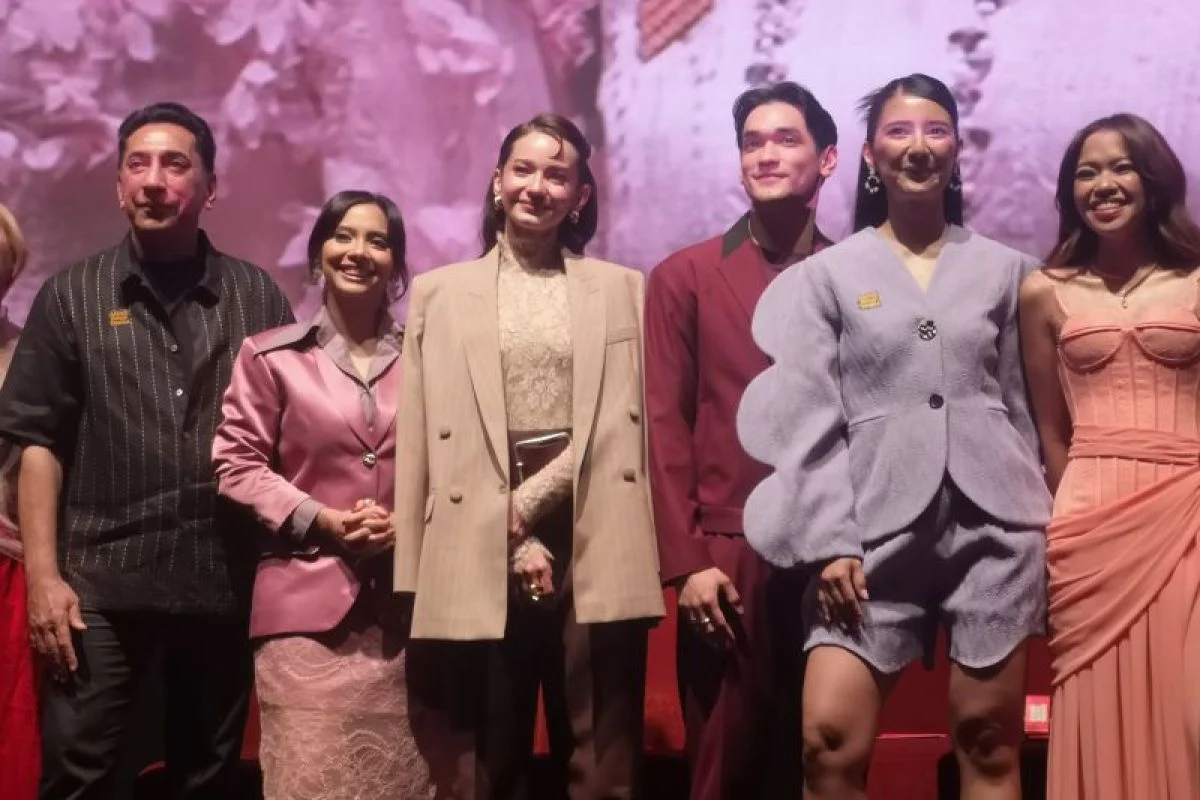
The cast list reads like a who’s-who of contemporary Indonesian cinema, featuring Afgansyah Reza, Fita Anggriani, Ardit Erwandha, Yunita Siregar, Unique Priscilla, Tike Priatnakusumah, Nada Novia, and Ummi Quary. The inclusion of comedic talents such as Neneng Wulandari, Boah Sartika, Dea Panendra, Musdalifah Basri, Astrid Juwita, Priska Baru Segu, Nury Zhafira, and Mega Salsabila serves to ground the film in the vibrant, often chaotic, and humorous reality of daily life in Indonesia.
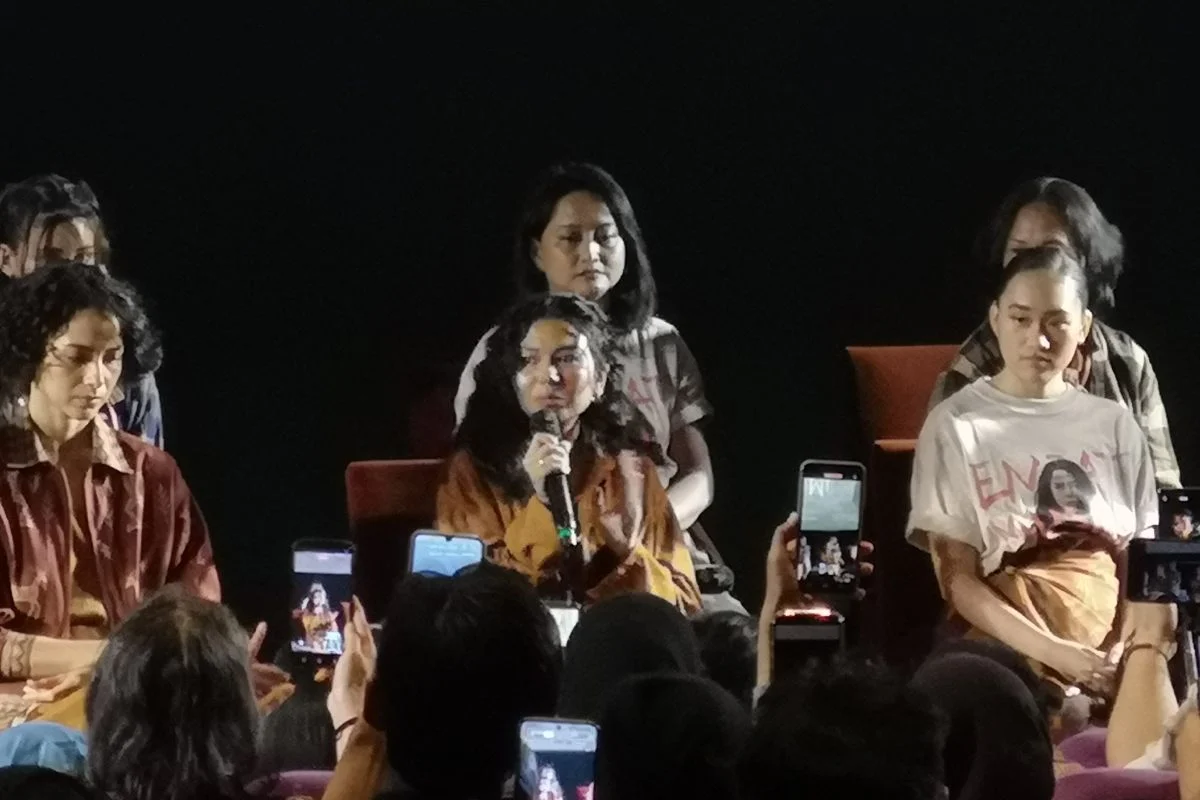
Director Naya Anindita emphasized that the casting process was about more than just acting prowess. "I wanted a team that could cultivate a positive atmosphere on set," Anindita stated. She believes that the camaraderie built behind the camera translates directly to the screen, providing an authentic warmth that audiences can feel.
Official Responses and Creative Vision
Producer Chand Parwez has lauded the project for its rare ability to blend high-concept comedy with deep emotional intelligence. In an official statement, Parwez noted that the film’s strength lies in its refusal to be one-dimensional.
"The humor is not just for entertainment; it acts as a bridge," Parwez explained. "When you laugh with these characters, you become invested in their struggles. Whether it is the mother working as a civil servant to put her kids through school, or a woman performing labor traditionally associated with men to keep her household afloat, the audience sees their own sisters, mothers, and friends on screen."
Naya Anindita echoed these sentiments, highlighting the intentional diversity of the female archetypes presented in the film. By showcasing women from varying socioeconomic backgrounds, the film posits that the struggle for financial independence is universal, regardless of one’s job title. "We wanted to show that there are many paths to dignity," Anindita said. "Whether you are a corporate worker or a domestic worker, the effort to provide for one’s family is a heroic act."
Implications: The Social Commentary Within the Comedy
Agensi Rumah Tangga is set to arrive at a time when discussions regarding labor rights, the value of domestic work, and the role of women in the Indonesian economy are at an all-time high. By framing these issues through the lens of a dramedy, the film succeeds in making heavy topics accessible to a broad audience.
The Domestic Labor Dynamic
The film challenges the traditional hierarchy between the "employer" and the "employee." By focusing on the agency—the middle ground where these lives intersect—the film forces viewers to confront the invisible labor that keeps Indonesian society running. It asks: What do we owe those who help us run our lives?
The "Corporate vs. Meaning" Conflict
Katia’s struggle—the classic conflict between societal expectation (the stable, corporate job) and personal alignment (the work that gives one meaning)—is a struggle that resonates with millions of millennials and Gen Z Indonesians. The film does not necessarily present an easy answer, but it provides a framework for audiences to evaluate their own life choices.
Empowering the Female Narrative
By placing female characters at the forefront of every conflict and resolution, the film serves as a testament to the resilience of women. From the perspective of production, the focus on female-centric storytelling—led by a female director and written by female screenwriters—marks a significant step forward in the Indonesian film industry’s efforts to ensure diverse voices are heard in the creative process.
Conclusion: A Must-Watch for the Modern Audience
As September 10, 2026, approaches, anticipation for Agensi Rumah Tangga continues to build. The film represents a maturation of the local comedy genre, proving that laughter does not have to come at the expense of substance.
For moviegoers, the promise is simple: a journey through the highs and lows of human connection. Whether you are coming for the witty banter of the ensemble cast or the heartfelt story of Katia’s self-discovery, Agensi Rumah Tangga appears to be a rare gem that manages to be both a crowd-pleaser and a conversation starter.
In a world that often feels increasingly fragmented, the story of an agency that turns workers into a family is a timely reminder of what truly matters. As the film hits the big screens, it invites every Indonesian to look at their own lives—and the people who walk through them—with a little more empathy, a little more humor, and a lot more heart.