A New Vanguard: Venice Critics’ Week Unveils a Bold Global Slate for Its 83rd Edition
The Venice Film Festival, the world’s oldest and one of its most prestigious cinematic gatherings, has once again signaled its commitment to the future of the medium. As anticipation builds for the 83rd edition—scheduled to take place from September 2 to 12—the festival’s independent sidebar, Venice Critics’ Week (Settimana Internazionale della Critica), has unveiled a daring, genre-defying selection of debut features.
Representing a global mosaic of perspectives, this year’s lineup confirms that despite the systemic crises facing the film industry, the spirit of independent filmmaking remains as "fierce and independent" as ever. With a slate of seven world premieres competing for the coveted Lion of the Future award, the section serves as a barometer for the next generation of visionary auteurs.
The Main Facts: A Global Competition of Debuts
The Venice Critics’ Week is historically defined by its rigorous focus on first-time directors, providing a high-profile platform for voices that challenge conventional narrative structures. This year’s selection is no exception, spanning four continents and tackling themes ranging from the intersection of AI and colonial history to the intimate, quiet struggles of disability and displacement.
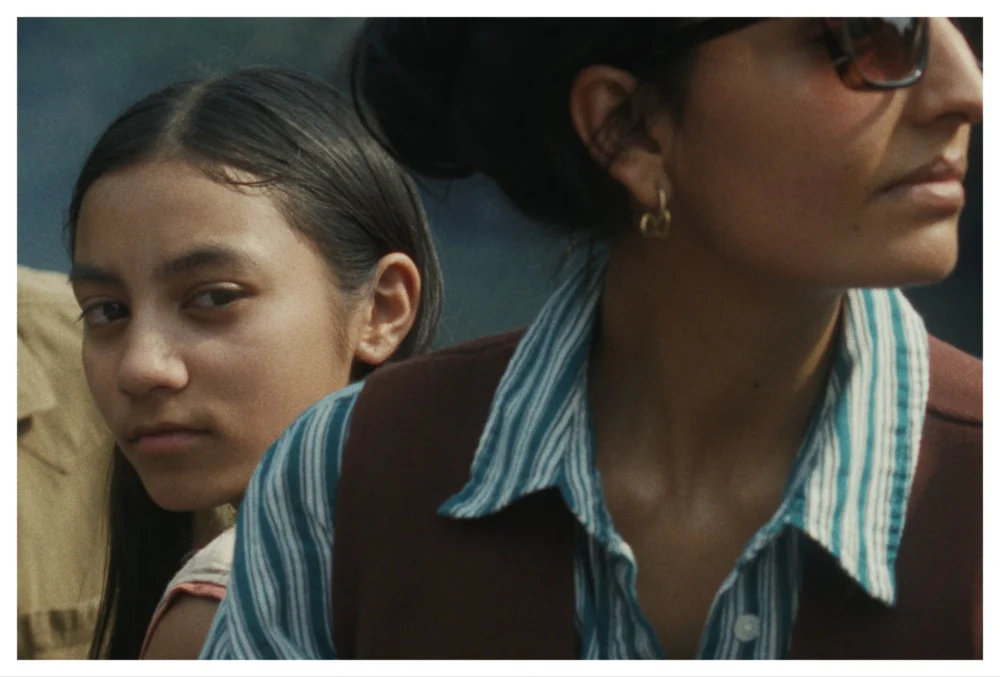
Among the standout entries is "Our Share of Sand," the debut feature from London-based Chilean-Indian filmmaker Shalini Adnani. The film centers on Maya, a 12-year-old girl who embarks on a journey back to rural India to bridge the emotional chasm separating her from her estranged father. It is a poignant exploration of identity and cultural heritage that has already generated significant buzz.
The competition also highlights the rising power of Latin American cinema, particularly through two Colombian entries that push the boundaries of storytelling:
- "The End of Times": A provocative fiction-documentary hybrid co-directed by Bibiana Rojas Gómez and Juan David Cárdenas. This project stands out for its integration of artificial intelligence, using the technology to interrogate the traumatic histories of colonialism and capitalism in Colombia.
- "Meteorite": Directed by Sebastián Múnera, this drama shifts the focus to the unsettling intersection of public memory and criminal history, following a community’s plans to transform the former estate of notorious drug lord Pablo Escobar into a public amusement park.
The global scope is completed by Tunisia’s dystopian vision, "The H@llow Man" by Kamel Laaridhi, which paints a chilling picture of a 2059 society where human memory and emotion are governed by biochips; China’s "Zoom In, Zoom Out" by Dong Jie, a mystery-drama revolving around a video game designer’s search for a missing roommate; and the Brazilian drama "London," directed by Victor Di Marco and Márcio Picoli, which offers a sensitive, unflinching look at the dilemmas faced by a disabled young adult.
Chronology: Shaping the Landscape of the 83rd Venice Film Festival
The unveiling of the Critics’ Week slate acts as the prologue to the wider Venice Film Festival festivities. The festival’s full official selection is slated for announcement this Thursday, marking a critical moment in the international film calendar.
- Pre-Festival Hype: The industry remains on high alert following months of speculation regarding the state of independent production.
- September 2: The festival officially kicks off on the Lido, with the Critics’ Week setting the tone for the avant-garde spirit of the event.
- The Opening Act: The section will open with the existential noir "Giaffa the Great" (Il Grande Giaffa), directed by Marco Santi. This out-of-competition Italian entry promises to ground the festival in a local, philosophical mystery.
- The Grand Finale: The section will close with "Rider," a unique Italian rap musical co-directed by Roan Johnson and music producer Davide "Dade" Pavanello. The film, which follows a food delivery driver swept into a surreal, high-stakes evening at a luxurious Milanese villa, offers a rhythmic, modern contrast to the more traditional dramas in the competition.
Supporting Data: The Power of the Lion of the Future
All seven films in the Critics’ Week competition are vying for the prestigious Lion of the Future (Luigi De Laurentiis Award). This accolade is not merely a symbolic gesture; it carries a $100,000 cash prize, providing the winning director with essential capital for future projects.
The inclusion of these works in the official selection alongside the festival’s main competition entries ensures that these debutants receive maximum exposure from international distributors, critics, and festival programmers. In an era where "discoverability" is the greatest challenge for independent filmmakers, the Venice platform remains the ultimate gatekeeper for cinematic prestige.
The selection process for the Critics’ Week is famously grueling. With only seven slots available, the competition is fierce, and the films chosen are vetted for their "daring and vibrant" qualities. The inclusion of diverse mediums—such as the AI-infused narrative of "The End of Times" or the genre-bending rap musical "Rider"—demonstrates that the selection committee is actively seeking to expand the definition of what constitutes "cinema" in the 2020s.
Official Responses: A Call to Collective Imagination
The selection was introduced with a statement from Beatrice Fiorentino, the general delegate of the Venice Critics’ Week. Her remarks underscored the existential weight of this year’s lineup:
"Whilst the industry at large is grappling with its crises, these works are proof that cinema never stopped asserting its own cruciality. This cinema is fierce and independent, daring and vibrant, resolute in its reminder that our collective imagination can, and indeed must, continue to be rewritten."
Fiorentino’s sentiment reflects a broader industry movement: a rejection of the "crisis" narrative—which often cites declining box office numbers and the rise of streaming—in favor of a "cinema of necessity." By highlighting works that deal with trauma, technology, and social isolation, the Critics’ Week is positioning itself as a hub for filmmakers who are not merely observing the world, but actively participating in the deconstruction of its current state.
Implications: What This Means for the Future of Film
The 2024 Venice Critics’ Week lineup carries significant implications for the global film market.
1. The Rise of Hybrid Narratives
The presence of "The End of Times" (AI/Documentary hybrid) and "Rider" (Rap/Musical) signals a shift away from traditional, linear storytelling. As younger audiences gravitate toward fragmented media, film festivals are beginning to prioritize projects that mirror this complexity, legitimizing experimental techniques that were once relegated to the fringe.
2. De-centering the Western Narrative
With entries from Colombia, India, China, Tunisia, and Brazil, the section is a deliberate departure from Eurocentric programming. By focusing on the specificities of local histories—such as Colombia’s post-Escobar reality or the dystopian surveillance anxieties of modern Tunisia—the festival is facilitating a global conversation about shared human experiences viewed through localized lenses.
3. The "Racist Milieu" and Social Commentary
The inclusion of Tommaso Usberti’s "Before the War" is particularly noteworthy. By focusing on a protagonist raised within a racist environment in Northern Italy who falls in love with a Kosovar immigrant, the film tackles the rise of xenophobia in Europe head-on. This suggests that the festival is not shying away from politically charged topics, but is instead inviting them to the forefront of critical discourse.
4. Accessibility and Inclusion
Finally, the inclusion of "London" (Brazil) indicates a growing, long-overdue focus on disability representation in international cinema. By centering the narrative on the specific dilemmas of a disabled young adult, the directors are challenging the industry to expand its casting and storytelling horizons, ensuring that the "collective imagination" mentioned by Fiorentino is truly representative of all humanity.
Conclusion: A Resolute Vision
As the 83rd Venice Film Festival approaches, the Critics’ Week serves as a reminder of the raw, unpolished potential of new talent. These directors, many of whom are stepping onto the global stage for the first time, are tasked with the heavy burden of "rewriting the collective imagination."
From the streets of Milan to the rural landscapes of India and the futuristic corridors of Tunisia, this year’s selection proves that cinema is not in decline—it is simply evolving. For the audience members, industry professionals, and critics gathered on the Lido this September, the films in this section will likely serve as the first look at the directors who will define the next decade of filmmaking. As the industry grapples with the uncertainties of the digital age, Venice is doubling down on the one thing that never fails: the power of a story, well-told, to challenge the status quo.