Oasis: Don’t Look Back in Anger — How the Gallagher Brothers’ Triumphant Concert Film Captured a Global Rock Phenomenon
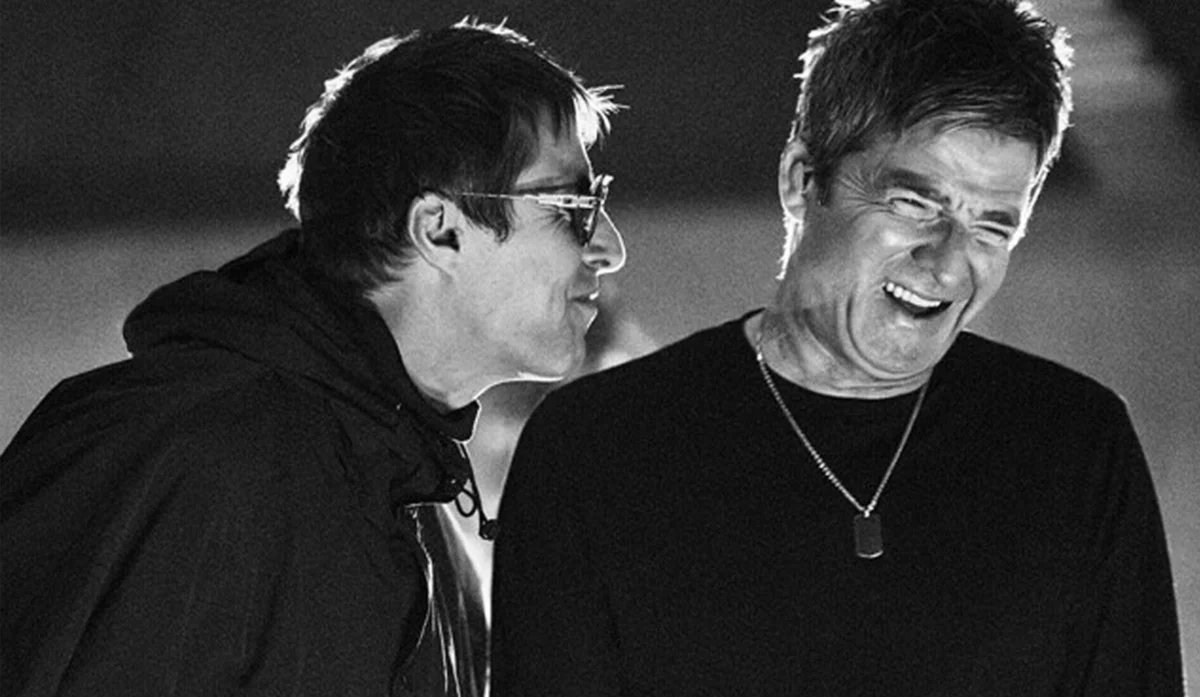
Liam and Noel Gallagher have found yet another compelling reason not to look back in anger. Following decades of relentless public feuding, legendary rock-and-roll drama, and a fiercely anticipated return to the stage, the infamous sibling duo is basking in something they haven’t experienced together in a generation: universal, resounding critical acclaim.
Their newly released concert documentary, Oasis: Don’t Look Back in Anger, has taken the film festival circuit and critical landscape by storm. Currently holding a stellar 96% approval rating on Rotten Tomatoes alongside a "generally favorable" score of 80 on Metacritic, the feature-length documentary is being hailed not merely as a rockumentary, but as a defining cultural snapshot of resilience, reconciliation, and the enduring power of music.
Directed by the acclaimed filmmaking team Will Lovelace and Dylan Southern, the documentary tracks the tumultuous, high-stakes trajectory of the Oasis Live ’25 reunion tour. With unprecedented, all-access passes granting the crew intimate rehearsal, backstage, and center-stage perspectives, the film offers fans something they thought impossible just a few short years ago: the first joint, face-to-face interviews featuring both Noel and Liam Gallagher in more than two decades.
After making its world premiere to a rapturous audience at the Venice Film Festival, the film is slated for a limited theatrical run before making its streaming home on Disney+ later this year.
Main Facts: Inside the Live ’25 Phenomenon
At its core, Oasis: Don’t Look Back in Anger serves as the visual chronicle of one of the most unexpected reunions in modern rock history. For fifteen years, the British tabloids and global fanbase operated under the assumption that the Gallagher brothers were entirely irreconcilable. The band’s explosive dissolution backstage at the Rock en Seine festival in Paris in 2009 felt like a permanent, tragic full-stop to the story of Britpop’s most iconic sons.
Yet, the Oasis Live ’25 tour shattered those expectations, and Lovelace and Southern were there to capture every electric, unpredictable moment. The film combines staggering live-performance captures with vulnerable, raw commentary from the brothers. Rather than leaning purely into nostalgia, the documentary highlights the stark contrast between the volatile, swaggering twenty-somethings who defined the 1990s and the older, weathered, yet deeply bonded middle-aged men taking the stage in 2025.
The production muscle behind the project is equally formidable. Beyond the directorial vision of Lovelace and Southern, acclaimed film and television screenwriter Steven Knight (Peaky Blinders) contributed to the movie’s overarching concept, thematic weight, and narrative structure, elevating the project far above standard tour-video fare.
Chronology of a Reunion: From Paris to Venice and Beyond
To fully understand the weight of Oasis: Don’t Look Back in Anger, one must trace the timeline of events that brought the brothers back from the brink of permanent estrangement to the silver screen:

- August 2009: The infamous backstage altercation in Paris brings an abrupt and violent end to Oasis, leading to Noel’s immediate departure from the band and the cancellation of the remainder of their tour.
- 2010–2024: For fifteen years, Liam and Noel trade verbal jabs through social media and press interviews, pursuing separate musical paths (Beady Eye, High Flying Birds, and solo careers) while millions of fans worldwide harbor fading hopes of a reunion.
- Late 2024 / Early 2025: Rumors reach a fever pitch before an official announcement confirms the unthinkable: the Gallagher brothers have buried the hatchet. The Oasis Live ’25 tour is announced, instantly selling out stadiums across the globe within minutes.
- September 2026: Oasis: Don’t Look Back in Anger celebrates its world premiere at the prestigious Venice Film Festival, instantly generating immense critical buzz.
- Present Day: Following glowing reviews and high critical scores, the film prepares for its theatrical release ahead of a broader streaming rollout on Disney+.
Supporting Data and Critical Reception
The critical response to the documentary has been overwhelmingly positive, driven by reviewers who found themselves unexpectedly moved by the project’s deeper emotional currents.
The Rave Reviews
Glenn Kenny of The New York Times awarded the film a glowing notice, writing, "It’s hard not to get emotional watching Liam turn the singing of ‘Live Forever’ over to a stadium crowd. This movie is both a headbanger and a tear-jerker." Kenny specifically highlighted how effectively the documentary captures the global magnitude of the 2025 reunion tour.
Similarly, Richard Lawson of The Hollywood Reporter admitted to being blindsided by the emotional resonance of the documentary:
"Maybe they’re just putting on a good act for the cameras, but the film endearingly softens their image while still giving us some of their famously witty insouciance (especially Liam’s), their wry outlook on their rocky years and the wholly different bond they’ve formed in middle age."
Lawson also pointed to the profound sense of community depicted within the concert footage: "It is an undeniable pleasure, a warming and holistic charge, to watch crowds of people having the time of their lives together, experiencing huge emotions en masse."
Matt Zoller Seitz of RogerEbert.com elevated the film even further, describing it as a masterclass in musical documentary filmmaking:
"This is one of the best music documentaries ever made because, while it gives us a little bit of the story of the brothers and the band, it’s not really about any of that… The Oasis reunion tour is a way of drawing us into the movie’s true subjects: what music means to people, and the practical value and personal importance of art in everyday life."
The Mixed Critiques
Despite the widespread adulation, a few critics pointed out narrative and structural limitations.

Mark Savage of the BBC expressed frustration that the film glosses over the intimate details of the brothers’ historical feud. "Nobody explains the fallout. We don’t find out who instigated the rapprochement, nor do we hear how it affected their family," Savage noted. He also critiqued the film’s pacing: "In a biopic, the triumphant night in Cardiff would have been the final scene — the moment of resolution after 15 years of pain. Here, it comes about 40 minutes into the action. Every subsequent concert just rinses and repeats the same story." However, Savage conceded that the musical execution remains stellar, praising the impeccable live mix and Liam’s soaring vocals.
Elena Lazic of Variety offered a similarly tempered review. While praising the technical achievements—notably the crisp concert footage and the "appropriately very loud sound design"—Lazic felt the documentary played it too safe. She argued that the film’s major weakness is its reluctance to lean into the band’s trademark volatility, resulting in an "uncharacteristically polite and sentimental portrait" of a famously chaotic rock group. Lazic noted that both brothers appear somewhat guarded, withholding genuine insight into the true catalyst behind their reconciliation.
Official Responses and Creative Intent
The filmmakers and contributors have made it clear that Oasis: Don’t Look Back in Anger was never intended to be a salacious tell-all or a traditional investigative biography. By bringing in screenwriter Steven Knight, the production team deliberately shifted the focus away from tabloid gossip and toward a broader meditation on reconciliation, human connection, and the communal ecstasy of live music.
For Liam and Noel, the project represents a rare moment of vulnerability. For decades, their brand was built on friction—the tension of two alpha-male brothers sharing a microphone while constantly on the verge of implosion. In granting Lovelace and Southern unrestricted access during the Live ’25 run, the brothers have allowed the public to see them not as untouchable rock gods locked in an eternal sibling war, but as older men making peace with their past and with each other.
Broader Implications for the Music Industry
The success of Oasis: Don’t Look Back in Anger and the massive commercial triumph of the Live ’25 tour point to several significant trends in contemporary pop culture and the music industry:
- The Economics of Nostalgia: The monumental demand for Oasis tickets proves that the appetite for 1990s Britpop and legacy acts remains completely unquenched. Fans are willing to pay premium prices to participate in shared cultural moments.
- The Evolution of the Rockumentary: As noted by critics like Matt Zoller Seitz, modern music documentaries are evolving past simple Wikipedia-style band histories. Successful films now use musical reunions as a narrative vehicle to explore larger sociological themes, such as loneliness, community, and the healing power of shared art.
- Healing Public Narrative: In an era dominated by hyper-polarization and endless public digital feuds, the Gallagher brothers’ reconciliation offers a surprisingly powerful counter-narrative. It stands as living proof that relationships broken in public view can, under the right circumstances, be mended.
As Oasis: Don’t Look Back in Anger prepares to hit streaming platforms via Disney+, it cements a remarkable chapter in rock history. Whether viewed as an insightful character study or an adrenaline-fueled concert film, it ensures that the sound of Oasis will continue to echo through stadiums—and living rooms—for generations to come.