Unpacking the Slasher Sensation: Jane Schoenbrun Returns with ‘Teenage Sex and Death at Camp Miasma’
Main Facts
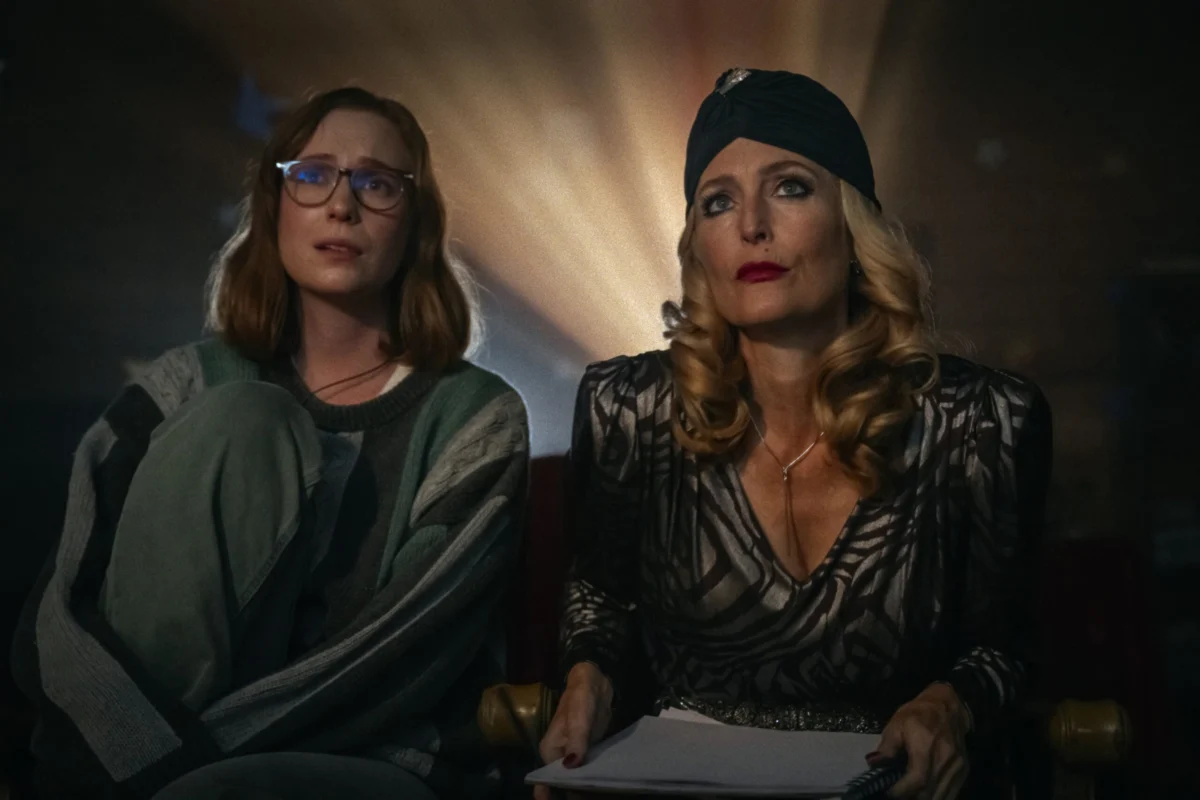
As the summer 2026 cinematic landscape reaches a fever pitch, filmmaker Jane Schoenbrun is back with their third narrative feature, Teenage Sex and Death at Camp Miasma, arriving in theaters nationwide courtesy of MUBI. A dizzyingly meta-textual, deliciously campy, and unapologetically bloody exploration of genre tropes, the film stars Hannah Einbinder as an ambitious, emerging queer filmmaker. Einbinder’s character is handed the daunting task of spearheading a contemporary reboot of a fictitious 1980s slasher franchise also named Camp Miasma.
In an effort to ground her creative vision in authenticity, the young director tracks down the original film’s legendary "final girl"—now an eccentric, middle-aged recluse living in isolation on the very campgrounds where the cult classic was shot. Played with captivating theatricality by Gillian Anderson, this reclusive icon becomes both the muse and the catalyst for a narrative descent that blurs the lines between fiction and reality, exploitation and art.
Described by Film Comment critic Nathan Lee as a “gore-soaked, titty-bouncing, sexploitation fever dream girded by real conceptual brio,” the film represents a major evolution for Schoenbrun. Following a trajectory of exploring identity, alienation, and screen-mediated reality, Teenage Sex and Death at Camp Miasma dives headfirst into the perverse riddles of desire. It interrogates the rich queer subtexts historically embedded within the slasher genre, examining the strange, intimate forms of identification that horror films cultivate between the spectator and the screen.
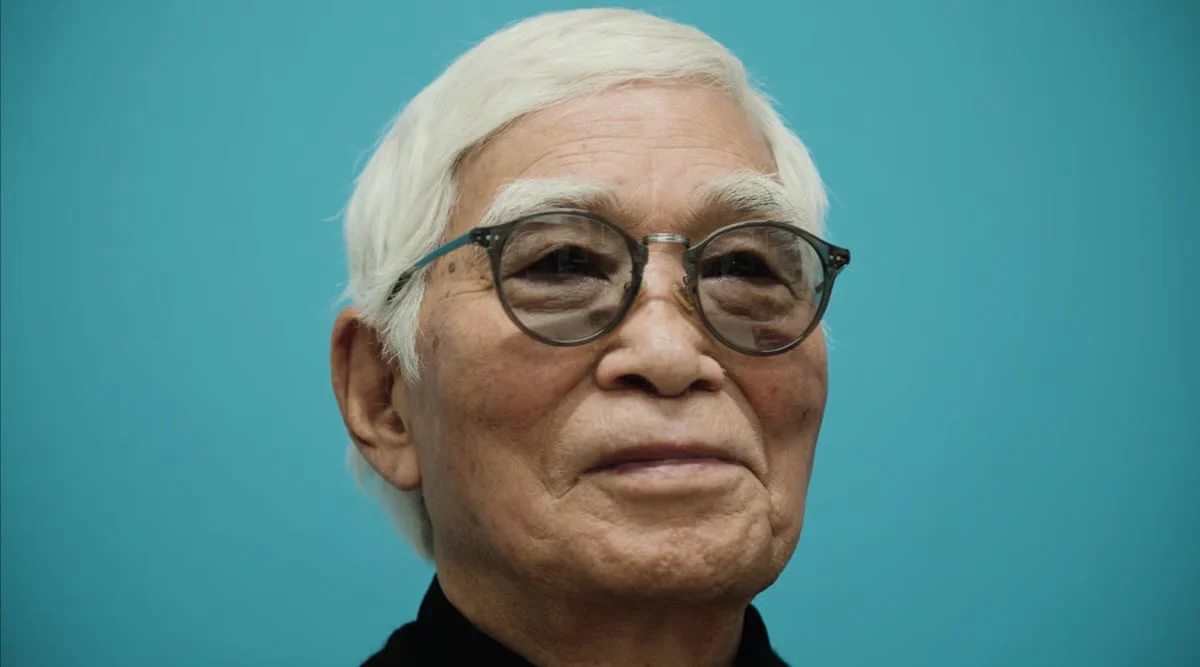
To mark the theatrical release, Film Comment Editor Devika Girish sat down with Schoenbrun for an in-depth podcast discussion, exploring the dense, labyrinthine layers of a film that purposefully balances intellectual rigor with laugh-out-loud comedy and pure horror-thrill entertainment.
Chronology: From Indie Acclaim to a Slasher Satire
To understand how Jane Schoenbrun arrived at Teenage Sex and Death at Camp Miasma, it is necessary to trace the filmmaker’s rapid ascension within contemporary independent cinema. Schoenbrun first captured the attention of cinephiles and critics with their distinct aesthetic sensibilities, which frequently examine internet culture, identity dissociation, and the psychological weight of media consumption.
The journey toward this 2026 release gained serious momentum during pre-production announcements, which immediately generated significant buzz across film circles due to the inspired casting pairing of Hannah Einbinder—hailed for her sharp comedic timing and dramatic depth—alongside international icon Gillian Anderson.
Production took place under a shroud of secrecy, with MUBI securing distribution rights early on, recognizing the film’s potential to become a definitive cultural touchstone for horror aficionados and queer cinema fans alike. As festival whispers turned into critical acclaim upon early screenings, the anticipation for its theatrical rollout peaked. Opening in theaters tomorrow, the film arrives as the centerpiece of the Summer 2026 issue of Film Comment, cementing Schoenbrun’s status as one of the most innovative and fearless voices working in modern genre cinema today.
Supporting Data and Production Details
- Teenage Sex and Death at Camp Miasma
- Director: Jane Schoenbrun
- Distributor: MUBI
- Cast: Hannah Einbinder, Gillian Anderson
- Release Date: Theatrical release tomorrow (tied to the Summer 2026 issue of Film Comment)
- Genre: Meta-textual horror / Slasher satire / Sexploitation comedy
- Core Themes: Queer subtext in horror, spectator identification, the mechanics of franchise reboots, and the psychology of desire.
The film’s visual and thematic architecture relies heavily on pastiche while maintaining a distinctly modern, hyper-aware lens. By juxtaposing the gritty, tactile aesthetics of 1980s direct-to-video slashers with sleek contemporary indie filmmaking techniques, Schoenbrun creates a visual dialectic that mirrors the film’s thematic obsessions. The production design of the decaying campgrounds serves as a character in its own right, capturing the physical and psychological rot of a cinematic past that refuses to stay buried.
Official Responses and Critical Reception
The critical reception surrounding Teenage Sex and Death at Camp Miasma has been electric, marked by praise for its willingness to subvert audience expectations. Nathan Lee’s review for Film Comment set the critical tone, praising the movie for bridging the gap between high-concept academic film theory and unadulterated, low-brow genre thrills.
In the accompanying podcast interview, Film Comment Editor Devika Girish engaged Schoenbrun in a conversation designed to unpack the film’s dizzying narrative structure. However, the dialogue quickly pivoted to a central thesis championed by the director: over-intellectualizing art can strip away its visceral power. As Schoenbrun notes throughout their press tour, "analysis is a boner-killer and mystery is hot."
Rather than offering neatly packaged metaphors or didactic messaging, Schoenbrun invites audiences to surrender to the film’s intoxicating atmosphere. Official statements from MUBI emphasize the studio’s pride in backing a project that refuses to play by traditional rules, positioning the film as a bold entry in the contemporary horror renaissance that prioritizes directorial vision over franchise safety.
Implications for the Horror Genre and Queer Cinema
Teenage Sex and Death at Camp Miasma arrives at a fascinating cultural crossroads for both the horror genre and queer media representation. For decades, horror scholarship has pointed out the inherent queer subtext of slasher films—the punishment of hyper-sexualized youth, the gender-bending traits of killers, and the resilience of the "final girl" as a queer-coded icon of survival. Schoenbrun takes these academic observations and literalizes them within a narrative framework that is both deeply reverent and sharply satirical.
By casting a young queer filmmaker attempting to reboot a relic of heteronormative exploitation cinema, Schoenbrun pokes fun at Hollywood’s current obsession with IP resurrection while asking a deeper question: What do we actually seek when we look back at the media of our past? The film suggests that our identification with monsters, victims, and survivors is far more complicated than simple escapism; it is an active negotiation of desire, trauma, and identity.
Furthermore, the film’s success signals a growing appetite for elevated, auteur-driven horror that refuses to take itself too seriously. While many modern "elevated horror" films lean heavily into solemn grief metaphors and prestige pacing, Schoenbrun leans into the slime, the camp, and the chaos. In doing so, Teenage Sex and Death at Camp Miasma proves that horror can be intellectually provocative without sacrificing the cheap thrills, bloody practical effects, and laugh-out-loud humor that made the genre a midnight-movie staple in the first place.
As audiences file into theaters tomorrow, they will not merely be watching a slasher parody; they will be engaging with a fierce, funny, and deeply strange interrogation of why we love to watch teenagers—and franchises—meet their bloody ends.