Beyond the Literal: Re-evaluating Tentang Dia as a Queer Landmark in Indonesian Cinema
Two decades after its initial release, the 2005 Indonesian drama Tentang Dia (About Her), directed by Rudy Soedjarwo, continues to spark fervent debate. What began as a casual TikTok video highlighting the film as a pioneer of "sapphic" or Women-Loving-Women (WLW) narratives in 2000s Indonesian cinema quickly spiraled into a digital discourse, revealing a deep-seated tension in how local audiences interpret queer representation. While many viewers resonated with the film’s underlying queer nuances, a vocal contingent pushed back with a rigid, literalist defense: "Rudi [the film’s protagonist] says she’s not a lesbian, therefore the film is not a GL (Girl’s Love) story."
This pushback serves as a poignant case study in the current state of media literacy in Indonesia. It highlights a common tendency to accept character dialogue as the final, immutable truth of a narrative. Yet, to reduce a film’s complex tapestry of emotion, subtext, and visual storytelling to a single line of dialogue is to overlook the very language of cinema.
The Politics of Literalism and Cultural Context
The insistence that a character’s denial of an identity label serves as an absolute refutation of their queer nature reflects a specific, arguably restrictive, approach to film analysis. In a society where non-heteronormative identities have long faced severe stigmatization, a character’s denial is rarely a simple statement of fact. Instead, it is frequently a survival mechanism—a protective shield against the immense social pressure to conform.
In her seminal study, Representasi Homoseksualitas dalam Film Indonesia Kontemporer (Representation of Homosexuality in Contemporary Indonesian Film), researcher Maimunah notes that Indonesian filmmakers have historically employed strategies of "coding" and ambiguity. These techniques allow creators to navigate strict censorship boards and social norms that otherwise prohibit the explicit depiction of queer themes. In this context, the character of Rudi is not necessarily being "honest" when she denies being a lesbian; she is, perhaps, engaging in a desperate act of self-preservation within a hostile environment.
Chronology of a Queer Narrative
To understand the film’s significance, one must look at the landscape of 2005. Tentang Dia was released in a year that also saw the debut of Detik Terakhir, a film that presented a far more explicit portrayal of lesbianism. The existence of these two films side-by-side demonstrates that the subtlety found in Tentang Dia was a deliberate creative choice, not a necessity born of an inability to depict queer romance.
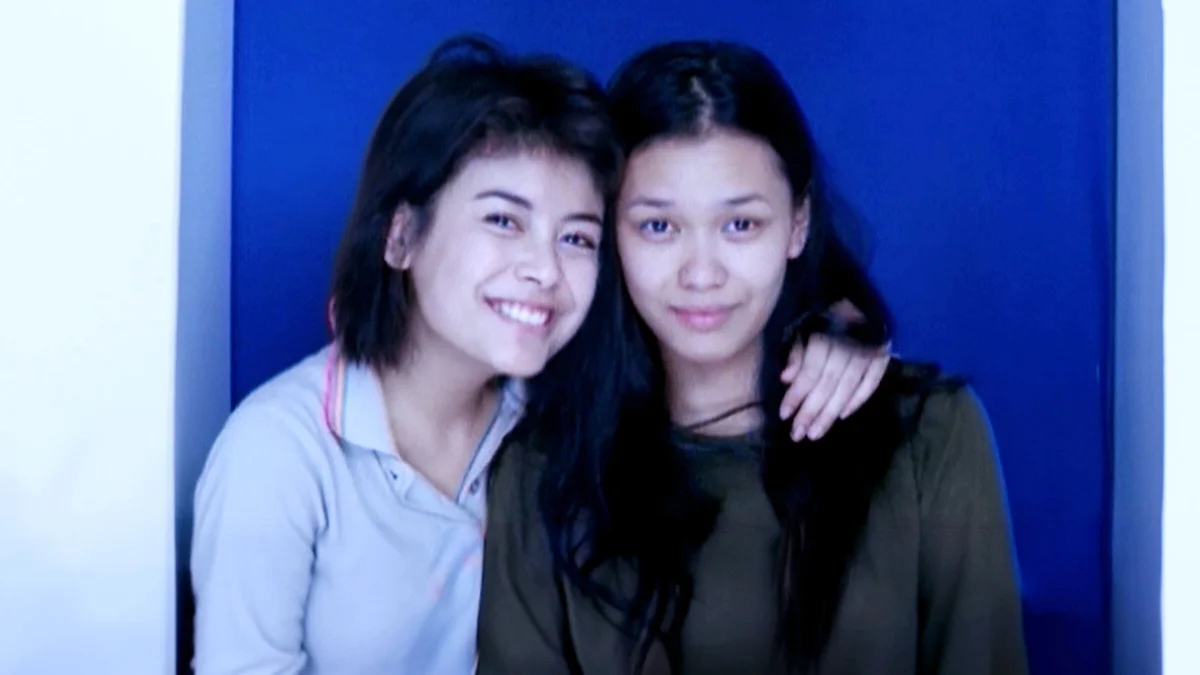
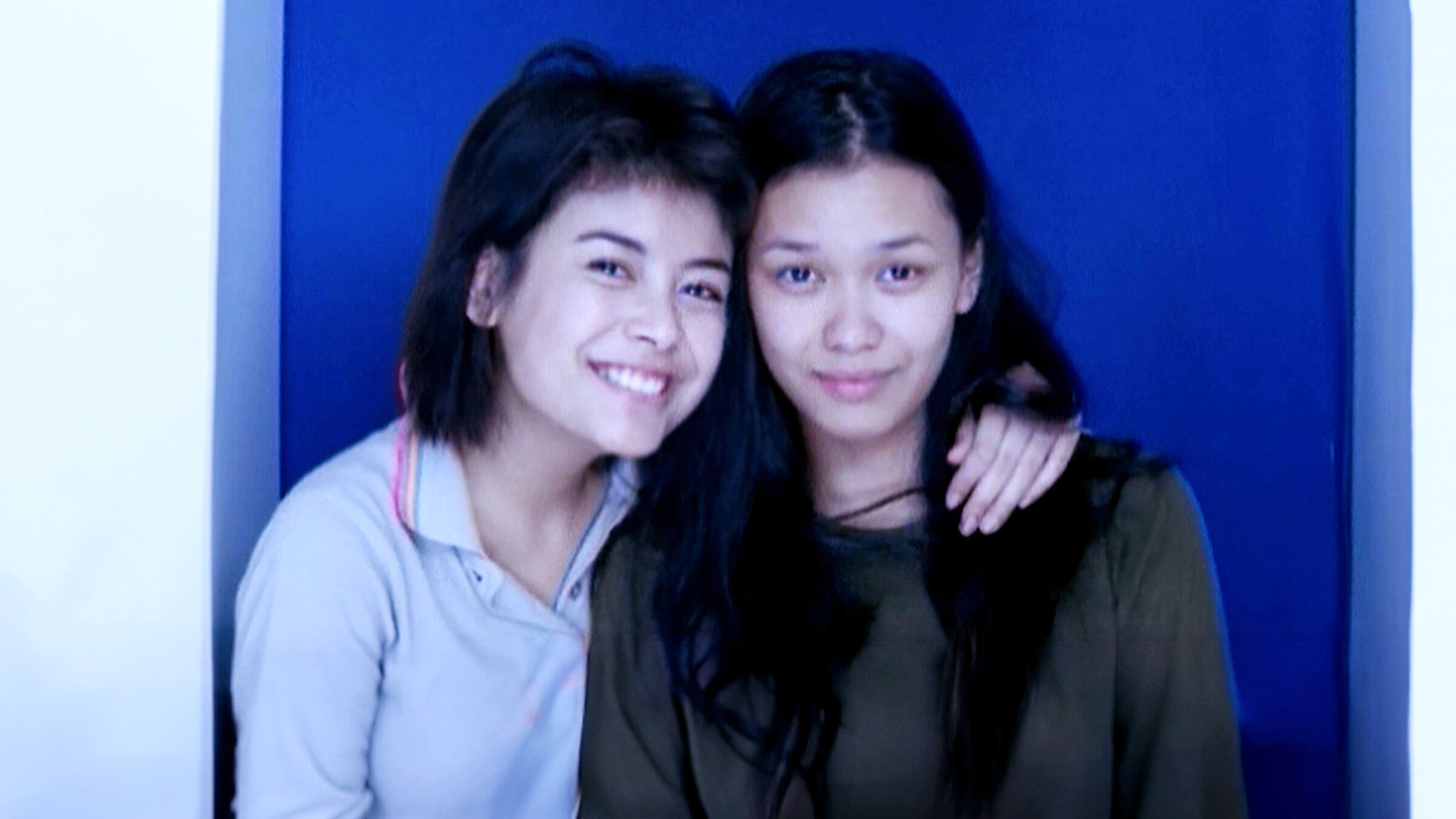
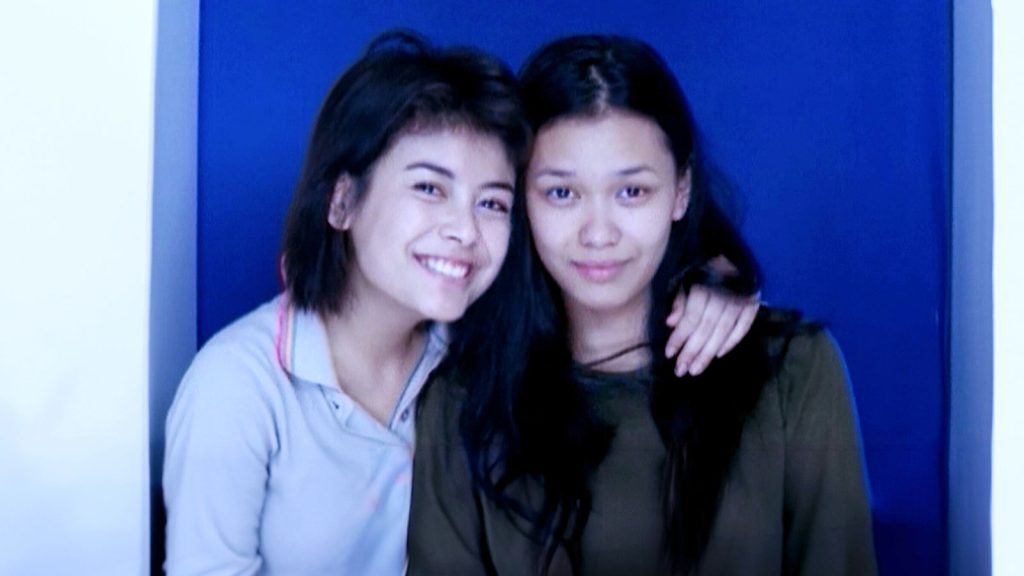
The story, adapted from a short story by Melly Goeslaw, follows Gadis (Sigi Wimala), a teenager struggling with trauma and a loss of identity after her boyfriend impregnates her best friend. She encounters Rudi (Adinia Wirasti), a tomboyish woman, following a car accident. What follows is an evolving intimacy that transcends the traditional boundaries of friendship. As their bond deepens, Gadis becomes confused, leading to a confrontation that challenges not only Rudi’s self-identification but also Gadis’s own burgeoning sense of self.
Cinematic Language: The Anatomy of Intimacy
The queerness of Tentang Dia is etched into the film’s DNA through visual cues and "queer coding," rather than just dialogue. Director Rudy Soedjarwo utilizes framing techniques that prioritize the internal space of the characters over the prying eyes of society.
The Power of Wide Shots
Soedjarwo repeatedly captures the protagonists on a rooftop using wide shots, often from behind. In the context of film theory, as discussed by Per Persson in Understanding Cinema, this type of framing creates a private, unstated sphere of intimacy. By refusing to cut to close-ups or coverage shots during their most vulnerable conversations, the camera respects the privacy of the characters. These moments are not for the audience to "consume" or judge; they are for the characters to experience. The camera acts as a silent observer, maintaining a distance that honors the fragility of their connection.
The Symbolism of Names and Gender
The character of "Rudi" is a masterclass in queer coding. By choosing a traditionally masculine name over her birth name, the character asserts autonomy over her identity. This is a common, profound practice among queer individuals who seek to define themselves outside of the expectations of their assigned gender. The contrast between the name "Rudi"—masculine and assertive—and "Gadis"—which literally means "girl" or "virgin"—creates a binary tension that the film explores throughout its duration.
Furthermore, the casting of Adinia Wirasti cannot be ignored. Following her iconic role as the tomboyish Karmen in the cultural phenomenon Ada Apa dengan Cinta?, the audience already possessed a subconscious, visual shorthand for Wirasti as a figure that disrupts gender norms. Soedjarwo weaponizes this history to solidify Rudi’s persona as a butch archetype.
The Weight of Absence: A Society in Silence
Perhaps the most haunting element of the film is its depiction of Jakarta. In a pivotal scene, the film uses a sweeping crane shot to show Gadis running through the Bundaran HI traffic circle—a location usually teeming with life—and finding it completely deserted.
This visual choice is not merely an aesthetic decision; it is a profound metaphor for the social isolation of queer individuals in Indonesia. The "empty" city represents a world where their love has no space to exist. It suggests that the pressures they face are not just internal, but systemic. They are "alone" because the society around them has effectively erased their existence, leaving them to navigate their intimacy in a vacuum.
Official Responses and Critical Reception
At the time of its release, the film was subject to various interpretations. Is Mujiarso, writing for Kompas in 2005, famously argued that the rooftop confrontation—where Rudi denies her feelings—served to reinforce heteronormativity. However, this reading ignores the desperation behind the denial.
Rudi’s anger in that scene is not a "truth-telling" moment; it is a visceral reaction to having a secret identity forcefully unmasked. The backlash against the "lesbian" label is a reaction to the potential for social annihilation. By viewing the scene through the lens of trauma and survival rather than simple dialogue, we see that the film is not reinforcing norms, but rather documenting the agony of being unable to live authentically.
Implications: The Legacy of Ambiguity
The ongoing debate surrounding Tentang Dia on platforms like TikTok proves that the film remains a living text. Two decades later, it continues to serve as a mirror for a new generation of viewers, many of whom possess a more nuanced vocabulary for gender and sexuality than the audiences of 2005.
Key Implications:
- Redefining "Representation": The film demonstrates that representation does not always need to be explicit to be effective. The "queer-coded" nature of the film provides a historical record of how queer identity was expressed under the threat of social erasure.
- The Evolution of Media Literacy: The divide between those who see the "queerness" and those who demand "literal confirmation" highlights a gap in how media is consumed. Encouraging audiences to look beyond dialogue and analyze visual grammar, subtext, and historical context is essential for a more sophisticated engagement with art.
- The Soundtrack as Narrative: The inclusion of the track "Cinta" by Melly Goeslaw and Krisdayanti—paired with a music video featuring intimate, lingering gazes—acts as an unofficial companion piece that reinforces the film’s sapphic atmosphere. It proves that the "queer vibe" was not accidental, but intentional.
Conclusion
Tentang Dia may never have been marketed as an explicitly queer film, nor did it openly embrace the label in its marketing materials. Yet, its endurance as a topic of conversation proves that it struck a chord that has resonated across twenty years. It belongs to a category of cinema that speaks in whispers, in stolen glances, and in the space between words.
For those who seek it, the queer narrative in Tentang Dia is unmistakable. It is a story of two souls finding a temporary, fragile shelter in a city that refuses to see them. Whether or not the characters use the label "lesbian" is ultimately secondary to the truth of their experience: that in the face of a society that demands silence, they found a way to be heard. As we revisit this classic, we are reminded that not all that is important needs to be declared to be deeply, undeniably felt.