From Oscar Milestones to Toronto Premieres: How Indian Cinema’s Global Momentum Is Reshaping Independent and Studio Landscapes
Main Facts
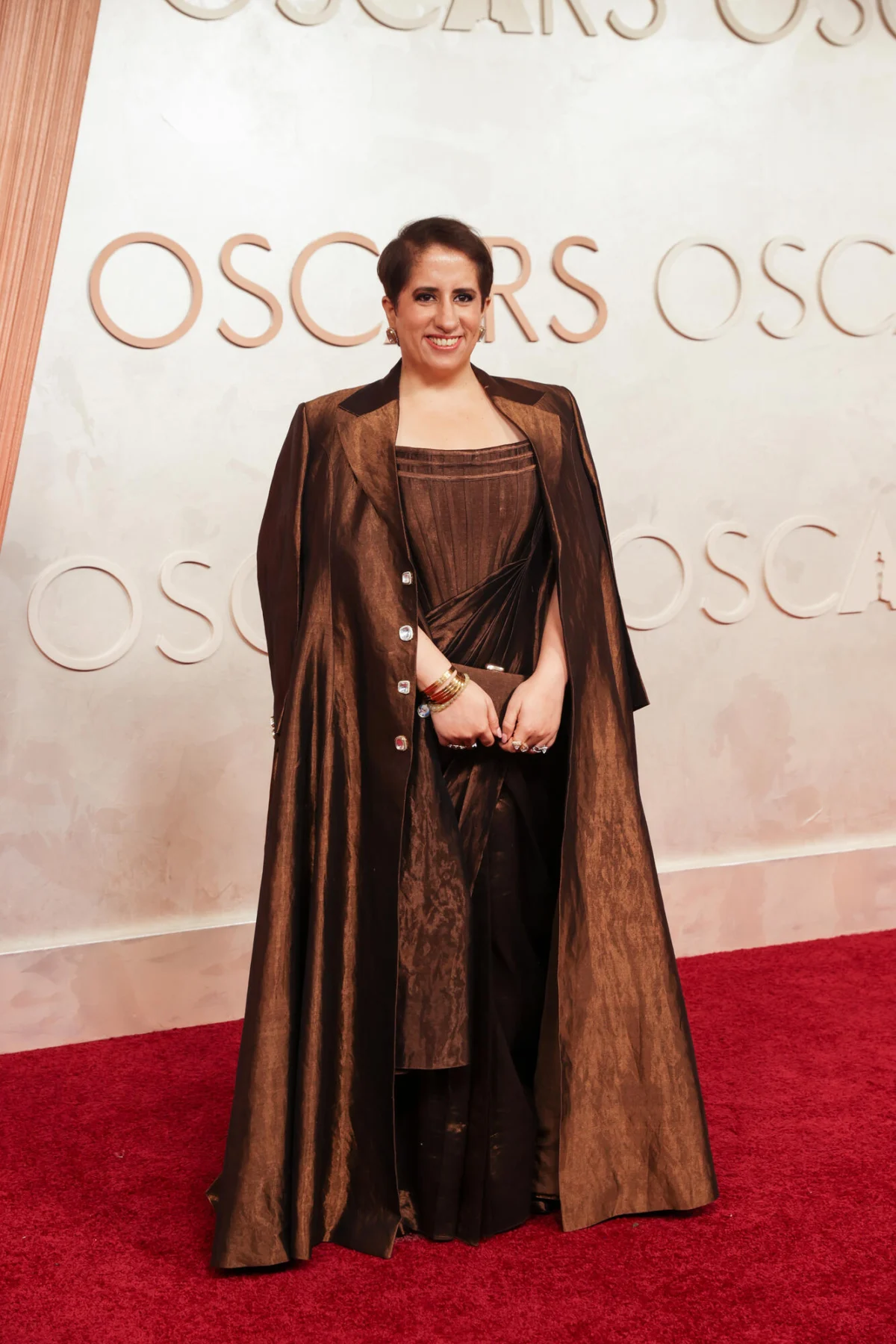
The 2023 Academy Awards marked an unprecedented watershed moment for Indian cinema, highlighted by the historic victories of Everything Everywhere All At Once, the cultural phenomenon of the Telugu-language action epic RRR, and Guneet Monga Kapoor’s Oscar win for the documentary short The Elephant Whisperers. Concurrently, Shaunak Sen’s critically lauded All That Breathes earned a nomination for Best Documentary Feature following prestigious top prizes at Sundance and Cannes.
As the film industry shifts toward the 2026 Toronto International Film Festival (TIFF), this momentum has materialized into a robust slate of nearly a dozen South Asian features and shorts spanning the festival’s lineup. Two of the most anticipated premieres belong to Sen and Monga Kapoor, who both mark major career milestones on the same festival Friday.
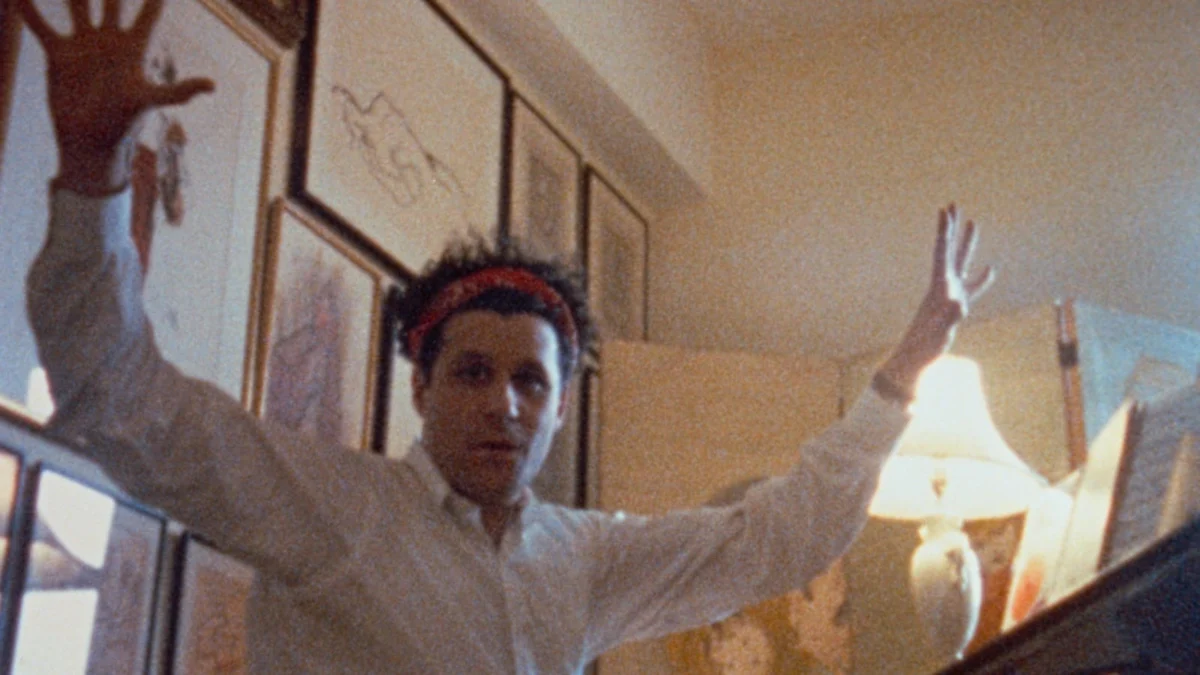
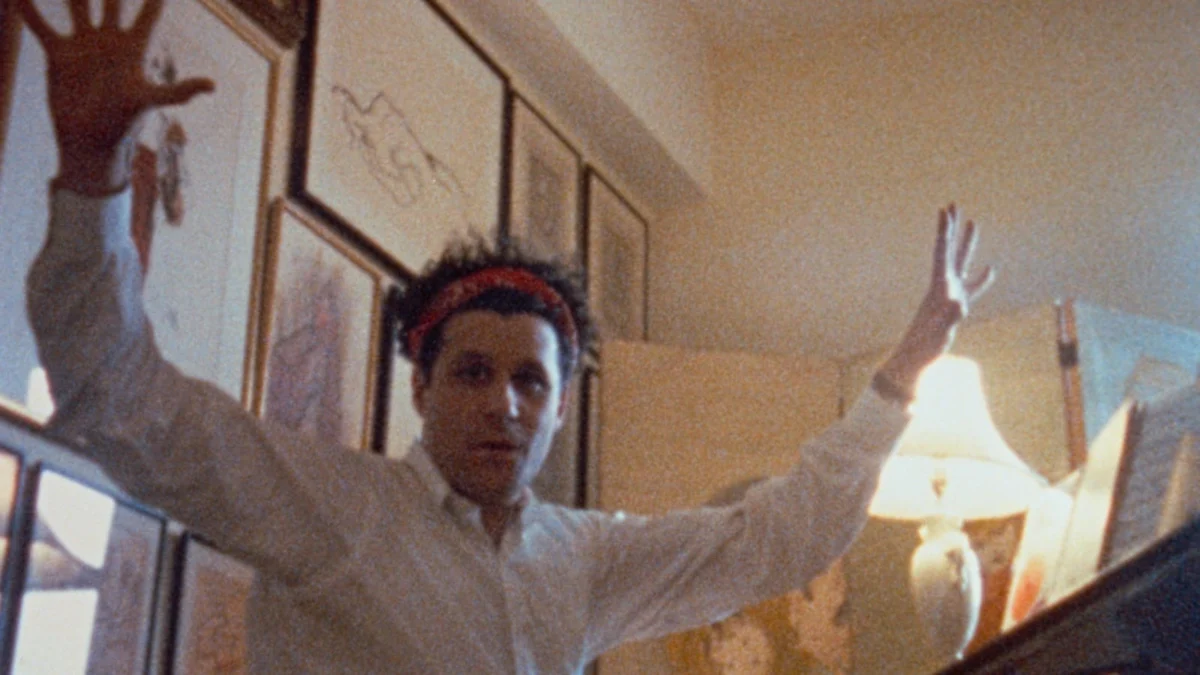
Sen makes his narrative fiction debut with Termite, a poetic short chronicling a Delhi exterminator whose roommate receives an unexpected marriage proposal. Meanwhile, Monga Kapoor unveils Dorothy, a high-octane gangster western directed by acclaimed Tamil filmmaker Karthik Subbaraj. Dorothy represents a historic convergence: it is Subbaraj’s first feature to premiere at a major international film festival—following nine previous direct theatrical releases—and the first feature to debut under Monga Kapoor’s Sikhya Entertainment banner since India’s leading entertainment company, Jio Studios (the content arm of Reliance Industries), acquired a majority stake in the production company earlier this year.
Chronology: The Journey from 2023 to the 2026 Festival Circuit
The Post-Oscar Launchpad (2023–2024)
Following the 2023 Academy Awards, the South Asian cinematic landscape experienced a rapid expansion of international visibility and domestic restructuring. For Shaunak Sen, the validation of an Oscar nomination opened doors to high-level global collaborations. Shortly after the ceremony, Hollywood actor Joaquin Phoenix reached out to Sen, expressing admiration for All That Breathes and pitching an idea for a documentary centered on a heavily researched community. Sen recommended filmmaker Archana Phadke for the project, leading to a prestigious co-production arrangement involving Phoenix, Rooney Mara, Jim Wilson, and Sen’s production house, KiteRabbit (co-founded with Aman Mann).
Concurrently, Sen faced a personal and creative crucible. Diagnosed with kidney cancer shortly after the Oscars, Sen turned his medical journey into creative fuel. He began documenting the realities of a vascular surgery team, merging his personal experiences with mortality into a feature-length documentary titled The Delicate.

Scaling Up and Studio Integration (2025–2026)
While KiteRabbit focused on nurturing high-concept independent voices like Pallavi Paul and Anmol Siddhu, Guneet Monga Kapoor’s Sikhya Entertainment pursued a parallel track scaled toward commercial and studio integration.
- Late 2024–Early 2025: Monga Kapoor produced diverse projects ranging from the festival-bound indie The Fable to the visceral action feature Kill, alongside the live-action short Anuja, which secured an Oscar nomination in 2025.
- August–December 2025: Karthik Subbaraj and Monga Kapoor commenced pre-production and a rigorous 41-day principal photography schedule for Dorothy in rural Madurai.
- February 2026: Sikhya Entertainment officially finalized its majority-stake acquisition deal with Jio Studios, cementing a powerful new hybrid studio model.
- September 2026: Both Termite and Dorothy arrive at TIFF, positioning themselves as case studies in the contrasting operational models of modern Indian cinema.
Supporting Data and Production Landscapes
The trajectories of Termite and Dorothy highlight the vast dichotomy between boutique independent producing and studio-backed commercial filmmaking in India.
| Project | Director | Production Banner | Primary Financing & Structure | Production Timeline | TIFF Debut Format |
|---|---|---|---|---|---|
| Termite | Shaunak Sen | KiteRabbit | Independent boutique slate, grant and investor-backed | Shot over 5 intensive days in Delhi | Shorts Program |
| Dorothy | Karthik Subbaraj | Sikhya Entertainment / Jio Studios | Major studio-backed commercial backing (Reliance Industries) | 41-day principal photography (Nov–Dec 2025) | Special Presentation / World Premiere |
The KiteRabbit Model
Shaunak Sen has been vocal about the scarcity of non-studio independent financing models within India. Operating through KiteRabbit, Sen and Aman Mann prioritize projects that require slow-burn immersion, typically taking two and a half years to mount a single project. Rather than pivoting toward commercial potboilers, Sen chose to reinvest capital and resources into fellow independent auteurs, curating a slate of five distinct fiction and nonfiction works that champion uncompromising artistic vision over commercial formulas.
The Sikhya-Jio Paradigm
In contrast, Guneet Monga Kapoor’s partnership with Jio Studios represents a historic evolution for Indian indie cinema. By pairing Sikhya’s festival prestige with Jio’s massive distribution and financial infrastructure, Monga Kapoor aims to bridge the gap between regional art-house sensibilities and global commercial scale. Dorothy—shot with astonishing velocity under Subbaraj’s direction—was fully wrapped by December 2025, just weeks before the Jio acquisition was finalized in February 2026, establishing a blueprint for how regional cinematic heavyweights can scale up without losing their cultural specificity.
Official Responses and Creative Insights
Shaunak Sen on the Fiction Transition and Personal Resilience
Reflecting on his transition from the hermetically sealed world of documentary filmmaking to the fast-paced demands of fiction, Sen admitted to feeling like a novice. Shooting Termite over five grueling days shattered his preconceptions about narrative pacing:

"Every independent filmmaker is inherently a radical autodidact in that you must always be collecting new pathways… It’s staggering how few people in India know independent producing that is not studio-backed."
Speaking on his health and creative output following his recovery from cancer, Sen noted how his perspective on the medium shifted:
"A surgery operation theater is an opera of concentration, absorption, and virtuoso focus. And that’s very exciting to me… The week before I got my cancer diagnosis was Aman’s wedding… I remember that sandwiched between these two was this event that completely altered the horizon of what the future held for me."
Guneet Monga Kapoor and Karthik Subbaraj on Dorothy
Karthik Subbaraj noted that when he circulated early drafts of Dorothy—a gritty gangster western set in early 1990s rural Tamil Nadu and scored by legendary composer Ilaiyaraja—regional executives deemed it "not commercial enough" and demanded a major star. Subbaraj turned to Monga Kapoor, recognizing her mastery of the international festival circuit.
Monga Kapoor described reading the script as "love at first sight":

"Here you enter a classic Karthik Subbaraj world and then turn it around to tell such a sensitive, beautiful story set in the world of gangsters. At the time, we had made all our business plans for Jio Studios… And yet we never thought our first film with Jio would be a Tamil-language film."
Addressing the universal resonance of the film’s themes—caste-based violence, toxic masculinity, and the dreams of childhood friends—Subbaraj emphasized his desire to erase the artificial barrier between festival cinema and commercial blockbusters:
"There is a kind of demarcation when they say Tamil film for theatrical and for festivals. I wanted to eradicate that line and make a film that is celebrated by a mainstream Tamil theatrical audience and also liked by a foreign festival audience."
Implications for the Future of Indian Cinema
The simultaneous premieres of Termite and Dorothy at TIFF 2026 carry profound implications for the global positioning of South Asian cinema.
-
Deconstructing Monolithic Perceptions: For decades, international markets frequently flattened Indian cinema into Bollywood musicals. The post-2023 landscape—catalyzed by RRR, All That Breathes, and The Elephant Whisperers—has proven that regional industries (Tamil, Telugu, Malayalam, and Bengali) possess distinct, world-class identities. As Monga Kapoor noted:

"I think people like boxing everybody. But we are all Indian cinema at large… We are many cinema countries in one, all consuming each other’s cinema on subtitles."
-
The New Infrastructure for Global Distribution: With Sikhya Entertainment backed by Jio Studios, and independent outfits like KiteRabbit securing international co-productions with figures like Joaquin Phoenix, Indian creators are no longer reliant on ad-hoc western distribution. The targeted September 25th global rollout for Dorothy—timed carefully after its TIFF premiere—demonstrates a sophisticated approach to securing U.S. distribution and building sustained Oscar campaigns.
-
Bridging Art-House Craft and Mass Entertainment: Both Sen and Subbaraj are proving that deeply local, culturally anchored stories can achieve universal resonance. Whether through the intimate, middle-aged male ennui explored in Termite or the sprawling, music-driven social critique of Dorothy, contemporary Indian filmmakers are rejecting false binaries.
As Dorothy bows on September 11 and Termite rolls out across festival shorts programs, the overarching message from Toronto is clear: Indian cinema is occupying every cinematic space, across every platform, all at once.