Blood, Beauty, and Misogyny: Anna Biller Confronts the "Dude Bros" and Industry Bias with The Face of Horror
By [Journalist Name]
September 2026
Main Facts: A Midnight Premiere and a Clash of Expectations
Anna Biller is no stranger to provoking reactions with her meticulously crafted cinema, but her latest feature, The Face of Horror, has sparked a uniquely meta-textual conversation about gender, genre, and audience expectations. Following its world premiere at the 2026 Toronto International Film Festival (TIFF) as part of the prestigious Midnight Madness lineup, the film left its writer-director questioning whether she had delivered the right tonic for the late-night crowd.
"I’m not sure it was 100 percent the right crowd," Biller confessed to IndieWire the day after the debut of her heartbreaking, visually arresting ghost story. "I think they wanted something more gory."

While Biller acknowledged that the screening room itself was engaged, she suspects that certain factions of the audience—colloquially dubbed "dude bros"—came looking for non-stop carnage and found themselves forced to endure heavy psychological monologues instead. For Biller, this friction is the point. She believes that these viewers recognize the subversive game she is playing and resent having to sit through a "women’s picture"—a serious arthouse film masquerading beneath the colorful, stylized surface of genre entertainment.
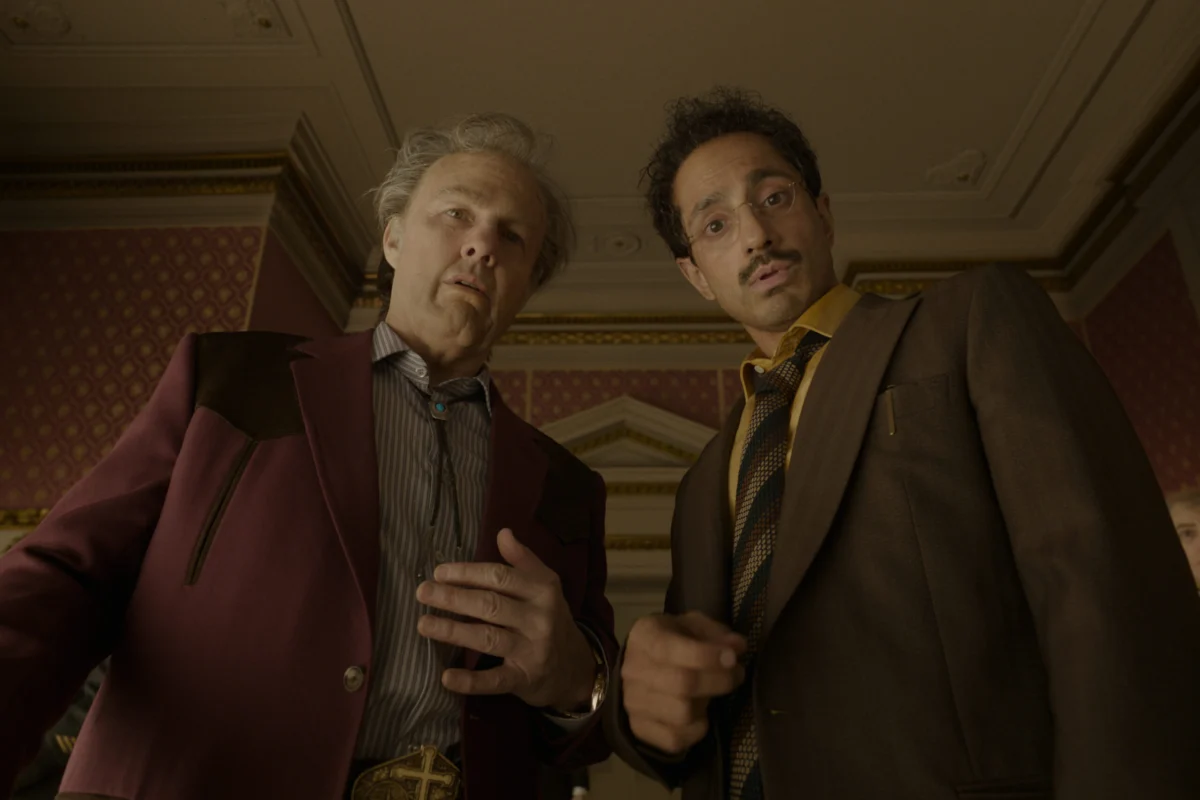
The Face of Horror reimagines the classic Japanese ghost story Yotsuya Kaidan, relocating the chilling narrative of betrayal and vengeance to 14th-century England. Kristine Froseth stars as Eleanor, a pure-hearted woman whose clandestine marriage to a handsome knight, played by Jonah Hauer-King, curdles into a waking nightmare. Alongside Eleanor is her devoted sister, Beatrice, played by Ellie Bamber—whom Biller characterizes as the emotional anchor and "final girl" of the tragedy.
Yet, as the film seeks U.S. distribution following its TIFF showcase, its journey highlights a wider, systemic resistance within the film industry toward taking women’s pain—and female-centered artistry—seriously.

Chronology: From DIY Pioneer to Studio-Backed Auteur
To understand the weight of The Face of Horror, one must trace Biller’s unique trajectory through the independent film landscape. Over the past two decades, the filmmaker has carved out a singular niche as a writer, director, and visual stylist, known for recreating the aesthetic grammars of classic cinematic movements.
- 2007: Biller releases her feature Viva, a stylized exploration of 1970s sexual revolution politics.
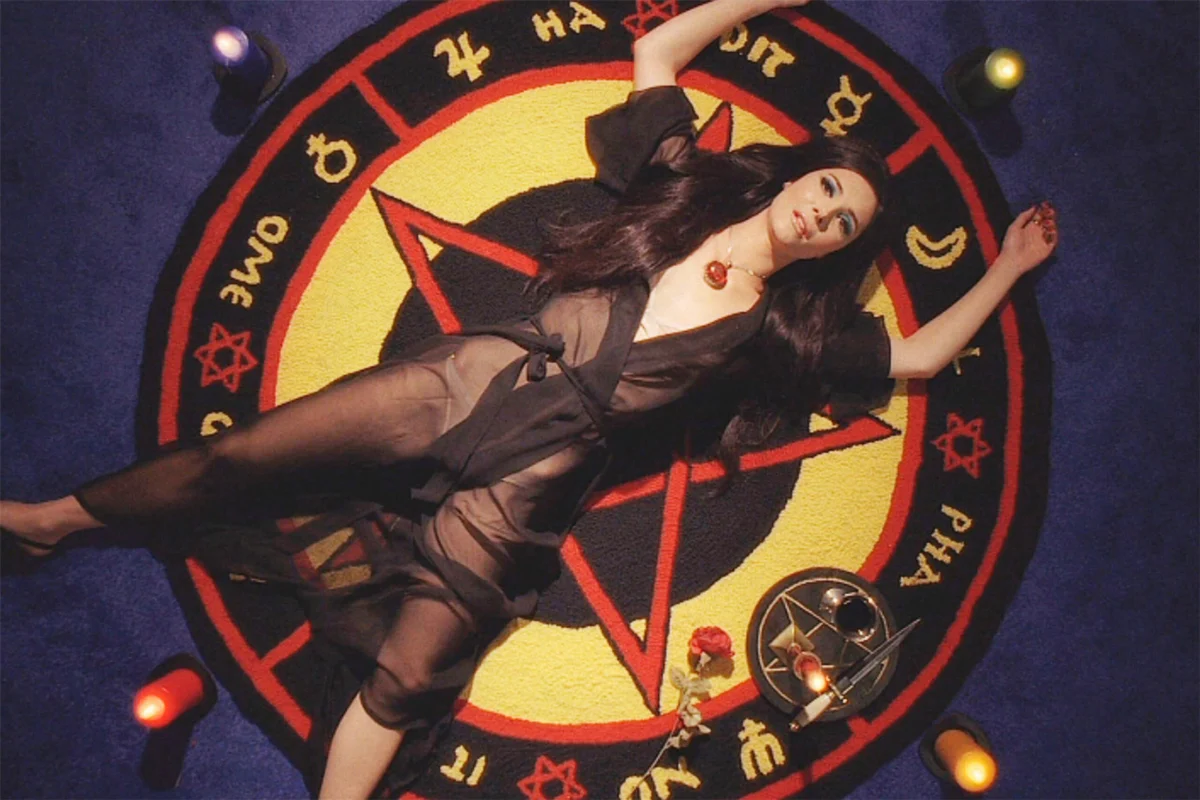
- 2016: Biller captures international acclaim with The Love Witch, a Technicolor pastiche of 1960s horror that cemented her reputation for stunning, highly curated visuals. Operating on a shoestring budget, Biller infamously spent more than two years drafting patterns and sewing costumes by hand because she could not afford a dedicated wardrobe department.
- Post-2016: Despite critical praise and widespread declarations of her "genius," Biller faced an invisible glass ceiling. Industry enthusiasm failed to materialize into tangible development deals, most notably stalling her ambitious Gothic romance screenplay, Bluebeard’s Castle. Unable to secure traditional financing due to categorization confusion—falling awkwardly between prestige platform releases and midnight slots—Biller eventually transformed the script into her debut novel.
- 2026: Standing on the precipice of walking away from filmmaking entirely, Biller secures the resources necessary to mount The Face of Horror. Marking her first time working within a traditional, well-funded studio-style infrastructure—complete with a dedicated costume department featuring cutters, drapers, and stitchers—the film premieres at TIFF Midnight Madness, testing the boundaries of what genre audiences are willing to tolerate.
Supporting Data and Production Realities: Dismantling the "Control Freak" Myth
A persistent narrative surrounding Biller’s career has been the framing of her meticulousness as a form of obstinate control. However, the production realities of The Love Witch versus The Face of Horror reveal a narrative born of necessity rather than ego.
On The Love Witch, doing everything herself—from set design to wardrobe—was a defensive maneuver to protect the film’s aesthetic integrity on a restricted budget. "I feel like there’s this misconception out there that I am a control freak that needs to do everything," Biller explained. "It’s not that. It’s just that I’m incredibly meticulous about what I want it to look like and I’m not going to accept some bad horrible costumes just because I can’t afford good ones."

With The Face of Horror, having access to a fully realized production pipeline allowed Biller to experience filmmaking the way major directors traditionally do. Having previously worked in virtually every behind-the-scenes department, Biller arrived on set with an intimate fluency in her collaborators’ needs. This empathy fostered an environment where department heads and actors could thrive.
Rather than dictating performance style, Biller encouraged her cast to mine their own emotional depths. The process was grueling; during one particularly intense, blood-soaked sequence, lead actor Kristine Froseth became so emotionally overwhelmed that she retreated from the set in tears, only to return ten minutes later ready to complete the take. Biller admitted that she, too, was crying alongside her star.
This shared emotional toll underscores the fallacy of labeling Biller’s work as mere "camp."

Official Responses and Critical Discourse: The Problem with "Camp"
Biller has taken sharp aim at how critics and audiences weaponize certain terminology to diminish women-centric cinema. While she embraces the role of intentional humor in cathartic genre traditions—drawing comparisons to classic rape-revenge narratives—she draws a firm line at the label of "camp."
"I do like the word ‘humor’ because there is intentional humor, of course," Biller noted. "But ‘camp,’ I feel like it’s failed seriousness."
Early Letterboxd reviews and festival reactions that reduce The Face of Horror to a comedy or complain about its roughly two-hour runtime expose what Biller identifies as a profound lack of empathy. By categorizing female suffering through an ironic lens, audiences erect a defensive barrier.

"There’s a defensiveness," Biller observed. "Like, ‘Please don’t take this seriously because if we do, then it indicts us as men.’ And I think especially horror fans, their entertainment is very safe for them because they don’t ever have to see men called out for anything."
This cultural reflex—treating women as decorative or comedic objects even when their psychological anguish drives the narrative—has historically restricted Biller’s career mobility. She recalls the frustrating paradox of her post-Love Witch reception: industry insiders lauded her as a visionary, yet no one was willing to fund her next major cinematic swing.
Implications: A Line in the Sand for Auteur Cinema
The release of The Face of Horror carries significant implications for the future of indie auteurism, gender politics in horror programming, and the industrial gatekeeping of female-led narratives.

By taking medieval misogyny and mapping it directly onto modern realities, Biller has crafted a mirror that contemporary audiences find uncomfortable to gaze into. The film demonstrates that historical folk tales and ghost stories can act as conduits for visceral, present-day trauma. Yet, the industry’s impulse to shunt such works into late-night "Midnight Madness" slots—largely out of a color-coded anxiety that vibrant, stylized palettes equate to non-serious filmmaking—reveals institutional timidity.
Biller came dangerously close to abandoning cinema altogether before committing to The Face of Horror as a professional line in the sand. Her perseverance has yielded a work that is simultaneously funny, gorgeous, grotesque, and excessive—qualities that do not dilute its pain, but rather amplify its sincerity.
As The Face of Horror seeks a U.S. distributor following its TIFF debut, it stands as a fiery testament to an uncompromising director. Biller continues to insist on dignity for her female characters, positioning herself not as an arch satirist looking down on her subjects, but as what she calls "a faithful messenger" of enduring human truths.