The Quantified Self Refined: How Minimalism and High-Tech Gear Are Reshaping the Modern Fitness Landscape
GLOBAL FITNESS DESK — In an era dominated by relentless data collection, the wellness market has reached a saturation point of absurdity. Consumers are currently greeted by an overwhelming deluge of biometric gizmos, from bulky, cumbersome bracelets that dig into wrists to unsightly bodysuits laced with sensors designed to measure every microscopic muscle twitch. The market has even birthed "smart hats"—apparel capable of reading your heartbeat through an overheating scalp.
It is a culture that has seemingly forgotten the fundamental joy of movement, operating under the implicit assumption that a workout only truly counts if it is meticulously synced, logged, charted, and shared via smartphone.
However, a counter-movement is quietly taking root. Industry analysts and consumers alike are calling for a philosophy of subtraction. The goal is no longer to track everything haphazardly, but rather to curate a targeted arsenal of workout technology that is intuitive, aesthetically pleasing, and genuinely usable. The modern fitness enthusiast wants to raise their heart rate in style, without feeling like a walking science experiment.
This deep dive explores the current landscape of streamlined fitness technology, examining the flagship devices cutting through the noise, the engineering behind them, and what this shift means for the future of personal health.
Main Facts: The New Vanguard of Streamlined Fitness Tech
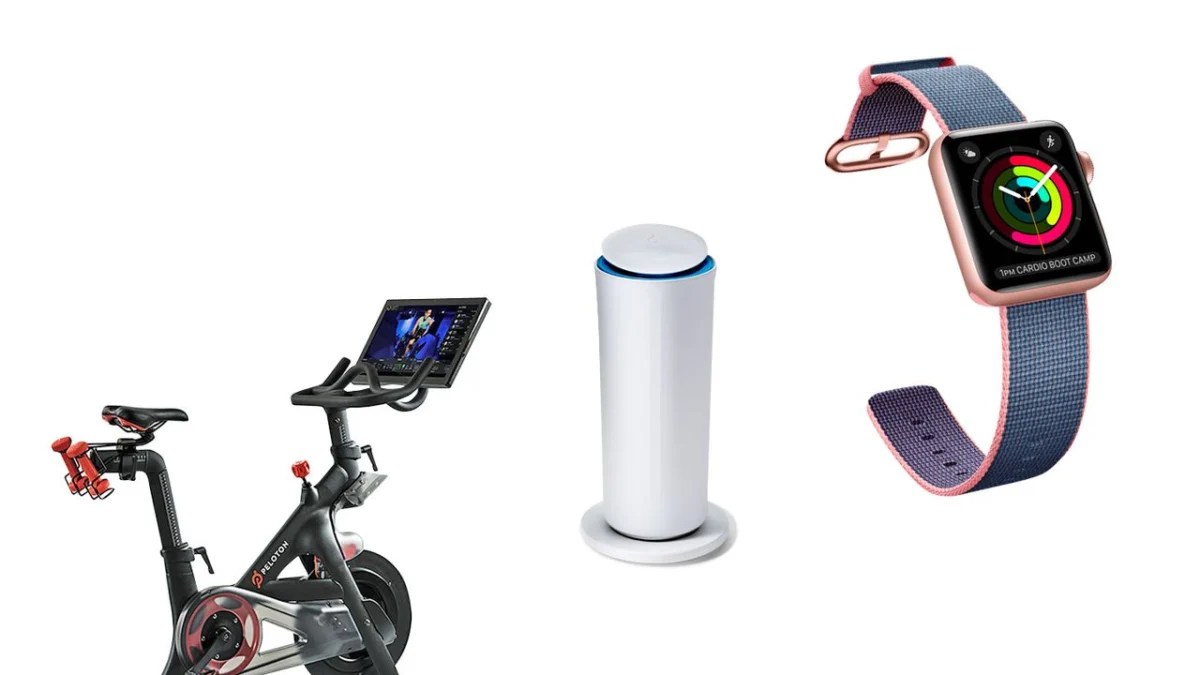
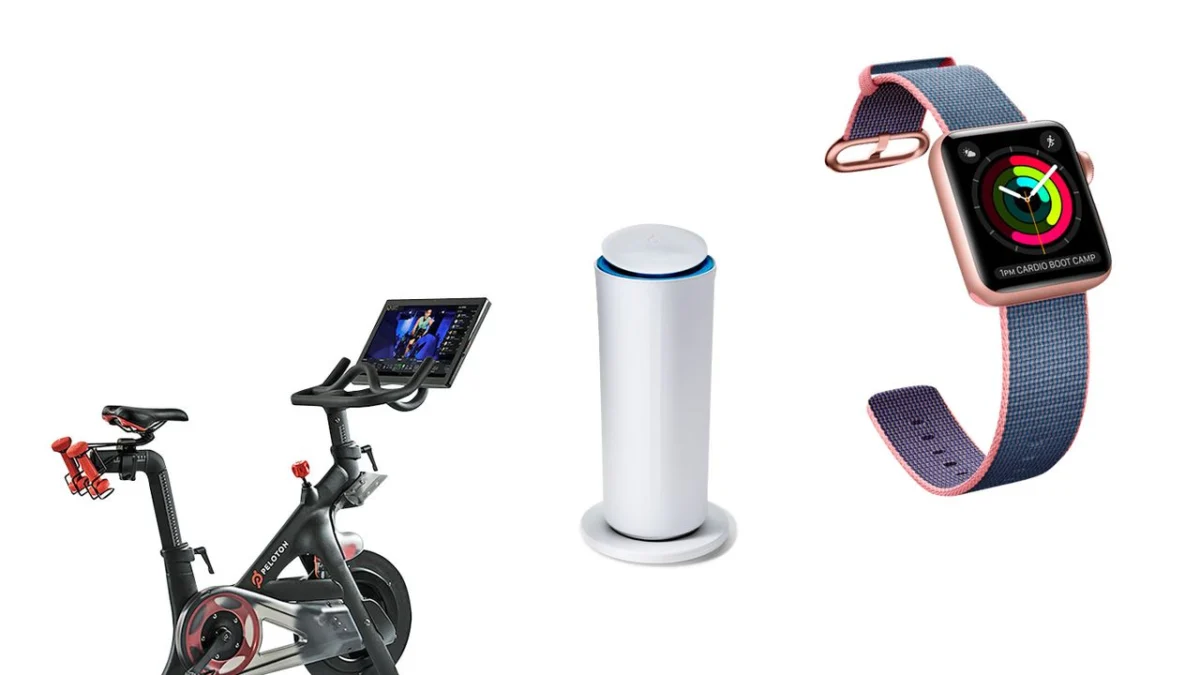
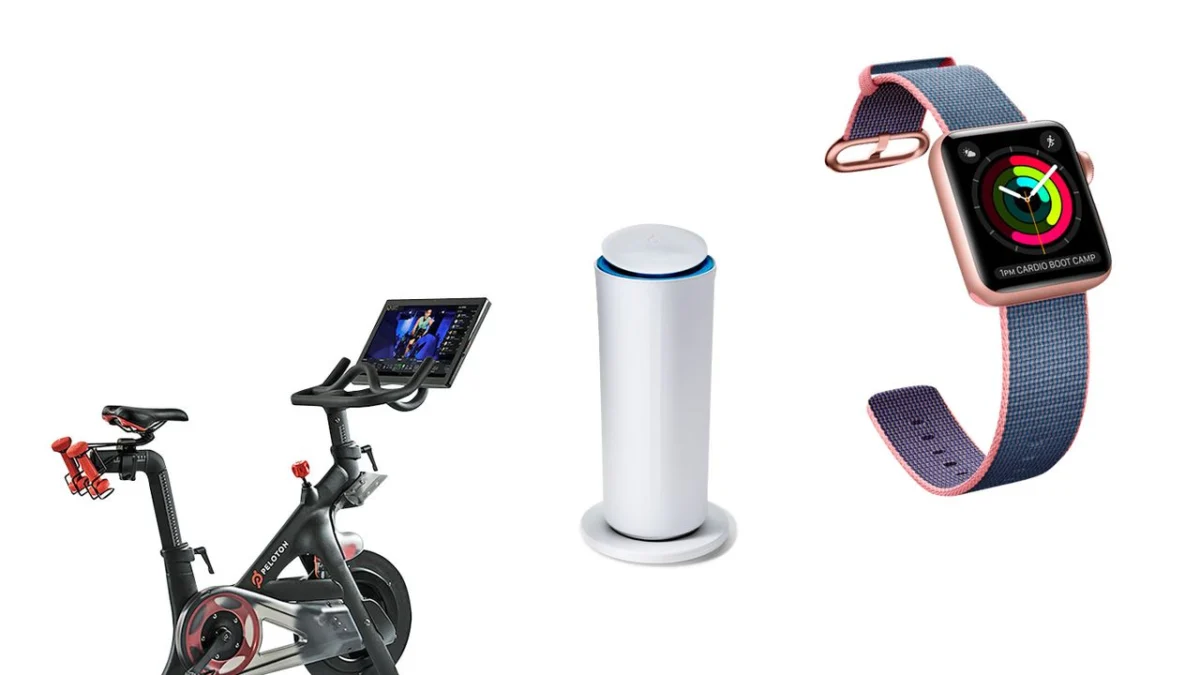
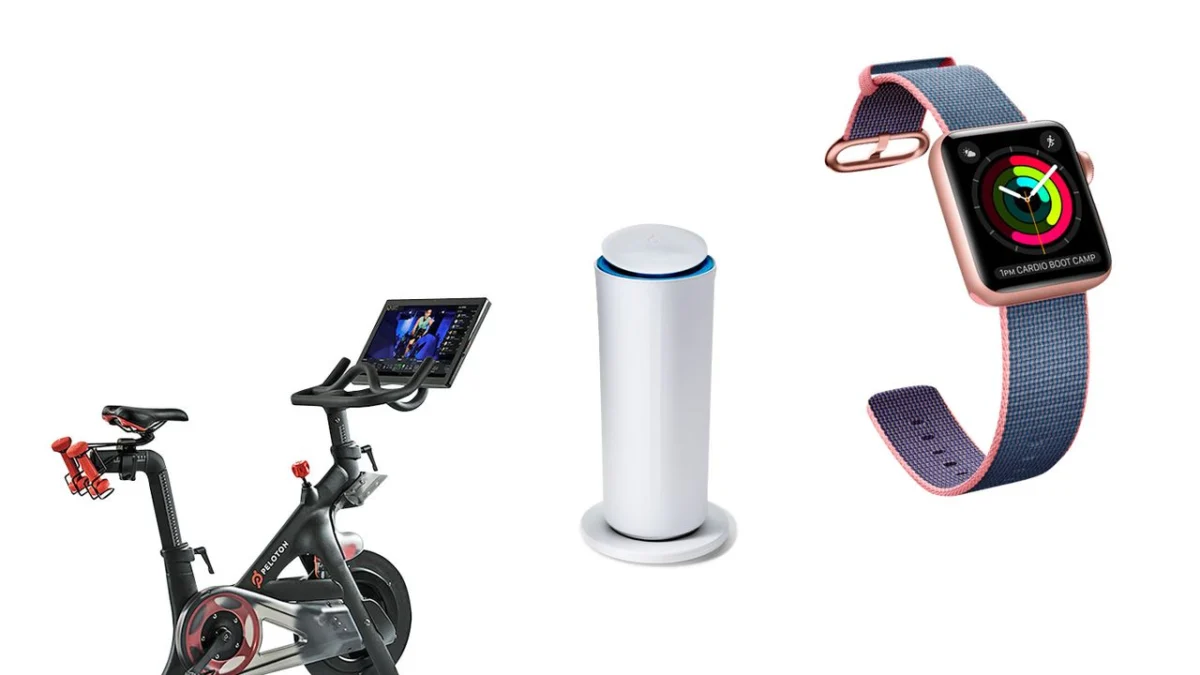
To understand the shift away from intrusive, single-metric wearables toward holistic, beautifully engineered gear, one must examine the devices leading the charge. The current market is defined by three distinct products that balance high-end computational power with user-centric design: the Apple Watch Series 2, the Peloton indoor cycling system, and the Pryme Vessyl smart water bottle.
The Apple Watch Series 2: Untethered Biometrics
Priced between $369 and $1,299 depending on materials and configurations, the Apple Watch Series 2 represents a maturation of wrist-worn technology. Rather than merely iterating on its predecessor’s notification-heavy interface, the Series 2 addresses the primary friction point of early fitness trackers: the tether to the smartphone.
Available in hundreds of customizable combinations featuring sleek cases, vivid colors, and easily swappable bands, the device integrates native Global Positioning System (GPS) capabilities. This hardware upgrade means users can run, cycle, and—in a historic first for the product line—swim without carrying a smartphone to map their routes or log their metrics. Furthermore, the device monitors both aerobic and anaerobic activity, bucking an industry-wide trend where trackers focus exclusively on the former.
The Peloton Indoor Bike: Immersive, Solitary Cardio
For those who prefer to keep their workouts on dry land, the Peloton indoor bike ($1,995, plus a $39 monthly subscription) offers an antidote to the crowded, high-pressure environment of boutique spin studios. Engineered with a robust carbon-steel-and-aluminum frame, the bike delivers studio-quality, high-intensity cycling workouts directly into the privacy of the home—minus the shouting, overly energetic instructor pacing the room.
A vibrant High-Definition (HD) touch screen anchors the console, offering access to an expansive, on-demand library of themed courses. Whether a rider wants a nostalgic sweat session soundtracked by 90s hip-hop or a mental escape via "scenic" virtual jaunts through international landscapes, the hardware and software work in tandem to deliver an immersive experience.
The Pryme Vessyl: The Ambient Hydration Tracker
Rounding out the trinity of refined fitness tech is the Pryme Vessyl ($99), a smart tumbler designed to combat the often-neglected pillar of physical health: hydration. While it may border on the indulgent, the philosophy behind the device is simple: if our wrists are adorned with wrist-bound supercomputers, why shouldn’t our water vessels actively monitor our fluid intake?
The sleek, minimalist bottle comes equipped with a wireless charging coaster and syncs seamlessly with a mobile application. By calculating personal biometrics and activity levels, the app determines an optimal, dynamic hydration goal for the day, sending gentle reminders when it’s time to drink up.
Chronology: The Evolution of the Quantified Self
To appreciate where fitness technology stands today, it is instructive to trace its rapid evolution over the past decade. The journey from crude pedometers to integrated, aesthetic wellness ecosystems has been swift, turbulent, and marked by constant consumer recalibration.
Phase 1: The Pedometer Era and Early Data Silos (2010–2013)
At the dawn of the modern fitness tracking boom, devices were remarkably rudimentary. Consumers clipped plastic pedometers to their waistbands or strapped early-generation rubber bands onto their wrists simply to hit an arbitrary goal of 10,000 steps per day. These devices operated in isolation. They possessed no screens, communicated poorly with smartphones, and offered zero contextual feedback regarding sleep, heart rate zones, or caloric expenditure quality.
Phase 2: The Biomedical Arms Race and Sensor Overload (2014–2017)
As sensor technology miniaturized and dropped in price, manufacturers rushed to stuff every conceivable biometric monitor into consumer hardware. This period gave rise to the aforementioned "gizmos"—chest straps that chafed, optical heart rate monitors plagued by motion blur, smart garments woven with conductive threads, and chunky wristwatches that prioritized data density over ergonomic comfort. Technology companies operated under the premise that more data was inherently better, regardless of how overwhelming or aesthetically unappealing the hardware might be.
Phase 3: The Integration and Aesthetics Pivot (2016–Present)
Recognizing consumer fatigue, tech giants and boutique brands began shifting their design paradigms. The focus pivoted from maximum data extraction to seamless integration into daily life.
The launch of the Apple Watch Series 2 in late 2016 serves as a watershed moment in this timeline. By proving that high-level water resistance, onboard GPS, and dual-metric (aerobic/anaerobic) tracking could be packed into a sleek, customizable fashion accessory, Apple set a new industry standard. Concurrently, high-end home fitness equipment like Peloton bridged the gap between passive gym memberships and immersive digital content, while ambient lifestyle tech like the Pryme Vessyl integrated wellness tracking invisibly into everyday objects.
Supporting Data: Behind the Numbers
The shift toward refined fitness technology is supported by extensive research, rigorous prototype testing, and compelling market data. Manufacturers are no longer relying on theoretical algorithms; they are investing heavily in empirical validation.
Apple’s Aquatic Research Initiative
The engineering feat of introducing native swimming tracking to the Apple Watch Series 2 required unprecedented empirical research. Apple exclusively disclosed to Vanity Fair that its development teams culled data from an internal base of more than 700 swimmers spanning all skill levels—from casual weekend paddlers to competitive athletes.
Over the course of the testing phase, these participants logged a combined 1,500 hours of swimming in various conditions. The testing specifically targeted the four basic swim strokes (freestyle, backstroke, breaststroke, and butterfly) to train the watch’s algorithms to accurately distinguish between active movement, resting at the wall, and stroke efficiency. This massive data collection effort allowed Apple to engineer custom algorithms capable of calculating active calorie burn, lap counts, and average paces while submerged.
Peloton’s Material Engineering
The durability and accessibility of the Peloton bike were not accidents of design. The company subjected its carbon-steel-and-aluminum frame to a rigorous two-year design and testing phase.
Engineers tested the structural integrity of the frame under extreme torsional loads, simulating years of aggressive, out-of-the-saddle climbing and sprinting by riders of varying heights, weights, and athletic backgrounds. This extensive prototyping ensures that the equipment can withstand intense, daily multi-user households without compromising stability or developing mechanical squeaks.
Market Demographics and Pricing Tiers
The economic landscape of modern fitness tech reflects a tiered consumer base willing to invest significantly in premium experiences:
- Entry-to-Mid Tier Trackers ($99 – $399): Encompassing items like the Pryme Vessyl ($99) and baseline Apple Watch configurations ($369), this tier targets consumers seeking lifestyle integration, aesthetic versatility, and targeted tracking without overwhelming complexity.
- Luxury Ecosystem Tier ($1,299 – $2,000+): Encompassing high-end Apple Watch Editions and the Peloton bike ($1,995 base price, plus a $39 monthly content subscription), this market segment caters to dedicated enthusiasts who view fitness technology as an investment in both physical health and home interior design.
Official Responses and Industry Insights
The convergence of fashion, technology, and health has prompted notable commentary from industry leaders, designers, and consumer advocates regarding the philosophy of modern wellness.
The Philosophy of Subtraction
Industry analysts note that the current backlash against intrusive fitness gear is a natural psychological defense mechanism. Dr. Elena Vance, a consumer tech psychologist, explains:
"For years, tech companies treated the human body as a debugging ground. Consumers experienced cognitive overload. When your jacket, your hat, your shoes, and your wrists are constantly vibrating with notifications and performance metrics, exercise stops being a stress-relief mechanism and becomes another job. The current trend toward streamlined, multi-use devices like the Apple Watch Series 2 represents a much-needed psychological exhale."
Apple on Engineering for the Elements
When developing the waterproofing seals and acoustic engineering required for the Series 2’s speaker system—which expels water using sound vibrations after a swim session—Apple’s design teams emphasized that form and function could not be mutually exclusive.
An Apple hardware spokesperson noted during the device’s rollout:
"You cannot ask someone to wear a fitness tracker 24 hours a day, through a run, a swim, and a dinner party, if it looks like a piece of industrial medical equipment. The breakthrough of the Series 2 wasn’t just putting GPS and waterproofing inside; it was making those components disappear into a customizable accessory that users are genuinely proud to wear with a suit or a wetsuit."
Peloton on Reimagining the Studio Experience
Addressing the psychological benefits of home-based high-intensity training, Peloton’s product development division emphasized the removal of social friction.
A company representative stated:
"Many people want the energy of a world-class instructor and the community of a group class, but they don’t want the intimidation factor, the crowded locker rooms, or the rigid class schedules. By focusing on a two-year structural refinement of the bike frame and pairing it with cinematic HD production values, we’ve created a sacred space in the home where users can push their limits entirely on their own terms."
Implications: The Future of Health, Design, and Lifestyle
The evolution toward refined, aesthetically pleasing, and highly integrated fitness technology carries profound implications for the broader wellness economy, workplace health initiatives, and personal psychology.
1. The Normalization of Ubiquitous Biometrics
As devices like the Apple Watch Series 2 and Pryme Vessyl become more discreet and intuitive, biometric tracking is shifting from a niche hobby for data nerds to an invisible background utility. Just as smartphones replaced standalone cameras, GPS units, and address books, integrated wellness tech is quietly absorbing hydration, sleep, and cardiovascular tracking into everyday lifestyle accessories.
2. The Decentralization of Fitness
The success of premium home hardware like the Peloton bike underscores a permanent structural change in how society consumes fitness. Traditional brick-and-mortar gyms are being forced to rethink their value propositions. When consumers can access high-production-value, data-driven workouts from the privacy of their living rooms, community-building and specialized in-person coaching become the primary selling points for physical clubs, rather than simply access to equipment.
3. Mental Health and the "Quiet" Workout
Perhaps the most significant implication of the "subtraction" movement is the reclamation of exercise as a sanctuary from constant connectivity. By utilizing tools that work autonomously—tracking a swim without a phone, guiding a ride without a screaming instructor, or ambiently monitoring hydration without intrusive alarms—users are finding a healthier relationship with their data.
Fitness technology is finally learning a vital lesson: the best workout gadget is not the one that demands the most attention, but the one you will actually use, enjoy, and seamlessly integrate into a balanced life.
So there you go—swim, sweat, and drink up, on your own terms.